

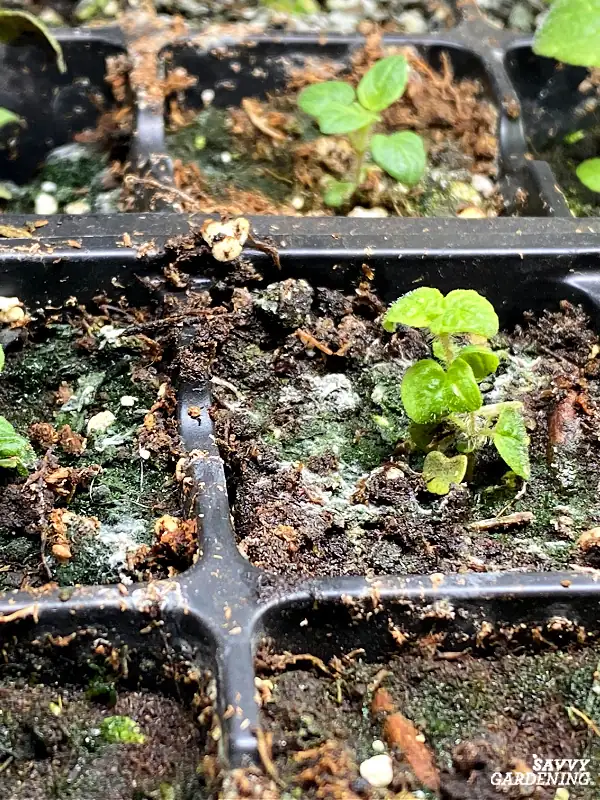
Nurturing young seedlings into thriving plants is an exciting journey for any gardener. However, stepping into this green adventure comes with its own set of challenges, particularly when it comes to watering and pot choice. If you’re noticing your seedlings looking a little under the weather, it might be time to consider if waterlogging and root rot are the culprits. Let’s dive into how you can prevent these issues and ensure your seedlings grow strong and healthy.
Understanding Waterlogging and Root Rot
Before we jump into the solutions, let’s understand the problem. Waterlogging occurs when the soil in your pot becomes oversaturated with water, leading to poor oxygen flow to the roots. This can be caused by overwatering, heavy rain, or inadequate drainage. Unfortunately, the lack of oxygen causes the roots to suffocate and die, leading to root rot—a common plant disease where the roots decay and the plant eventually withers.
Why Pot Size Matters
One of the most common mistakes made is planting seedlings in pots that are too large. While it might seem like a bigger pot would promote growth, it can actually lead to water retention in the soil. Larger pots hold more soil, which can hold more water than a seedling’s small root system can handle. This excess moisture creates the perfect environment for root rot to develop.
Signs to Watch For
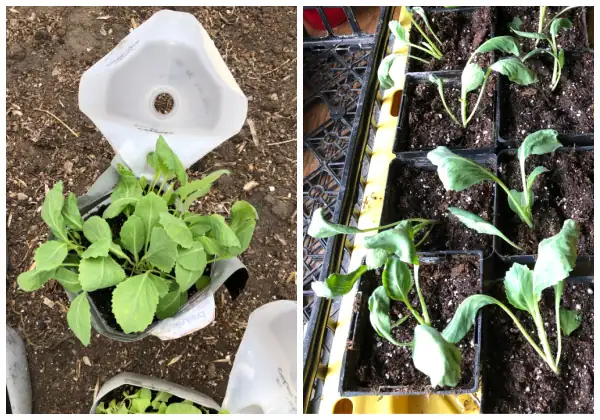
Look out for these symptoms in your seedlings:
- Yellowing leaves that look wilted despite the soil being moist.
- Mushy, discolored roots if you gently check the root system.
- An unpleasant smell from the soil, indicating decay.
Practical Steps to Prevent Waterlogging and Root Rot
Choose the Right Pot
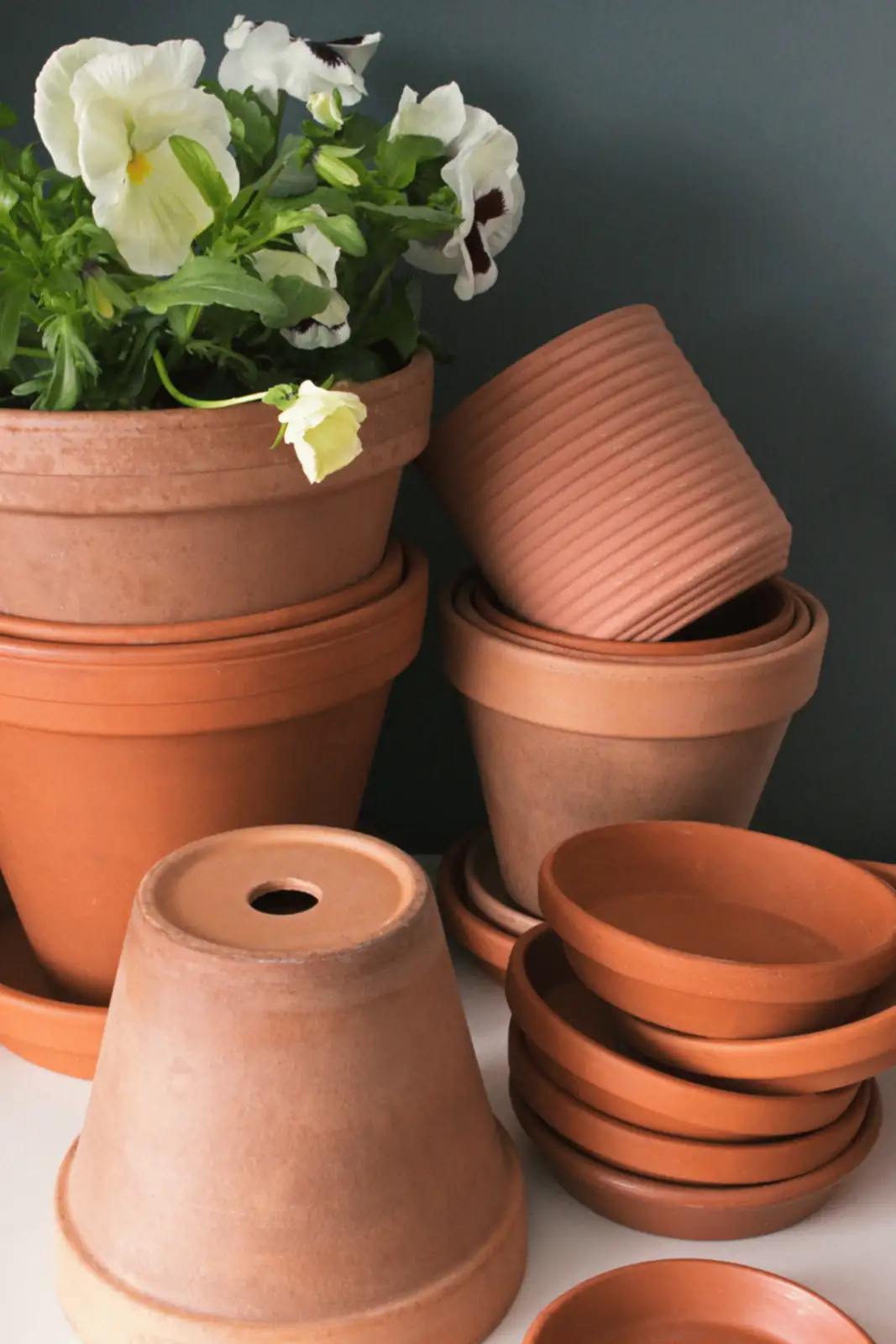
Select a pot that provides enough space for growth but isn’t overwhelmingly large for your seedlings. It should have ample drainage holes to allow excess water to escape. If you love decorative pots without drainage holes, consider using a nursery pot inside the decorative one.
Use Well-Draining Soil
Opt for a potting mix that is light and fluffy, allowing water to pass through easily. You can mix in materials like perlite or coarse sand to improve drainage. For seedlings, a 70/30 mix of grit to soil can be particularly effective.
Water Wisely
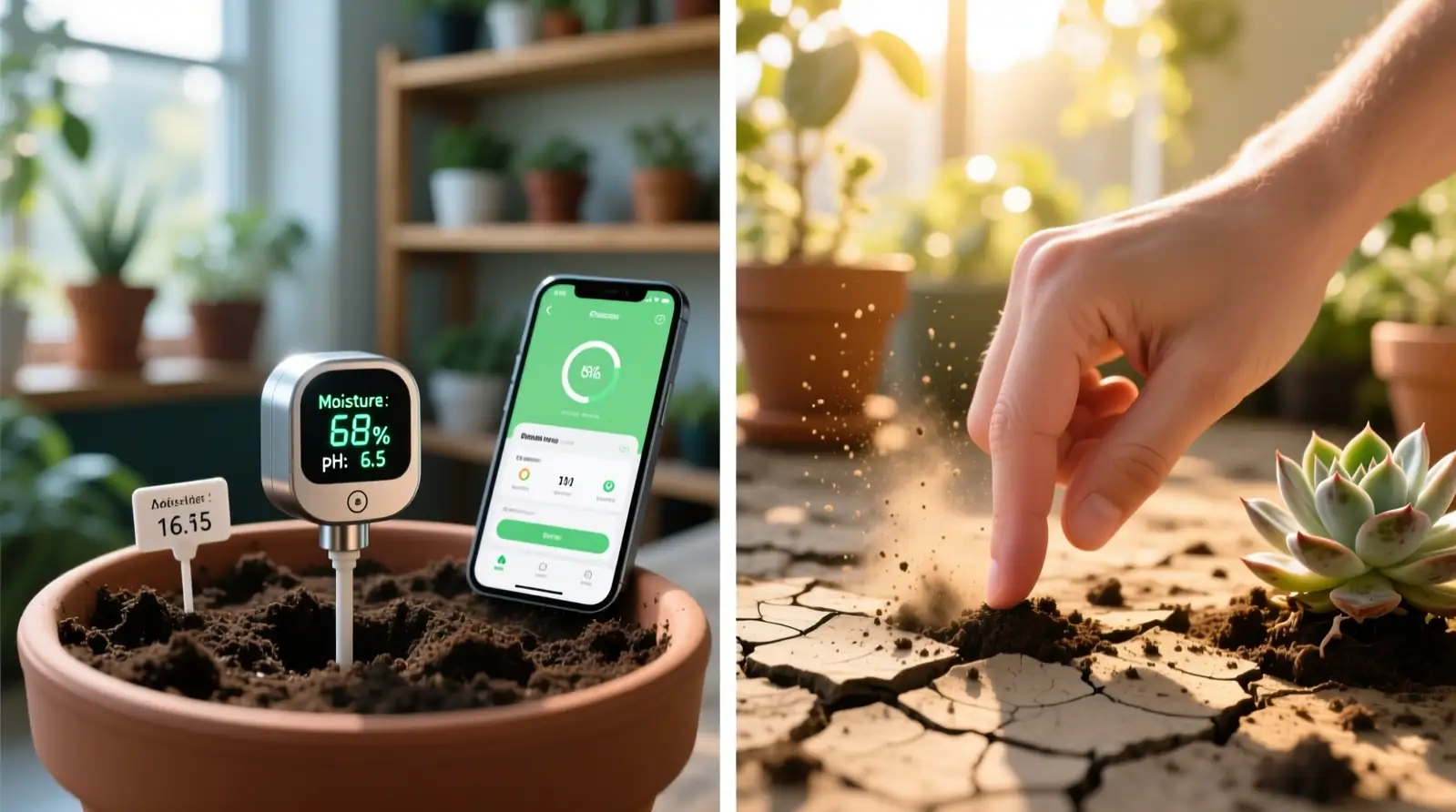
Resist the urge to water your seedlings on a rigid schedule. Instead, check the soil moisture by sticking your finger an inch into the soil. If it feels dry, it’s time to water. Overwatering is a common mistake, so aim to keep the soil just moist and not soggy.
Improve Air Circulation
Place your pots in a well-ventilated area. Good air circulation helps to dry out excess moisture and prevent fungal growth. A small fan can be helpful if your growing area is particularly humid.
Act Fast at the First Sign of Trouble
If you suspect root rot, act quickly. Remove the plant from the pot, trim off any rotten roots, and repot in fresh, dry soil. Ensure the new pot has excellent drainage and consider using a fungicide if the rot was severe.
Conclusion
Keeping your seedlings safe from waterlogging and root rot is all about balance. By selecting the right pot size, using the proper soil mix, and watering thoughtfully, you’ll give your seedlings the best chance to thrive. Remember, plants need love and attention, but sometimes the best care is knowing when to hold back. Happy gardening!


