
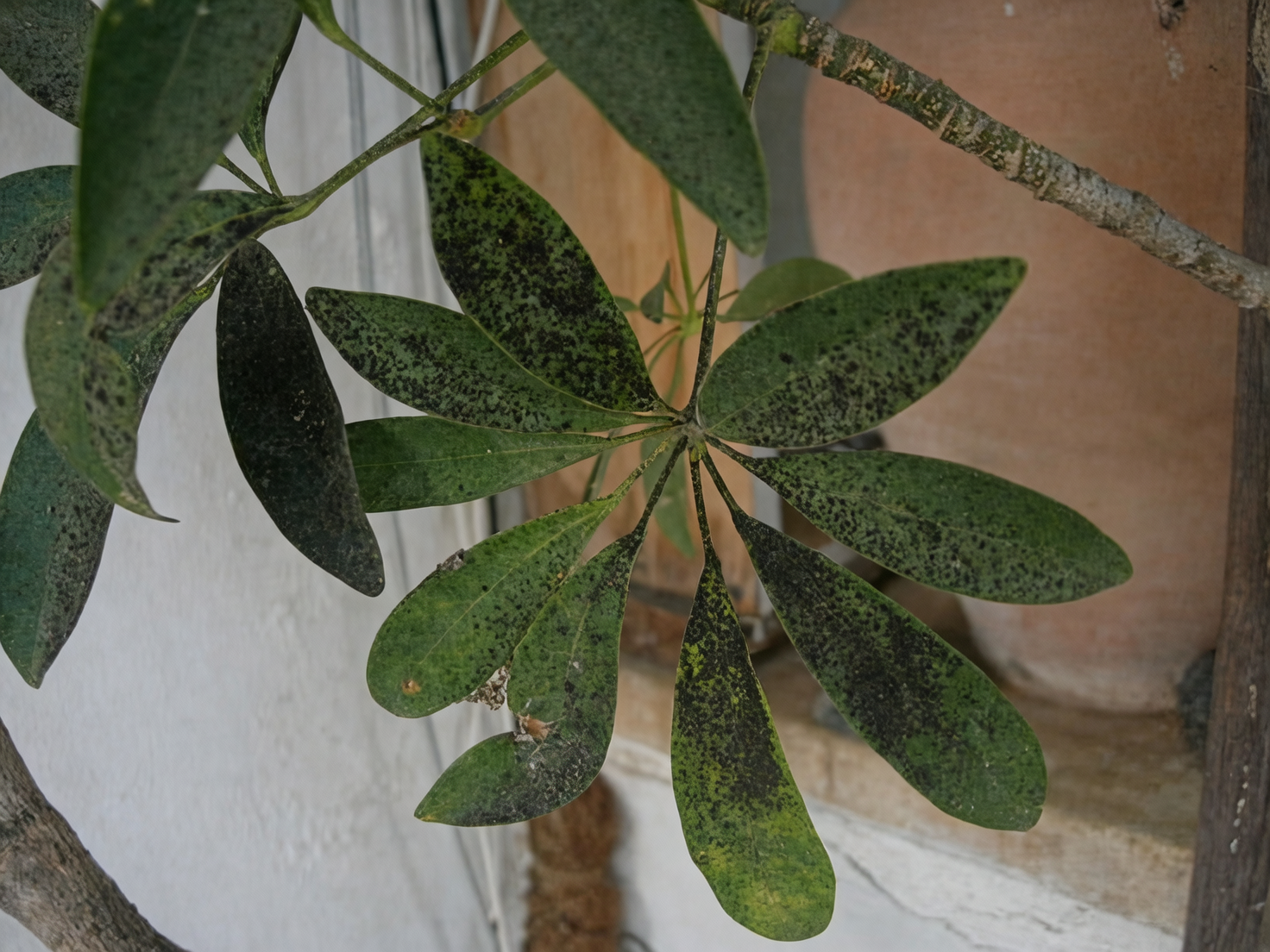
Rainy days might be perfect for curling up with a book, but they can also mean extra humidity in your home, creating the ideal conditions for mold to thrive. When the rain is relentless, and the air is thick, you might notice a little more moisture on your plants and windows. Fear not, plant lovers! With a few smart strategies, you can prevent mold and keep your indoor garden healthy and vibrant.
Why Mold Loves Rainy Days
Mold spores are ubiquitous, floating around just waiting for the right mix of moisture and warmth to settle in. The rainy season can increase indoor humidity levels significantly, especially if your home isn’t ventilated well. This sets the stage for mold to grow on surfaces, including your beloved houseplants. But don’t worry—there are ways to combat this!
Choose the Right Mold-Fighting Plants
Some plants are not only beautiful but also hard at work reducing humidity and trapping mold spores. Here are a few mold-busting favorites:
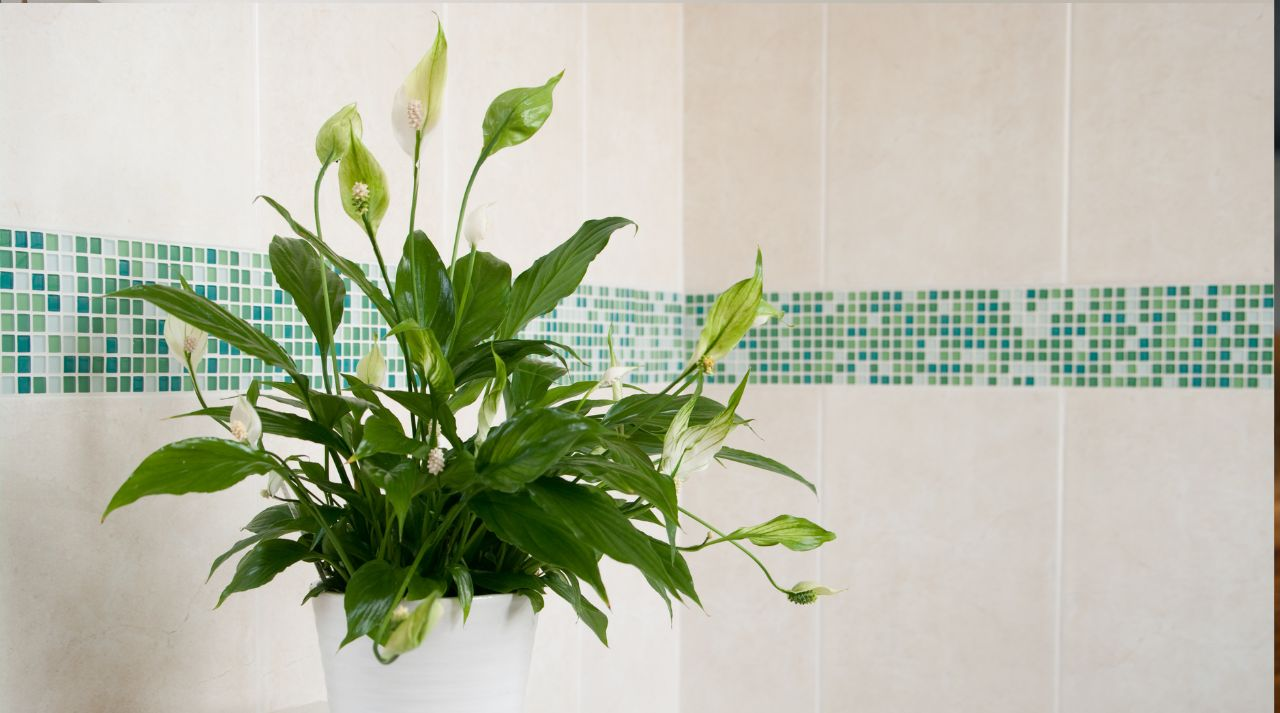
- Peace Lily (Spathiphyllum): Thrives in medium indirect light and absorbs moisture from the air. Perfect for bathrooms or laundry rooms.
- English Ivy (Hedera helix): Excellent at reducing airborne mold spores. Ideal for bright, indirect light areas like kitchens.
- Boston Fern (Nephrolepis exaltata): Loves humid environments and can soak up excess moisture, making them great for steamy bathrooms.
- Snake Plant (Sansevieria): Requires low to bright light and helps absorb moisture while purifying the air.
These green heroes do more than just decorate—they actively work to make your home less inviting to mold.
Light Management: Let There Be (Enough) Light!
Even during the rainy season, light is essential for your plants to thrive and fight mold effectively. Here’s how to manage light effectively:
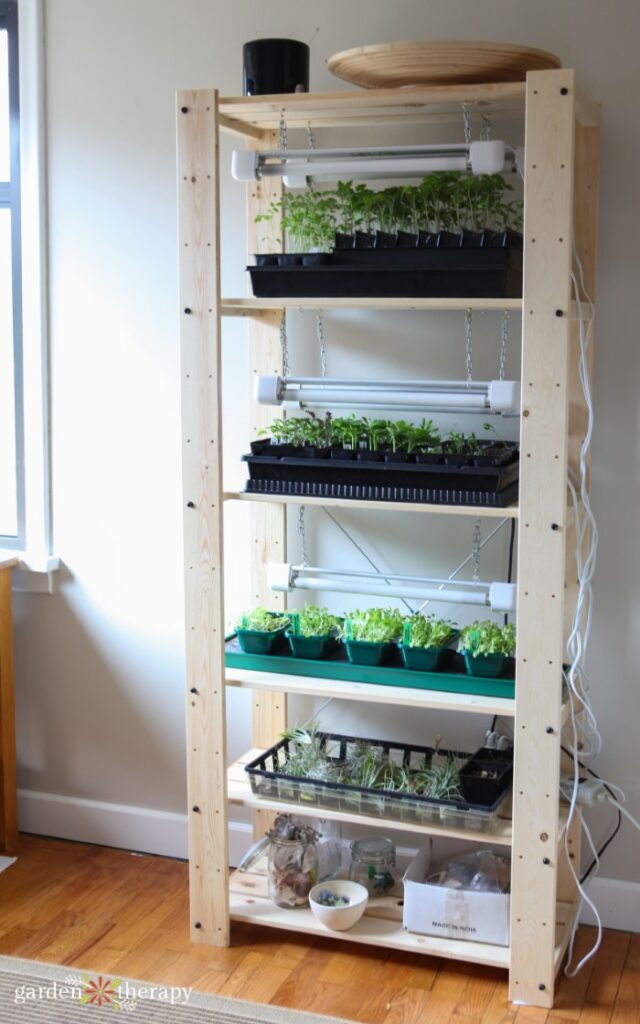
- Supplement with Grow Lights: If your home lacks natural sunlight during rainy days, consider adding grow lights. They help maintain the light levels your plants need to stay healthy.
- Position Wisely: Place plants near windows that receive the most light. In the absence of enough natural light, ensure your artificial lights are positioned at the right height and distance.
- Rotate Regularly: Occasionally rotating your plants ensures all sides receive equal light exposure, promoting even growth and reducing mold risk.
Stop Mold in Its Tracks: Practical Tips
Aside from choosing the right plants and managing light, here are more tips to keep mold at bay:
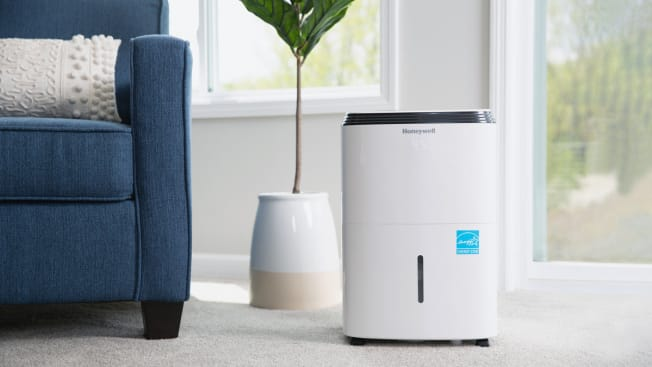
- Control Humidity: Aim to keep indoor humidity below 60%. Use dehumidifiers or air conditioners to maintain optimal levels.
- Ventilation is Key: Use exhaust fans in bathrooms and kitchens to reduce moisture. Even a small fan can make a big difference.
- Regular Inspections: Check for leaks around windows, doors, and roofs. Fix any issues promptly to prevent moisture intrusion.
- Mind Your Watering: Overwatering is a common mistake. Ensure the top inch of soil is dry before watering again. This reduces excess moisture that can lead to mold.
Conclusion
With the right combination of mold-fighting plants, proper light management, and diligent moisture control, you can enjoy a lush, healthy indoor garden—even when the rain seems never-ending. Remember, a little preparation goes a long way in keeping your space fresh and mold-free. Here’s to a happy, healthy home for you and your green companions!