

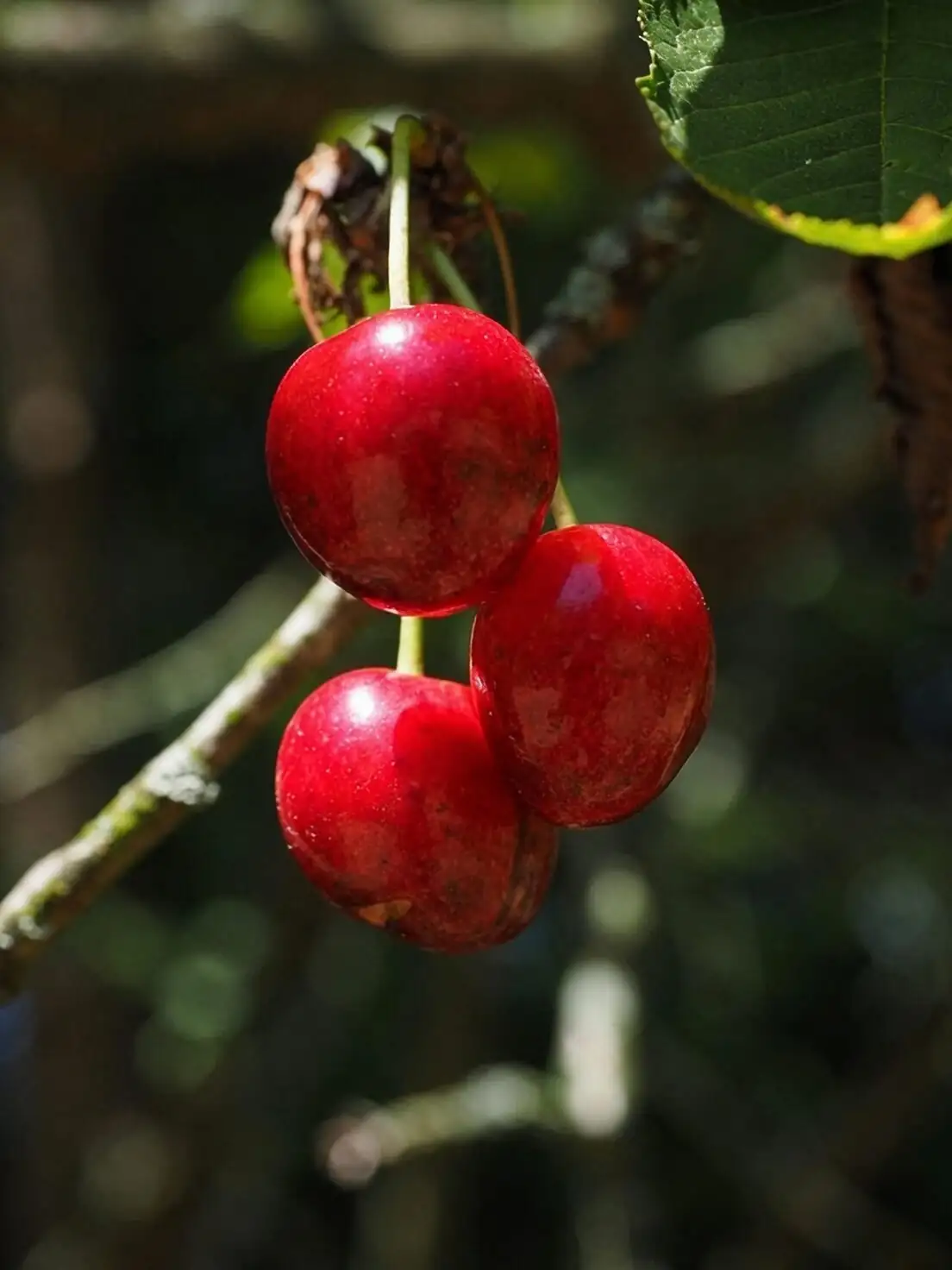
Think of Jerusalem cherry (Solanum pseudocapsicum) as winter’s little fireworks display: a compact, evergreen bundle that lights up your sill with glossy coral-red berries just when everything else goes gray. This playbook shows you exactly how to place it, water it, warm it, and shape it so those bright berries last for weeks.
Meet the plant in a nutshell
- What it is: A compact, evergreen subshrub in the nightshade family, often grown as a short-lived potted accent for its festive winter fruit.
- Size and look: Typically 30–60 cm tall and 30–45 cm wide in containers, with narrow-oval green leaves and clusters of round berries that ripen from green to orange to bright red.
- Origin: Native to South America; widely grown in warm-temperate regions.
- Safety note: Toxic if eaten. Keep the berries and plant out of reach of children and pets.
The berry-locking playbook
1) Light placement that paints the berries red
- Aim for: Bright light to full sun. Indoors, an east- or south-facing windowsill is prime real estate.
- Where exactly:
- Autumn–winter: Park it right at the brightest window to preserve color and reduce berry drop.
- Spring–summer: A sunny, sheltered balcony or patio spot is perfect. Acclimate it to direct sun over a week to avoid leaf scorch, and shelter from harsh wind and heavy rain.
- Tweak for symmetry: Quarter-turn the pot weekly so the plant stays evenly lit and compact.
- Avoid: Dim corners. Low light is the fastest way to dull color and shed berries.
2) Watering rhythms (and what not to splash)
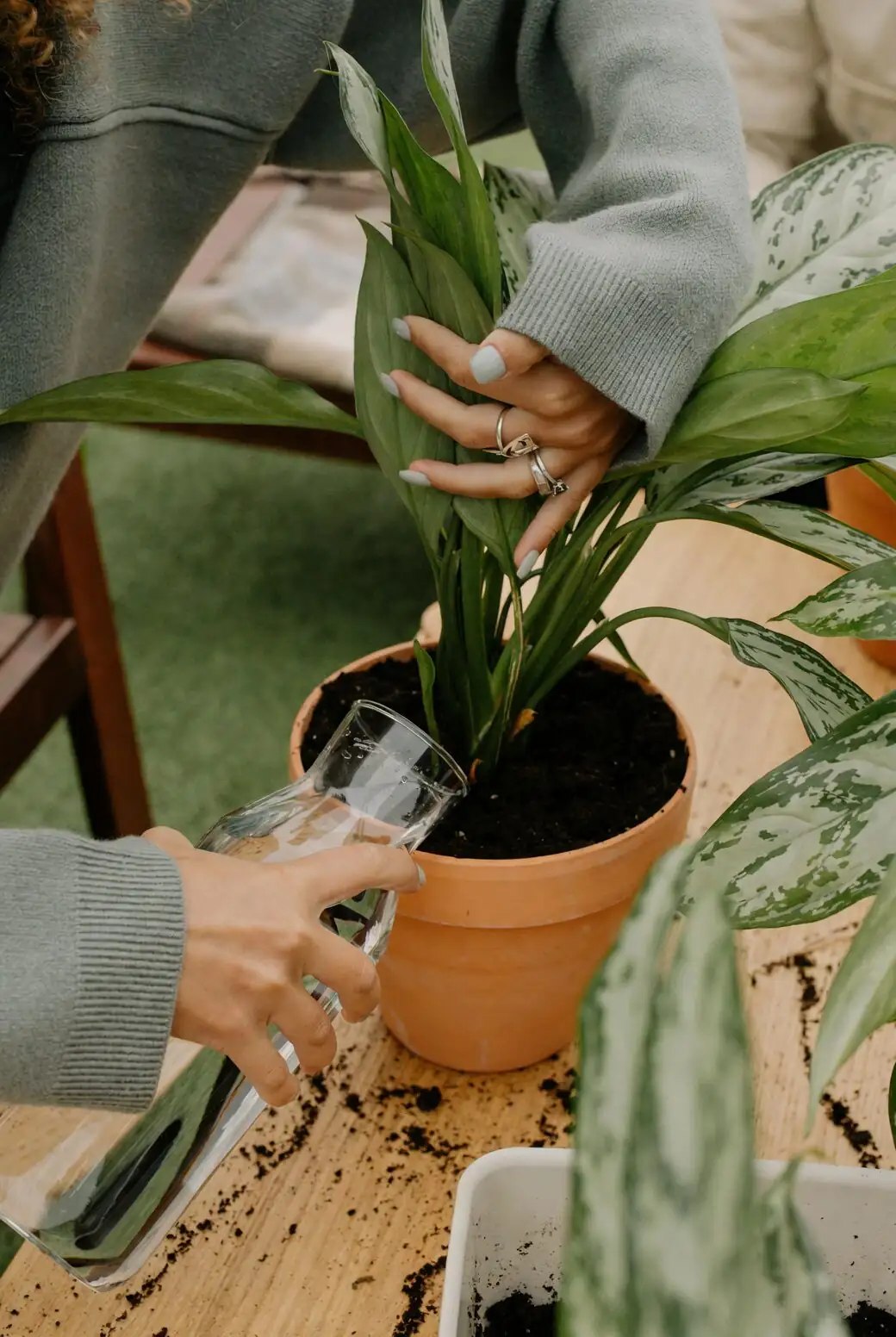
- Golden rule: Keep the mix evenly moist but never soggy; avoid the “drought then drench” cycle that stresses roots and triggers fruit drop.
- Active growth (spring–summer):
- Water thoroughly when the top 2–3 cm (about 1 in) of mix dries.
- Let excess drain fully—no standing water in saucers.
- During flowering (autumn): Reduce watering slightly to encourage fruit set.
- Fruiting (autumn–winter display): Keep the mix just slightly on the dry side to help berries last.
- Winter tempo: In cool, cloudy rooms, watering about every 4–5 days often suffices—adjust to your home’s light and warmth.
- What not to splash: Keep water off the berries (and leaves if you can). Splashes can spot fruit and invite rot. Bottom-watering or a narrow-spout watering can helps target the soil.
- Quick diagnostics:
- Overwatered: Limp, yellowing leaves, wet soil, berry drop—pause watering, improve drainage/airflow.
- Underwatered: Wilting and puckering leaves, shriveled berries—water thoroughly and resume the “slightly dry, never parched” cadence.
3) Temperature sweet spots
- Ideal range: 20–25°C (68–77°F) for steady growth.
- Winter minimum: Keep above 8–10°C (46–50°F). Below this, expect leaf and berry drop.
- Stability matters: Keep away from cold drafts, heater blasts, and sudden swings. Consistency keeps fruit on.
4) Humidity and airflow
- Humidity: Moderate is fine; typical home humidity works if you don’t keep the plant cold and wet.
- Airflow: Light, steady airflow deters fungal spots—just avoid drafty, frigid windows.
- Skip misting: The fruit doesn’t like wetting; rely on proper watering instead.
5) Soil and potting that breathe
- Best mix: Rich but well-draining—use a loam-based potting mix cut with peat/coco and coarse sand or perlite.
- Pot size: A snug 10–15 cm (4–6 in) pot helps keep growth compact. Slightly pot-bound is OK.
- Repotting: Only when necessary; overpotting invites soggy soil.
6) Feeding for flowers and fruit
- Routine feed: Every 2 weeks in active growth with a balanced fertilizer.
- Fruit boost: In autumn, as buds and flowers appear, give 1–2 extra feeds higher in phosphorus and potassium (e.g., around NPK 15-15-30) to support bloom and berry set.
- Winter: Minimal to no feeding.
7) Pruning and shaping—simple steps for a festive silhouette
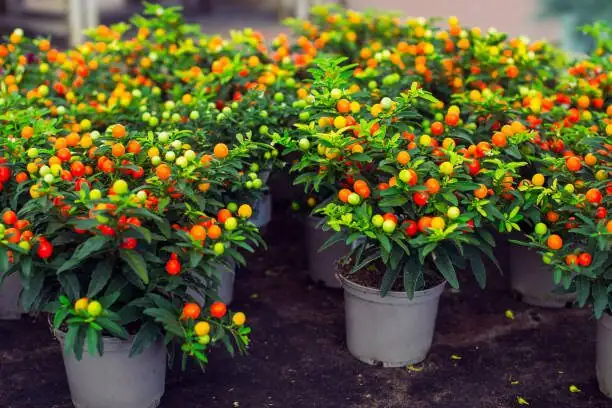
- Early shaping: When young plants hit 10–15 cm (4–6 in), pinch the tips once to spark branching and a rounded form.
- Keep it compact: Light tip-pinching through spring keeps internodes short and the plant dense.
- After the winter display: Cut back older, leggy stems. Fresh shoots usually flush and can flower/fruit again under bright light.
- Don’t deadhead if you want berries: Flowers become fruit—leave them in place.
8) A smooth seasonal calendar
- Spring–summer:
- Give it strong light to full sun.
- Water when the top 2–3 cm dries.
- Feed every 2 weeks.
- Optional: move outdoors to a sunny, sheltered spot.
- Take semi-ripe cuttings in summer if you want clones.
- Autumn:
- Keep light very bright.
- Reduce watering slightly during bloom.
- Add 1–2 feedings higher in P/K to power fruiting.
- Autumn–winter display:
- Keep above 8–10°C (46–50°F), away from drafts.
- Water lightly (often every 4–5 days in cool, dim weather), aiming for lightly moist to slightly dry soil.
- Don’t splash the berries; maintain steady light.
Troubleshooting quick wins
- Leaf or berry drop?
- Usual culprits: Low light, cold snaps, or wet soil.
- Fix the trio: More light, temperatures above 8–10°C, and water sparingly in winter.
- Pests:
- Whiteflies are common indoors. Isolate, then treat with insecticidal soap or horticultural oil; repeat per label.
- Diseases:
- Leaf spots/anthracnose thrive in stagnant, wet conditions. Improve airflow, avoid wetting leaves/berries, remove affected parts promptly.
Buy smart, display smarter
- Choose plants that are:
- Compact and densely branched with short internodes.
- Free of yellowing leaves or soft, bruised berries.
- Loaded with firm, glossy fruits of similar size.
- Handle gently: Ripe berries detach easily; support stems in transit.
- First-day setup: Bright east- or south-facing window, careful watering (no splashes), and steady temperatures to prevent shock and fruit drop.
Propagation (for next year’s show)
- From seed:
- Sow indoors in spring at 18–20°C (64–68°F).
- Germination typically in 10–12 days.
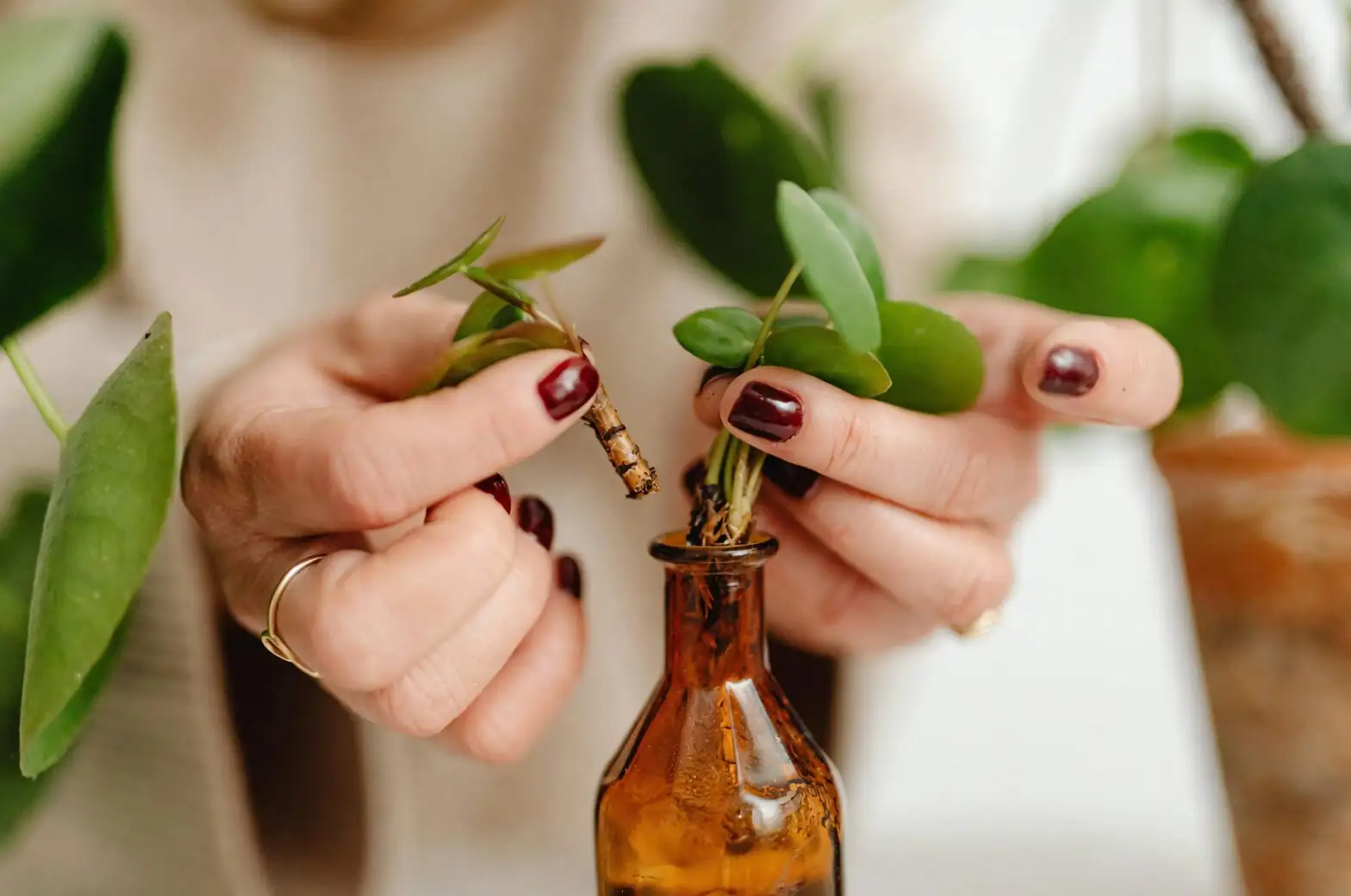
- From cuttings:
- In summer, take 10 cm (4 in) semi-ripe stem cuttings.
- Root in warm, humid conditions; expect 2–3 weeks to root.
- Tip: Start a few backups—this plant is often grown as a one- to two-year decorative specimen.
A quick note on “flower language” and meaning
- The plant’s gleaming winter berries have long linked it with seasonal cheer and “good luck”—a bright promise in darker months. While not a traditional flower-language staple, its symbolism likely grew from the timing of its fruit, appearing just when we crave color the most. And despite the name, it’s not a cherry at all—just a nightshade with an excellent sense of holiday timing.
Essential facts at a glance
- Sun: Bright light to full sun (best color and fruit retention).
- Water: Even moisture; slightly drier during fruiting; never waterlogged; avoid splashing berries.
- Temperature: 20–25°C ideal; keep above 8–10°C in winter; avoid drafts and sudden swings.
- Soil: Rich, free-draining mix (loam + peat/coco + perlite/sand).
- Feeding: Every 2 weeks in growth; 1–2 high P/K feeds in autumn.
- Pruning: Pinch at 10–15 cm; cut back after winter for a compact reset.
- Safety: Toxic if ingested—keep away from kids and pets.
With bright light, measured watering, steady warmth, and a quick pinch here and there, Solanum pseudocapsicum will reward you with a tight, tidy dome of glossy leaves studded with long-lasting red berries—the easiest holiday décor your windowsill will ever wear.