

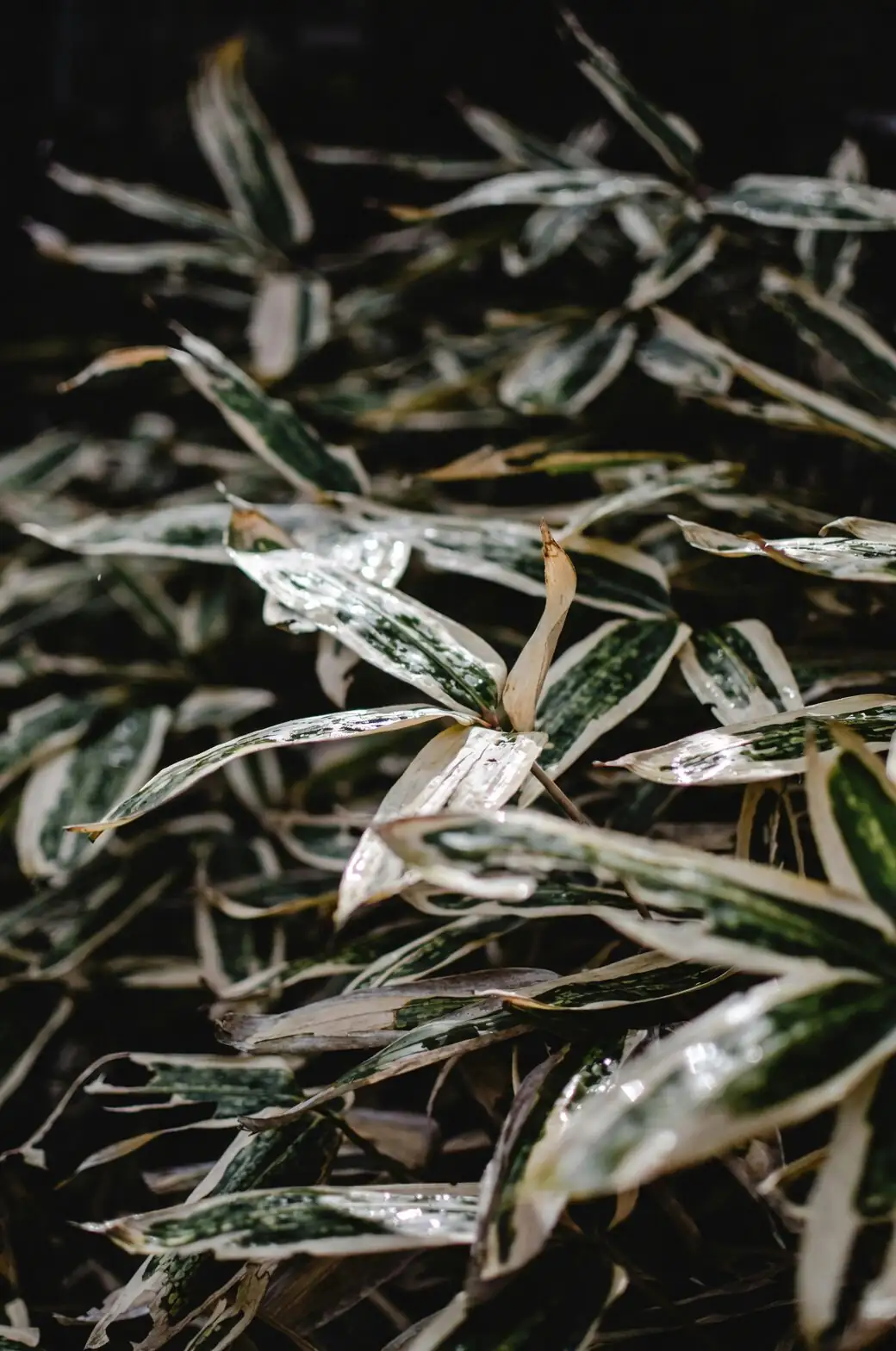
If you’ve ever wished a plant would wear pinstripes to work or scatter stardust across its sleeves, meet Aspidistra elatior—the cast-iron plant—at its most glamorous. The striped and speckled forms turn a famously tough shade-lover into a quiet showstopper. The secret to keeping those creamy pinstripes crisp and those freckles bright? It’s all about dialing in gentle, abundant indirect light, giving water wisely, and styling the foliage so the pattern plays the lead.
Meet Aspidistra elatior, the pattern-perfect classic
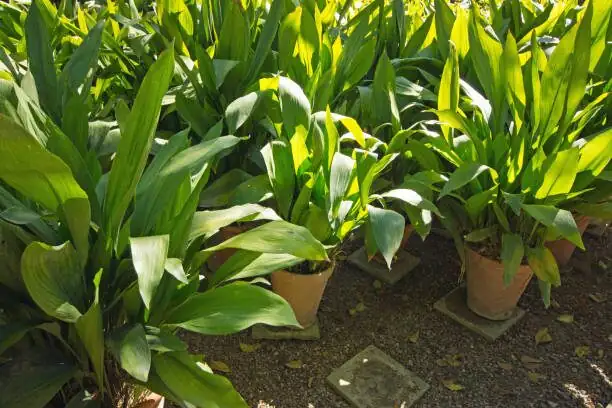
Long-lived and unflappable, Aspidistra elatior grows from rhizomes into tidy clumps of leathery, arching leaves about 60 × 60 cm (24 × 24 in). Native to Japan (especially the Ryukyu Islands) and Taiwan, it’s a houseplant icon precisely because it stays handsome in spaces where many plants give up. The standard form is a deep, glossy green; variegated cultivars layer on cream stripes, frosted tips, or milky speckles.
- Family: Asparagaceae; Genus: Aspidistra
- Growth: Clump-forming, evergreen perennial from slowly spreading rhizomes
- Flowers: Small, brownish-purple, bell-like blooms right at soil level—easy to miss indoors, and that’s part of their charm
Variegated darlings to look for
- Asahi: pale green blades with frosted, white-sprayed tips
- Milky Way: deep green leaves dusted with tiny white speckles
- Hoshi-zora (“starry sky”): green leaves speckled with yellow or white dots
- Ginga Giant: broad leaves scattered with yellow flecks
- Goldfeather: yellow-gold striping along the blade
- Goldspike: a single, bold yellow stripe up the leaf
- Lennon’s Song: wide, tall leaves with yellow variegation
- Mangetsu: striped green-and-white leaves with additional speckling
- Okame (syn. Variegata): irregular white streaks running the length of each leaf
- China Star: heavily speckled, eye-catching foliage
Light is the paintbrush: keep stripes crisp and speckles bright
Variegation is simply less chlorophyll sharing space with green tissue. In low light, plants “choose” efficiency—new leaves can emerge greener and older variegation appears dull. In harsh direct sun, pale areas scorch. The sweet spot is bright, indirect light.
The right kind of brightness
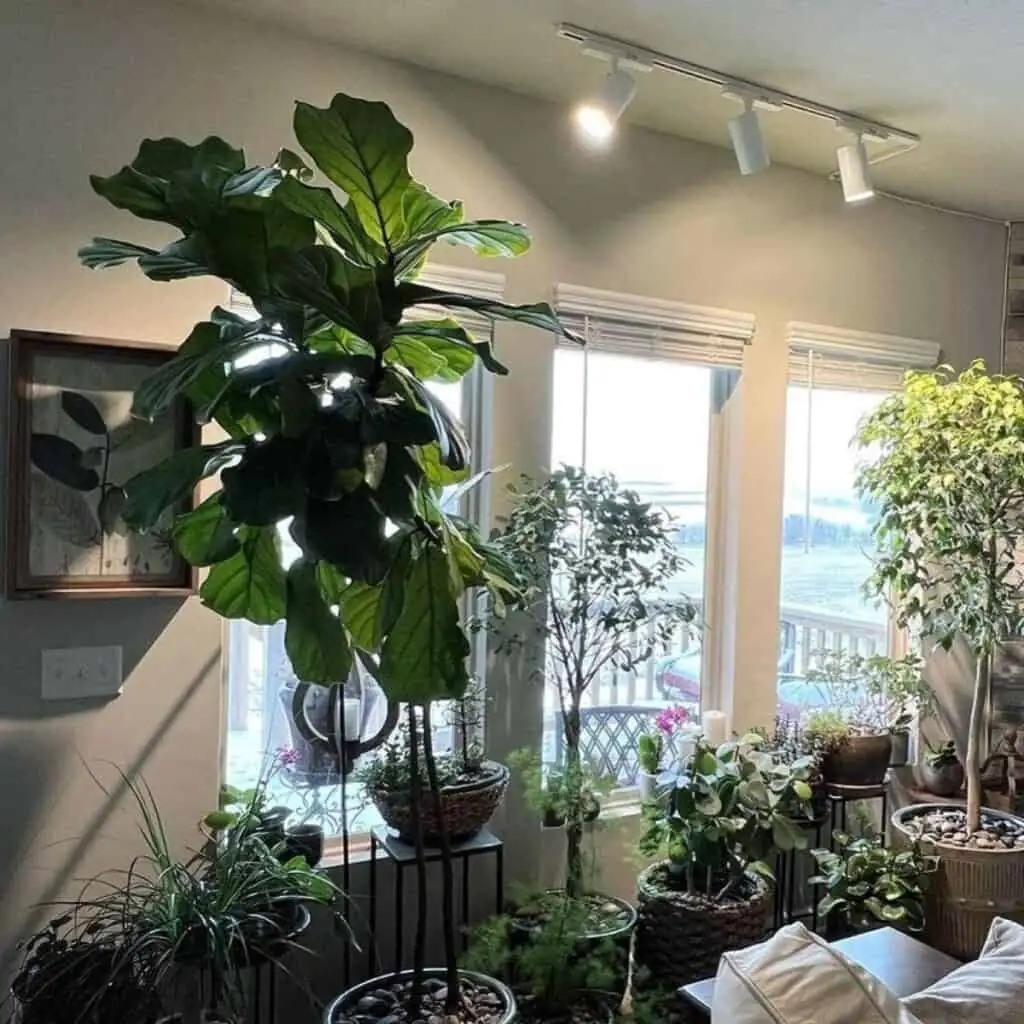
- Aim for bright, indirect light—think a luminous room without sunbeams hitting the leaves. Near a north or east window is perfect; for south or west windows, add a sheer curtain or set the plant several feet back where sun is diffused.
- As a guide, bright-indirect falls roughly in the 150–500 foot-candle (1,600–5,000 lux) range. Variegates sit happily in the mid to upper end of that.
- Rotate the pot a quarter-turn every few weeks so stripes develop evenly on all sides.
Adjust with the seasons
- Winter: move closer to the brightest window or lengthen exposure with a diffuse LED grow light.
- Summer: pull back from hot glass and filter light to prevent bleaching and crispy tips.
Read the leaves
- Too little light: new leaves emerge mostly green, patterns fade, growth slows to a standstill.
- Too much direct sun: pale variegation turns tan or brown, margins crisp, speckles look “bleached out.”
Stop reversion before it starts
Reversion is when variegation gives way to plain green growth. You can nudge the plant to keep the fancy paint job.
- Prioritize light: bright, indirect light encourages patterned leaves and reduces the plant’s “need” to go greener.
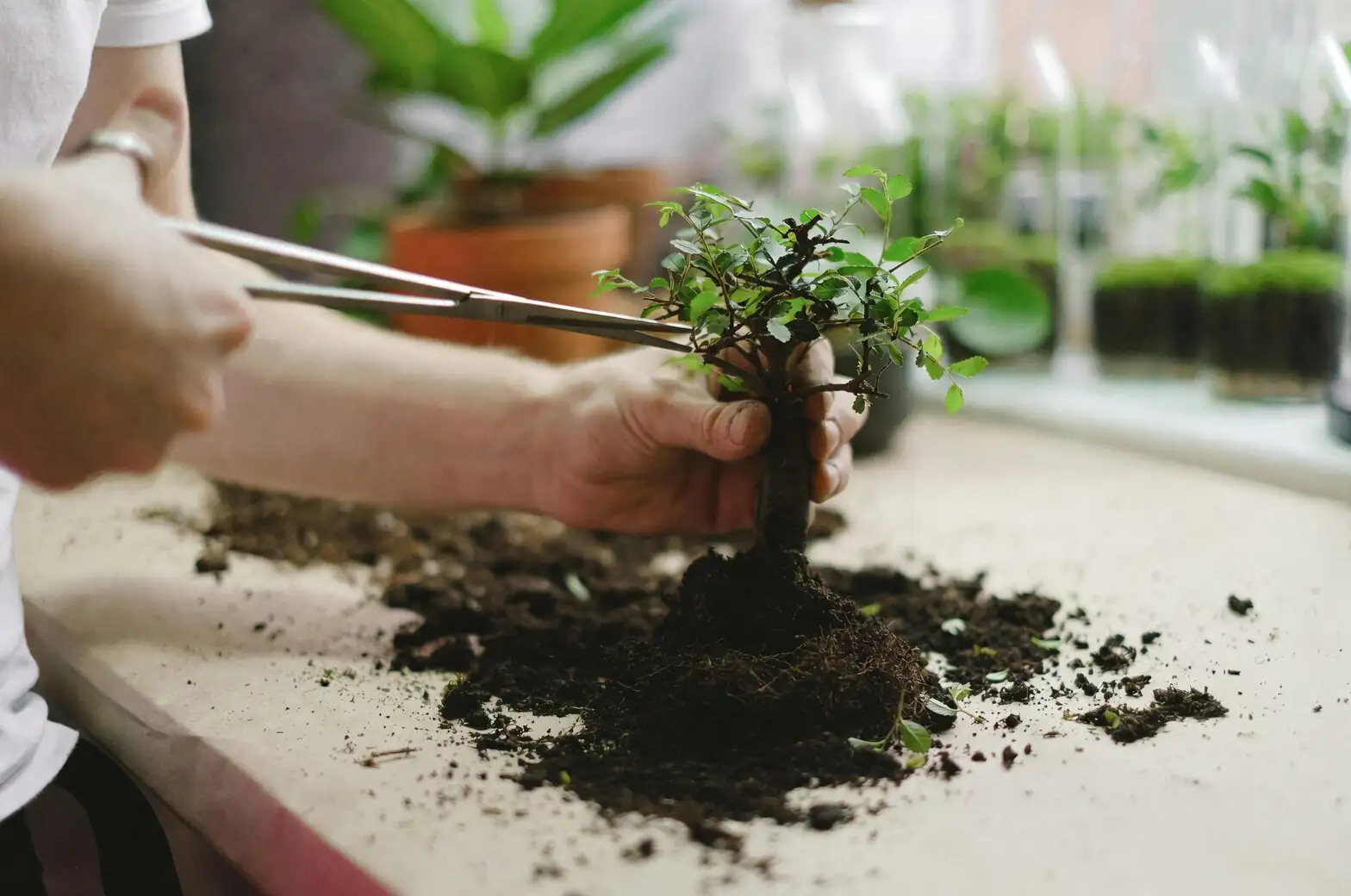
- Prune correctly: if a shoot produces plain green leaves, remove that entire leaf at the base. If a whole fan or rhizome segment is producing only green, cut it out at the rhizome during active growth and let variegated fans take the lead.
- Divide smartly: during repotting, keep divisions that show variegation in their newest leaves; pot green-dominant pieces separately if you wish, or compost them if your goal is to preserve pattern.
- Feed modestly: from spring through late summer, use a balanced liquid fertilizer at half strength monthly. More fertilizer won’t create more variegation; it can just push larger, plainer growth.
Water, soil, and pots that protect the pattern
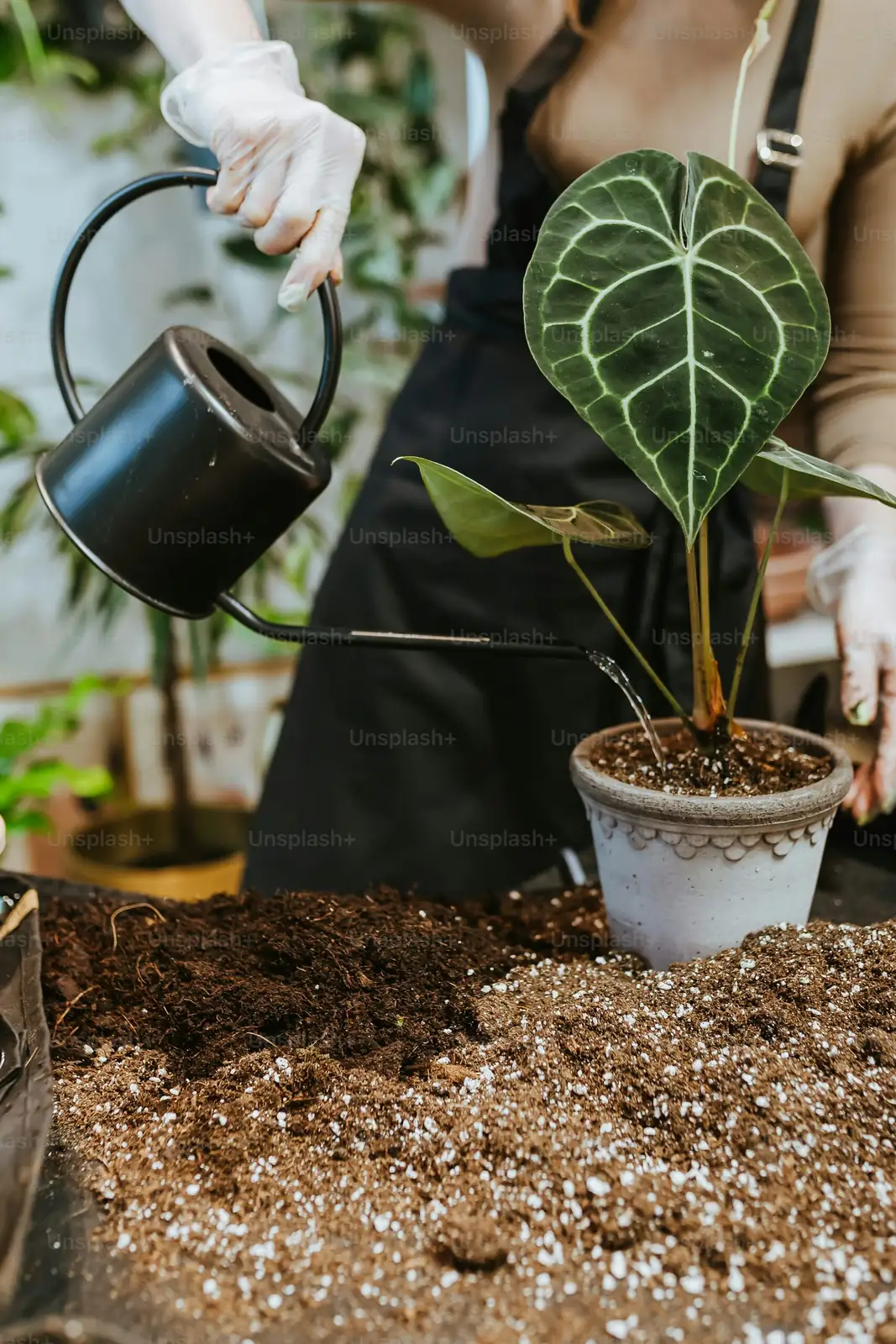
Variegated Aspidistra appreciate the same easy-care routine as green forms—just with extra respect for drainage.
- Watering rhythm:
- Water when the surface of the potting mix has dried.
- Reduce watering in winter.
- Never let the pot sit in water; soggy soil invites root rot and stalls patterned growth.
- Soil and pot:
- Use a loose, well-draining mix—an easy option is a 1:1 blend of standard potting soil and a multi-purpose mix, with added perlite if needed to keep it airy.
- Choose a 12.5–20 cm (5–8 in) pot with a drainage hole; size up only one step when you repot every 2–3 years. Slightly snug pots dry more predictably and discourage rot.
- Humidity and temperature:
- Tolerant of low to average indoor humidity—no misting routine required.
- Prefers cool to mildly warm rooms around 5–20°C (41–68°F). Protect from temperature swings and cold drafts; outdoors, it’s generally hardy in USDA Zones 8–11 where it should be shielded from severe freezes.
Styling tips to showcase stripes and speckles
Let the foliage be the artwork—set the scene so every stripe and star pops.
- Backdrop: place against matte charcoal, deep green, or cream walls to amplify contrast in white variegation and speckles.
- Pot palette:
- Pinstripes: glossy white or soft gray planters echo the variegation.
- Speckles (‘Milky Way’, ‘Hoshi-zora’): matte black or midnight blue makes the “stars” look brighter.
- Light the leaves: in darker rooms, a diffuse uplight or a warm-white LED positioned off to the side creates dimensional shadows without glare.
- Leaf care: dust dulls patterns. Wipe blades gently with a barely damp, soft cloth; skip leaf-shine products that can streak pale areas.
A simple care calendar for variegates
- Spring to late summer: feed monthly at half strength; keep in bright, indirect light; water when the mix surface dries.
- Autumn: maintain light; allow slightly longer dry-downs between waterings.
- Winter: ease up on water; keep out of direct sun that can be surprisingly harsh through cold glass.
- Every 2–3 years: repot, moving up one pot size only; divide to favor patterned fans.
Troubleshooting at a glance
- New leaves are mostly green, patterns fading: increase bright, indirect light; prune green-only shoots at the base.
- Brown tips/edges: most often uneven watering or strong direct sun; check for drafty heat and let the top of the soil dry before watering again.
- Speckles look “washed out”: too much light intensity or fertilizer; filter light and return to half-strength feeding.
- Pests: generally trouble-free, but check undersides for scale, mealybugs, or spider mites in dry conditions. Treat early and improve airflow.
- Mushy base or yellowing leaves en masse: likely waterlogging—improve drainage and let the surface dry between waterings.
Safe, steady, and wonderfully old-school
Cast-iron plant is commonly regarded as non-toxic to cats, dogs, and people, making it a low-stress pick for busy households and pet-friendly spaces.
A note on meaning, history, and the quiet charm of flowers
Aspidistra’s “language” is endurance and resilience—earned honestly. It was a darling of Victorian and early 20th‑century interiors precisely because it thrived in dim, smoky rooms, which inspired the nickname “bar-room plant.” Its small, brownish-purple flowers bloom at soil level, more whispered than shouted—an apt symbol for a plant that doesn’t need to show off to make a statement. In the modern home, the striped and speckled forms carry that same spirit, only now the quiet survivor wears couture.
—
Give your variegated Aspidistra the kind of light a painter loves—ample, indirect, and steady—and it will return the favor with crisp pinstripes and constellations that never fade.