

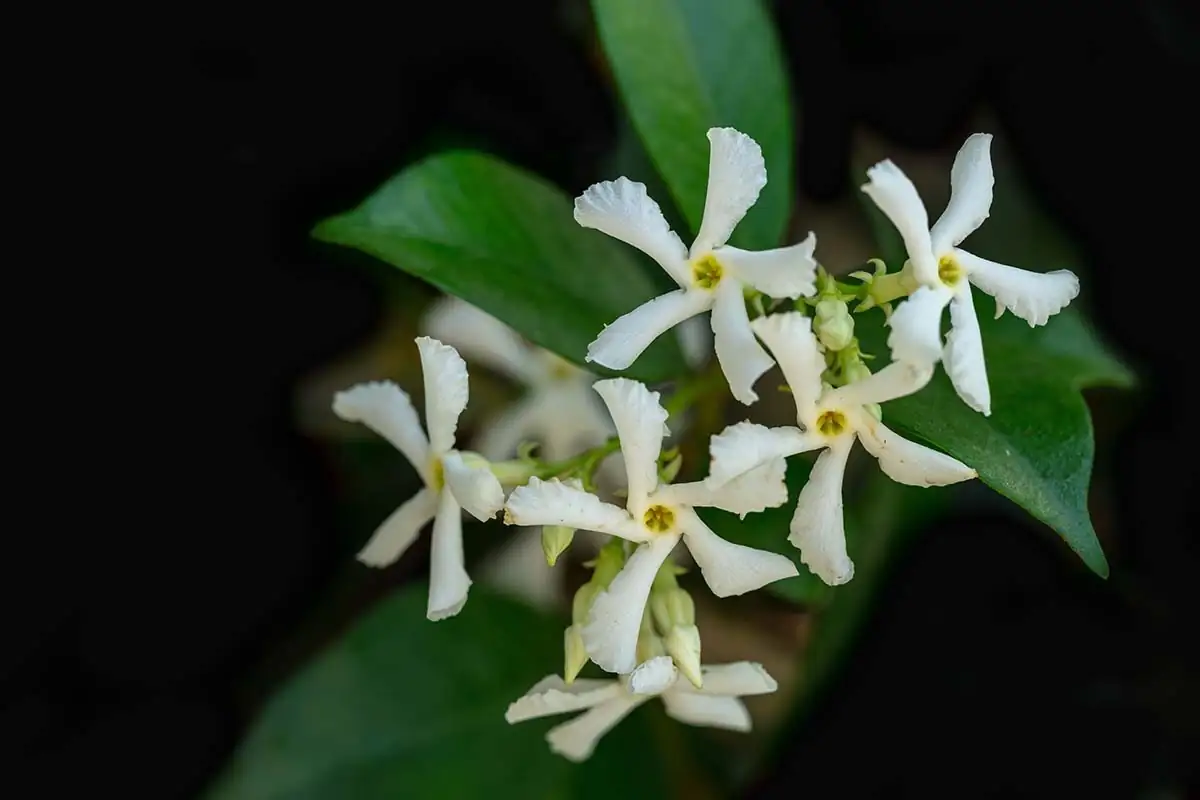
If you love foliage that looks painted by hand, Trachelospermum asiaticum ‘Variegatum’ (Variegated Star Jasmine) delivers: glossy leaves splashed in cream and green, trailing or twining wherever you invite it. Indoors, it’s wonderfully adaptable—provided you give it bright light, water with intention, and keep winter on the warm side. Do that, and you’ll dodge the classic pitfalls of yellowing leaves and drop.
Meet Variegated Star Jasmine (what it is, how it grows)
- Botanical name: Trachelospermum asiaticum ‘Variegatum’ (Apocynaceae)
- Habit: Evergreen twining/trailing vine for pots, hanging baskets, small trellises, and even water culture
- Size and training: Start guiding new shoots once they reach about 30 cm (12 in)
- Foliage: Glossy, cream-and-green variegation; prune out any all-green “reverted” stems to keep the pattern crisp
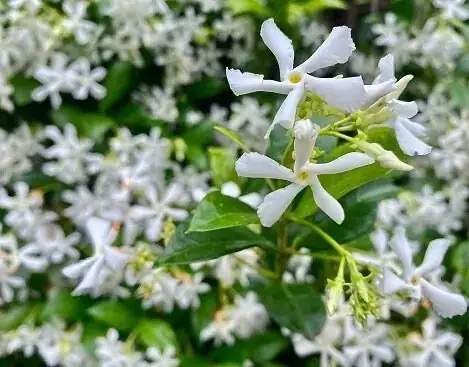
- Flowers: Small, starry white blooms with a sweet scent may appear in summer; indoor plants bloom less reliably than outdoor ones
- Personality: Shade-tolerant and forgiving once established, but in containers it dislikes cold, wet feet
Light: the fuel for sharp variegation
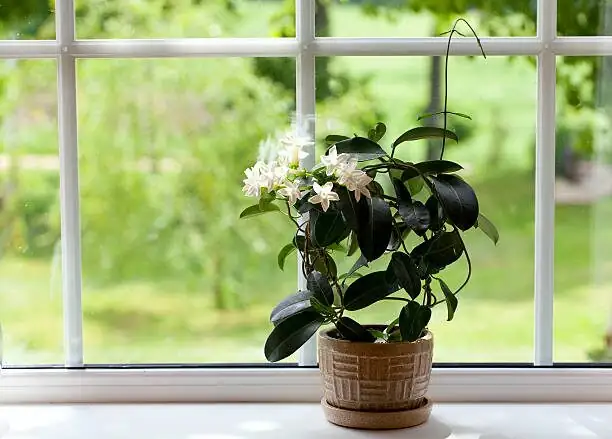
Bright light is your leaf-color insurance policy.
- Best indoor placement: East- or south-facing windows with bright, indirect to gentle direct light
- Partial shade tolerance: Yes—but expect looser growth and duller variegation if light is too low
- Winter nuance: Avoid harsh sun when temperatures are low; cold + strong midday rays can dull the variegation and stress leaves
- Pro tips:
- Rotate the pot every 1–2 weeks for even growth
- Wipe leaves occasionally so dust doesn’t block light
- Short days? Add a modest LED grow light for 12–14 hours in winter
Watering: evenly moist in growth, drier in winter
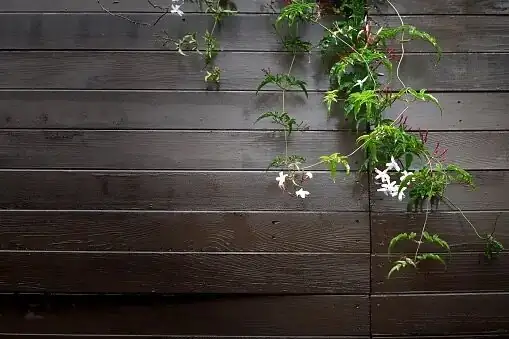
Think “sips, not soaks,” especially when cold weather arrives.
- Growing season (spring–summer): Keep the mix evenly moist but never soggy
- Autumn: Begin spacing waterings; let the top 2–3 cm (about an inch) of mix dry
- Winter: Keep slightly on the dry side—cold + wet is a classic trigger for yellowing and leaf drop
- After repotting: Water lightly at first; the roots need time to re-establish
- Easy checks:
- Finger test: top inch dry? Water. Still damp? Wait.
- Pot weight: learn the “light when dry” feel
- Drainage: always empty saucers; this plant dislikes sitting in water
Temperature and humidity: warm and airy wins
- Comfort zone: 20–25°C (68–77°F) for best growth
- Winter minimum: Aim to keep it above 10°C (50°F) to reduce leaf drop; it may tolerate a brief dip to ~0°C (32°F) but extended cold often causes defoliation
- Humidity: Prefers moderate levels; in dry rooms, occasional misting helps if paired with good airflow (avoid stagnant, overly humid corners)
- Draft watch: Keep away from frigid windowpanes, heater blasts, and leaky doors
Potting mix and containers
- Mix: Fertile, loose, well-drained potting soil (leaf-mold based or a high-quality all-purpose mix)
- Pot: Drainage holes are non-negotiable
- Grouping trick: Plant three young starters in a 15–20 cm (6–8 in) pot for a fuller look
- Repot rhythm: Every ~2 years in spring; go only 1–2 sizes up to avoid a big, soggy volume of fresh mix
Feeding for foliage (and the occasional flower)
- Routine: Feed once per month in the growing season
- Flower nudge: Add 1–2 extra feeds before summer with a formula a bit higher in phosphorus and potassium (or a bloom fertilizer)
- New arrivals: After purchase or pruning, wait for fresh growth before feeding
Training and pruning
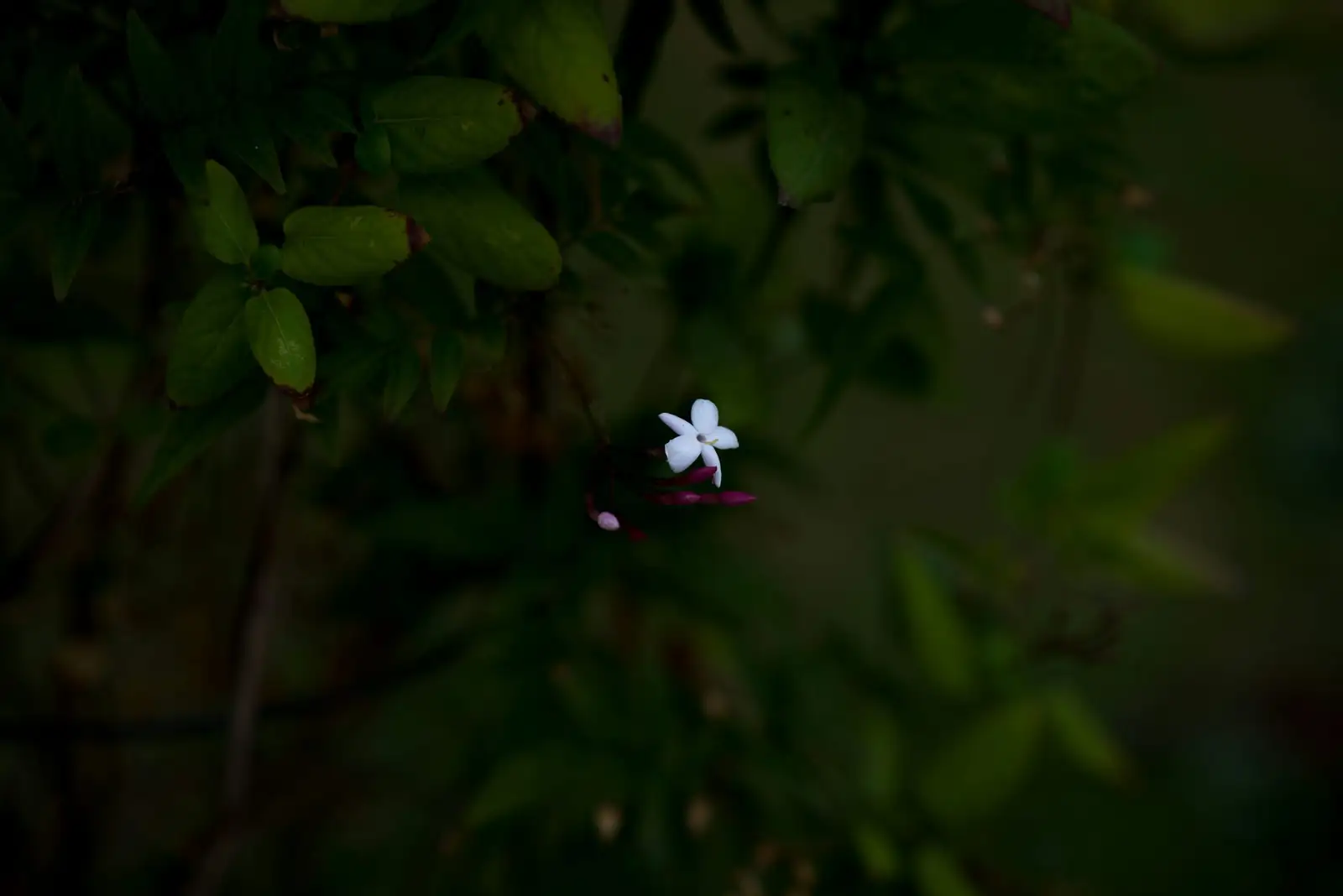
- Support: Add a mini trellis when stems reach ~30 cm (12 in)
- Pinching: Tip-pinching encourages bushy growth and a lusher silhouette
- Thinning: Remove congested or leggy stems to keep light and airflow flowing
- Reversion watch: Prune out solid green shoots promptly
- Rejuvenation: Every 3–4 years, a hard cutback can reset a tired specimen
Water culture option (sleek and simple)
Yes, it thrives in water culture if you tend it.
- Setup: Rinse roots, place in clean water, and support stems
- Care: Top up and change water regularly; add an appropriate hydroponic nutrient solution as directed
- Placement: Bright light still matters, and so does airflow
- Hygiene: Rinse roots at changes; keep containers clean to deter algae
Season-by-season care guide
Spring
- Light: Brighten it up—east or south window is ideal
- Water: Increase frequency as days warm; aim for evenly moist
- Feed: Start monthly feeding once new growth begins
- Repot: Every ~2 years now is the moment; water lightly after
- Train: Install a small trellis; pinch tips to branch
- Groom: Remove reverted green stems
Early to midsummer
- Water: Consistent moisture, never soggy
- Feed: Continue monthly; add 1–2 bloom-focused feeds before peak summer
- Propagate: Take 10–12 cm (4–5 in) semi-ripe tip cuttings; root in moist sand/gritty mix or in water—roots often form in ~3–4 weeks
- Layering: Long stems can be pegged into neighboring pots to root
Late summer
- Light: Maintain bright conditions to keep variegation vivid
- Prune: Light shaping to prevent tangles and improve airflow
- Scout: Watch for spider mites in warm, dry rooms
Autumn
- Water: Begin to reduce; let the top inch dry between drinks
- Light: Keep it bright as days shorten; consider supplemental light
- Feeding: Taper off as growth slows
- Drafts: Relocate away from windows that chill at night
Winter (your warm-and-bright strategy)
- Temperature: Keep it above 10°C (50°F); aim for that 20–25°C sweet spot if you can
- Light: Bright window plus 12–14 hours of LED support is ideal
- Water: Slightly dry is safer—cold + wet invites yellowing and leaf drop
- Sun caution: Avoid harsh, cold-season sun magnified by glass
- Airflow: Gentle circulation deters leaf spot and mites
- Hands-off: No heavy repotting or hard pruning until spring
Troubleshooting yellowing leaves and drop
- Low light: Move it brighter; clean leaves; add a grow light in winter
- Cold + wet soil: Warm the room, water less, and ensure rapid drainage
- Cold drafts: Shift away from frigid window glass and leaky frames
- Overpotting: If the pot is too big, the mix stays wet; step down or allow more drying
- Nutrient lull in active growth: Resume monthly feeding
- Pests: Spider mites cause stippling and shed—rinse foliage, raise humidity, treat with insecticidal soap/horticultural oil
- Leaf spot: Remove affected leaves, improve airflow, avoid late-day leaf-wetting; use a broad-spectrum ornamental fungicide if needed
Rescue routine for a stressed plant:
1) Move to a warmer, bright spot
2) Let the top inch of mix dry before watering again
3) Trim spent leaves and thin crowded stems
4) Resume modest feeding once new growth appears
Buying guide and first-week setup
- Choose: Dense branching, glossy leaves, crisp variegation, no spotting
- Place: Bright, airy window with gentle sun
- Acclimate: Mist lightly for humidity, but keep airflow moving
- Shape: If stems are long or crowded, prune to your ideal silhouette
- Feed: Wait for fresh growth before the first fertilizer
Pests and diseases, briefly
- Spider mites: Common in dry indoor air; rinse foliage, raise humidity, use insecticidal soap/horticultural oil or a labeled miticide as directed
- Leaf spot: Space plants, increase airflow, and avoid wetting leaves late in the day; remove affected leaves and consider a fungicide labeled for ornamental leaf spot if needed
Safety note
Specific toxicity data for this cultivar is not consistent. As a precaution, treat it as potentially irritating if chewed. Keep away from pets and children; seek medical or veterinary advice if ingestion occurs.
Propagation, made easy
- Tip cuttings (early summer): 10–12 cm (4–5 in) semi-ripe tips; keep 3–4 leaves, strip lower leaves, and root in moist sand/gritty mix or in water. Expect roots in ~3–4 weeks.
- Layering: Peg a long stem into a neighboring pot or the parent pot’s surface; sever once rooted
- Seed: Can be sown fresh at 13–16°C (55–61°F), but seedlings may revert to solid green
Symbolism and stories
Star jasmines are often linked to steadfastness and loyalty: evergreens that twine, hold on, and keep showing up with fresh leaves. This variegated form is a horticultural selection—bred not for maximal bloom but for luminous, patterned foliage that brightens interiors year-round. In that sense, its “flower language” is less about fleeting blossoms and more about quiet constancy: a companionable green-and-cream presence that sticks with you through the seasons.
Quick reference: the three golden rules
- Bright light every day to keep variegation vivid
- Water thoughtfully—moist in growth, slightly dry in winter, never waterlogged
- Keep it warm and draft-free in winter (above 10°C/50°F), and leaf drop becomes a rarity
With those in place, your Variegated Star Jasmine won’t just survive indoors—it will twine, shine, and stay beautifully patterned all year.