

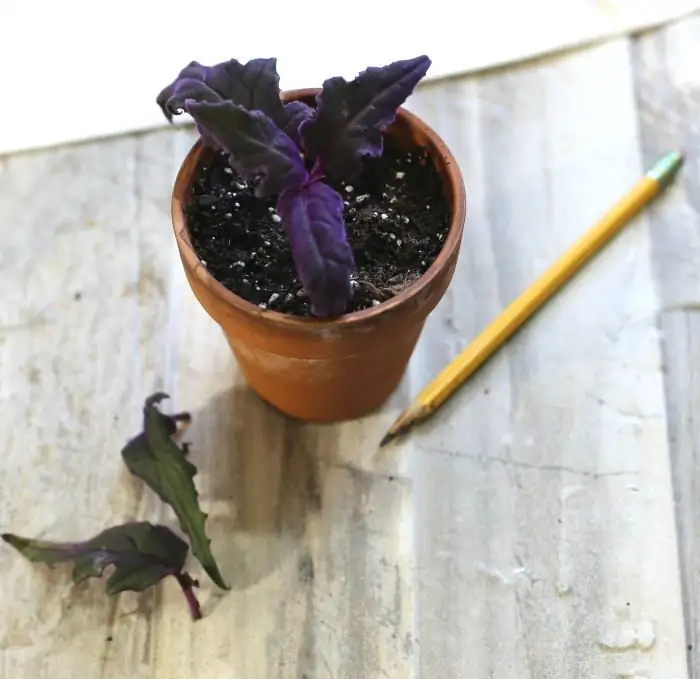
Velvet that glows—Gynura aurantiaca, the Purple Passion Plant, is one of those “can’t-walk-past-it” houseplants. Its emerald leaves wear a plush coat of purple hairs that shimmer in bright light. Treat it right and it stays vivid, full, and cascading. The secret? A no-splash watering style, bright indirect light, and a few timely pinches. Here’s your friendly, step-by-step blueprint.
Meet the Purple Passion Plant
- Botanical name: Gynura aurantiaca (Asteraceae)
- Common names: Purple Passion, Purple Velvet Plant, Velvet Plant
- Origin: Indonesia (notably Java)
- Habit: Compact at first, then semi-trailing to trailing—perfect for shelves or hanging baskets
- Size: Often about 20 × 20 cm indoors; typically sold in 12–15 cm pots; many growers pot 3 together for extra fullness
- Flowers: Small yellow to orange, usually in cooler months; many people pinch them off because they’re not very showy and can smell unpleasant
The Care Blueprint at a Glance
- Light: Bright, indirect light is ideal. East or west windows are great; south is fine behind a sheer curtain. Avoid harsh midday sun.
- Temperature: Warm and steady—aim for 15–24°C (59–75°F). Protect from chills and keep above ~10°C (50°F).
- Watering: Keep the mix evenly, lightly moist in spring–fall; reduce in winter. Water only at the soil line—never wet or mist the leaves.
- Humidity: Moderate is perfect (around 40–60%). Use a pebble tray or humidifier with airflow. Skip misting—droplets cling to those hairs and can blemish the velvet.
- Soil: A loose, fertile, well-draining houseplant mix with added perlite; a little compost/leaf mold boosts vigor.
- Feeding: Spring–fall, use a balanced houseplant fertilizer—monthly at normal strength or every 2 weeks at half strength. Go easy on nitrogen.
- Pruning: Pinch tips regularly for fullness; remove buds/flowers if you dislike the scent.
- Repotting: Spring refresh; either annually for best looks or every 2–3 years if still thriving. Handle gently to protect the purple fuzz.
Step-by-Step Care
1) Light: dial in the glow
- Best spots: near an east or west window, or a south window softened by a sheer curtain.
- Signs you’ve nailed it: new leaves are intensely purple and compact.
- Too much sun: scorched or dulled patches.
- Too little: leggy stems and greener, faded foliage.
2) Watering rhythm: even moisture, zero splash
- Spring–fall: when the surface just begins to dry, water thoroughly at the soil line. Aim for evenly, lightly moist—never soggy.
- Winter: growth slows; water less often and keep just barely moist.
- Tips:
- Bottom-watering is a great “no-splash” method—let the pot wick from a tray, then drain.
- If you accidentally splash a leaf, gently wick away drops with a soft, dry brush or corner of a paper towel.
- Good drainage is non-negotiable to avoid root rot.
3) Humidity: comfy, not clammy
- Target 40–60% with good airflow.
- Use a pebble tray or a humidifier nearby—but don’t mist the leaves.
- In very stagnant, humid conditions, rust can appear. Improve air movement and keep foliage dry.
4) Soil and pot: airy and quick-draining
- Mix: quality houseplant soil + perlite. Add a small amount of compost/leaf mold for nutrients.
- Pot: choose one with drain holes; a shallow, wide style suits the trailing habit.
5) Feeding: light and steady
- During active growth (spring–fall):
- Option A: monthly at normal strength
- Option B: every 2 weeks at half strength
- Avoid excess nitrogen (it encourages weak, leggy growth).
- Winter: reduce or pause feeding.
- If you prefer following labels, a slightly higher-potassium “bloom” formula can be used cautiously—though this plant is loved for foliage more than flowers.
Seasonal Tweaks
Spring
- Repot or refresh the top third of soil.
- Resume regular watering and feeding.
- Start new plants from soft tip cuttings.
- Begin regular pinching to encourage branching.
Summer
- Keep evenly moist; don’t let it bake or dry out completely.
- Bright, indirect light is key—filter strong sun.
- In heat waves, prioritize airflow and consistent moisture. If rooting cuttings in water, change water often and avoid fertilizing the water during heat.
Autumn
- Maintain bright light; begin spacing out waterings slightly as growth slows.
- Continue light feeding through early fall if the plant is still active.
Winter
- Keep warm and above 10°C (50°F); hold steady around 15–24°C if you can.
- Reduce watering—barely moist is enough.
- Flowers may appear; remove buds if you don’t like the scent.
Pinch, Shape, and Renew
- Pinch tips whenever shoots reach about 20 cm; this coaxes side branches and creates a lush, cascading plant.
- Remove yellowing leaves anytime.
- After 2–3 years, if the plant looks sparse, treat it like a “renewable” houseplant—take cuttings and restart a dense, youthful clump.
Fuzz‑Friendly Spring Repotting (Simple Routine)
1) Pre-water the day before so the root ball slides out easily.
2) Prepare a pot one size up with fresh, airy mix (houseplant soil + perlite).
3) Handle by the pot and soil—not the leaves. Support stems at the base; avoid brushing the purple hairs.
4) Tease out circling roots gently; trim dead bits.
5) Set the plant at the same depth as before; don’t bury the fuzzy stems.
6) Optionally pot three starts together for a fuller look.
7) Water slowly at the soil line until evenly moist. No overhead splashes.
8) Park in bright, indirect light and good airflow for a week to settle.
Propagation: fast and fun
- Take 7–10 cm soft tip cuttings with 4–5 leaves; remove the lower leaves.
- Rooting options:
- Water: place in clean water in bright, indirect light at ~20–25°C (68–77°F). Roots often form in about 2 weeks. When roots reach ~10 cm, you may add a very dilute nutrient solution—switch back to plain water during hot spells and change it often.
- Mix: plant in a moist, airy medium (houseplant mix lightened with perlite/sand/leaf mold). Keep warm and evenly moist.
- In humid conditions, you may see tiny roots forming at nodes—those sections can be clipped and potted directly.
Troubleshooting & Health
- Fading purple/greener leaves: needs brighter indirect light.
- Scorched, dull patches: too much direct sun or wet foliage in bright light.
- Yellowing, mushy base: overwatering—improve drainage and let the top layer dry a bit more between waterings.
- Chilled look (yellowed edges, scorched patches): exposure to temps near/below 10°C (50°F).
- Pests: spider mites, aphids, mealybugs, whiteflies. Act early with insecticidal soap or horticultural oil; isolate to prevent spread.
- Diseases: wet foliage can spot and dull the velvet; in stagnant, humid air, rust may appear. Keep leaves dry, boost airflow, prune out affected parts.
Safety and Sensitivity
- Not considered highly toxic, but ingestion may cause mild stomach upset.
- The sap and fuzzy hairs can irritate sensitive skin—gloves are handy for pruning or repotting.
- Keep out of reach of curious pets and children.
Symbolism (flower language, thoughtfully viewed)
While there isn’t a traditional “flower language” lineage for this foliage star, modern houseplant culture often links Purple Passion with bold individuality and vibrant energy—fitting for a plant that shines like velvet under stage lights. Its saturated purple fuzz reads as a statement piece: unapologetically unique, a reminder to stand out. Think of it less as Victorian code and more as contemporary symbolism shaped by its unforgettable look.
Quick FAQ
- Why is my plant turning green and leggy?
- It’s craving more light. Move it to brighter, indirect light; new growth will regain stronger purple.
- Can I mist it to raise humidity?
- Better not. Use a pebble tray, grouping, or a humidifier with airflow. Misting can spot the velvet.
- How do I water without ruining the fuzz?
- Water only at the soil line (or bottom-water) and avoid splashes.
- Do the flowers smell bad?
- Many people find the yellow–orange blooms unpleasantly scented indoors and remove them.
- Easiest way to propagate?
- Soft tip cuttings root quickly in water or a light mix at 20–25°C, usually in about 2 weeks.
Nail the bright, indirect light, keep it warm and evenly moist without ever wetting those plush leaves, and pinch it often—and your Purple Passion Plant will repay you with a cascade of luminous, velvety purple all year.