

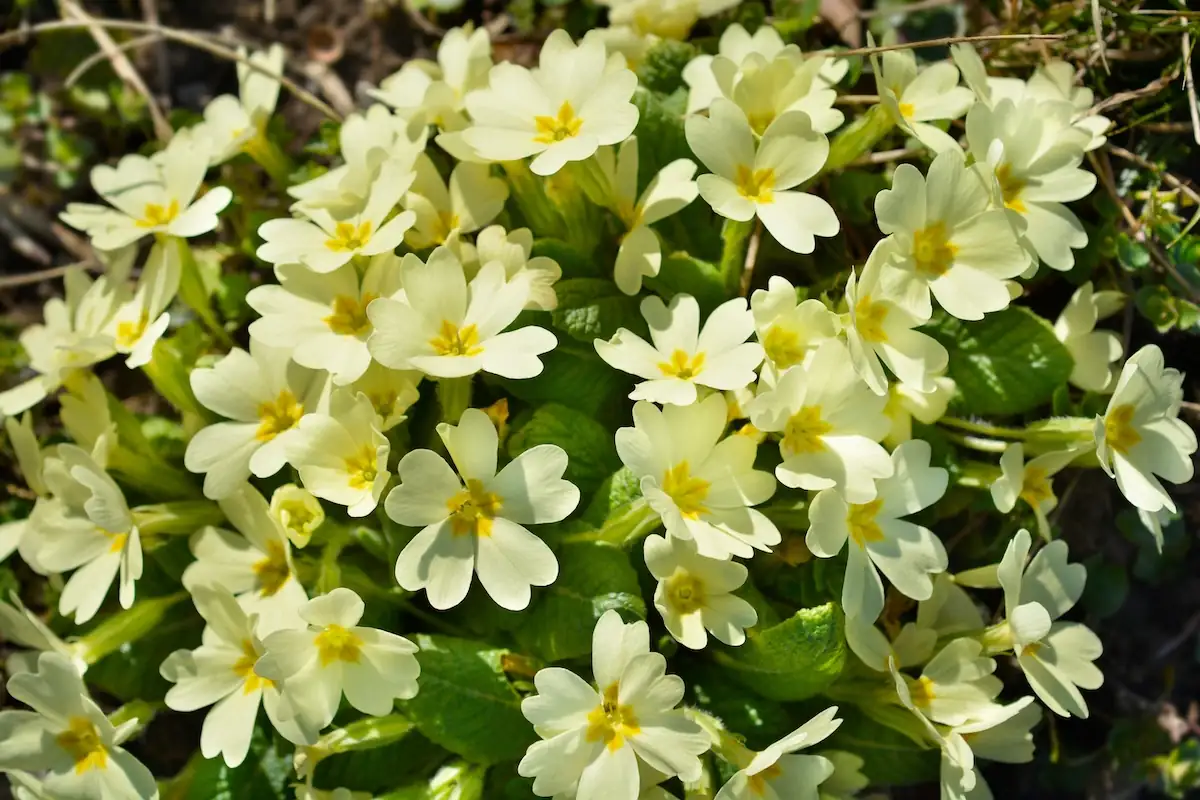
Think of primroses as your garden’s opening act: low, leafy rosettes that suddenly throw up a chorus of color just when winter finally loosens its grip. With a few smart moves—steady moisture, the right light at the right time, cool roots, and rich-but-draining soil—you can keep Primula flowers dazzling for weeks on end.
Here’s your actionable roadmap.
Meet Primula, the spring herald
- Botanical name: Primula spp. (Primrose)
- Family: Primulaceae
- Origin: Northern Hemisphere, especially temperate Asia, Europe, North America; many species in mountains
- Habit and size: Low clumps forming tidy rosettes; typically 15–30 cm (6–12 in) tall and 20–50 cm (8–20 in) wide
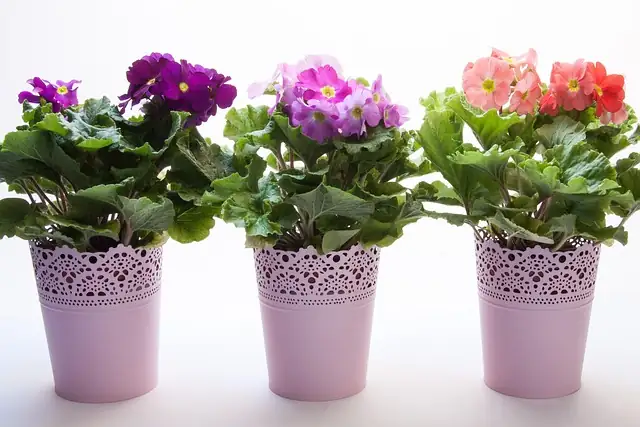
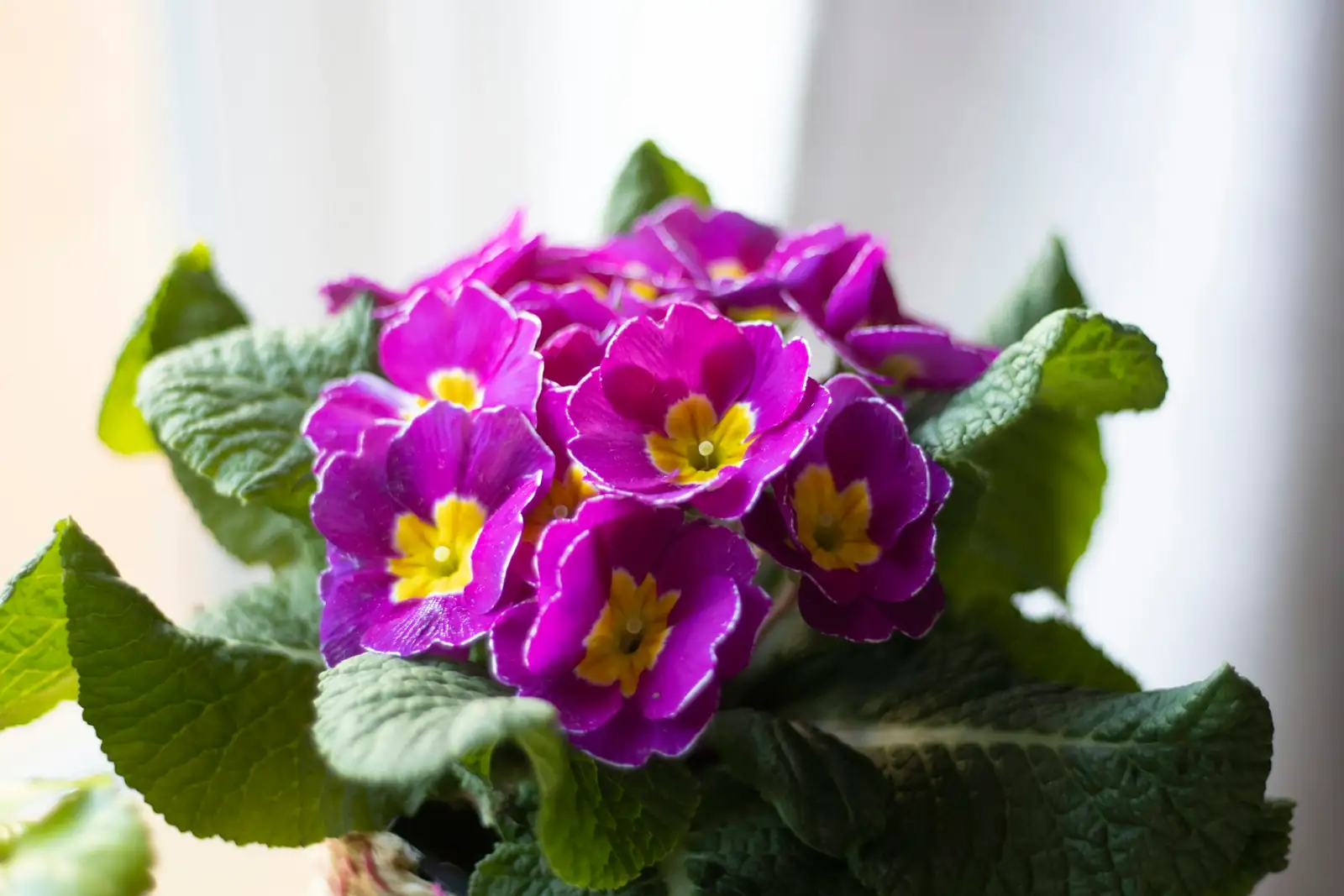
- Flowers: Umbel-like clusters in red, pink, orange, yellow, blue, purple, and white, usually with a sunny yellow “eye”
- Bloom window: Early spring (April–May) for several weeks
- Best settings: Woodland borders, under deciduous trees, rock gardens, containers, and bright, cool indoor spots while in bloom
Light, mapped by season and angle
Primroses love brightness without burn. The trick is shifting exposure as the sun angle and temperatures change.
- Spring (bloom season)
- Outdoors: Morning sun with dappled afternoon shade is ideal. East-facing beds or beneath leafing-out deciduous trees are perfect.
- Indoors: Bright, indirect light near an east or north window. A sheer on a south or west window works if heat is controlled.
- Summer (heat management)
- Outdoors: Partial to full shade. In cool-summer regions, they tolerate more light; in warm areas, protect from harsh midday sun.
- Indoors: Keep bright but diffuse; pull back from hot glass. Never tuck near heat sources.
- Fall
- Outdoors: As sun weakens, allow more morning light to build strength for next spring; keep afternoons filtered.
- Indoors: Bright, indirect light; short days are fine if temps are cool.
- Winter
- Outdoors (mild/cold regions): Low winter sun is kinder; many species are dormant or semi-dormant. Leave them in bright shade to morning sun.
- Indoors: Bright, indirect light in a cool room. Avoid dry, hot air.
Tip by climate:
- Cool/temperate climates (USDA 3–8): Morning to mid-day sun with afternoon shade is great.
- Warmer than Zone 9: Treat as cool-season color in bright shade; retire or relocate before real heat arrives.
The watering rhythm that keeps blooms coming
Primulas like their soil like a wrung-out sponge: consistently moist, never sodden.
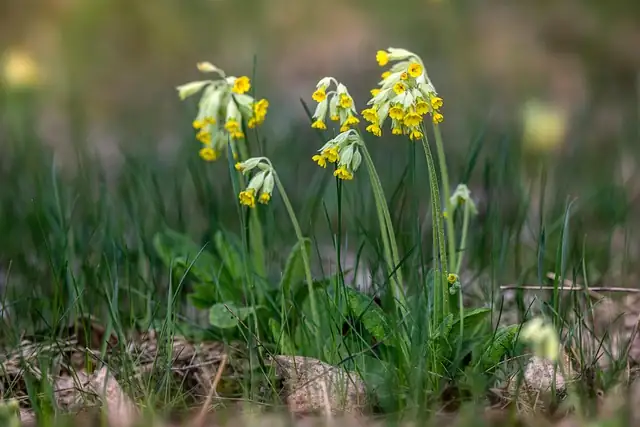
- Core rule: Water when the top 2.5 cm (1 in) feels dry. Do not allow the crown to sit wet.
- In-ground targets: About 2.5 cm (1 in) of water per week during dry spells. Use mulch to steady moisture.
- Containers: Check more often—small pots dry quickly. Water thoroughly, then drain completely. Empty saucers.
- Best timing: Morning, so leaves dry by nightfall and fungal risk drops.
- Techniques to prevent rot:
- Water the soil, not the rosette.
- Consider bottom-watering in containers, then drain.
- Elevate pots slightly to improve airflow and drainage.
Moisture cues:
- Cool, humid week: Check every 2–3 days.
- Warm, windy week: Check daily.
- Pot weight test: A light pot signals it’s time to water.
Soil recipe: moisture-retentive yet fast-draining
Primulas prefer rich, slightly acidic soil (pH 5.5–6.5) that holds moisture without waterlogging.
- Garden bed mix
- 2 parts loam or quality garden soil
- 2 parts leaf mold or compost
- 1 part fine bark or grit (perlite/pumice) for drainage
- Optional top-dress with leaf mold each fall
- Container mix
- 2 parts peat or coco coir
- 1 part fine bark
- 1 part perlite or pumice
- A small portion of compost for nutrients
- Use pots with generous drainage holes; clay helps keep roots cool.
Cool-temperature hacks for longer bloom
Primulas are happiest in cool air—think 10–15°C (50–60°F) at night and below 27°C (80°F) by day.
- Site wisely
- Outdoors: East-facing positions or beneath deciduous canopies keep days bright but cool.
- Indoors: The coolest bright room; away from heaters, electronics, or south/west windows that radiate heat.
- Evaporative cooling tricks
- Double-potting: Slip the nursery pot into a slightly larger cachepot lined with damp sphagnum. Re-wet moss to cool roots.
- Pebble tray: A wide tray with water and pebbles beneath the pot boosts humidity and gently cools via evaporation (keep the pot above waterline).
- Shade the container
- Use light-colored cachepots or shade the pot sides to prevent heat buildup.
- Group plants to create a cooler microclimate.
- Night moves
- On warm days, move container primulas to a cooler porch or near an open screened window at night for that 10–15°C (50–60°F) sweet spot.
- Heat waves
- Pause feeding and increase shade.
- Keep soil just moist; don’t chill the crown with ice or cold shocks. If using a cool pack, hold it against the outside of a cachepot briefly—never on roots.
Feeding for stamina, not sprinting
- During active growth and flowering: Half-strength liquid fertilizer every 2 weeks.
- Garden plants: A balanced fertilizer in spring and again in fall, plus compost top-dress, works well.
- Containers: Appreciate the regular, diluted feeding more than in-ground plants.
- Stop feeding in hot spells and during semi-dormancy.
Deadhead like a pro
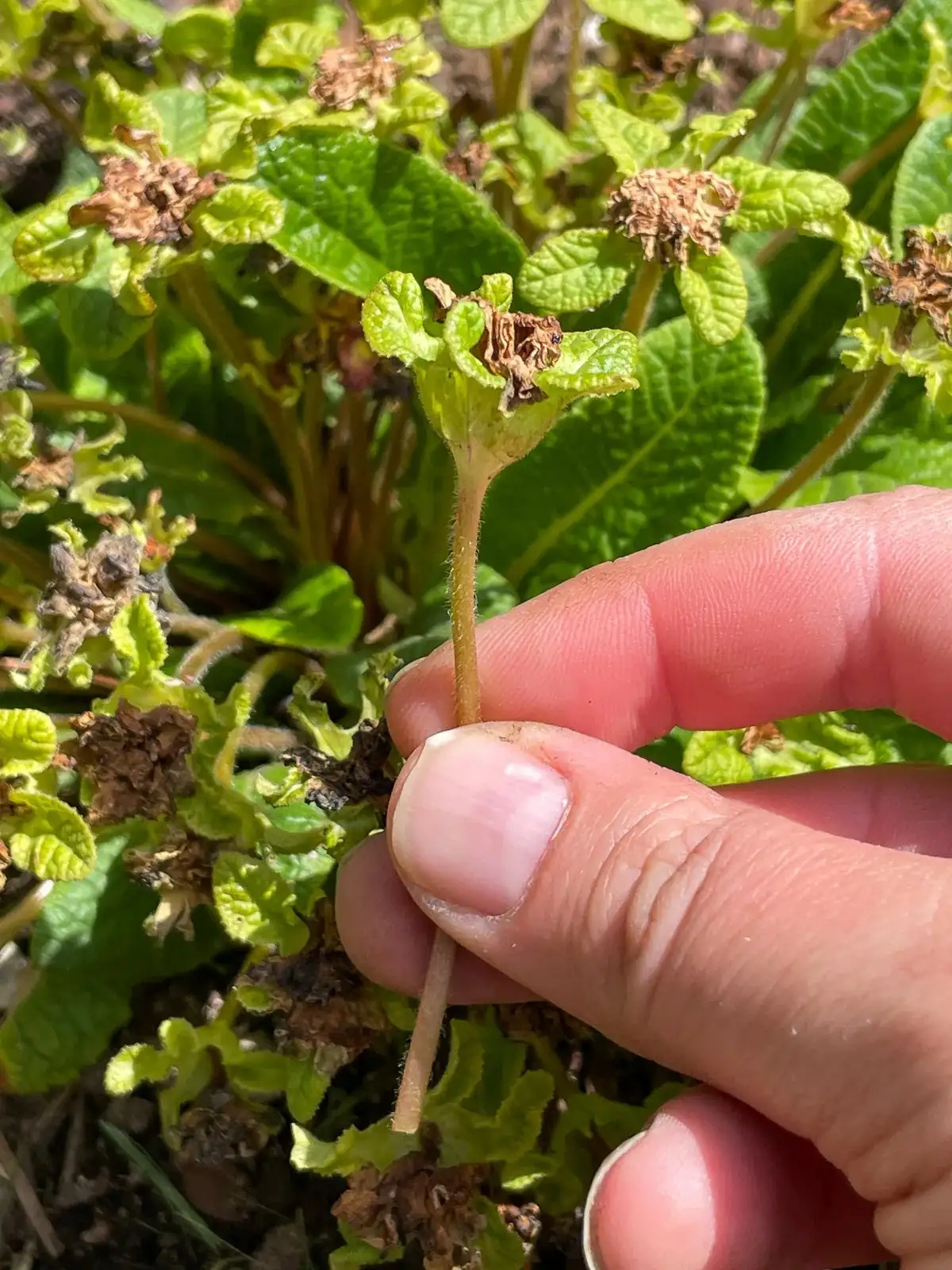
- Remove spent flowers promptly by snipping the entire flower stem at its base.
- Trim yellowing or damaged leaves to improve airflow and redirect energy to buds.
A simple seasonal game plan
- Spring (peak bloom): Keep evenly moist, deadhead frequently, feed lightly every 2 weeks.
- Summer: Shift to deeper shade and cool conditions; steady moisture; expect a slowdown or semi-dormancy in heat.
- Fall: Divide crowded clumps; refresh soil or top-dress with compost; apply a balanced feed.
- Winter: Mulch outdoors in cold regions. Indoors, keep bright, indirect light and a cool room; avoid hot, dry air.
Repotting and propagation
- Repot/divide containers annually to refresh mix and prevent crowding.
- Divide clumps in early spring or fall: Lift, tease apart rosettes with roots, and replant at original depth.
- From seed: Sow in late winter; germination can be slow and variable. Division is best for preserving cultivars.
Indoors, step-by-step setup
- Light: Bright, indirect (east/north windows are perfect).
- Temperature: Aim for 10–15°C (50–60°F) nights; the cooler the room, the longer the bloom.
- Humidity: Moderate to high—use a pebble tray rather than misting the crown.
- Watering: When the top 2.5 cm (1 in) is dry; water the soil line, not the rosette.
- After bloom: Move outdoors to a cool, shaded spot if climate allows, or keep cool and bright indoors as foliage maintains the plant.
Smart shopping and quick start
- Choose plants in bloom to confirm color and form.
- Look for compact rosettes with fresh, unspotted foliage; avoid sticky residue, webbing, or yellowing.
- Pot into a rich, airy mix and place in bright, cool conditions right away.
Troubleshooting at a glance
- Leaves yellowing
- Most common: Overwatering or poor drainage leading to root stress
- Also: Heat stress, or nutrient issues (often iron). Improve drainage first; then adjust feed.
- Flowering fizzles fast
- Too warm, too dry, or too little light. Cool the room, improve bright shade, water evenly, and deadhead.
- Gray fuzz on flowers/leaves (botrytis)
- Remove affected parts, increase airflow, water early, and avoid wetting foliage.
- Pests
- Aphids, mealybugs, whiteflies; spider mites in hot, dry air. Use a gentle shower, insecticidal soap, or horticultural oil as needed.
- Outdoors, slugs/snails may chew—use barriers or iron phosphate baits and hand-pick at dusk.
Safety note
Primroses are toxic to humans and pets (cats and dogs included). Sap may irritate sensitive skin. Wear gloves when dividing or deadheading; keep plants out of reach of children and animals, and wash hands after handling.
Design sparks
- Tuck primroses beneath deciduous trees for spring color before canopies fully leaf out.
- Pair with later-blooming shade partners—ferns, hostas, lungwort, foxglove, or irises—to hand off color through the season.
- Try moisture-loving species near water features; candelabra primroses can handle wetter ground.
- For cold-climate drama, drumstick primrose (Primula denticulata) shines even in very chilly regions.
Flower language: where the sentiment began
Primrose takes its name from “primus,” meaning “first,” a nod to its early-season debut. In Victorian floriography, primroses symbolized first love, youth, and the declaration “I can’t live without you.” It’s easy to see why: their sudden, hopeful flush of color reads like the year’s first love letter from the garden—brief, bright, and unforgettable.
Follow this rhythm—cool roots, steady moisture, gentle light, and tidy deadheading—and your Primula will return the favor with a long, luminous spring performance.


