

Think of Exacum affine—better known as Persian violet—as a miniature spring day in a pot. Keep its world bright but gentle, cool and fresh, evenly moist, and lightly fed, and it will shower you with violet-to-lavender, yellow-eyed blooms not just for weeks, but for months.
Here’s your lively, step-by-step strategy for extended flowering success.
Meet Exacum affine (Persian Violet)
- Origin: Native to Socotra Island (Yemen); now a beloved cool-season pot plant worldwide.
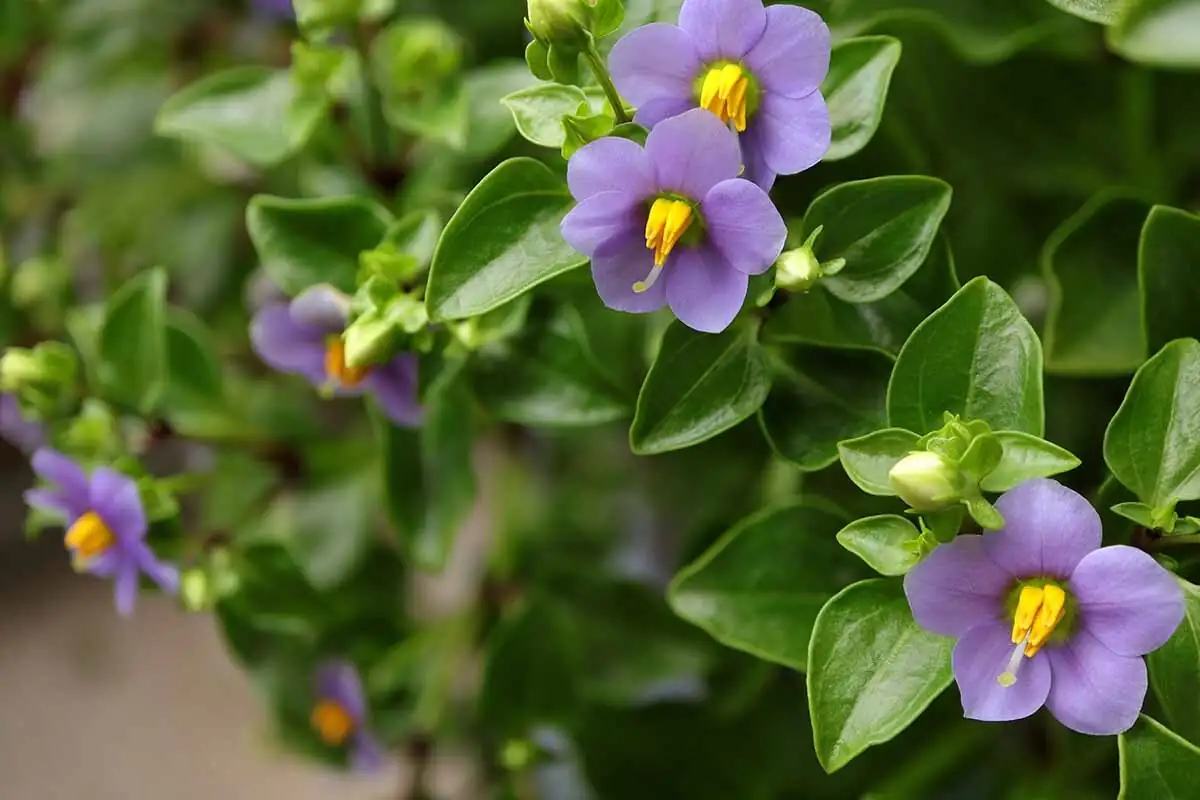
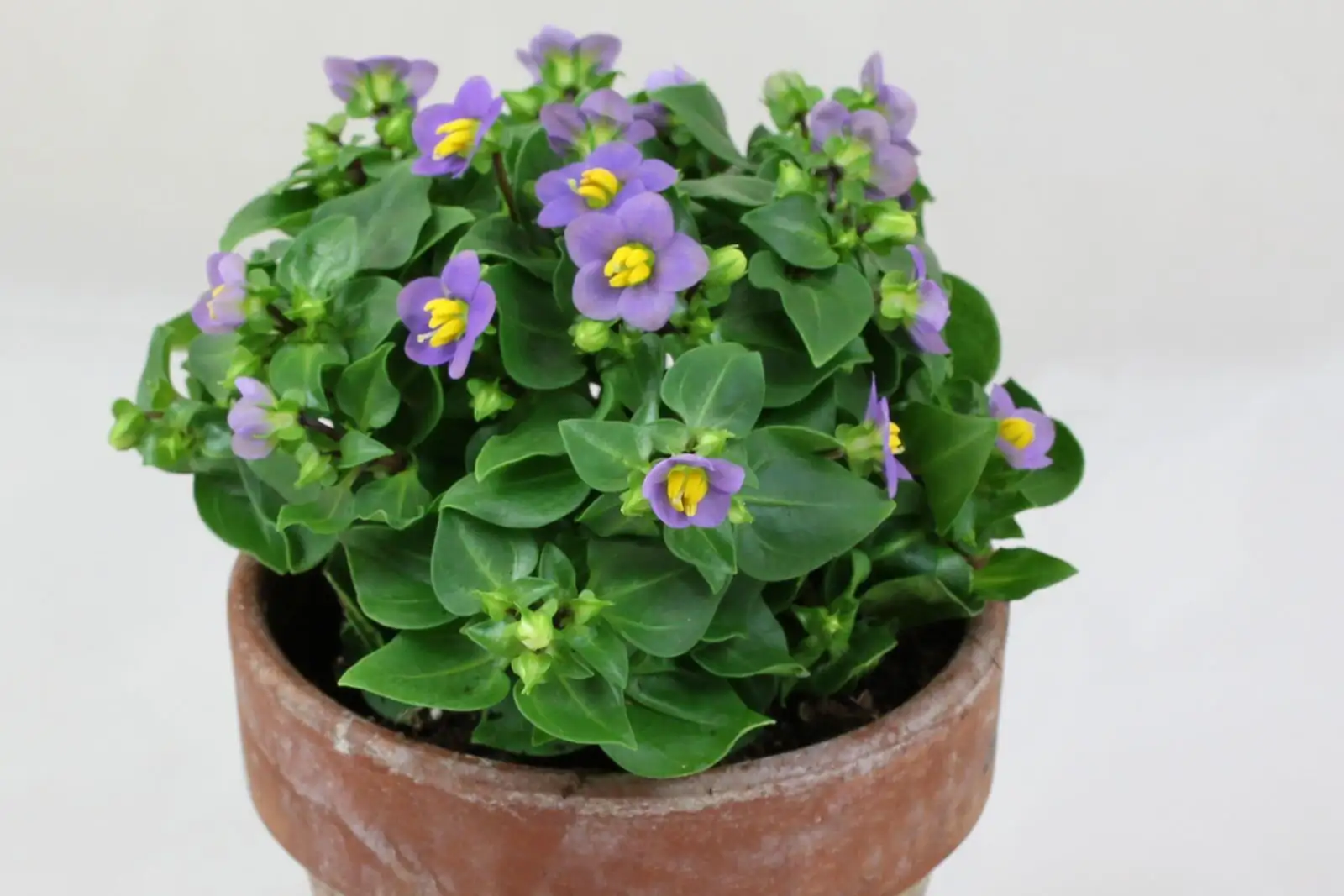
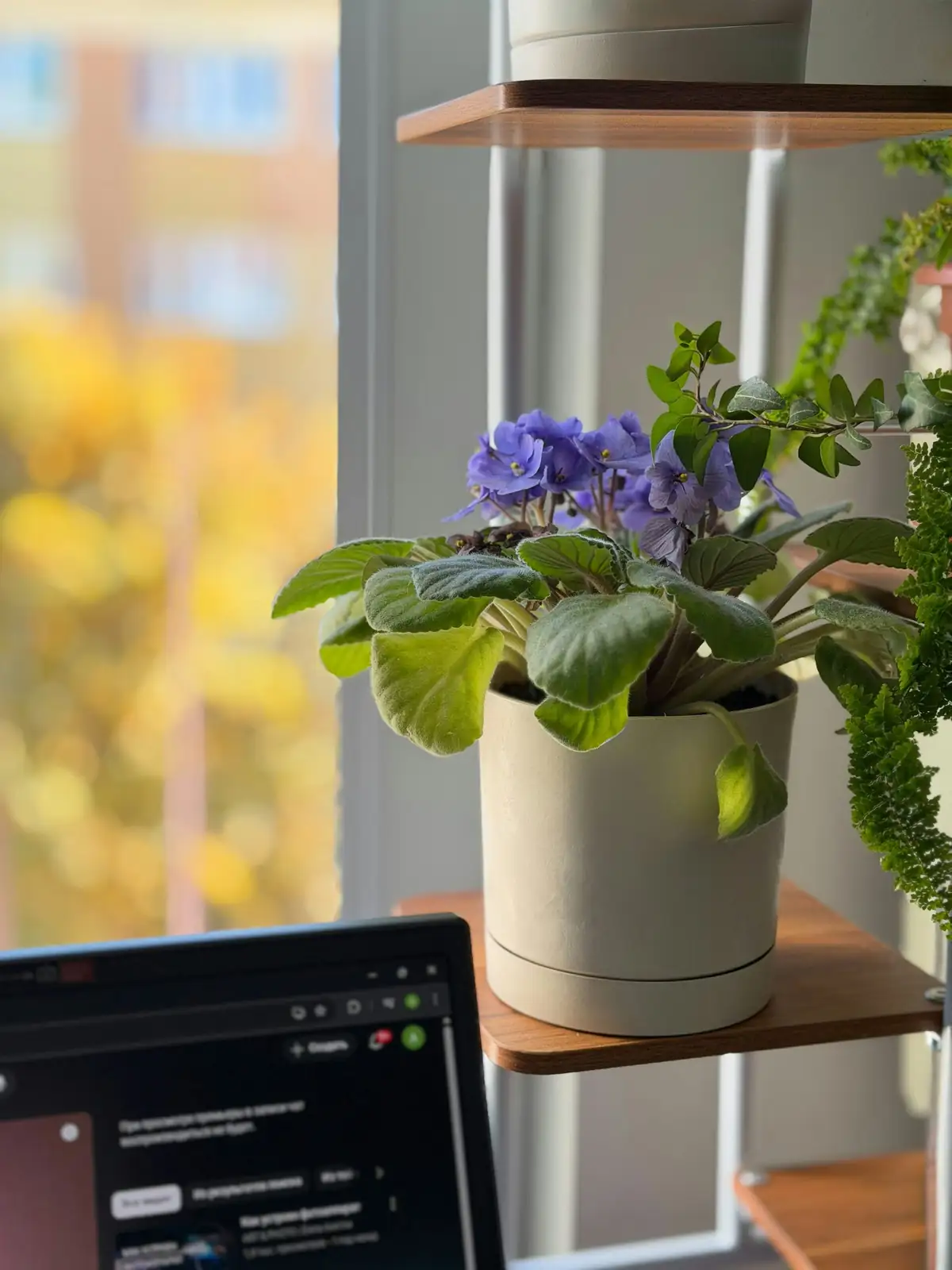
- Look: A neat, rounded mound of glossy, dark-green leaves topped with small, lightly fragrant flowers in violet to lavender, each with bright yellow centers.
- Size: Typically 15–30 cm tall and wide.
- Seasonality: Peak bloom late winter through spring; can continue for several months if kept cool and bright.
- Temperament: Tender perennial, usually treated as a short-lived indoor flowering plant.
The Month-Long Bloom Strategy
Step 1: Nail the light (bright, indirect)
- Aim for bright indirect light or gentle morning sun; strong midday rays stress the plant and shorten bloom.
- Best indoor spots: Close to an east- or bright north-facing window. Use a sheer curtain for south/west windows.
- Pro tip for dim rooms: A small LED grow light on a 12–14 hour schedule can keep buds coming—position so the light is bright but never hot on your hand.
What you’ll see when it’s right:
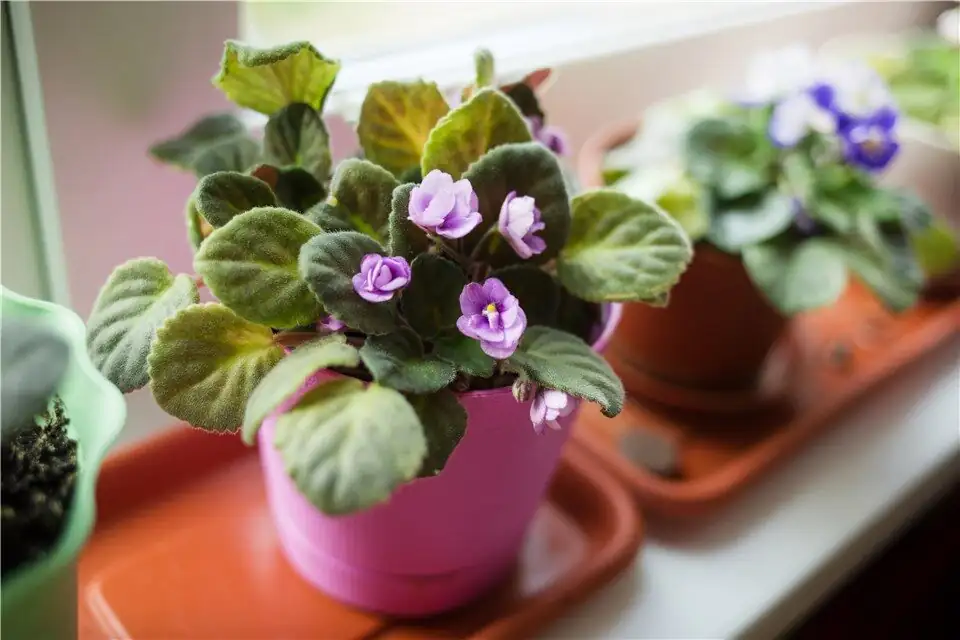
- Compact, glossy foliage and a steady parade of buds.
When it’s wrong:
- Too dark = leggy growth, sparse blooms.
- Too much direct sun = bleached, stressed leaves and short-lived flowers.
Step 2: Set the thermostat (15–21°C)
- Sweet spot: 15–21°C. Coolth is your secret weapon for long bloom.
- Keep away from heat vents, radiators, fireplaces, and hot west windows.
- Warm spells truncate the show; even brief heatwaves can end flowering early.
Step 3: Master even moisture (never soggy, never bone-dry)
- Goal: Consistently moist soil that feels like a wrung-out sponge.
- Water gently and thoroughly, then let excess drain away—never leave the pot sitting in water.
- Timing: Water as soon as the top surface just begins to lose its sheen but before the root ball dries. A dry root ball triggers rapid flower drop.
- Tools that help:
- A light, free-draining mix (see Step 5) prevents waterlogging.
- Use room-temperature water to avoid shock.
Red flags:
- Crispy blooms/bud drop = the plant dried out.
- Wilting despite moist soil = possible root rot from poor drainage.
Step 4: Lift the humidity (moderate to high)
- Target: 50–60% relative humidity, especially during heating season.
- Easy boosts:
- Pebble tray with water (pot perched above the waterline).
- A small humidifier near the plant.
- Grouping with other plants.
- Avoid wetting the flowers repeatedly; consistent ambient humidity is safer than heavy misting.
Step 5: Use the right soil and pot
- Mix: Light, fertile, and well-draining yet moisture-retentive.
- Try a blend such as: 50% high-quality potting mix + 30% coco coir or peat + 20% perlite or fine bark.
- Pot: Always with drainage holes. Slip the nursery pot into a cachepot for looks—repotting during bloom often causes bud drop.
Step 6: Gentle feeding for stamina
- Feed every 2–3 weeks through flowering with a diluted balanced liquid fertilizer.
- Keep it gentle—think half-strength. Flush the pot with plain water monthly to avoid salt buildup.
Step 7: Groom for nonstop color
- Deadhead: Pinch or snip spent blooms regularly to cue more flowers.
- Tidy: Remove yellowing leaves and wipe dust from foliage to keep photosynthesis humming.
- Rotate the pot weekly for even, compact growth.
Step 8: Buy smart, settle in softly
- Choose plants with:
- Lots of unopened buds (longer display ahead)
- Firm, glossy leaves
- No wilting, stretching, or yellowing
- After you bring it home:
- Park it in bright, indirect light and leave it in that stable spot.
- Don’t repot while in bloom.
Step 9: Troubleshooting at a glance
- Buds dropping soon after purchase:
- Normal stress. Stabilize light, keep evenly moist, raise humidity.
- Flowers fading fast:
- Too warm, too dark, or too much direct sun. Adjust to bright indirect light and cooler temps.
- Wilting but soil is moist:
- Check drainage and roots; waterlogged mix leads to root rot.
- Tiny webs, speckles, or sticky leaves:
- Spider mites or aphids. Rinse foliage gently, then treat with insecticidal soap or horticultural oil. Improve humidity and airflow.
- Little flies near the soil:
- Fungus gnats. Let the topmost layer of mix dry slightly between waterings, use yellow sticky traps, and improve drainage.
A Simple Seasonal Game Plan
- Late winter–spring (prime time):
- Keep at 15–21°C, bright indirect light, and even moisture. Feed every 2–3 weeks. Deadhead.
- Early summer (heat creeps in):
- Move to your coolest bright spot with gentle light. Expect fewer flowers if temperatures rise—heat and dry air are the main bloom-killers.
- Autumn–winter:
- Many growers start new plants from seed for the next cool-season show. Indoors, reliable rebloom is difficult.
Indoors vs. Outdoors
- Indoors: Best performance, brightest indirect light, stable cool temps.
- Outdoors (mild, frost-free climates only):
- Place in bright shade or gentle morning sun, sheltered from midday rays and wind. Bring indoors or protect if temperatures dip.
Safety, Pests, and Peace of Mind
- Toxicity: Not known to be toxic to humans or pets.
- Common pests indoors: Aphids, spider mites, and fungus gnats. Keep the plant clean, check weekly, and act early.
Quick Profile: What Makes It So Recognizable?
- A dense cushion of glossy leaves, topped with masses of five-petaled violet-to-lavender blooms.
- Bright yellow anthers create a cheery “eye” at the center of each flower.
- Lightly fragrant, especially in cooler rooms.
Symbolism, History, and Why It Became a Gift Plant
- Symbolism: Often linked with calmness, delicacy, and refined beauty—a pocket-sized “breath of spring.” Its soothing hues and gentle fragrance likely inspired these modern associations rather than any single ancient tale.
- History: Introduced to European horticulture in the 19th century. Its tidy size and generous cool-season bloom made it a classic late-winter to spring gift plant—perfect for brightening windowsills when the world outside is still gray.
FAQs
- Is Persian violet an annual or a perennial?
- Botanically a tender perennial, but usually grown as a short-lived houseplant and replaced after flowering.
- Why does it decline after flowering?
- Heat and dry air sap its vigor. It’s notoriously tough to rebloom well indoors as temperatures rise.
- Can I grow it outdoors?
- Only where conditions are mild and frost-free, and usually in bright shade or gentle light.
The Takeaway Blueprint
- Light: Bright indirect or soft morning sun.
- Temperature: 15–21°C for a long, steady bloom.
- Water: Evenly moist—never soggy, never bone-dry.
- Humidity: Moderate to high.
- Feeding: Diluted, balanced fertilizer every 2–3 weeks while in bloom.
- Grooming: Deadhead diligently; keep leaves clean.
- Expect brilliance for months when kept cool and consistent—your living bouquet of spring.