

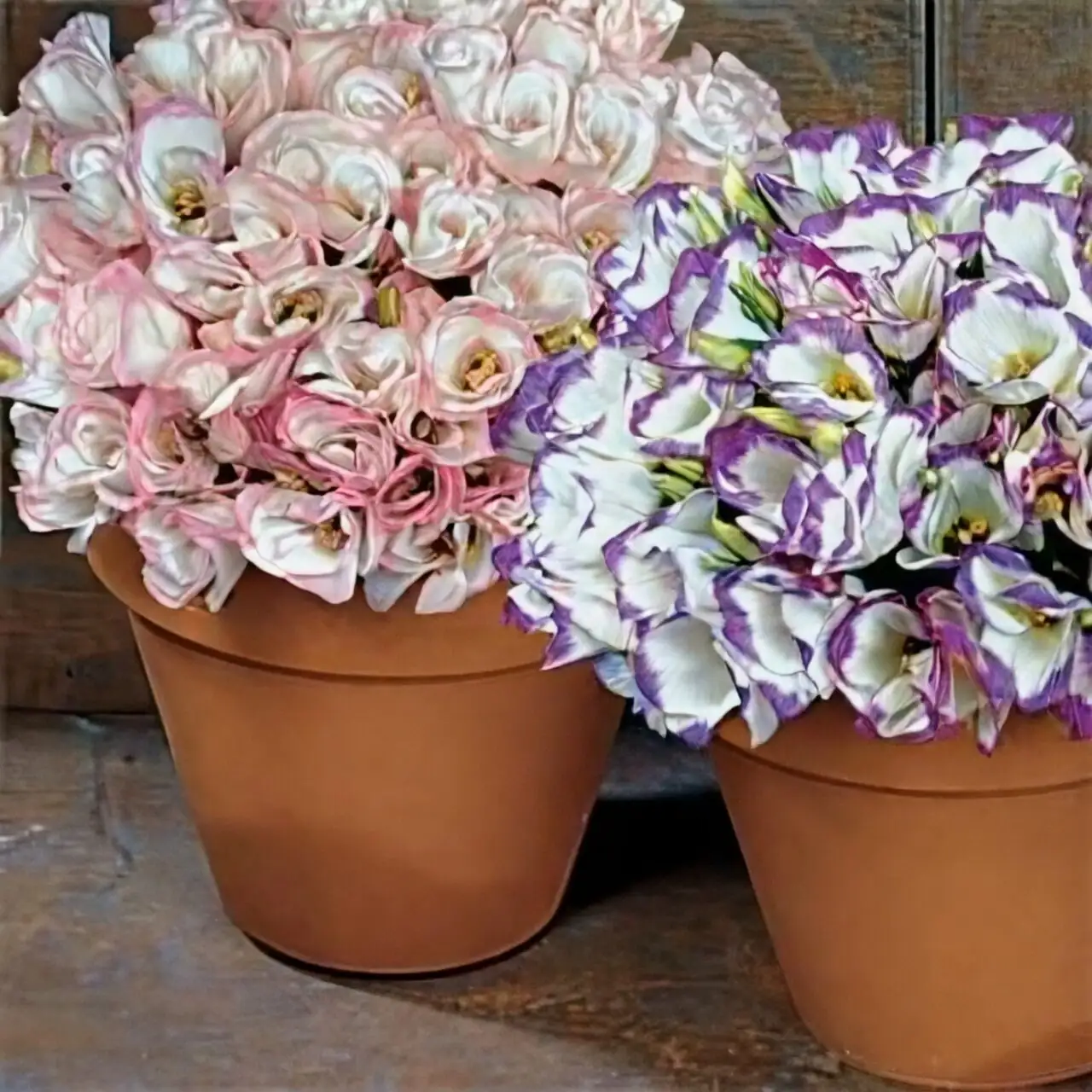
That bright, perfectly rounded cushion of daisies that pops up just when the weather still calls for scarves? That’s Pericallis × hybrida—florist’s cineraria—at its best. To keep it compact, jewel-toned, and blooming for weeks instead of days, think like a cool-season coach: give it brilliant light, crisp air, steady moisture, and keep it far from heat.
Below is your practical, proven playbook.
The winning formula: bright + cool + even moisture + fresh air
- Bright light (never harsh midday scorch)
- Cool temperatures (ideally 10–15°C / 50–59°F)
- Consistent, even moisture (never swampy or bone-dry)
- Gentle airflow (but no chilling drafts)
- Placement away from heat sources
Master those five, and your plant stays tight, tidy, and long-blooming.
Light: intensity and placement that prevent stretch
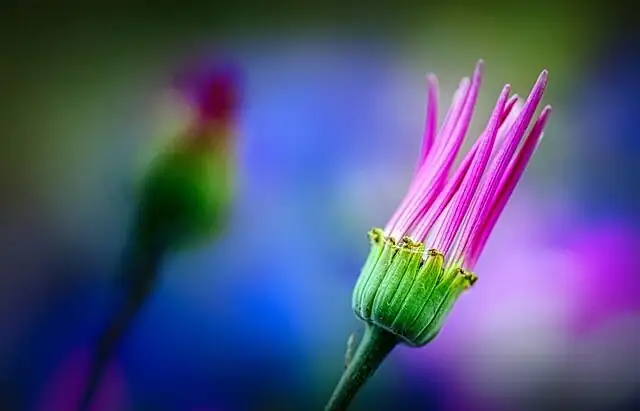
Florist’s cineraria loves light but hates heat.
- Target intensity:
- Indoors: very bright indirect light; short morning sun is great.
- If you meter, aim for roughly 8,000–15,000 lux (800–1,500 foot-candles) for most of the day.
- Best window choices:
- East window: excellent all season.
- South window in winter: good with sheer curtain or set slightly back from glass.
- Avoid harsh midday sun that can curl or scorch leaves and shorten bloom.
- Outdoors in cool weather:
- Morning sun with afternoon shade; keep out of hot, reflective exposures.
- Tip to keep symmetry:
- Rotate the pot a quarter turn every few days if it’s displayed away from the window.
What you’ll see when light is right: foliage stays stout and deep green; the dome remains compact; flower stems don’t “reach.”
Watering rhythm: steady, clean, and saucer-free
These plants want a consistently moist root zone that still breathes.
- The rhythm:
- Water thoroughly when the top 1–2 cm (about ½ in) of mix feels barely dry.
- Typical indoor pace during bloom: about twice per week, then adjust for your room’s light and temperature.
- The method:
- Water the soil, not the flowers. Splashing blooms encourages gray mold (Botrytis).
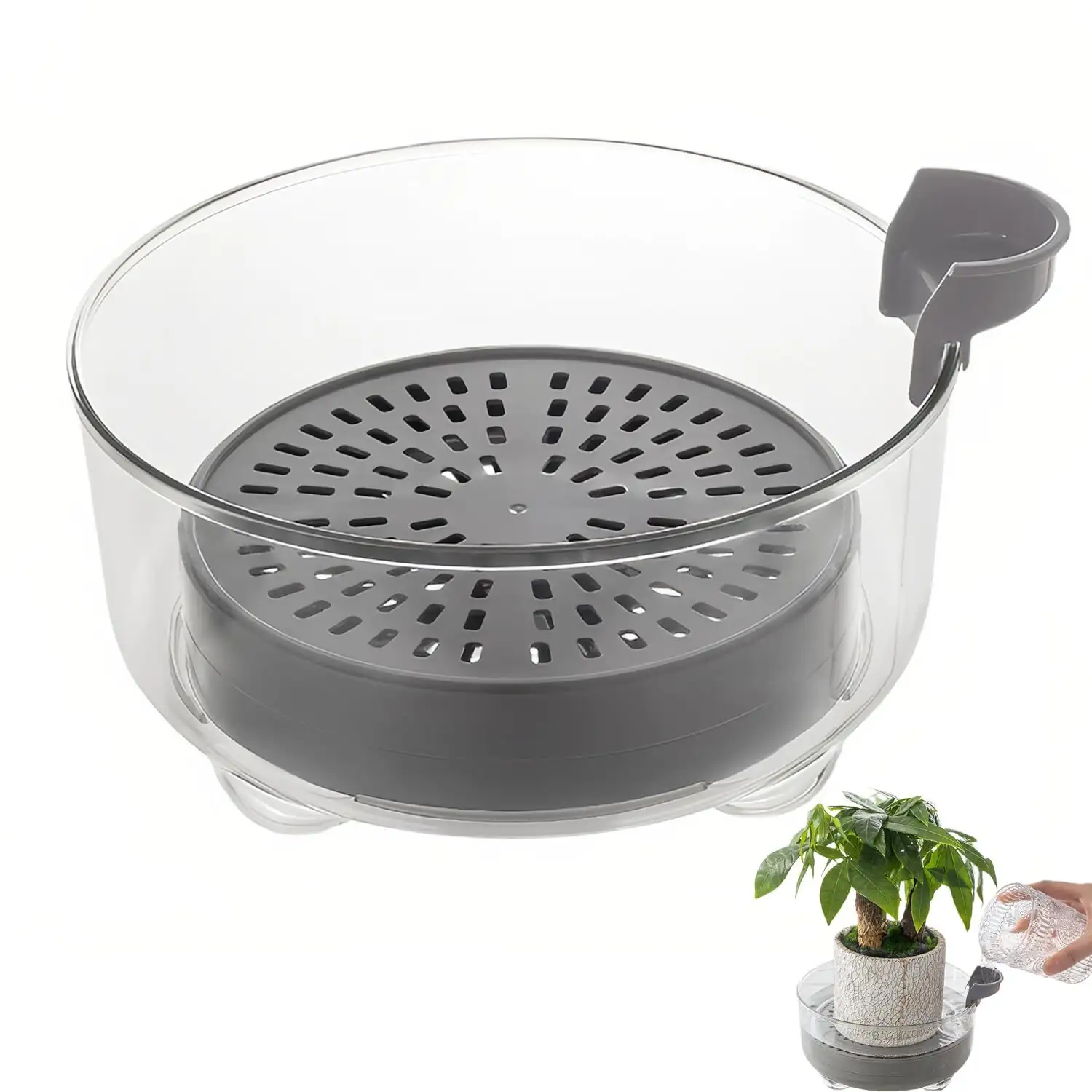
- Bottom-watering works well: set the pot in a tray of water, let it wick up, then drain.
- Always empty the saucer—never let roots sit in water (root rot risk).
- Watchpoints:
- Underwatering = quick wilting and a shortened display.
- Overwatering = soft, sappy growth, yellowing, and disease invites.
Temperature targets: cool air is the life extender
Heat is the enemy of compactness and longevity.
- Sweet spot:
- 10–15°C (50–59°F) for the tightest growth and longest bloom.
- Acceptable range:
- 5–21°C (41–70°F). Avoid sustained days above 20°C (68°F).
- Protection:
- Keep from frost and near-freezing drafts that can blemish leaves and flowers.
- A simple check:
- If the room feels warm to you, it’s too warm for cineraria’s best performance.
Airflow: fresh, gentle, and consistent
Good ventilation keeps mildew and gray mold at bay and helps plants stay compact.
- Provide:
- A cracked window in cool weather or an oscillating fan on low across the room.
- Avoid:
- Stagnant, humid corners; direct cold blasts; and blowing air straight onto blooms.
- Space:
- Give 10–15 cm (4–6 in) of open air around the plant so foliage dries promptly.
Placement: away from heat sources (really—this matters)
- Keep clear of radiators, heater vents, fireplaces, hot kitchens, and electronics that radiate warmth.
- Don’t park it on sun-baked west sills.
- A cool, bright room or sheltered, cool balcony/patio is ideal.
Potting mix and container
- Use a fertile, loose, well-draining potting mix.
- Try an all-purpose mix improved with a bit of compost/leaf mold and perlite or sand for extra aeration.
- Container:
- Pots with drainage holes are non-negotiable.
- Avoid oversized pots (they stay wet too long).
- Repotting:
- Only if truly rootbound. Many people enjoy it as a seasonal plant and replace after bloom.
Feeding: light and strategic
- During growth and flowering:
- Light, regular feeding every 2 weeks with a diluted, balanced liquid fertilizer.
- When buds form, 1–2 feeds of a bloom-leaning formula (e.g., 15-15-30) can support flowering.
- Avoid excess nitrogen (it softens growth and invites disease).
- Stop feeding as flowering winds down.
Grooming for a longer, cleaner show
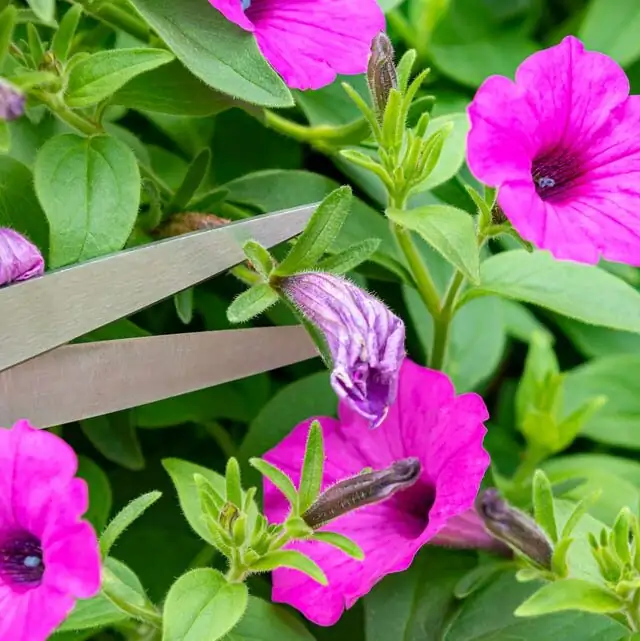
- Deadhead promptly:
- Snip spent blooms and any soggy petals to reduce mold and keep the dome pristine.
- Second act (sometimes):
- After the main flush, cut stems back to about 10–15 cm (4–6 in).
- Keep it cool, bright, and evenly moist; a smaller second bloom may follow.
Compactness checklist (when you see stretch)
- Stems elongating? Leaves getting thinner?
- Move to a brighter spot immediately.
- Drop the temperature toward 10–15°C (50–59°F).
- Improve airflow and check that soil is moist but not soggy.
- Rotate the plant to balance light exposure.
A four-week care playbook for a gift-ready plant
- Week 1: Acclimate
- Place in very bright, cool spot; check moisture daily; avoid heat sources; begin gentle airflow.
- Week 2: Clean and steady
- Deadhead fading blooms; water evenly; quick pest scan (especially aphids).
- Week 3: Support showtime
- Maintain cool temps; one light feed if growing strongly; continue rotation and airflow.
- Week 4: Extend the finale
- Keep deadheading; avoid warm spells; consider a second light bloom feed if buds are still developing.
Common problems and quick fixes
- Leggy, loose growth:
- Cause: heat + insufficient light. Move to brighter, cooler conditions.
- Sudden wilting:
- Often underwatering or a hot, sunny spell. Rehydrate thoroughly; move to cooler, bright light.
- Yellowing base leaves, sour smell:
- Overwatering/root rot risk. Improve drainage, allow the surface to dry slightly before watering, and empty saucers.
- Fuzzy gray patches on petals:
- Gray mold (Botrytis). Remove affected parts, increase airflow, avoid wetting blooms.
- White powder on leaves:
- Powdery mildew. Thin nearby foliage for air movement, avoid overhead splash, consider an appropriate fungicide if persistent.
- Buds stall or drop:
- Usually warm temps, low light, or uneven watering. Correct all three.
Pests to watch
- Aphids are common in spring; whiteflies and spider mites can appear in warm, dry rooms.
- Rinse pests off gently (avoid dousing flowers), or use insecticidal soap on foliage; repeat as needed.
- Improve airflow and avoid heat to reduce outbreaks.
Safety note
Guidance on toxicity varies for plants historically sold under “cineraria.” Best practice: avoid ingestion, keep out of reach of pets and children, and wash hands after handling.
For growers: starting from seed (next season)
- Sow indoors in late summer to autumn (often August–October).
- Surface-sow (do not cover), keep evenly moist (bottom-watering helps), and maintain 21–24°C (70–75°F) for 1–2 weeks to germinate.
- Pot on at 3–4 true leaves; plants usually flower 3–5 months from sowing.
- Note: named hybrids don’t come true from seed; most people replace finished plants.
Flower language and meaning
Often linked with lasting joy and bright, enduring cheer, florist’s cineraria earned its symbolism not from ancient lore but from lived experience: it brings intense color exactly when late winter feels longest. Kept cool and bright, it holds its poise for weeks—an emblem of steady optimism and resilience when days are still short and cold.
Snapshot traits (to set expectations)
- Size: typically 20–45 cm (8–18 in) tall and wide
- Habit: compact, mounded, short-lived seasonal pot plant
- Season: winter to spring (sometimes into early summer with cool conditions)
- Heritage: garden hybrid derived largely from Canary Islands species
Nail the cool-and-bright routine, and your Pericallis × hybrida will stay compact, intensely colored, and wonderfully long-lasting—just the burst of winter-to-spring joy it was bred to be.