


Breathe in: that unmistakable, honeyed perfume drifting from a tuft of velvety purple blooms? Sweet violet (Viola odorata) is the one doing the whispering. This classic woodland perennial is tiny but spirited—heart-shaped leaves, early blooms, and runners that knit into a gentle, fragrant carpet. Give it cool dappled light, moisture that never quite runs out, and a loose, humus-rich soil, and it will reward you with one of the garden’s first “hellos” of the year.
Here’s your season-by-season blueprint to keep it blooming hard in late winter and spring—and calm it through summer’s sulks.
Quick ID and best placement
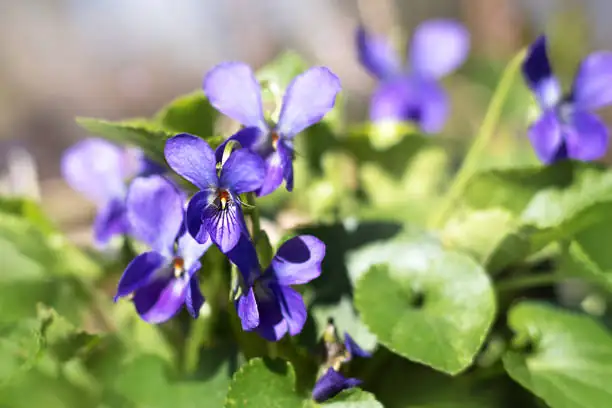
- Botanical profile: Viola odorata (Violaceae), also known as Sweet Violet, Common/English/Florist’s/Garden/Wood Violet
- Habit and size: Low, herbaceous perennial, about 15 cm (6 in) tall; spreads gently via stolons
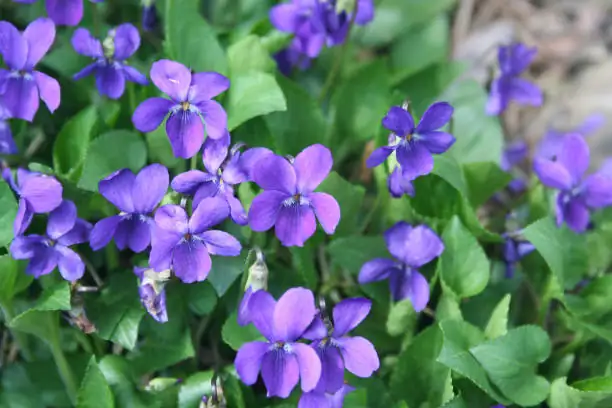
- Leaves: Rounded to broadly heart-shaped with softly scalloped edges
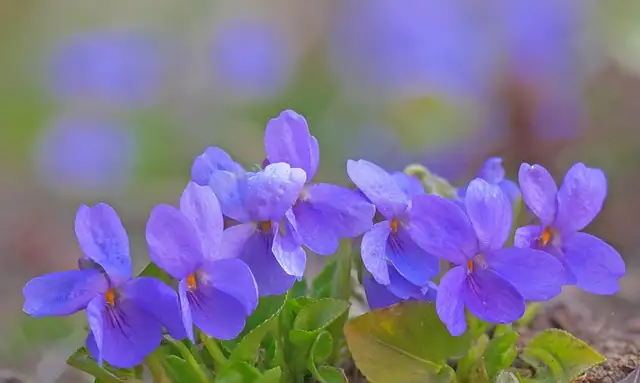
- Flowers: Deeply fragrant, usually purple, 1.5–2 cm long, with a spurred lower petal; late winter through spring (often Feb–Apr)
- Native range: Europe, North Africa, Western Asia
- Hardiness: Cold hardy, generally reliable in USDA Zones 5–9
- Where it shines: Dappled/filtered shade—woodland gardens, under shrubs, shaded border edges, rock gardens, and cool containers
Light: the “moving shade” recipe
- Aim for woodland light: dappled shade or bright, filtered sun.
- In warm regions: morning sun with afternoon shade is ideal.
- In cool climates: it can take more light, but avoid baking midday/afternoon sun.
Tip: Under deciduous shrubs, violets get bright light in late winter (before leaf-out) to set buds, then summer shade when canopies fill in—perfect.
Soil: soft, springy, and breathable
Think “moist, well-drained sandy loam”—fertile, loose, and able to hold consistent moisture without staying wet.
- In-ground mix (for planting holes and topdressing):
- 2 parts loam or finished compost
- 1 part leaf mold or coconut coir
- 1 part sharp sand or fine grit
- Container mix (refresh every 2–3 years):
- 40% high-quality compost
- 30% coir or peat
- 20% fine bark
- 10% perlite plus a handful of horticultural sand for extra drainage
Work in organic matter annually. Good drainage prevents root rot; moisture retention sustains bloom.
Watering: the moisture rhythm
- General rule: Keep evenly moist—never parched, never sodden.
- Spring/flowering: Water when the top 1–2 cm (½ in) of soil begins to dry; then water thoroughly.
- After establishment: A gentle “slightly dry between waterings” rhythm is fine in cool weather.
- Seedlings and new divisions: More consistently moist early on (no drying out).
- Always try to water at the soil line to keep foliage dry and discourage disease.

Container cue: Lift the pot—water when it feels noticeably lighter and the top is just drying.
Feeding: light and regular wins
- Base feed: Mix compost into soil in early spring.
- During active growth (late winter–spring): Use a balanced, mild fertilizer (e.g., diluted liquid feed) every 7–10 days if you want lush growth and more blooms; otherwise, a light monthly feed is enough.
- After germination: Begin with a mild balanced feed about 2 weeks in (or 1 week after transplanting).
- Pause or reduce feeding in peak summer heat to avoid soft, disease-prone growth.
The season-by-season care plan
Late winter to early spring (Feb–Apr): maximum bloom time
- Light: Let morning sun or high, bright shade reach the plants—this fuels flowering.
- Water: Keep soil consistently moist; don’t allow dry spells.
- Feed: Light, regular liquid feeding every 7–10 days for peak performance.
- Deadhead: Remove spent blooms to encourage more flowers.
- Groom: Trim winter-tatty leaves as new growth surges.
- Containers: Protect from fierce, drying winds; keep evenly moist.
Pro move for early bloom in containers: Park pots in a sheltered, bright-cool spot (porch, cold frame) so buds open earlier while staying cool and hydrated.
Late spring to early summer: glide path into heat
- Shade shift: As days warm, ensure dappled afternoon shade.
- Mulch: 2–3 cm (about 1 in) of leaf mold or fine bark keeps roots cool and moisture steady.
- Water: Deep, less frequent waterings that fully soak the root zone.
- Tidy: Lightly shear lanky runners if you want neater clumps (or let them wander for a natural carpet).
- Division: Early summer is still workable in cool climates, but fall is often kinder.
Summer (heat season): prevent the “violet sulks”
Sweet violets prefer cool to mild conditions and often sulk in hot summers. Your strategy: shade, cool roots, and steady moisture.
- Shade: Bright shade or dappled light only. Use 30–40% shade cloth if needed.
- Microclimate: East or north exposures; tuck under shrubs or beside stones that buffer heat.
- Water: Early-morning deep soaks; never let pots bone-dry. In heat waves, check daily.
- Pots: Use clay containers (they “breathe” and keep roots cooler). Move to the coolest bright shade.
- Mulch: Renew lightly to moderate soil temps; keep mulch off crowns to prevent rot.
- Airflow: Space plants for breezes to deter powdery mildew.
- Feeding: Hold off on high-nitrogen feeds; growth spurred by heat + fertilizer is weak.
- Recovery prune: If plants flag, a gentle trim and a week of pampering moisture/shade help them rebound.
Fall: refresh and reset for next year’s bloom
- Divide and replant: Lift congested clumps; replant vigorous fans 10–15 cm (4–6 in) apart. Peg down stolons to root, then sever to create new starts.
- Soil recharge: Blend in compost and a touch of sand for drainage; topdress lightly.
- Water: Keep evenly moist during autumn rooting.
- Sowing: Sweet violet seeds take well to cool fall sowing; keep media lightly moist.
- Tidy: Trim weak or tattered growth, deadhead, and rein in runners if you prefer a tidy patch.
Winter: hardy, low fuss
- In-ground: Generally hardy; a light mulch cushions freeze–thaw cycles.
- Containers: Keep outside in Zones 5–9 but shelter from punishing wind. Water sparingly during cold spells—don’t let root balls desiccate.
- Bud protection: In severe cold snaps, a frost cloth at night helps protect swelling buds.
Planting and spacing
- Timing: Plant in fall or early spring for strongest establishment.
- Spacing: 10–15 cm (4–6 in) apart for a low, scented ground cover.
- Depth: Plant at the same depth as in the pot; keep crowns at soil level.
Pruning and grooming
- Deadhead through bloom to keep flowers coming.
- Lightly shear after main spring flush to neaten and encourage fresh foliage.
- Late fall: Trim weak growth; tidy runners (or let them roam for that cottagey look).
Propagation: easy and satisfying
- Stolons: Peg a runner to the soil; once rooted, cut and transplant.
- Division: Lift clumps in fall or early spring; tease apart and replant.
- Seed: Sow in spring or fall; keep evenly moist and cool. Begin mild feeding about 2 weeks after germination or 1 week post-transplant.
Pests, diseases, and simple fixes
- Usual suspects: Aphids, red spider mites (esp. in hot/dry), slugs/snails. Also violet gall midge, leaf spots, and powdery mildew.
- Prevention:
- Water at soil level; avoid soggy conditions.
- Maintain airflow; avoid overcrowding.
- Clean up old foliage.
- Controls:
- Aphids: Pinch/wash off with targeted spray at soil line; follow with insecticidal soap if needed.
- Mites: Increase humidity around (not on) foliage; use horticultural oil/soap; cool the microclimate.
- Slugs/snails: Hand-pick, use barriers (copper tape), iron phosphate baits.
- Mildew/leaf spots: Improve airflow, keep leaves dry, remove affected foliage.
Containers vs. in-ground: dialing the details
- Containers:
- Use a moisture-retentive, well-drained mix.
- Clay pots help keep roots cool.
- Water more frequently than in-ground plants.
- Refresh mix and divide every 2–3 years (spring or fall).
- In-ground:
- Choose dappled sites under shrubs or open-canopy trees.
- Annual topdressing with compost/leaf mold is your friend.
- Mulch lightly; don’t bury crowns.
Buying guide
- Choose plants with fresh, vibrant green leaves—no spots, mildew, or pests.
- Look for a well-filled pot with healthy, white roots (not waterlogged or sour-smelling).
Edibility and safety
- Culinary note: Flowers (and sometimes young leaves) are used as edible garnishes, teas, and syrups.
- Important caution: Seeds and rhizomes are toxic and can cause serious symptoms if ingested. Keep away from children and pets, and avoid consuming seeds/rhizomes.
Flower language and meaning
Sweet violet has long symbolized modesty and humility—its blooms sit low, fragrance generous but unshowy. In European lore, it speaks of faithfulness and quiet devotion; the Victorians cemented this in the “language of flowers,” while Napoleon’s fondness for violets helped tie the plant to steadfast romance and remembrance. Read as a whole, the symbolism mirrors the plant: small stature, early to appear, enduring through cold, and rewarding those who pay gentle attention.
Quick companion ideas
- Tuck among spring bulbs (tulips, daffodils) to perfume and fill gaps as bulb foliage fades.
- Pair with other cool-lovers at the edge of shade: primroses, hellebores, pulmonarias.
The one-page playbook
- Light: Dappled/filtered shade; morning sun, afternoon shade in warm zones.
- Soil: Fertile, loose, moisture-retentive but well-drained; sandy loam ideal.
- Water: Keep evenly moist; water when the top just begins to dry; avoid soggy.
- Feed: Lightly in active growth; optional liquid feed every 7–10 days for floriferous displays.
- Summer survival: Deep shade, cool roots (mulch), early-morning soaks, good airflow, go easy on fertilizer.
- Bloom boost: Keep plants cool and moist in late winter; deadhead; give bright, gentle light.
Treat Viola odorata as a cool-season charmer that adores dappled woodland light and steady moisture. With a little summer kindness and a springtime nudge, it will return each year with fragrance that turns the garden’s first pages of spring.


