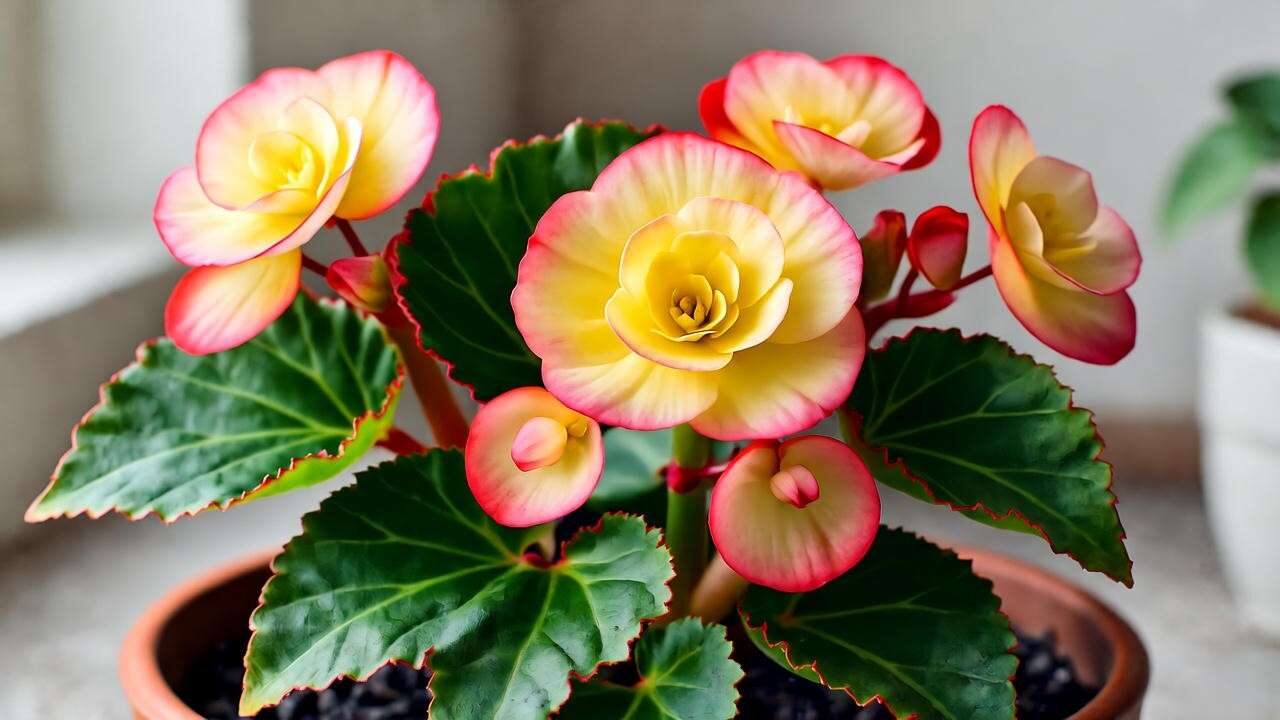
Rieger begonia is the little fireworks factory of winter—compact, flower-packed, and perfectly at home on a bright windowsill. If you’ve ever wished for long, rosy blooms when most houseplants are napping, Begonia × hiemalis (Elatior Group) delivers. The secret to keeping it gorgeous? Bright filtered light, even moisture (never soggy), cool–warm comfort, and a steady breath of fresh air.
Meet your plant at a glance
- Name: Begonia × hiemalis (Elatior Group) — often sold as “Rieger Begonia,” “Elatior Begonia,” or “Winter-Flowering Begonia”
- Habit and size: Compact, upright-to-mounding, typically 20–40 cm tall and wide (8–16 in)
- Roots: Fibrous (not tuberous)
- Flowers: Clusters of single to double blooms in red, pink, orange, yellow, or white
- Peak season: Winter through spring (often late autumn into early spring indoors)
- Best use: Indoor pots, windowsills, desktops, and hanging baskets
- Bonus: With bright light and steady care, it can flower for weeks on end
Light: Bright and filtered wins every time
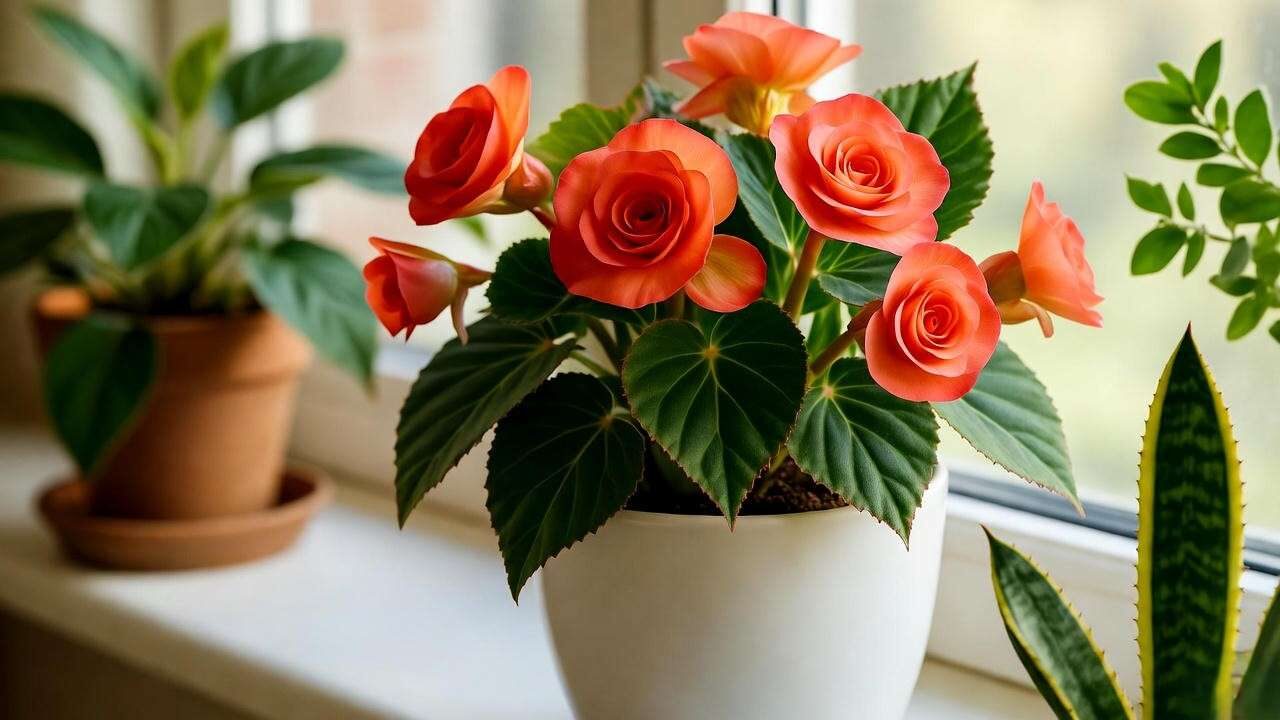
- Best spot: An east-facing window is ideal. A bright south window works with a sheer curtain.
- What to avoid: Harsh midday sun that scorches leaves; dim corners that cause legginess and fewer, duller blooms.
- Telltales:
- Too little light: Stretched stems, pale/yellowing leaves, sparse blooms.
- Too much direct sun: Scorched or crispy leaf edges.
Watering made simple (even moisture, never soggy)
Think damp sponge, not wet towel. Water thoroughly, then let just the top of the mix dry slightly before watering again. Always empty the saucer—standing water leads to root and stem rot.
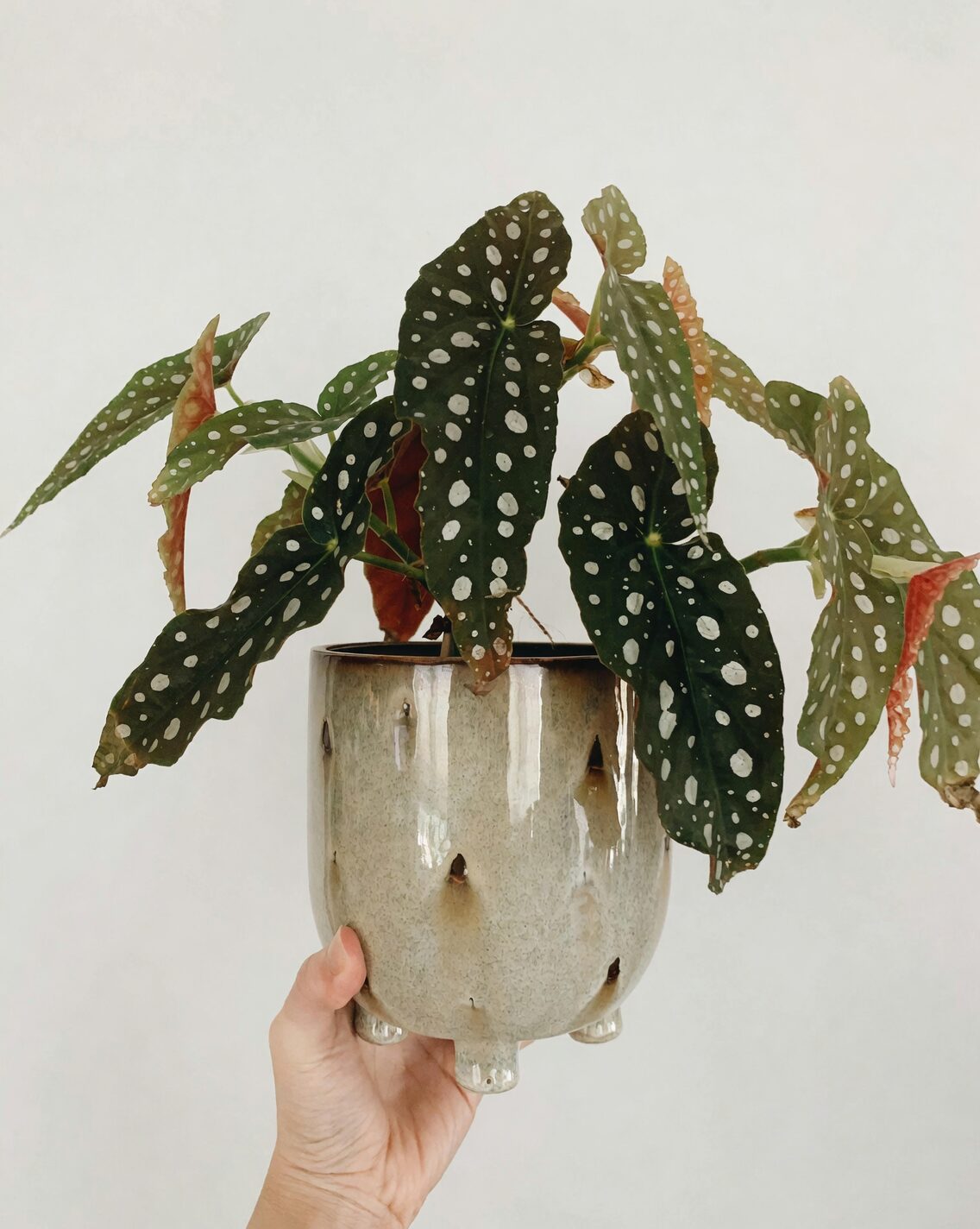
- Season-based watering rhythm (adjust for your light, temperature, and pot size):
- New purchase/acclimation: About once per week until you learn your home’s drying rate.
- Active growth (spring–early summer): About 2–3 times per week.
- Winter flowering: Often about twice per week.
- How to water:
- Top-water gently at the soil level until excess drains; discard runoff.
- Optional bottom-watering: Set the pot in a shallow tray for up to 10 minutes, then remove and drain fully. Never leave it soaking.
- Pro tips:
- Crispy leaf tips or bud drop often point to inconsistent watering or very dry air.
- Keep leaves dry, especially late in the day, to reduce fungal issues.
Temperature and airflow: Cool-warm comfort with a light breeze
- Sweet spot: 15–20°C (59–68°F)
- Minimum: Keep above 10°C (50°F) and ideally above 12°C (54°F) indoors in winter.
- Heat caution: Prolonged heat above 32°C (90°F) can cause wilting and bud drop—provide shade and airflow.
- Airflow matters: This plant likes moderate humidity with fresh, gentle ventilation. Avoid cold drafts and stuffy rooms. A small fan on low nearby (not blasting) helps deter powdery mildew and gray mold.
The right pot and mix (and why pot size matters)
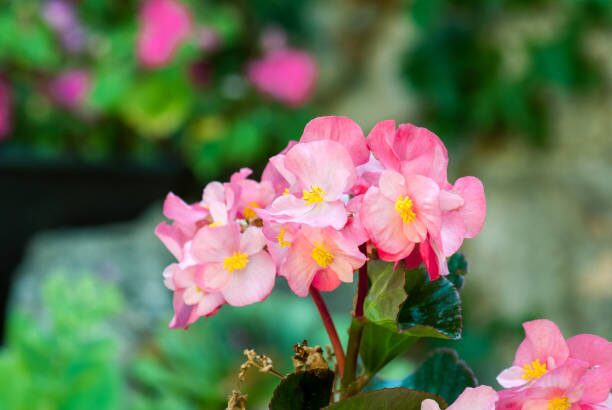
- Pot size:
- Tabletop pots: Commonly 12–15 cm (4.7–5.9 in) diameter.
- Hanging baskets: 15–18 cm (5.9–7.1 in).
- Avoid oversized pots—they stay wet too long and encourage rot.
- Mix: Rich but airy, slightly acidic, and sharply draining.
- Great recipe: Peat or leaf-mold/compost base + coarse sand or perlite for oxygen and drainage.
- Repotting:
- When: After flowering or once roots fill the pot.
- How: Step up just one size with fresh mix; keep crowns slightly above the mix line.
Feeding for flowers (without overdoing it)
- During active growth: Feed every 2 weeks with a balanced liquid fertilizer or a gentle organic feed.
- Bud/flower stage: Give 1–2 bloom-boost feeds higher in phosphorus/potassium (for example, a 15-15-30 type).
- Heat breaks: Pause feeding during very hot spells if the plant is stressed.
Grooming: Deadhead, lightly trim, and keep blooms coming
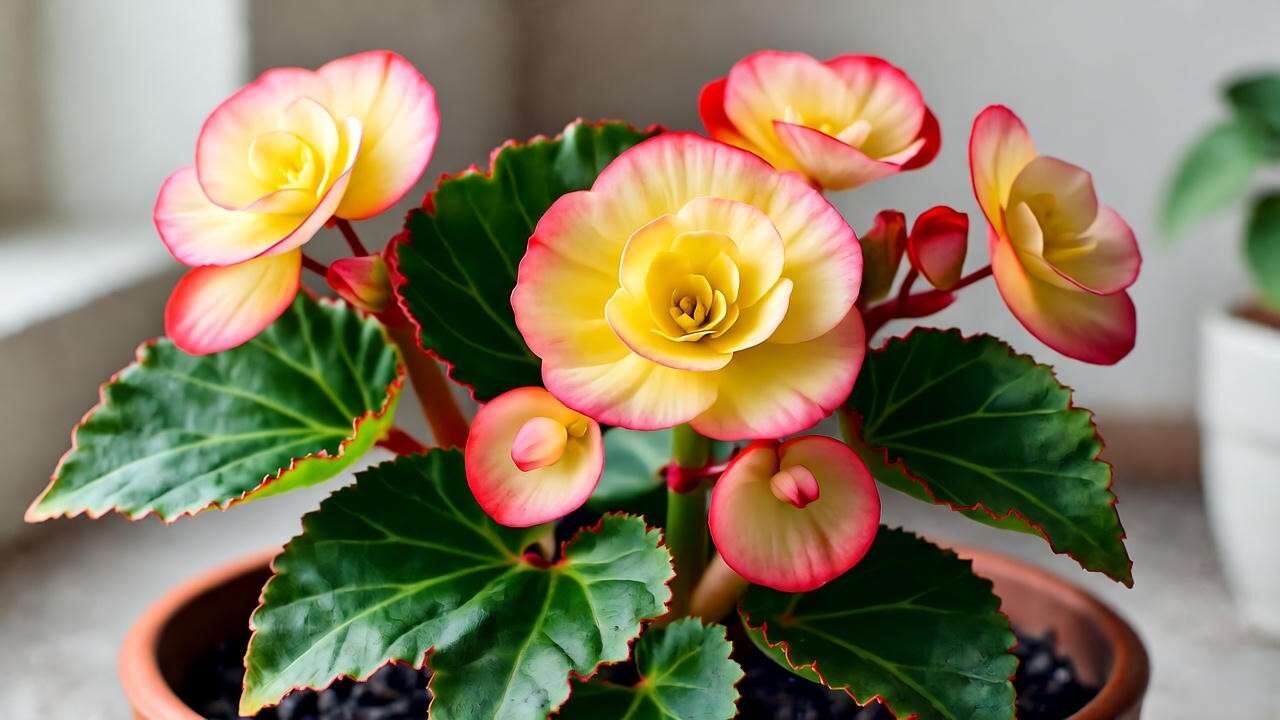
- Deadhead promptly to keep the plant tidy and reduce fungal risk.
- After the main flush: Lightly cut back older flowering stems to about 4–5 nodes to push fresh basal shoots.
- Pinching: About 2 weeks after potting, pinch tips to encourage branching (trimmings can be rooted).
Propagation
- Stem cuttings: Root healthy, non-flowering tips in a free-draining medium in bright shade with gentle humidity; expect roots in about 3 weeks.
- Seed: Dust-fine; surface-sow (do not cover) indoors at 16–18°C (61–64°F). Germination often in 1–2 weeks; flowering in roughly 5–6 months.
Seasonal playbook
- Spring–early summer (active growth)
- Light: Bright, filtered.
- Water: Consistent (often 2–3× weekly).
- Feed: Every 2 weeks.
- Pinch for branching if needed.
- Bud/flower season (late autumn–spring)
- Temperature: Comfortable cool-warm; around 16°C+ (61°F+) indoors supports steady blooming.
- Water: Even moisture (often ~2× weekly).
- Feed: 1–2 bloom-boost applications; deadhead regularly.
- Hot summer spells
- Protect from heat; avoid harsh midday sun.
- Boost airflow; keep evenly moist.
- Pause fertilizer if the plant looks stressed.
- Winter
- Keep above 12°C (54°F) if possible and never below 10°C (50°F).
- Maximize bright, indirect light to prevent legginess and strengthen blooms.
Troubleshooting: quick diagnostics
- Brown, crispy tips + bud drop: Inconsistent watering and/or very dry air. Recalibrate watering and add gentle humidity with good airflow.
- Leggy, pale growth: Light too low. Move to a brighter filtered spot.
- Yellowing, limp stems, sour smell: Overwatering or poorly draining mix. Refresh the medium, right-size the pot, and improve drainage.
- Flowers fade or drop quickly: Light too low, heat spikes, or stress from drafts.
- Disease watch: Powdery mildew, leaf spot, Botrytis (gray mold) thrive in stagnant, damp air. Keep leaves dry, deadhead promptly, space plants, and ventilate.
- Pests: Spider mites and aphids. Treat early with insecticidal soap or horticultural oil; repeat as needed.
Where to place it
- Indoors: Bright windowsill, desk, or hanging basket with filtered light and gentle airflow.
- Outdoors: Only in frost-free, mild conditions (about USDA Zone 10–11). Provide bright shade and shelter; protect from chills below 10°C (50°F).
Buying and first-week setup
- Choose plants with:
- Compact, balanced shape
- Deep-green foliage
- Plenty of buds with a few blooms open
- First week at home:
- Place in bright, indirect light.
- Keep above 12°C (54°F).
- Water lightly at first—often about once weekly—then adjust as you learn the drying speed.
Safety note
Begonias are generally considered toxic if eaten and can cause mouth irritation and gastrointestinal upset in people and pets. Keep out of reach. (In many begonias, underground parts carry higher risk; Rieger types are fibrous-rooted but still best kept away from curious chewers.)
A little history and flower language
Bred by horticulturists for compact growth and heavy bloom, Rieger begonias are a man-made hybrid group created specifically for pots and indoor display. You’ll often see them sold under “Begonia elatior” in shops—another common trade name for the same hybrid group.
Flower language
These begonias are widely associated with gentle affection and tenderness—fitting for a winter holiday gift that lights up short days. Like most “flower language” traditions, this meaning is cultural rather than scientific, passed down through gifting customs and catalog prose. Still, it feels right: few plants say “soft cheer” quite like a Rieger in full bloom.
FAQs
- How do I choose a good Rieger begonia, and what should I do right after bringing it home?
- Pick a compact, deep-green plant loaded with buds and a few open flowers. Set it in bright, indirect light, keep it above 12°C (54°F), and water lightly at first—about once per week until you gauge your home’s conditions. Avoid harsh sun and cold drafts.
- My Rieger begonia bloomed, then the leaves yellowed and the plant declined. Why?
- These are fibrous-rooted, not tuberous, so they don’t “reboot” from a big storage tuber. After flowering, they need prompt deadheading and a light cutback to stimulate fresh basal shoots. Low light, heat spikes, overwatering, or drought can also trigger yellowing and decline.
With the right pot, bright-filtered light, a steady watering rhythm, and a touch of airflow, Begonia × hiemalis rewards you with weeks of color—right when you need it most.