

Imagine a spray of tiny dancers stepping onto your windowsill stage—ruffled skirts twirling, golden confetti catching the light. That’s the Dancing Lady Orchid, Oncidium spp. and their horticultural hybrids, a plant whose very shape and color choreographed a modern flower language of joy, celebration, elegant poise, and prosperity.
How the flower language took shape
The dancer in the bloom
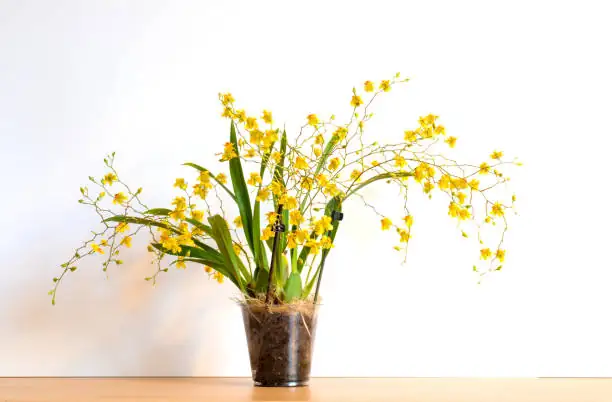
Look closely at a classic Oncidium flower: the broad, frilled lip reads like a ballroom gown mid-swish, while the petite petals and sepals lift like outstretched arms. Dozens of these “dancers” line a gracefully branching spike, so even the slightest breeze sets the whole chorus moving. This sense of motion—vivacious yet refined—seeded the meanings of:
- Joy and celebration: a visual “fiesta” in bloom
- Elegance: poised silhouettes, never stiff or severe
Gold as an omen of abundance
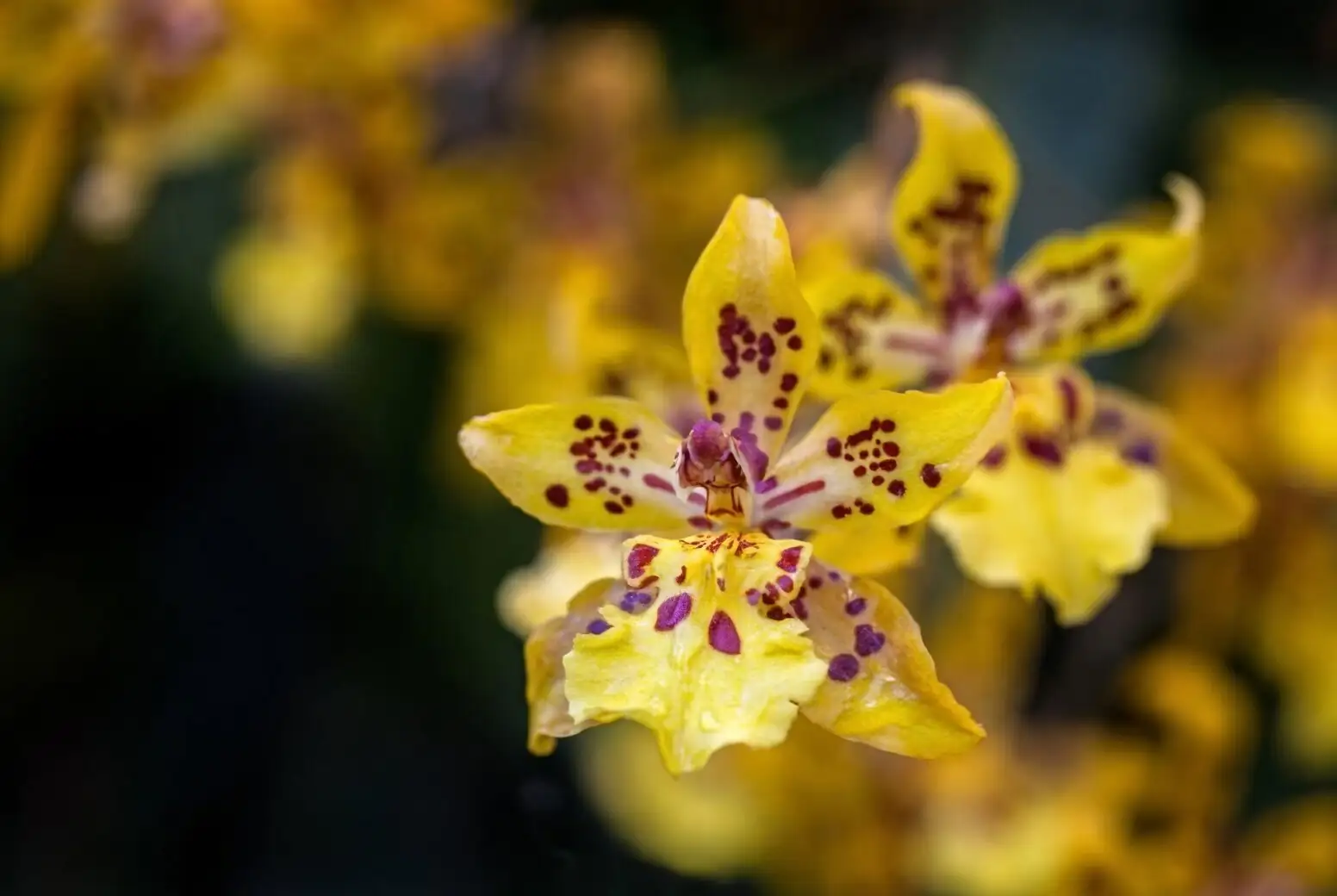
Many beloved Oncidium and Oncidium-type hybrids are a jubilant yellow with chocolate markings—nicknames like Golden Butterfly and Golden Shower Orchid hint at their glimmering effect. In many East Asian traditions, gold signals wealth, good luck, and upward momentum. Cascades of gold-toned flowers read like sunshine, showered coins, or fireworks—potent symbols of prosperity and success.
- In contemporary gifting culture, golden Oncidium often says “may fortune and joy multiply.”
- In Western floriography, yellow orchids also speak to friendship and new beginnings—perfect for housewarmings or business launches. Either way, the “gold” reads auspicious.
Modern meanings at a glance
- Joyful celebration
- Lively elegance and grace
- Prosperity, success, and good fortune
- Blessings for new ventures, partnerships, and marriages
Cultural significance in gifting
Oncidium-type orchids make standout gifts because they offer both spectacle and staying power. Their airy sprays read festive in any setting, and many hybrids boast long-lasting blooms.
- Grand openings and promotions: A golden Oncidium says “bright prospects.” Present it with a card noting “dancing into success.”
- Housewarmings: The cheerful, sunlit palette “warms” a new space; yellow and green-toned orchids can underscore beginnings and good luck.
- Thank-you and congratulations: For mentors or respected colleagues, choose purple-leaning hybrids (admiration and respect) or classic gold for a celebratory note.
- Seasonal celebrations: Many popular types bloom in autumn, aligning beautifully with harvest themes and gathering-season joy.
Gifting tip: For the longest show, choose a plant with both buds and newly opened flowers, and look for plump, firm pseudobulbs (the plant’s water-storing stems) and clean, medium-green leaves.
Weddings: a choreography of grace
Dancing Lady Orchids were practically born for weddings. They move, they glow, and they communicate blessings with every flutter.
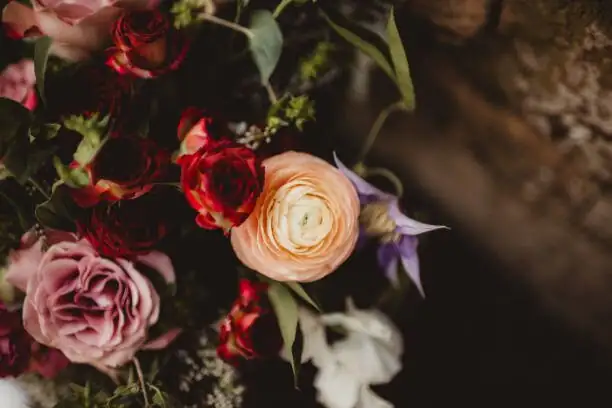
- Symbolic layer: The dancer-like silhouette embodies graceful partnership; the golden palette reads as joy and prosperity for the union.
- Design uses:
- Airy bouquets with “falling” sprays for movement down the aisle
- Hair flowers and boutonnieres for a light, fluttery accent
- Table garlands where branching spikes arc like miniature fireworks
- Palette play:
- Gold with white/ivory for classic elegance and prosperity
- Blush/pink hybrids for tenderness and joy
- Green accents for good fortune and vitality
Practical notes for florists and DIY couples:
- Keep spikes staked and supported; some reach 30–40 cm (12–16 in) before arching.
- Hydrate well but avoid soaking blooms; store arrangements in bright, indirect light and good airflow.
Feng shui placement for uplifting, wealth-attracting energy
The simplest feng shui principle is also the most botanical: a healthy, thriving plant radiates the best qi. Oncidium’s buoyant form and auspicious gold do the rest—if you place and care for it well.
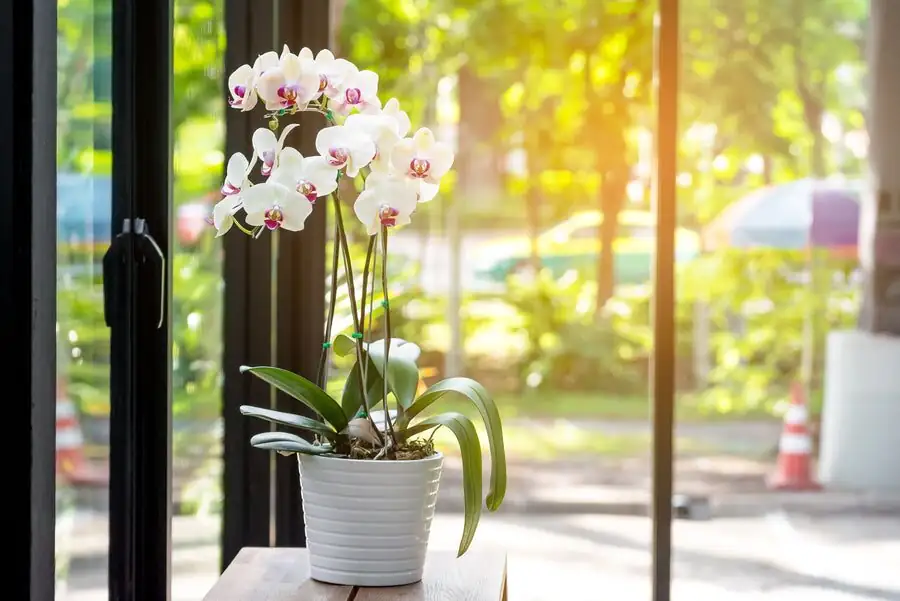
- Where the plant will thrive (and energy will flow):
- Bright, filtered light is essential. Indoors, an east window is ideal; a lightly shaded south/west window can also work. Avoid harsh midday sun that can scorch.
- Keep gentle airflow and moderate humidity (around 40–60%) so leaves dry within a few hours after misting.
- Aligning with common feng shui zones:
- Southeast (Wealth/Abundance): A golden Oncidium here reinforces prosperity themes.
- East (Health/Family): Signals growth, harmony, and joyful gatherings.
- Entry or reception area: Welcomes guests and good fortune with cheerful movement.
- Home office/studio: By a bright window to spark creativity and momentum.
- Element-friendly styling:
- Pair with wood or ceramic planters (wood/earth elements) and warm metallic accents to echo prosperity.
- Use a pebble tray (pot above the waterline) to boost humidity without waterlogging—healthy roots, happy qi.
- Avoid hot, dry vents and cluttered corners that stagnate flow.
Meet the plant: quick botany and bloom magic
- Names you’ll hear: Dancing Lady Orchid; Golden Butterfly Orchid; Golden Shower Orchid; Oncidium (Hybrid)
- Origins: Oncidium species are native to the tropical and subtropical Americas—especially Mexico, Central America, and into South America (often noted from Mexico to Peru). Most plants in shops are cultivated Oncidium-type hybrids selected for showy, branching sprays and home-friendly habits.
- Habit: Epiphytic, clump-forming orchids with water-storing pseudobulbs; new growths advance along a rhizome. Leaves are typically evergreen and arching.
- Size: Many potted plants have foliage 20–60 cm (8–24 in) tall, with flower spikes 30–90 cm (12–35 in). A mature clump can fill roughly 60 × 60 cm (24 × 24 in).
- Flowers: Dozens of small, fluttery blooms on tall, often branching spikes. Classic colors are yellow with brown markings; modern hybrids also appear in white, pink, red, bronze, and mixed tones. Some are lightly fragrant.
- Flowering season: Depends on the hybrid and conditions. Many bloom in autumn, but you’ll find cultivars that flower in winter, spring, or summer—collect a few and you can stage shows most months of the year.
Care and display: the easy, elegant rhythm
- Light: Bright, filtered/indirect light to gentle part sun. Indoors, aim for an east window; south/west needs light shading.
- Temperature: Comfortable around 12–25°C (54–77°F). Keep above about 8°C (46°F) in winter; if temperatures drop below ~10°C (50°F), water very sparingly to reduce rot risk.
- Humidity and airflow: Target 40–60% humidity with good air movement. Pebble trays, a humidifier, and light morning misting can help (leaves should dry within a few hours).
- Watering: Water thoroughly, let excess drain, and water again when the medium is just approaching dryness. Never let it stay soggy, and don’t let it go bone-dry for long—especially when budding/blooming (drought can cause bud drop). In summer growth you may water 2–3 times a week indoors; in winter, many types rest—reduce strongly, even to roughly monthly, depending on temperature.
- Potting medium: Not regular soil. Use an airy orchid mix (fine-to-medium bark with perlite/charcoal), optionally blended with sphagnum for moisture balance. Mounting on cork or bark is also lovely—just water more often.
- Feeding: Lightly feed during active growth (roughly March–October): a balanced orchid fertilizer at low strength every two weeks works well. Flush with plain water occasionally. Reduce during full bloom and winter rest.
- Pruning and support: Cut spent spikes near the base once they brown. Stake long spikes gently to prevent snapping.
- Repotting: Every 1–2 years or when the mix breaks down. Use a snug pot (around 5–6 in for many home plants). Best timing: as new growth begins (often spring).
- Propagation: Divide a mature clump, aiming for 3–4 healthy pseudobulbs per division for fastest recovery. After division, keep bright but slightly shaded and go easy on water for 1–2 weeks.
- Hardiness: Frost-tender; best outdoors year-round only in warm, frost-free climates (roughly USDA 10–12).
Safety note: Generally considered non-toxic to people and commonly listed as non-toxic to cats and dogs, though nibbling can still upset tummies—discourage curious chewers.
Troubleshooting: keep the celebration going
- Yellowing buds/bud drop: Usually dryness during bud development, very dry air, or abrupt environment changes. Keep a steady water rhythm (moist, never soggy), humidity around 40–60%, and avoid blasting buds with heater air or frequent overhead spraying.
- Wrinkled pseudobulbs: Often means the plant is under-watered or roots are compromised. Check roots and potting mix; if healthy, water a bit more consistently during growth and raise humidity with airflow.
- Pests and diseases: Watch for scale, mealybugs, spider mites, and aphids—especially on tender new growth and spikes. Treat with orchid-safe insecticidal soap or horticultural oil and improve airflow. Root/soft rot and leaf spots usually trace back to staying too wet or poor ventilation.
When to expect the show—and how long it lasts
With good light and a steady wet/dry rhythm, Oncidium-type orchids reward you with long, effervescent displays—sometimes dozens or even hundreds of blooms on branching spikes. Many commonly sold types flower in autumn, but with the right mix of cultivars you can stage performances in nearly any month.
Final flourish
From the first wink of gold to the last curtain call of fluttering skirts, the Dancing Lady Orchid embodies a remarkable duet: exuberant joy and polished elegance. That duet—shaped by a dancer-like silhouette and auspicious golden tones—naturally grew into a flower language of celebration and prosperity. Gift it to launch new chapters, weave it into weddings for graceful blessings, or give it pride of place in the home’s bright east or southeast light to lift the mood and invite good fortune. Either way, when Oncidium dances, the whole room smiles.