

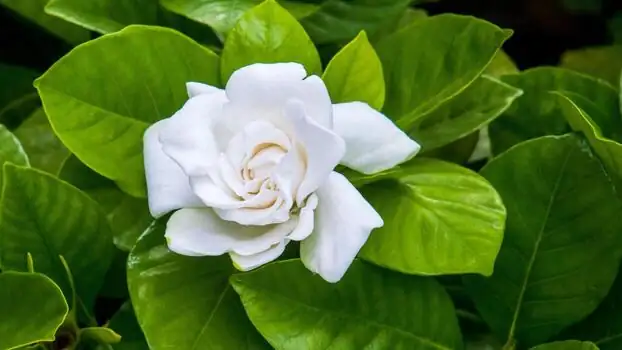
Gardenia jasminoides: A Fragrant Journey from East Asia to the World
The delicate, creamy-white blooms of the Gardenia jasminoides whisper tales of timeless elegance and cultural significance. Known as 栀子花 in Chinese and often referred to as Cape Jasmine in English, this plant’s luscious fragrance and striking appearance have captured hearts across continents. But how did this botanical gem travel from the stream banks of East Asia to gardens worldwide?
The Asian Roots
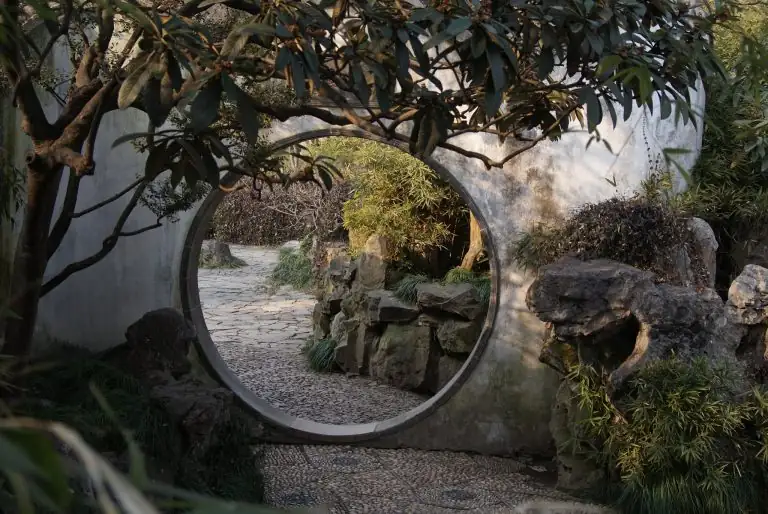
Gardenia jasminoides hails from the enchanting landscapes of East Asia, particularly China, Taiwan, Japan, and Vietnam. This region’s warm climates provide the ideal conditions for this glossy-leaved evergreen shrub to thrive. Here, gardenias have been cultivated for over a thousand years, and they’re deeply woven into the tapestry of local traditions. In China, the fruit of the gardenia, known as “Zhi Zi,” is a staple in traditional medicine, as well as in the textile industry for its natural yellow dye.
From the East to the West
The journey of Gardenia jasminoides to the Western world is a story of botanical exchange and exploration. The genus name honors Alexander Garden, a Scottish naturalist, underscoring the plant’s introduction to the Western scientific community in the 18th century. Westerners were enchanted by the gardenia’s fragrance, which is often strongest in the evening and early morning, making it a prized addition to conservatories and gardens where its scent could be fully appreciated.
Cultural Significance and Symbolism
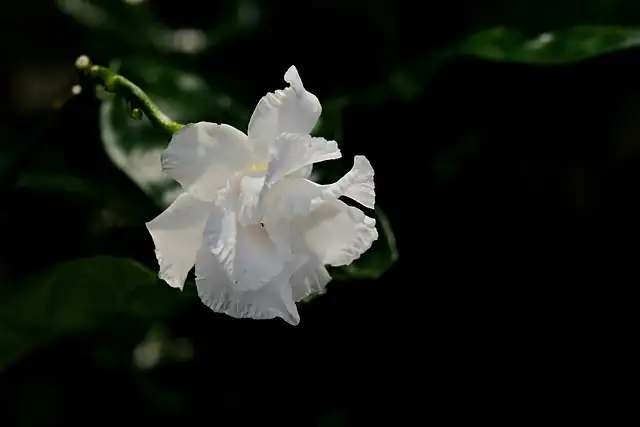
In the Victorian language of flowers, gardenias symbolize purity and secret love. Their pristine white petals convey unspoken feelings and refined affection, making them a popular choice for weddings and romantic gestures. The flower’s symbolism extends to various cultural contexts across the globe. In Japan, the fruit of the gardenia is associated with traditional crafts, and in Buddhism, gardenias are often used as offering flowers in temples, symbolizing peace and contemplation.
Cultivation and Care
Gardenia jasminoides has a reputation for being somewhat temperamental, requiring specific conditions to flourish. These plants crave bright, indirect sunlight and thrive in acidic, well-drained soil. They need consistent moisture but detest being waterlogged—a delicate balance for any gardener. Moreover, gardenias demand high humidity and stable temperatures, making them a bit of a diva in the plant world. But fear not! With the right conditions, these plants can be grown indoors as fragrant houseplants or outdoors in warmer climates, rewarding you with their intoxicating blooms.
Challenges and Rewards
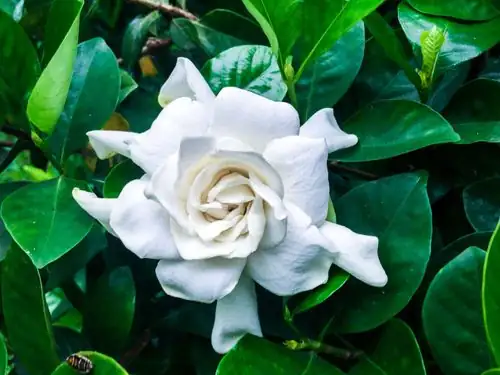
Gardenias are not without their challenges. They’re susceptible to pests like whiteflies and aphids, and often suffer from iron chlorosis if the soil becomes too alkaline. Bud drop is another common issue, often caused by environmental stress like drafts or low humidity. However, overcoming these hurdles can lead to a rewarding experience as your gardenia bursts into a symphony of white blooms, perfuming your garden or home.
The Global Gardenia
Today, Gardenia jasminoides is celebrated worldwide, from the tropical gardens of Asia to the sun-dappled patios of Europe and America. Its ability to adapt and enchant people from different cultures makes it a universal symbol of beauty and love.
As you nurture a gardenia plant, you’re not just tending to a flower—you’re participating in a rich cultural legacy that spans continents and centuries. Whether you’re drawn by its fragrance, its symbolic meanings, or its delicate beauty, the gardenia is a timeless companion that continues to inspire and delight gardeners everywhere.
So, next time you find yourself in the presence of this charming shrub, take a moment to breathe in its history-laden fragrance—a scent that whispers tales of love, peace, and the shared human experience.


