

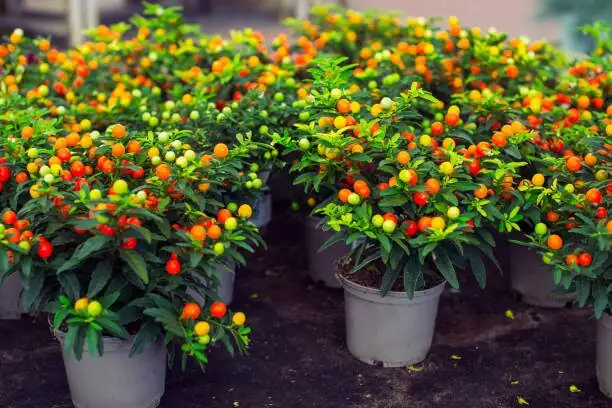
Bright, lacquer-red berries glowing on a windowsill in midwinter are hard to resist. That’s precisely why Solanum pseudocapsicum—better known as Jerusalem cherry, Christmas cherry, or winter cherry—has been a festive favorite for generations. But those cheery fruits come with two essentials: precise identification and clear safety rules. Here’s your visual ID and safety primer so you can enjoy the display without confusing it with edible look-alikes.
Meet Solanum pseudocapsicum in a glance
- Habit: Compact, evergreen, bushy subshrub commonly grown as a short-lived potted plant
- Size: Typically 30–60 cm tall and 30–45 cm wide in containers
- Leaves: Narrow-oval to lance-shaped, medium green, on dense, well-branched stems
- Flowers: Small, star-shaped, white—appearing in autumn
- Fruit: Glossy, round berries that shift from green to orange to bright coral-red; the show is best in winter
- Origin and status: Native to South America; widely grown and naturalized in warm-temperate to subtropical regions
- Toxicity: Toxic if eaten—keep away from children and pets
Aliases you may see on tags: Christmas Cherry, False Jerusalem Cherry, Madeira Winter Cherry, Winter Cherry
The “winter window” test: seasonal cues that rarely lie
If the plant is loaded with bright red, cherry-like berries during late autumn and winter, and the flowers were small and white earlier in the cool season, you’re very likely looking at Solanum pseudocapsicum. Most edible garden doppelgängers fruit and shine in summer to early fall, not in the depths of winter.
Visual ID: the parts that clinch it
Leaves
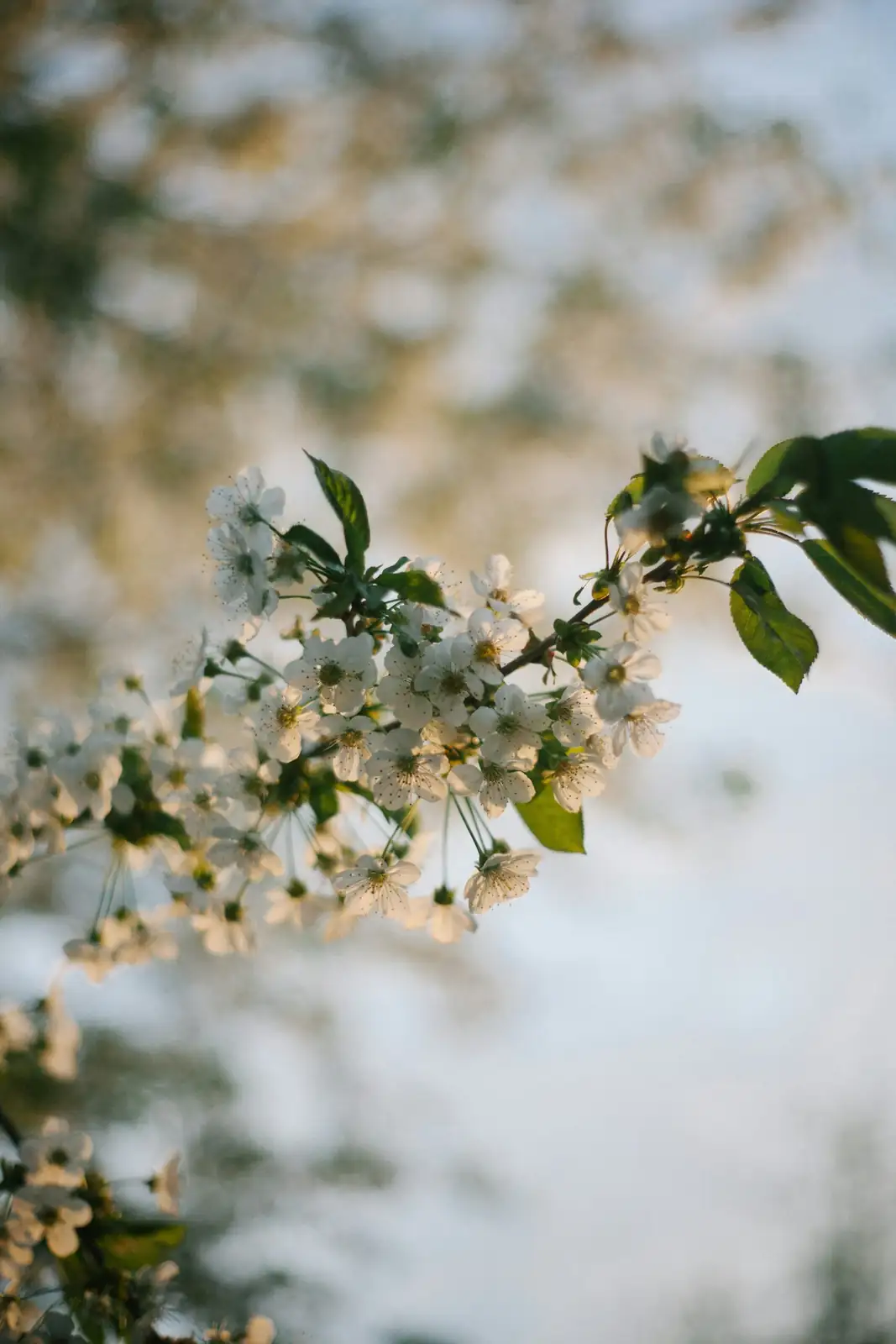
- Shape and texture: Narrow-oval to lance-shaped, smooth and medium green
- Overall look: Dense foliage on a compact, rounded plant; regular pinching by growers gives it a neat, bushy silhouette
Tip: Many edible nightshades (like tomatoes) have lobed or noticeably toothed leaves; Jerusalem cherry leaves are typically sleeker and less lobed/ruffled.
Flowers
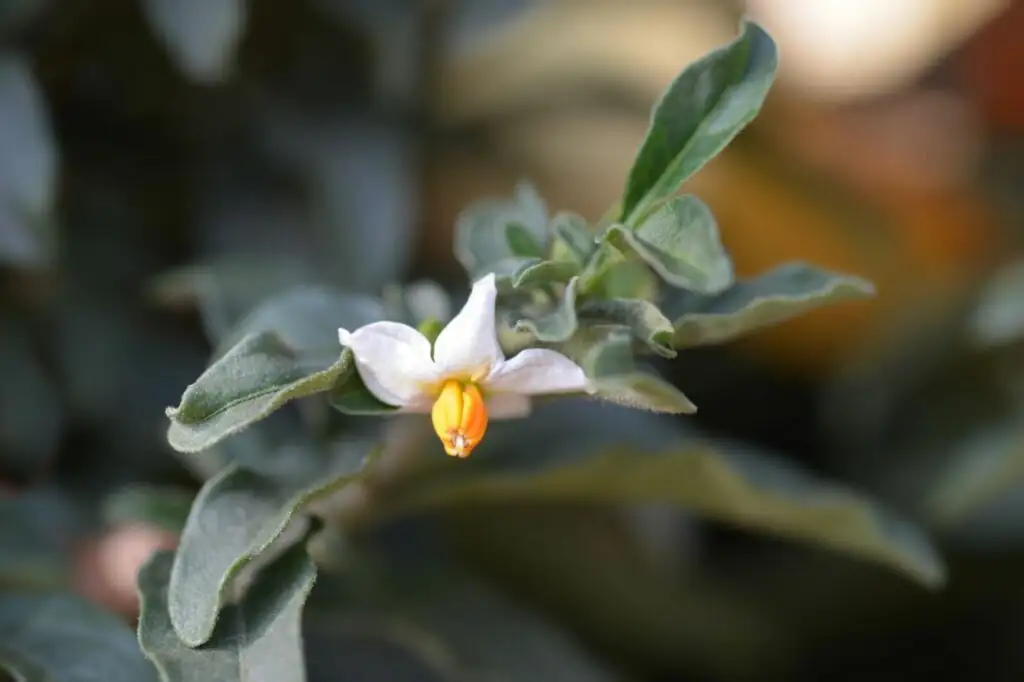
- Form: Small, white, star-shaped
- Season: Autumn
- Where to look: At the tips and upper leaf axils before berries set
Fruits (the star of the show)
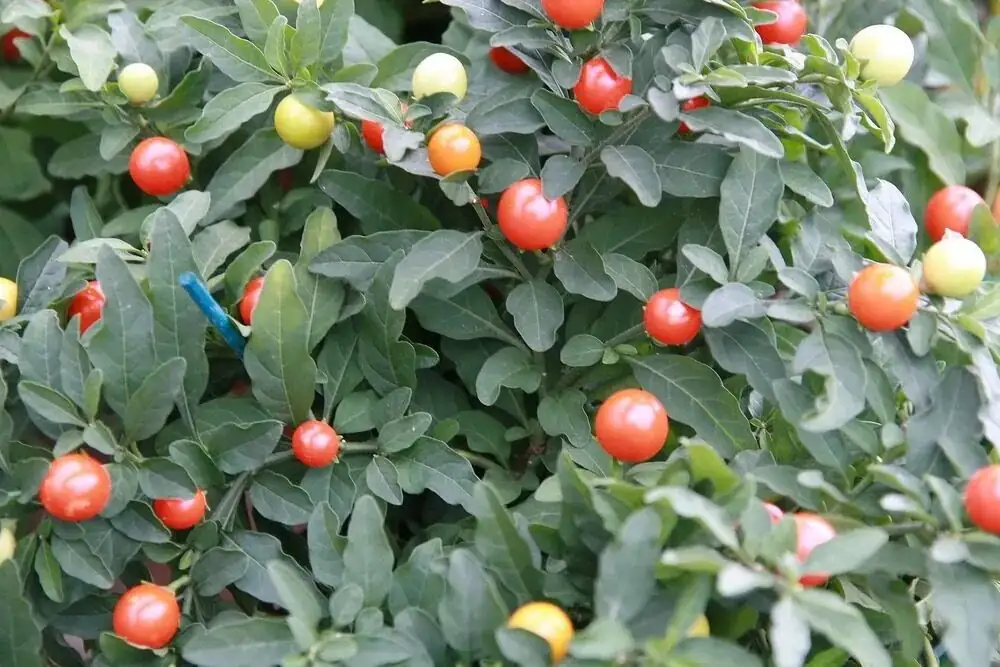
- Color progression: Green → orange → bright coral-red
- Surface: Glossy, smooth, round, “marble to cherry” sized
- Longevity: Long-lasting clusters that can look perfect for weeks through winter
Look-alikes—and how to tell them apart fast
1) Cherry tomato (Solanum lycopersicum var. cerasiforme)
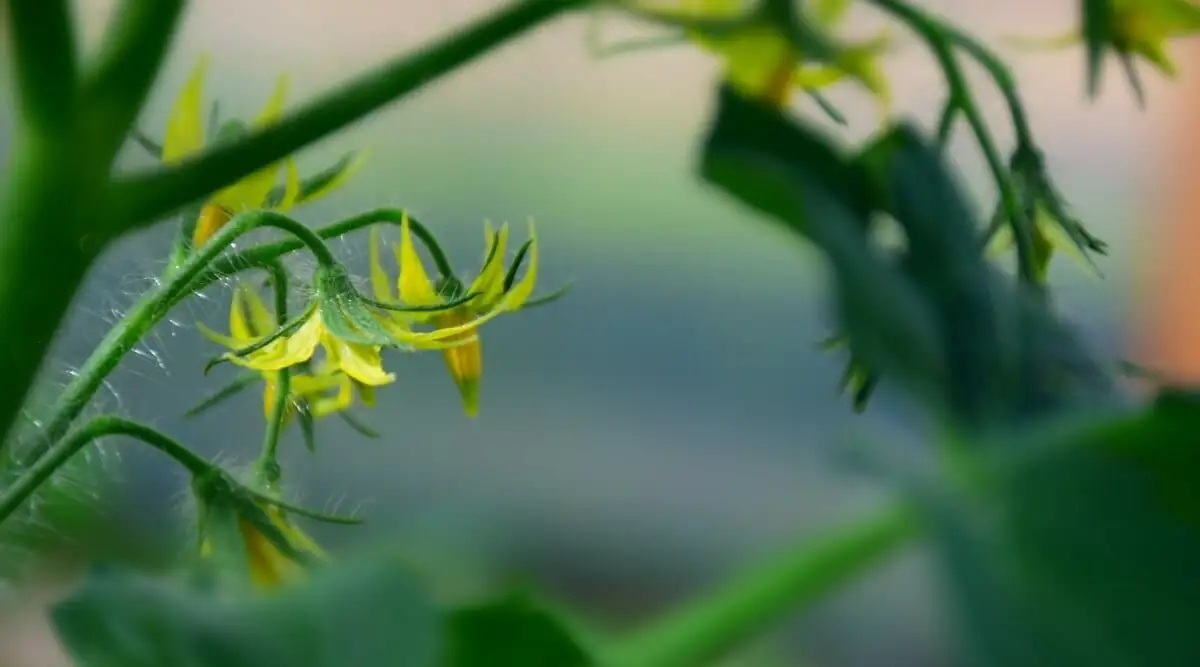
- Flowers: Yellow on tomatoes vs. white on Jerusalem cherry
- Season: Tomatoes fruit in summer; Jerusalem cherry peaks in winter
- Leaves: Tomato leaves are often lobed and may feel slightly fuzzy; Jerusalem cherry leaves are narrower and smoother
- Fruit details: Tomato clusters often show a prominent green, starry calyx at the fruit’s top; Jerusalem cherry fruits usually look like clean, glossy marbles with a less showy calyx
Bottom line: Yellow flowers + summer fruiting = tomato; white autumn flowers + winter berries = Jerusalem cherry.
2) Ornamental peppers (Capsicum annuum)
- Fruit shape: Often slender, conical, or upright “candles,” changing through dramatic color phases; Jerusalem cherry fruits are round
- Season: Best in summer to fall for peppers; winter display for Jerusalem cherry
- Foliage: Pepper leaves can look similar at a glance, but the fruit form gives it away
3) Groundcherries/cape gooseberry (Physalis species)
- Telltale structure: Papery, lantern-like husks around the fruit in Physalis; Jerusalem cherry has bare, glossy berries with no husk
- Flowers: Physalis flowers are typically yellowish with dark markings; Jerusalem cherry flowers are white and starry
- Season: Physalis fruits mostly mature in summer to early fall; Jerusalem cherry colors in winter
4) Ardisia crenata (coralberry, “Christmas berry”)
- Leaves: Thick, glossy, often with finely scalloped (crenate) edges; Jerusalem cherry leaves are thinner, lance-like
- Berries: Ardisia carries pendulous clusters along the stems that can persist for months; Jerusalem cherry berries are borne in tidy clusters closer to the shoot tips
- Overall habit: Ardisia’s foliage is broader and leathery; Jerusalem cherry is a smaller, more herbaceous-looking subshrub
5) Holly (Ilex species) and heavenly bamboo (Nandina domestica)
- Holly: Spiny, leathery evergreen leaves—very unlike the sleek leaves of Jerusalem cherry
- Nandina: Ferny, pinnate foliage; berry clusters form large panicles—visually very different from Jerusalem cherry’s neat, stem-tip clusters
Quick decision guide
- White star flowers in autumn? Check.
- Glossy red berries that persist through winter? Check.
- Leaves narrow-oval to lance-shaped, medium green, on a compact, bushy plant? Check.
If all three match, you’re almost certainly looking at Solanum pseudocapsicum.
Safety primer: beautiful but toxic
- Toxicity: The berries—and other parts—contain solanaceous alkaloids. Ingestion can cause gastrointestinal upset.
- Who’s at risk: Children, curious pets, and anyone tempted by the cherry-like fruits
- Safety rules:
- Do not taste-test any red “cherries” from potted holiday plants.
- Display out of reach of kids and pets.
- Avoid splashing water on the berries during care; soft, damaged fruit can attract unwanted attention and mold.
- If ingestion occurs, seek medical advice promptly.
Care cues that reinforce the ID
- Light: Bright light to full sun; tolerates partial shade. A sun-soaked east or south windowsill keeps berries vivid and intact.
- Temperature: Warm-loving. Aim for 20–25°C in growth. In winter, keep above 8–10°C and away from drafts—sudden chills trigger leaf and berry drop.
- Water: Let the top 2–3 cm of mix dry before watering. Keep slightly on the dry side once fruits set; never waterlog.
- Habit in pots: Often grown as a 1–2 year decorative plant. Regular pinching when young builds that signature rounded, berry-laden silhouette.
Pest heads-up: Whiteflies are the top indoor pest; isolate and treat with insecticidal soap or horticultural oil if you spot them.
Shopping smarts to avoid mix-ups
- Choose a compact, well-branched plant with many firm, glossy berries of similar ripeness.
- Skip plants with yellowing leaves or soft, spotted fruit.
- Handle gently—ripe berries can pop off in transit.
- Once home, give it a bright window and steady temperatures to prevent sudden fruit drop.
What about “False Jerusalem cherry” and “Winter cherry” on labels?
These are trade names and aliases commonly applied to Solanum pseudocapsicum in shops. Regardless of name, apply the same ID and safety rules.
Symbolism vs. reality
Jerusalem cherry often symbolizes seasonal cheer and “good luck,” largely because it fruits when days are short and gardens are quiet. Culturally, that midwinter color promises brightness in lean times. Just keep in mind: the charm is ornamental, not edible—its “cherries” are for the eyes only.
Summary: the safest, simplest checks
- Season: Winter berries are a prime clue.
- Flowers: White and starry earlier in autumn (not yellow).
- Fruit: Glossy, round, coral-red—no papery husk, no pointed pepper shape.
- Plant form: Compact, bushy, evergreen potted subshrub.
Enjoy the winter sparkle—smartly, safely, and with confidence that you can tell Solanum pseudocapsicum from its tempting, edible cousins.