
If you’ve noticed that your plants aren’t looking their best, you might be wondering whether they’re suffering from a disease, or if environmental factors are to blame. Identifying the root cause is key to nursing your green friends back to health. Here’s a practical guide to help you determine whether your plants are facing infections or environmental stressors, and what you can do about it.
Understanding Plant Diseases
Infectious Diseases: Fungal, Viral, and Bacterial
Most plant diseases are infectious, caused by fungi, bacteria, or viruses. Fungal diseases are the most common, responsible for about 85% of plant ailments. Here’s how to spot them:
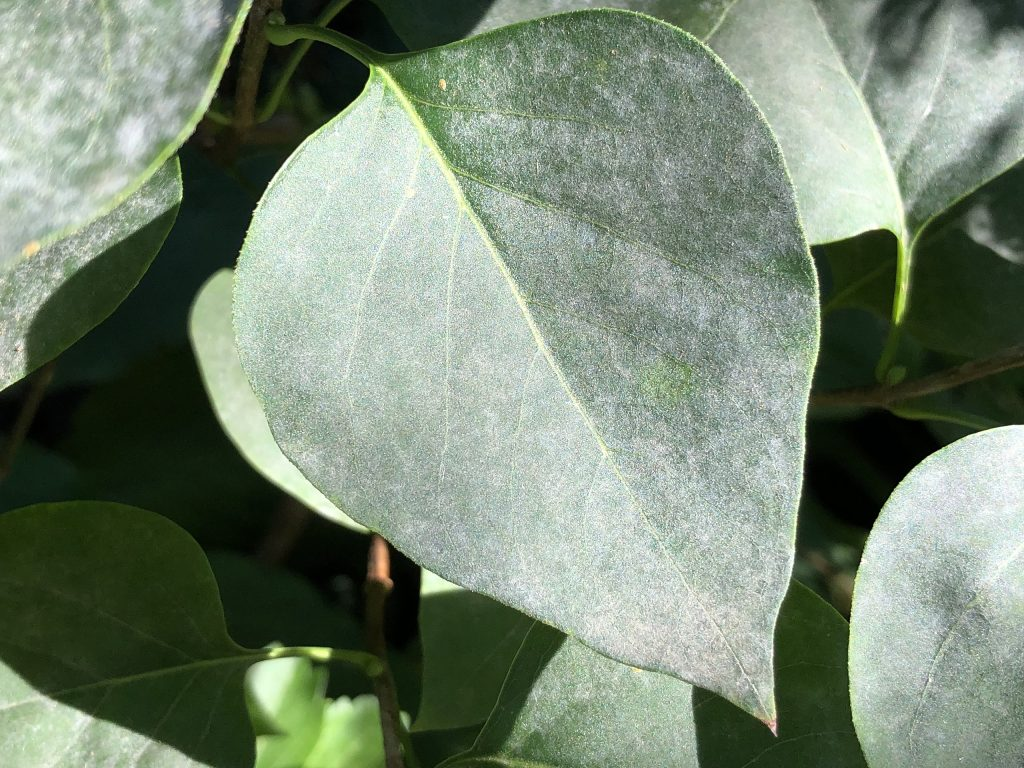
- Fungal Diseases: Look for powdery mildew on leaves or rust-colored spots. A classic example is the powdery mildew on lilacs, which appears as a white powder on leaves.
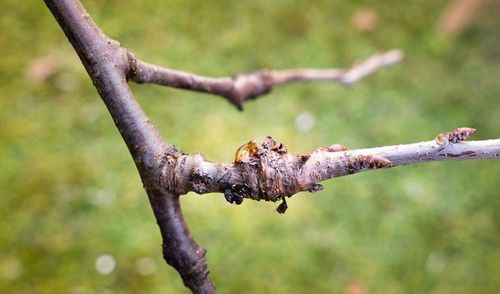
- Bacterial Diseases: You might notice water-soaked lesions or bacterial ooze. Bacterial canker in stone fruits, for instance, causes gummosis, an oozy exudate from cankers.
- Viral Diseases: These often cause mosaic patterns on leaves or stunted growth. Viral infections are tricky because they can spread quickly, often starting with one plant and moving to its neighbors.
Environmental Issues: Abiotic Factors
Sometimes, the problem isn’t a disease at all, but an environmental issue. These abiotic factors aren’t infectious but can be just as damaging:
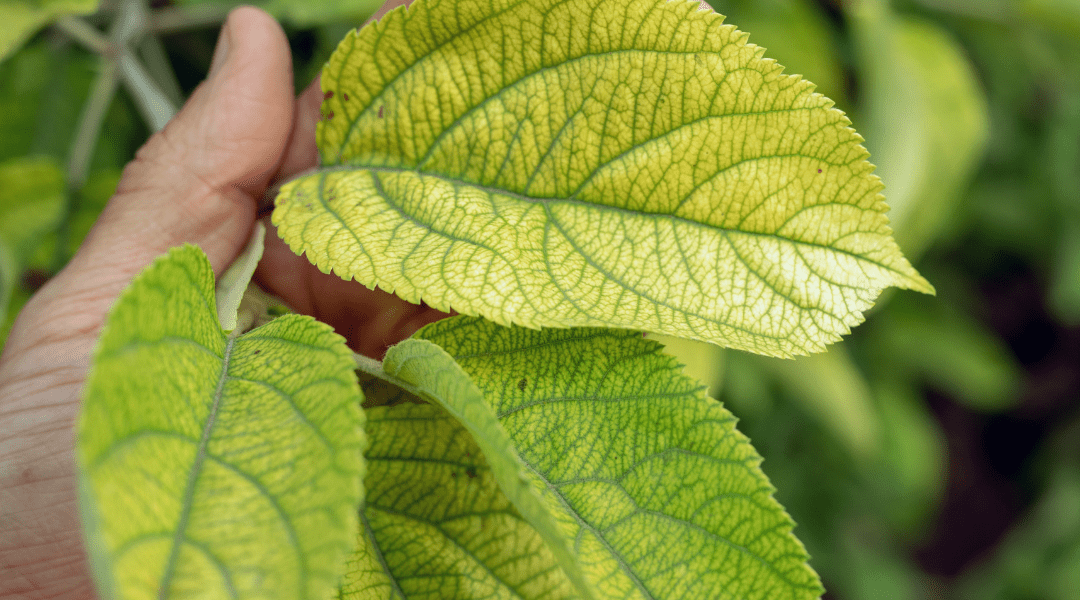
- Nutritional Deficiencies: Yellowing leaves might signal a lack of nutrients. Chlorosis, for example, is a symptom of nutrient deficiency, often seen as yellowing between leaf veins.
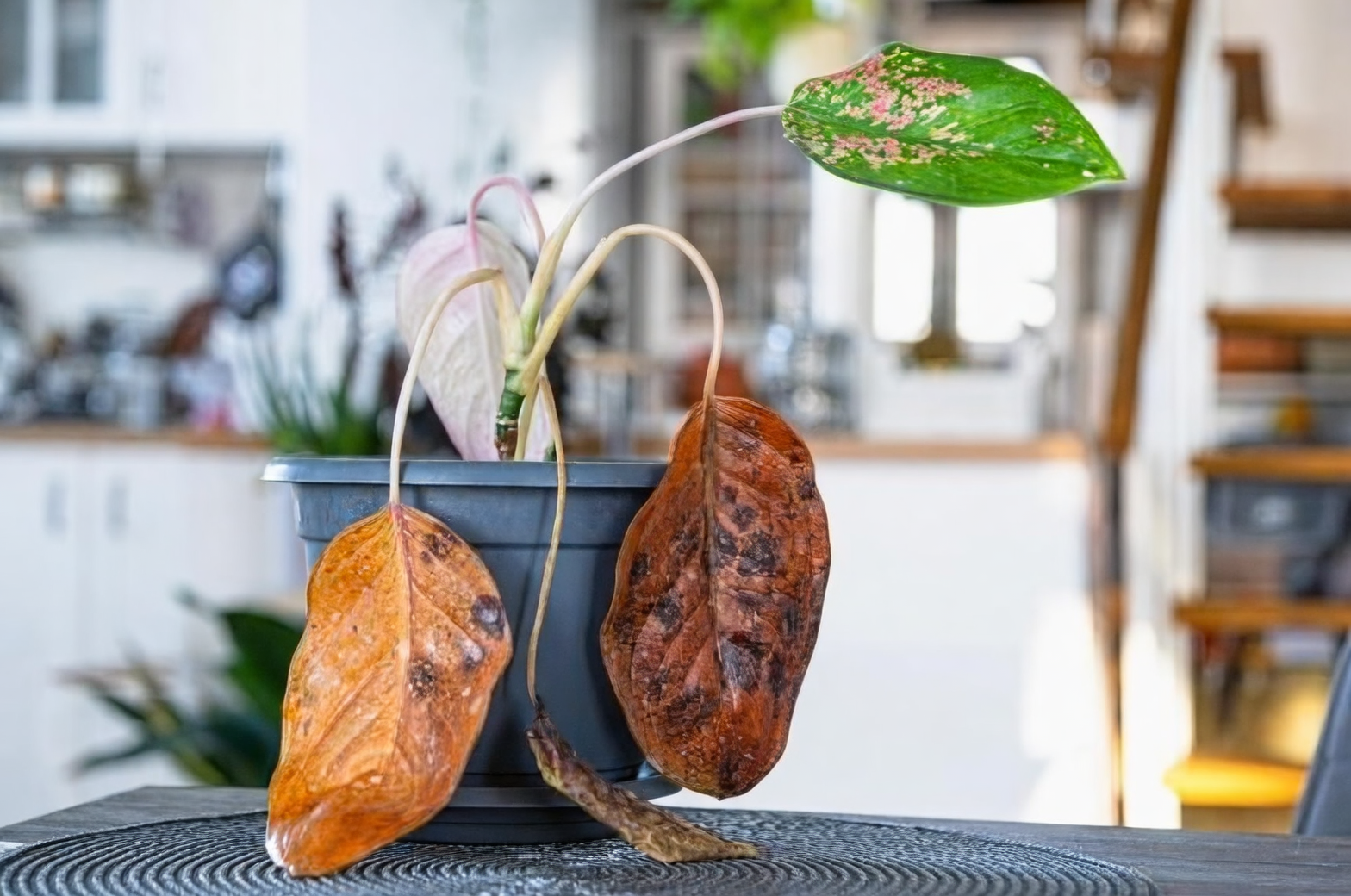
- Water Stress: Both overwatering and underwatering can cause wilting. Check the soil moisture to determine if this is your issue.
- Weather Damage: Sudden changes in weather, like a cold snap or heatwave, can stress plants, leading to scorched leaves or frost damage.
How to Diagnose the Problem
Examine the Symptoms
Start by looking at the whole plant:
- Leaves: Are the spots angular or round? Angular spots might indicate mildew, while round spots could be from fungi like Alternaria.
- Stems and Roots: Cut open stems to check for discoloration. If you find brown streaks, it might be Verticillium wilt.
- Distribution: Are the symptoms affecting old leaves or new growth? Diseases often attack older leaves first, while environmental stress can affect young leaves as they struggle to grow in poor conditions.
Check the Pattern
- Progressive Symptoms: Diseases usually spread over time. If spots or wilted areas are expanding, you’re likely dealing with a pathogen.
- Sudden Changes: If symptoms appear overnight and don’t worsen, consider environmental factors like chemical exposure or weather changes.
Taking Action
- Treating Infectious Diseases: For fungal issues, pruning affected areas and applying fungicides can help. Bacterial diseases may require the removal of infected plants to prevent spread.
- Managing Abiotic Factors: Adjust your watering schedule, improve soil nutrition with fertilizers, and protect plants from harsh weather with covers or windbreaks.
Common Mistakes to Avoid
- Ignoring Early Signs: Catching issues early can prevent them from spreading. Regularly check your plants for any changes.
- Overreacting: Not all spots or wilts mean disease. Sometimes, plants just need a little TLC to recover from environmental stress.
By paying close attention to your plants and understanding the signs of both infectious diseases and environmental issues, you’ll be well-equipped to keep your garden thriving. Remember, a little detective work goes a long way in ensuring your plants stay healthy and happy!