

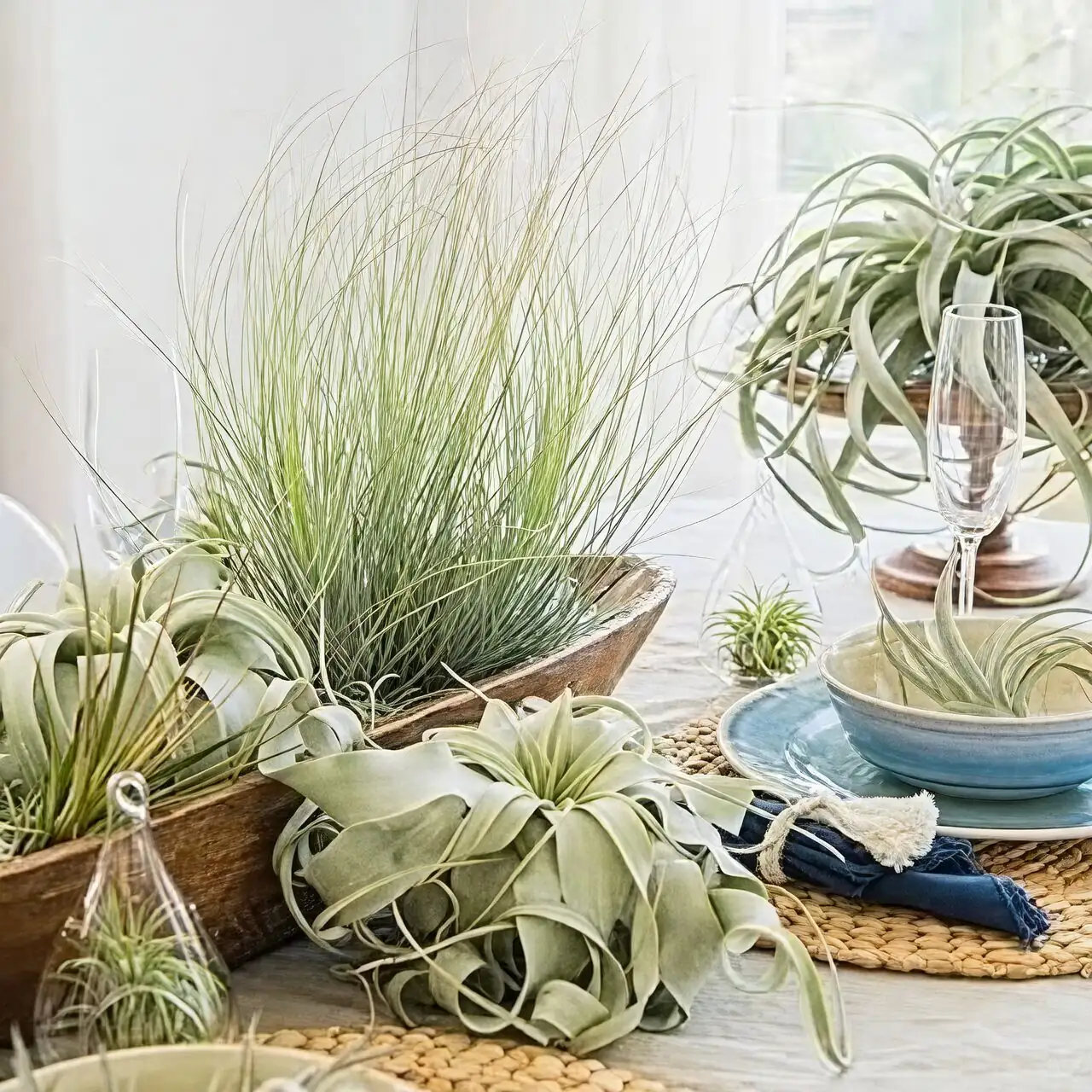
If you’ve ever picked up a Tillandsia juncea and wondered why its long, needle‑sleek leaves look lightly dusted in silver, you’ve met the plant’s secret superpower: trichomes. That “dust” isn’t dirt—it’s a living (well, once-living) suit of high-tech scales that help this easygoing air plant sip fog, catch nutrients, and sunbathe without burning. Learn why the sheen is a sign of health, how to water and fertilize without scuffing that sparkle, and how to style this minimalist beauty so it thrives.
H2: Meet Tillandsia juncea: the chic, forgiving air plant
- Also known as Juncea Air Plant or Narrow‑Leaf Air Plant, T. juncea is a clumping epiphyte in the Bromeliaceae family, native to Mexico and Central America.
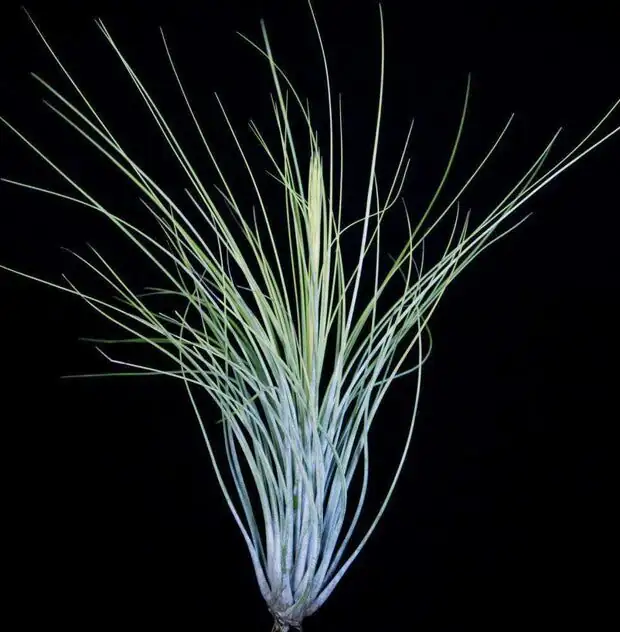
- Habit and size: a tidy, fountain‑shaped tuft of long, narrow green leaves; typically 15–30 cm (6–12 in) tall, spreading to 15–30 cm wide as it pups.
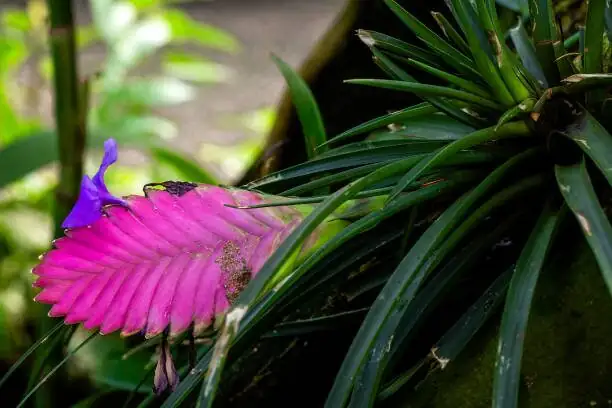
- Bloom show: a vivid pink, comet‑like spike in late spring–summer, topped by small purple tubular flowers that create a jewel-toned contrast.
- Personality: famously forgiving—if you miss a soak, it often bounces back once rehydrated, as long as it dries quickly afterward.
H2: The “silvery dust” decoded: trichomes 101
Trichomes are tiny, overlapping scales that give many air plants their frosted sheen. On T. juncea they’re fine rather than fluffy—think satin, not fur.
H3: What trichomes are (and how they work)
- Form and function: Under magnification, they’re hollow, nail‑shaped scales attached by a tiny stalk. They start as living cells, then hollow out like little cups.
- Instant umbrellas: When they get wet, trichomes swell and lie flat, spreading a thin film of water across the leaf surface—like rolling out a micro water slide.
- The payoff: Water (and dissolved nutrients) wick inward to the leaf’s spongy tissues where the plant absorbs them.
- Bonus features: Trichomes act as sunscreen and anti‑evaporation shields, reflecting intense light and reducing water loss.
H3: Silver is a good sign
- Healthy sheen = active capture. A light, even silvery cast means the plant is well-armed to drink from mist, rain, and your soaks.
- Color shift clues: When fully wet, leaves often look greener as trichomes flatten. As they dry, the silvery bloom returns.
- More silver isn’t always “better”—it’s an adaptation. Ultra‑fuzzy species come from harsher, drier habitats. T. juncea is naturally sleeker but still nicely shimmery.
H2: Style it smart: displays that pamper the trichomes
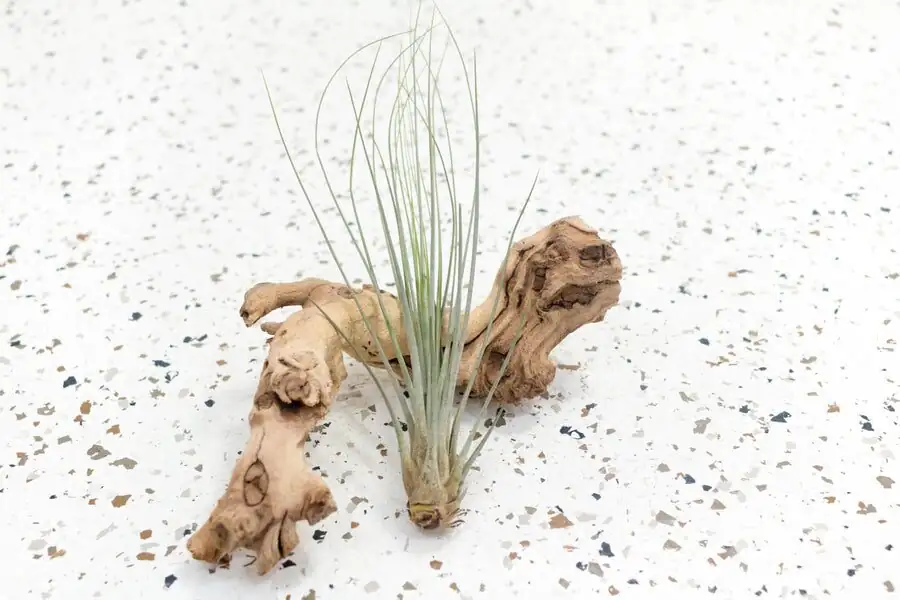
- Air over soil: No potting mix needed. Mount on cork or driftwood, tuck in a mesh basket, or perch on a dry, airy surface.
- Give it breathing room: Choose open terrariums or hangers with airflow; avoid sealed glass.
- Light it right: Bright, indirect light or gentle morning sun. Skip harsh midday sun unless humidity is higher and airflow is excellent.
- The golden trio: 40–70% humidity, strong air movement, and fast drying after every watering.
H2: Watering without wrecking the frosting
T. juncea loves a thorough drink—followed by a fast dry. Here’s a trichome‑friendly routine.
H3: The soak schedule
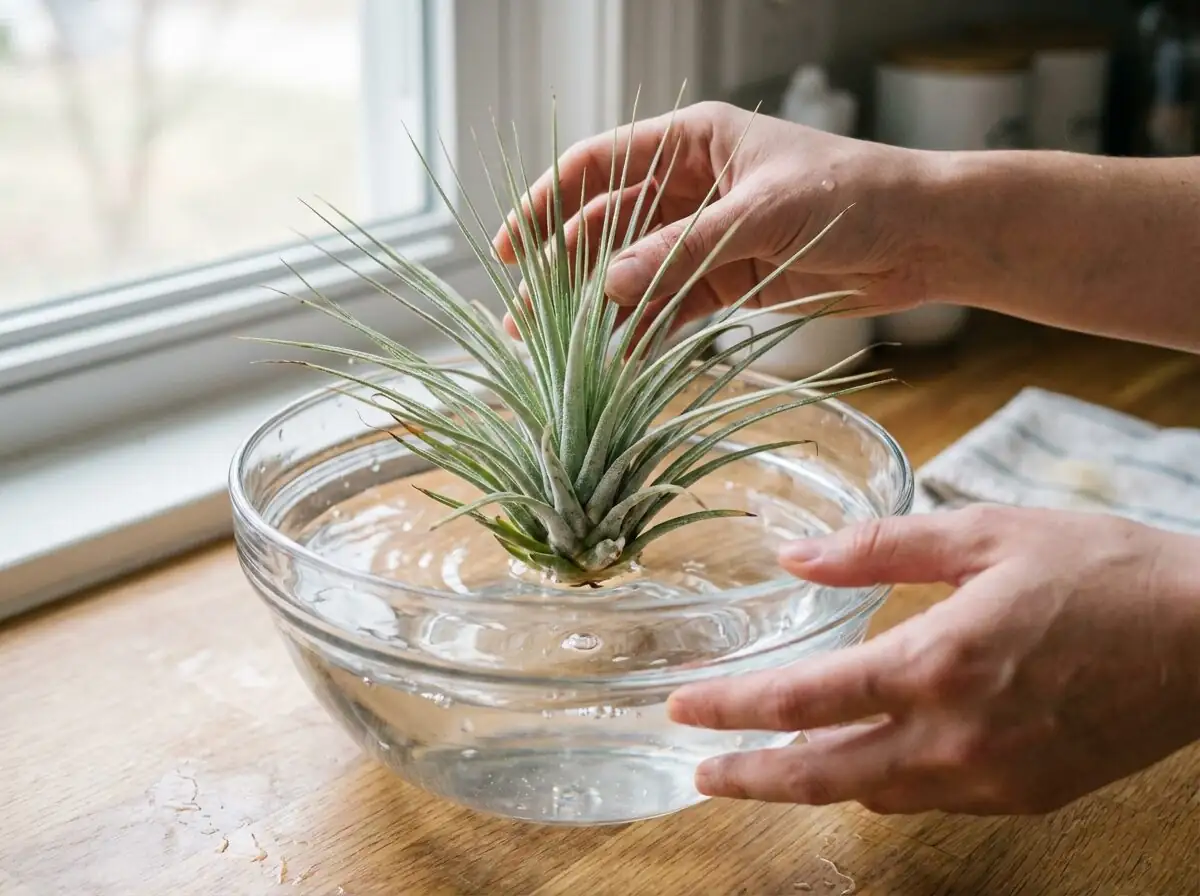
- Warm/dry seasons: Soak 15–30 minutes, 1–2 times per week.
- Cool/low‑light seasons: Soak every 10–14 days.
- After every soak: Gently shake out water and set in strong airflow to dry completely within 2–4 hours (no more than 4). Never leave water sitting in the base.
H3: Water quality matters
- Use clean, low‑mineral water (rain, RO, or well-filtered tap when possible).
- Why: Hard water can crust on leaf surfaces, clogging trichomes and dulling the sheen. If you must use mineral‑rich water, give an occasional rinse with plain low‑mineral water to clear residues.
H3: Handling rules that protect trichomes
- Do:
- Hold by the base or mount, not by rubbing leaves.
- Dust with a squeeze‑bulb blower or a cool, gentle shower.
- Don’t:
- Wipe leaves with cloths, sponges, or paper towels (abrasion = lost trichomes).
- Use soaps, leaf‑shine, oils, or heavy mists that leave residues.
- Blast with high‑pressure sprayers.
Note: If trichomes are scraped off, that patch won’t regain its “frost.” New leaves will grow with fresh scales, so focus on prevention.
H2: Fertilizing that flatters, not fries
Think “light and occasional,” and keep salts off the scales.
- What to use: A bromeliad/air‑plant fertilizer at 1/4 strength, or a low‑copper orchid fertilizer.
- When to feed: Monthly in spring and summer.
- How to apply: Add the diluted fertilizer to a soak. After feeding, a brief rinse in plain water helps prevent mineral buildup on trichomes.
- What to avoid: Heavy, frequent feeding, copper‑rich products, or sticky foliar sprays that gum up the scales.
H2: Environment: the trichome trifecta
- Sunlight: Bright, indirect light or soft morning sun. Protect from harsh midday rays unless humidity and airflow are both excellent.
- Temperature: 18–30°C (64–86°F). Keep above 10°C (50°F).
- Humidity + airflow: Moderate to high humidity (40–70%) paired with strong air movement so the plant dries quickly after watering.
H2: Bloom, pups, and light grooming
- Bloom time: Late spring to summer (timing varies). Expect a bright pink spike that can stay showy for weeks, with small purple tubular flowers near the tip.
- Aftercare: Once the spike fades, trim it. The mother rosette slows down and produces offsets (“pups”) that form a fuller clump.
- Propagation: Separate pups when they’re about 1/3–1/2 the size of the parent—or keep them attached for a lush fountain effect.
- Pruning: Only remove fully brown, dead leaves by gently pulling or trimming.
H2: Buying, safety, and quick saves
- What to look for: Firm, springy leaves; a clean, solid base. Avoid blackened or mushy centers (rot alert). A light silvery cast is normal and healthy.
- Common hiccup: Browning at the base usually signals rot from staying wet too long or poor airflow. Reset with proper soaks, vigorous shaking out, and fast drying.
- Pests: Mealybugs and scale may appear. Dab with cotton swabs dipped in 70% isopropyl alcohol, isolate the plant, and improve airflow.
- Pet/people safety: Generally non‑toxic, but not edible. Keep away from curious chewers.
H2: Myths and micro‑truths about the silver “dust”
- “It’s dust or mildew.” Nope—it’s the plant’s water‑catching armor.
- “A glossy green look is healthier.” Not really. The silver sheen is protective. Leaves look greener when wet because trichomes lie flat; the frost returns as they dry.
- “More handling makes it tamer.” Handle less. Friction removes scales and reduces the plant’s ability to drink and shade itself.
H2: Flower language and symbolism
Air plants like T. juncea are often linked with independence and resilience—fitting for an epiphyte that anchors to trees or rocks and lives without soil, capturing what it needs from the air. While there’s no centuries‑old canon for “air plant flower language,” modern houseplant culture embraces these meanings to celebrate resourcefulness and the beauty of thriving with minimal fuss. In short: T. juncea is living proof that elegance can be efficient.
H2: The quick-care cheat sheet
- Light: Bright, indirect; gentle morning sun is great.
- Water: Soak 15–30 minutes; 1–2x/week in warm/dry weather; every 10–14 days in cooler/darker periods. Shake dry; finish drying in 2–4 hours.
- Air: Strong airflow always; never let water sit in the base.
- Fertilizer: Monthly in spring/summer at 1/4 strength; choose bromeliad/air‑plant or low‑copper orchid formulas. Rinse afterward to prevent residue.
- Styling: Open displays only—no sealed terrariums. Mount on cork/wood or perch in an airy holder.
- Hands: Minimal leaf touching. No wiping, leaf‑shine, soaps, or oils.
With a satin‑silver coat of trichomes and a sleek, fountain form, Tillandsia juncea is where science meets style—your decor gets a designer silhouette, and the plant gets the clever gear it needs to drink from the air. Keep the frosting intact, and this air plant will reward you with effortless elegance and a jewel‑toned bloom when the season’s right.