

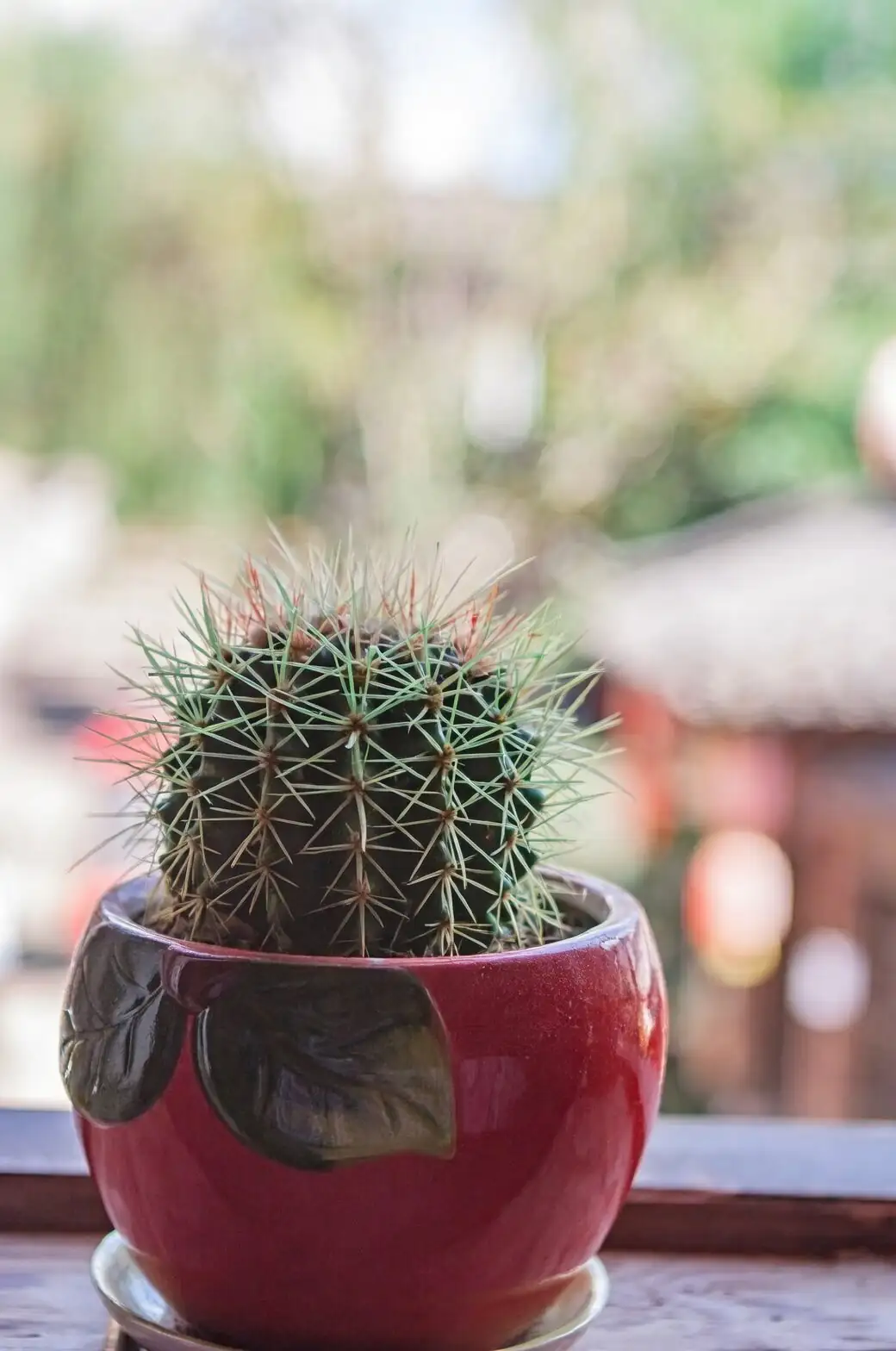
Some plants hand you their identity on a silver label. Others—like the so‑called Sandcastle Cactus—invite you into a puzzle. This knobbly, turreted charmer is a cultivated novelty with a trade name, not a confirmed scientific label. That’s part of the fun. Instead of chasing a tidy species name, let’s learn how to read what the plant is telling us: ribs and areoles, spines and flowers, habits and hints. With a camera, curiosity, and a calm approach, you can narrow the options, care for it beautifully, and maybe even catch those brief pink summer blooms in the act.
Meet the Sandcastle Cactus (what we actually know)
- Look: A ribbed main stem that pops out small, rounded offsets—like little towers around a keep—forming a sculptural, clustered mound over time.
- Size: Often 10–25 cm (4–10 in) tall in small pots; gradually becomes wider as offsets accumulate.
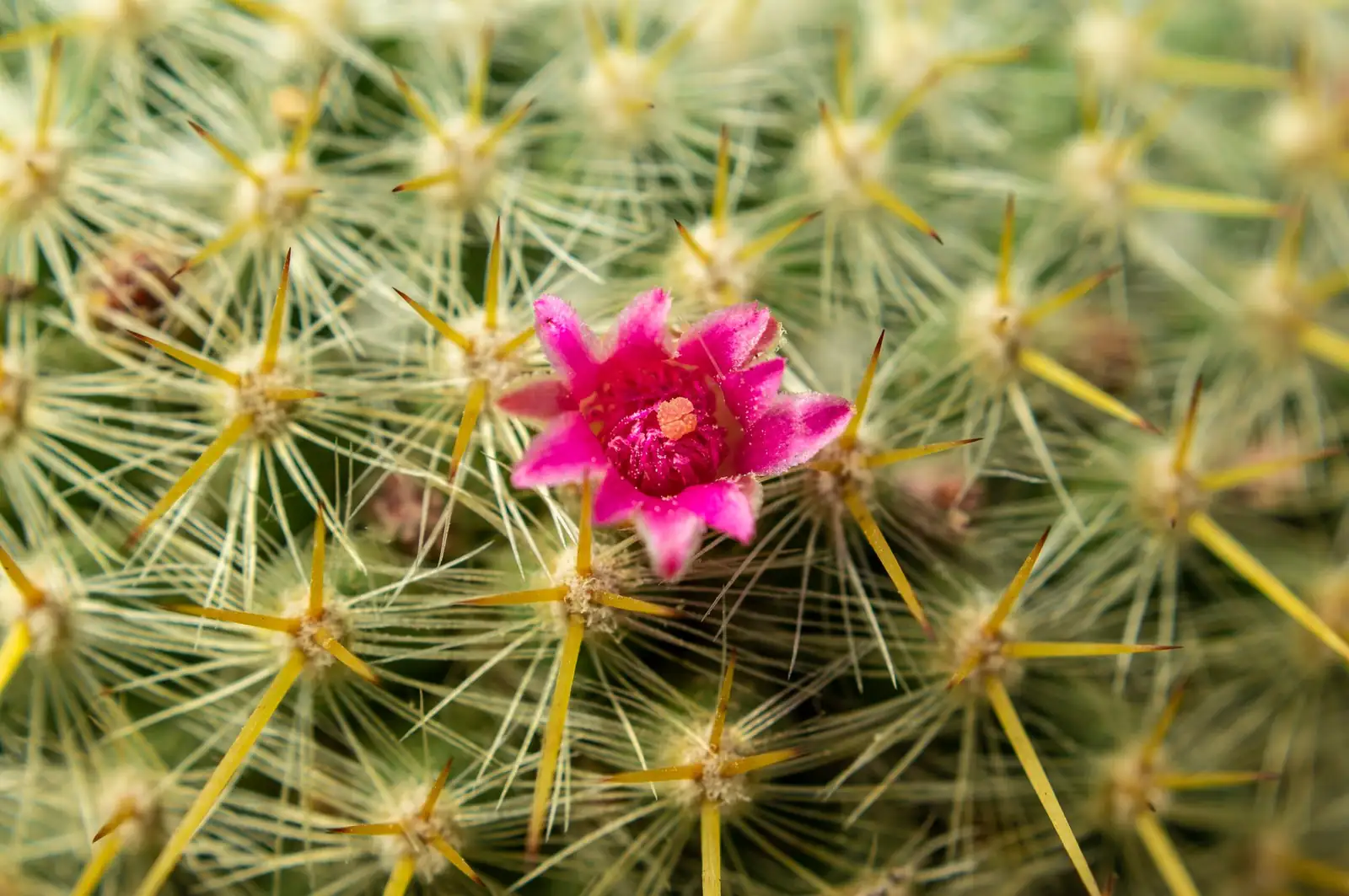
- Flowers: Pink, short‑lived summer blooms that may open only briefly before fading. Blink and you’ll miss them.
- Habit: Clustering/offsetting; the main stem produces rounded side stems that pack together into a textured silhouette.
- Status: A cultivated oddball sold under a trade nickname; exact species/cultivar and wild origin not confirmed.
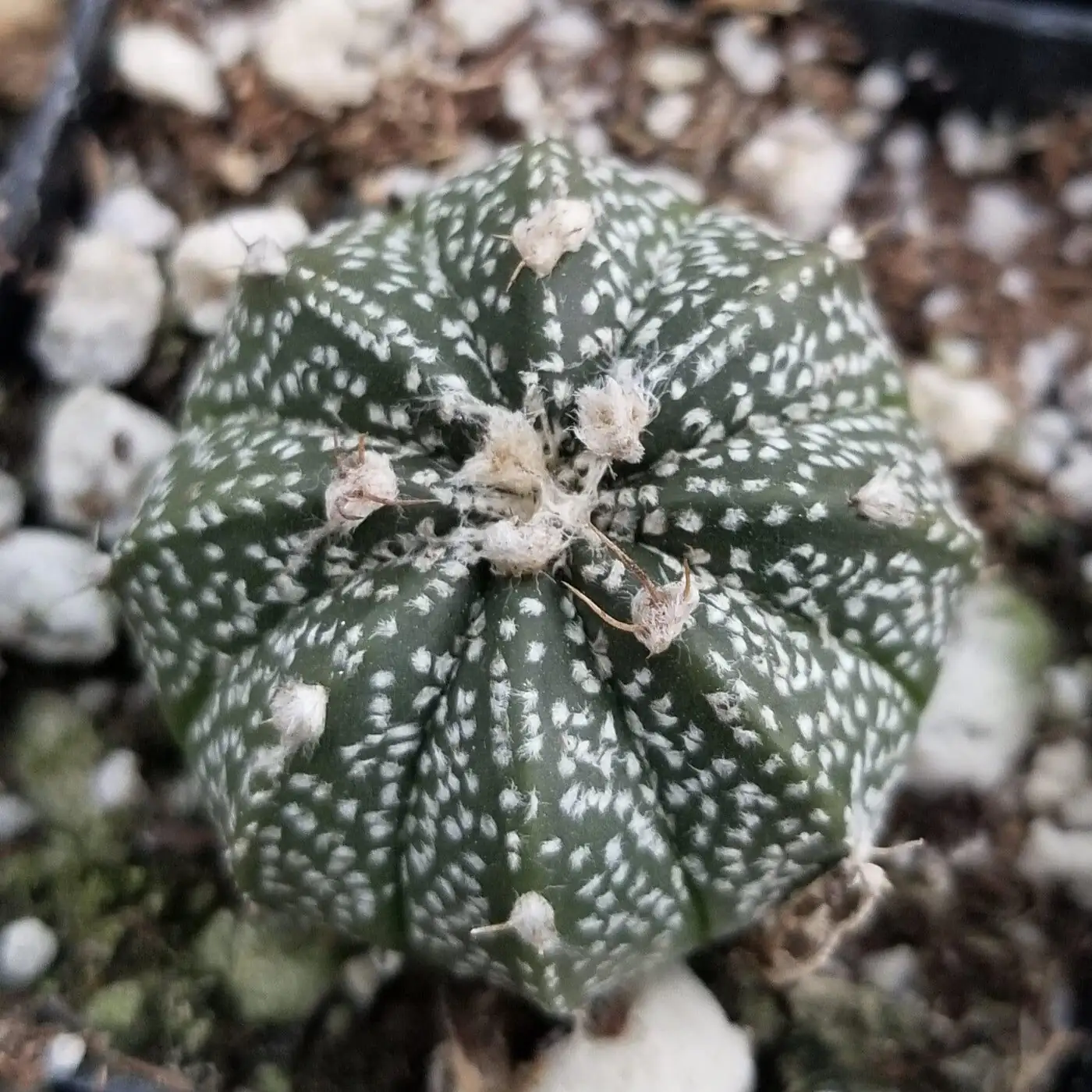
A non‑dogmatic ID workflow: photos that actually help
Think of this as field botany for your windowsill. Good ID starts with good evidence.
How to set up the shot
- Light: Bright, even daylight. Avoid harsh flash and deep shadows.
- Background: Plain backdrop (white card or neutral wall).
- Scale: Include a ruler or coin for size reference.
- Angles to capture:
- Whole plant, side-on
- Top‑down view
- Close‑up of stem ribs/tubercles and areoles
- Base of the plant (where pups emerge, soil line, stem texture)
- Any buds/flowers/fruits (side and face view)
- A spine macro (count, thickness, color)
- The potting mix (grain size) and the label/vendor tag
What to note beyond photos
- Timing of flower opening (morning, midday, night) and how long it lasts.
- Where flowers arise (apex/crown vs. sides).
- Any scent.
- Seasonal behavior (when it rests, when it grows).
Common pitfalls to avoid
- Wetting the plant for photos (glare hides details).
- Filters or color adjustments (they distort epidermis and spine color).
- Cropping out the base or scale—two of the most diagnostic views.
Reading the plant: the features that matter
When you can’t rely on a exact name, let morphology be your compass.
- Ribs vs. tubercles:
- Ribs are continuous vertical “panels.” Tubercles are nipple‑like bumps arranged in spirals or rings.
- The Sandcastle Cactus shows a ribbed main stem with rounded offsets—so note where the ribs continue or break on pups.
- Areoles (the cactus signature):
- Look for small pads/tufts along ribs or on tubercles. Note spacing, wooliness, and whether spines arise from them.
- Areoles are key to distinguishing true cacti from look‑alikes.
- Spines:
- Count radials and centrals per areole.
- Record spine color (new vs. old), thickness, flexibility, and whether any are hooked.
- Offsetting habit:
- Do pups form at the base, from areoles along the ribs, or from the crown? “Sandcastle” types often create rounded side stems from the main body, a clue toward cultivated “odd forms.”
- Flowers:
- Color, shape (funnel vs. bell), and how long they last.
- Position of flowers (apical ring, crown, or lateral).
- Floral tube details (scales, hairs, or bristles if visible).
- Fruit/seed (if you’re lucky):
- Note color, texture (spiny or smooth), and whether fruits split when ripe.
- Quick rule‑outs:
- Glochids (tiny barbed hairs) suggest opuntioids (prickly pears, chollas). Their absence nudges you away from that group.
- Milky latex points to many Euphorbia species—not cacti. True cacti have areoles; euphorbias do not.
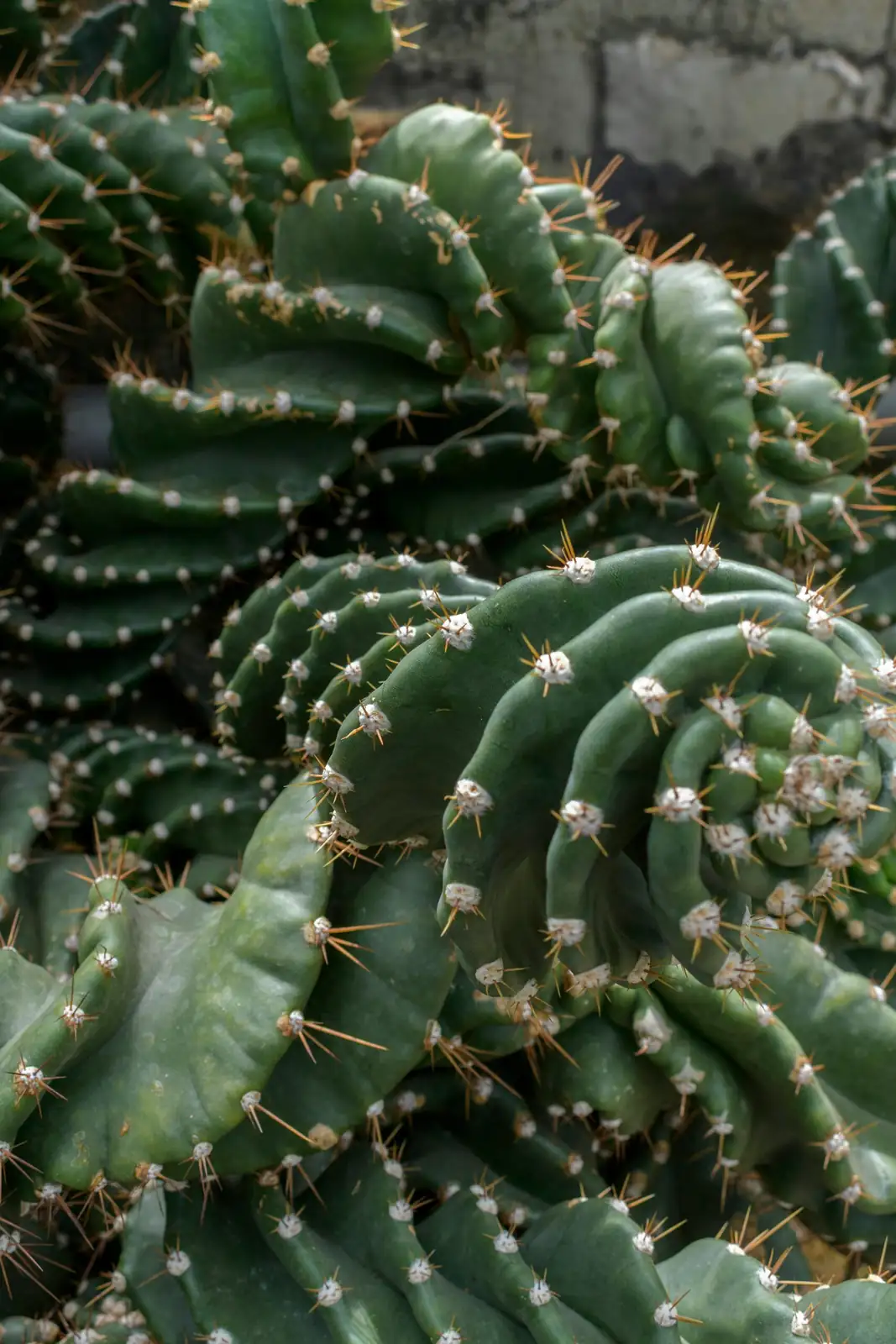
Where “Sandcastle” types often get compared (without locking it down)
You’ll see look‑alike suggestions. Treat them as leads, not verdicts.
- Mammillaria:
- Typically tubercles (not continuous ribs) and a ring of small flowers near the apex.
- Many offset freely, but the strong rib of the main stem in “Sandcastle” leans away from a classic Mammillaria look.
- Gymnocalycium:
- Distinct ribs, often pink/white/cream flowers, many opening in daylight and sometimes briefly.
- Can offset, though usually not in rounded “turrets.” Worth comparing rib shape, areole spacing, and flower tube scales.
- Echinopsis (incl. cultivated odd forms):
- Ribbed globes/short columns; numerous hybrids and monstrose forms exist.
- Flowers vary widely; some are brief. The knobbly clustering points to a selected “odd-form”—compare with Echinopsis cultivars.
- Parodia/Notocactus:
- Ribbed, often with woolly areoles; some offset. Flowers commonly daisy‑like and longer‑lasting, often yellow—less like the fleeting pink of our plant, but not impossible.
- Rebutia/Sulcorebutia:
- Clumping globulars with flowers from the lower sides; ribs often expressed as tight spirals of tubercles rather than broad panels.
- Opuntioids (prickly pears, chollas):
- Segmented pads or joints with glochids—quite different from a ribbed, turreted mound. Usually easy to rule out here.
The point isn’t to force a name; it’s to triangulate. Your photos and notes will help experienced growers say “likely in this cluster of genera,” which is often the best, truest answer for cultivated oddities.
Forums and databases: how to use them without chasing myths
- Post like a botanist:
- Include all angles and notes above, plus your growing region and the plant’s flower schedule if known.
- Ask for features, not just names:
- “What characters suggest Gymnocalycium vs. Echinopsis here?” invites teaching, not guesswork.
- Beware marketing labels:
- Trade names travel; the same nickname may tag different plants. Treat them as décor, not data.
- Request receipts:
- When someone proposes a genus/species, ask what specific traits support it and whether similar verified specimens exist.
- Keep the tag tentative:
- Use “cf.” (compare with) or “aff.” (affinity to) if you keep a working label. Update it only when new evidence is strong—especially after it flowers.
- Track the plant over seasons:
- Flowering time, bud position, and fruit are often the clinchers. Your future photos may solve today’s mystery.
Care cheat‑sheet for the Sandcastle Cactus
- Light: Bright light to full sun; aim for 4–6+ hours of direct sun. Acclimate gradually to avoid scorch.
- Watering: Soak thoroughly, then let the mix dry completely before watering again. Typically every 10–21 days in warm, bright conditions; much less in winter. Never let the pot sit in water.
- Soil: Very free‑draining cactus/succulent mix; boost with mineral grit, pumice, or similar.
- Temperature: Best at 18–30°C (64–86°F). Keep above about 5–10°C (41–50°F), especially if the mix isn’t bone‑dry. Not frost‑hardy; roughly USDA 10–12 outdoors.
- Humidity: Low to average. Avoid stagnant, humid air.
- Feeding: Lightly in spring–summer with cactus fertilizer at 1/4–1/2 strength every 4–6 weeks. No feeding in winter.
- Repotting: Every 2–3 years or when root‑bound, ideally in spring. Keep dry for 5–7 days after repotting.
- Propagation: Offsets root readily. Twist or cut a small rounded stem, let it callus 3–7 days, then place on dry, gritty mix. Begin very light watering after roots form.
- Pruning: Mostly unnecessary; remove only dead/damaged offsets with a clean blade.
- Seasonal rhythm:
- Spring–Summer: maximize light, water only after full dry‑down, feed lightly.
- Autumn: reduce water as days shorten.
- Winter: bright and cooler if possible; keep much drier.
Buying and staying healthy
- Choosing a plant:
- Look for a firm, solid body with no soft spots, blackening, or sour/rotting smell.
- Inspect the base for rot and check between clustered stems for mealybugs.
- Pests and problems:
- Mealybugs (especially in crevices), scale, spider mites. Biggest risk: base/root rot from excess moisture.
- Improve airflow and light; treat pests with insecticidal soap or alcohol swabs; consider a systemic where appropriate and legal.
- Safety:
- Not known to be highly toxic, but spines and sap can irritate skin. Keep away from children and pets; chewing may cause mild GI upset.
Flower FAQs
- Why aren’t the flowers lasting?
- Many cactus blooms are naturally short‑lived—sometimes just a day. Strong light, a bright warm summer, and a cooler, drier winter rest nudge it to repeat the show.
- Why is it getting soft at the base?
- Often rot from excess moisture or poor drainage. Stop watering, boost light and airflow, and unpot to remove rot if needed. Healthy sections can sometimes be saved by callusing and re‑rooting.
Symbolism and “flower language”
Cacti are often associated with resilience, patience, and quiet endurance—apt for a plant that stores life in green architecture and waits for perfect moments to bloom. The idea of “flower language” (the Victorian impulse to assign meanings to blooms) drapes romance over botany; with cacti, the short, exquisite flowering adds a twist: beauty that rewards attentiveness. A fleeting pink flower after months of careful restraint can symbolize mindful timing—knowing when to conserve and when to spend energy.
Quick field checklist for your next ID post
- Whole-plant shots (side and top) with scale
- Close-ups: ribs/tubercles, areoles, spines
- Base and soil line
- Any buds/flowers/fruits (with times of opening)
- Notes on scent, growth season, and where pups emerge
- Your growing conditions (light, temperature, watering rhythm)
- Vendor tag/trade name (not as proof, but as context)
Mystery is not a failure; it’s the spark. Treat your Sandcastle Cactus like a tiny architectural riddle: document it well, grow it well, and let the plant teach you its identity on its own sun‑bright schedule.