

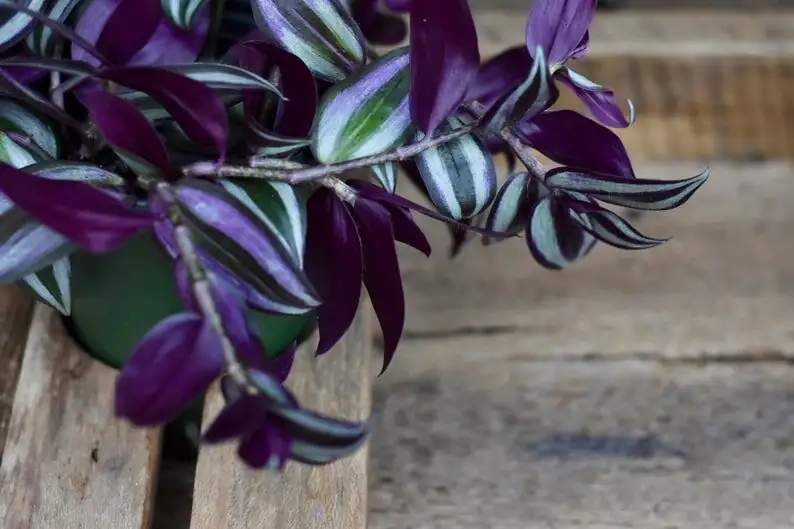
Shimmering silver stripes, deep purple undersides, and a cascade that turns any shelf into a living waterfall—Tradescantia zebrina (often called Inch Plant) is undeniably eye-catching. It’s also a plant with “spicy” sap: usually nothing dramatic, but enough to irritate sensitive skin and tummies if chewed. The good news? With a few smart habits, you can display it proudly—front and center—while keeping kids, pets, and your own hands perfectly comfortable.
Note on names: You’ll see several aliases for this plant. “Inch Plant” is the most widely used neutral common name. An older common name is now considered offensive and best avoided.
How “irritating” is the sap, really?
- What to expect: The sap can irritate skin in sensitive people and may cause mild mouth or stomach upset if chewed by pets or children.
- Typical, temporary symptoms:
- Skin: mild redness, itchiness, or a stinging feeling where sap touched.
- Mouth/ingestion: drooling, pawing at the mouth (pets), mild nausea, or a brief tummy upset.
- What it’s not: This plant isn’t known for severe poisoning. Issues are usually mild and short-lived—but prevention and quick cleanup keep everyone happiest.
First aid made simple
- For your skin
- Rinse with lukewarm water and soap promptly.
- Avoid touching your eyes until you’ve washed your hands.
- If redness or itch persists, a cool compress helps. Sensitive folks may use a gentle over-the-counter hydrocortisone cream per label directions.
- For eyes
- Rinse with clean, lukewarm water for several minutes.
- Seek medical advice if irritation lingers or vision changes.
- For children (nibbled a leaf?):
- Wipe/rinse the mouth with cool water.
- Offer a sip of water or milk.
- Watch for mild drooling or tummy upset; call your healthcare provider if symptoms persist or you’re concerned.
- For pets
- Gently wipe the mouth with a damp cloth and offer fresh water.
- Most cases resolve quickly. Contact your vet if there’s persistent vomiting, significant drooling, swelling, or unusual lethargy.
Glove, trim, and tidy: safe-handling habits that feel second nature
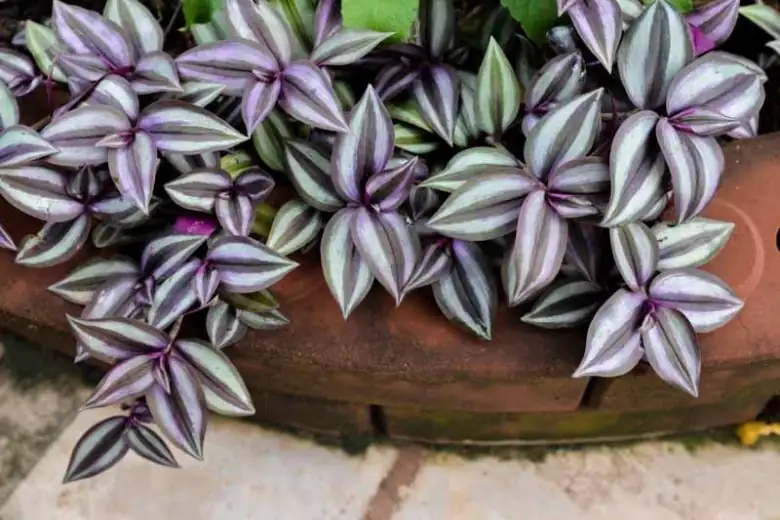
- Before you snip
- Wear disposable nitrile or latex gloves if you’re prone to irritation (nitrile grips well when stems are juicy).
- Use sharp, clean shears. Keep a small towel nearby to catch sap.
- During pruning
- Avoid brushing sap across your wrists or forearms—long sleeves help.
- Don’t touch your face or phone until you’ve washed up.
- Aftercare and cleanup
- Wash hands, forearms, and tools with warm soapy water.
- Wipe any sap drips from shelves, floors, or pots with a damp, soapy cloth; rinse and dry the surface.
- Launder sap-marked cloths normally.
- Dispose of trimmings responsibly. In frost-free climates, this plant can spread if tossed outdoors—bag and bin rather than composting outside.
Pet- and kid-smart display ideas that don’t hide your plant
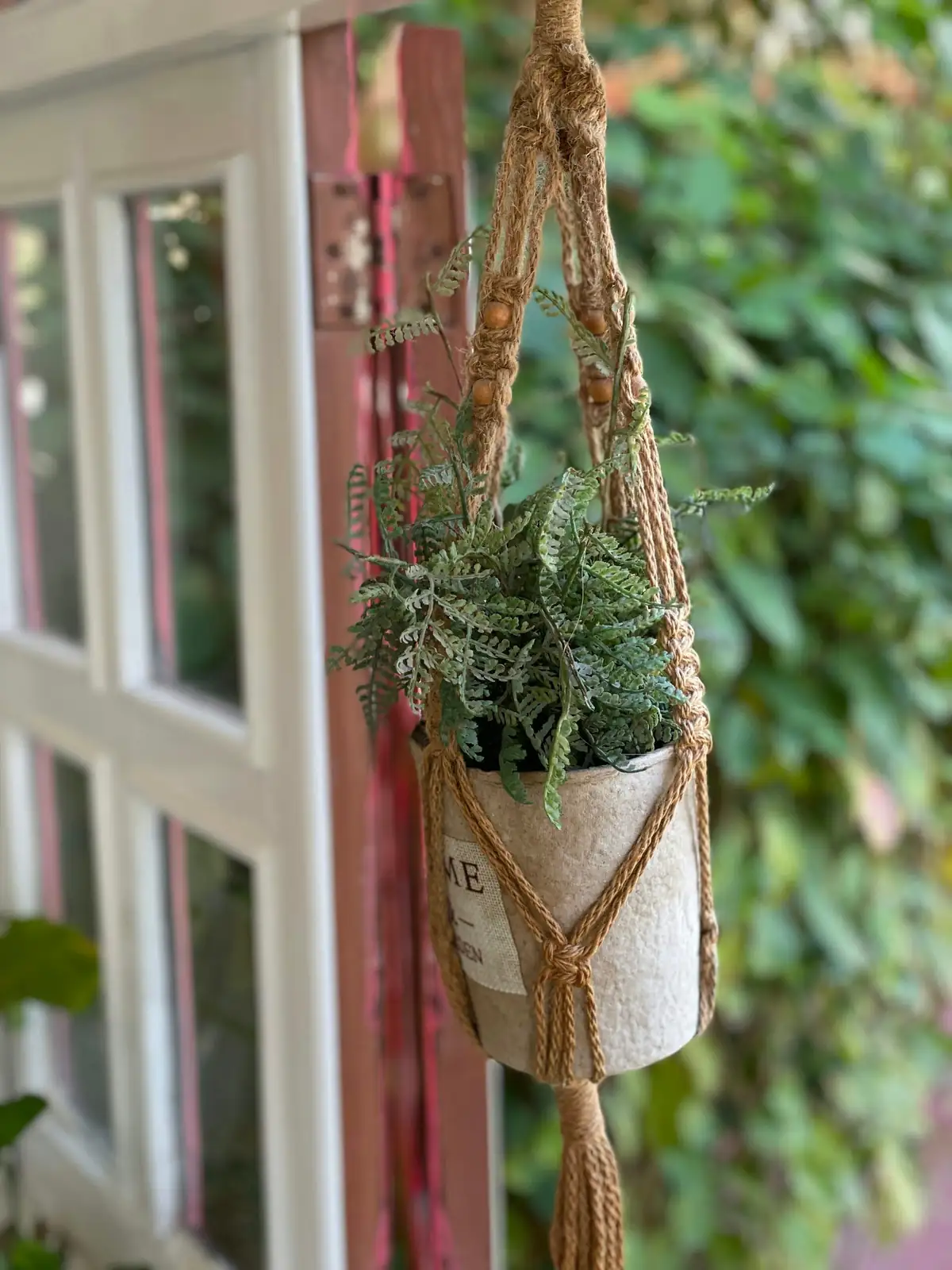
You don’t have to banish that beautiful cascade. Elevate it—literally and stylistically.
- Ceiling-hung statements
- Hang in bright, filtered light—an east-facing window is perfect. Use a secure ceiling hook and a deep hanging basket so stems can spill without brushing heads or paws.
- Gallery shelves with guard rails
- Mount sturdy, bracketed shelves at adult eye level. Choose shelves with a front lip or add a clear acrylic strip so trailing stems drape elegantly but stay just out of reach.
- High bookcases and kitchen pass-throughs
- Top shelves turn your Inch Plant into living trim. Rotate the pot occasionally for even color, and keep it a handspan back from the edge.
- Wall planters with a clear face
- Wall-mounted pockets with a removable clear acrylic front keep the look airy while acting as a splash guard against playful paws.
- Partition perches
- On room dividers or tall cabinets, let the plant trail down the “off-limits” side—great for open-plan homes with curious toddlers or cats.
- Porch perfection (frost-free or summer-only)
- Bright shade outdoors gives phenomenal color. Keep baskets high and out of traffic; bring the plant in before temps drop near 10°C/50°F.
Extra peace-of-mind tips
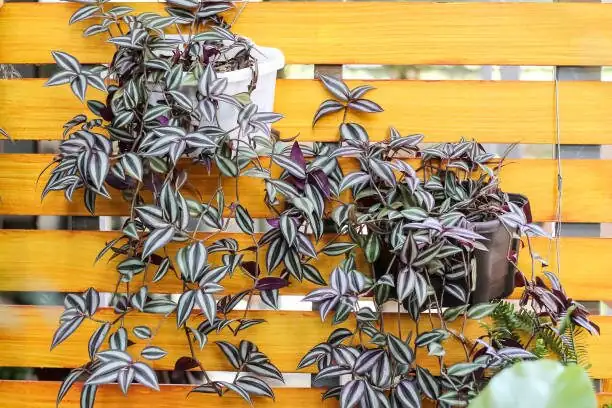
- Train, don’t chase: Teach kids a simple “look, don’t taste” house rule. Offer a safe, touchable plant nearby (like a soft fern) to redirect curiosity.
- Cat deterrents, minimally visible: Place a clean, open-weave mesh around the soil surface for the first couple of weeks, or use a plant stand in a location cats can’t easily launch from. Avoid flimsy suction-cup shelves for households with heavy or athletic cats.
- Keep rooting jars out of sipping range: If you propagate cuttings in water, place jars where pets can’t drink from them.
A quick style-and-care cheat sheet for thriving, safer displays
- Light
- Bright, indirect light to light shade is ideal. Gentle morning sun is fine; harsh midday summer sun can scorch or yellow leaves.
- Water
- Water thoroughly, then let excess drain. Water again when the top 2–3 cm (about 1 in) is dry. Keep lightly moist spring–autumn; go easier in winter.
- Humidity and air
- Average home humidity is fine, though tips may brown in very dry air. Light misting is okay if airflow is good.
- Size and habit
- Trailing stems commonly reach 30–90 cm (12–35 in). It roots readily at nodes and loves a haircut—pinching makes it fuller.
- Pruning and refresh
- Pinch often for bushiness. If it gets leggy, cut back hard and re-root the freshest tips for a plush “new” pot.
- Fertilizer
- During active growth, feed lightly: either diluted every two weeks or at label strength about monthly. Avoid overdoing nitrogen, which can fade the stripes.
- Temperature
- Best around 18–22°C (64–72°F). Keep above 10°C (50°F) and away from cold drafts.
Spotting and soothing: common pet and child signs at a glance
- Pets
- Likely: drooling, pawing at the mouth, a little vomiting, mild skin redness where sap touched.
- Action: wipe, offer water, monitor; call the vet for persistent or severe symptoms.
- Children
- Likely: brief mouth discomfort, drooling, mild tummy upset if chewed.
- Action: rinse mouth, offer water or milk, monitor; seek advice if symptoms don’t resolve or you’re worried.
Keep the drama in the foliage, not the living room
Tradescantia zebrina is a natural show-off, and it deserves to be seen. By hanging it high, trimming with simple glove-and-soap habits, and giving curious hands and paws a little distance, you get the full sparkle of those purple-and-silver stripes—no hiding required, no stress attached.
P.S. A tiny flower bonus
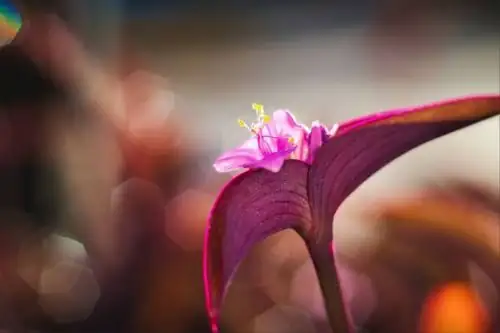
In bright conditions, you may get dainty three-petaled blooms in pink to lavender. Think of them as a polite wink from a plant that’s equal parts easygoing and exuberant—resilient enough to bounce back from a haircut and still look fabulous in the process.