

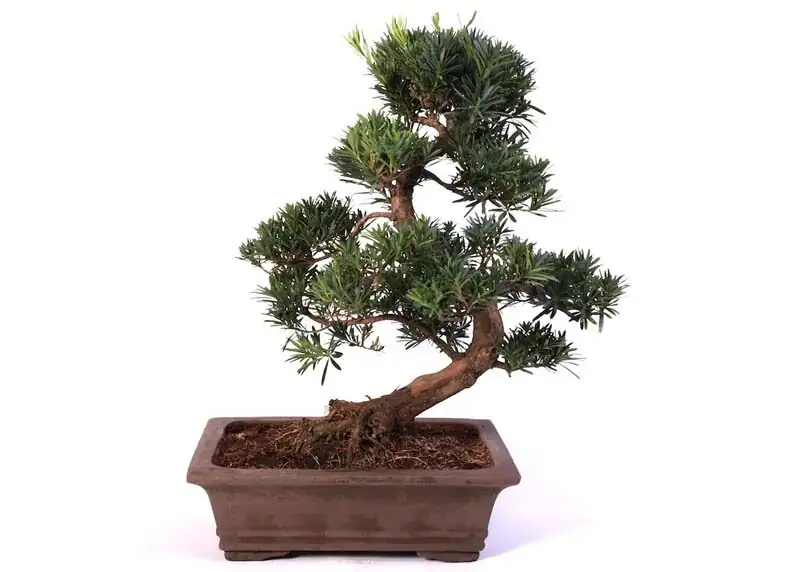
If you love the serene, cloud‑pad silhouette of Buddhist pine (Podocarpus macrophyllus) but share your home with curious chewers, this is your safety-first field guide. We’ll keep it calm, factual, and practical: what trusted references say, how to prevent problems, and exactly what to do if a pet mouths the leaves or fruit.
Meet Buddhist pine, fast
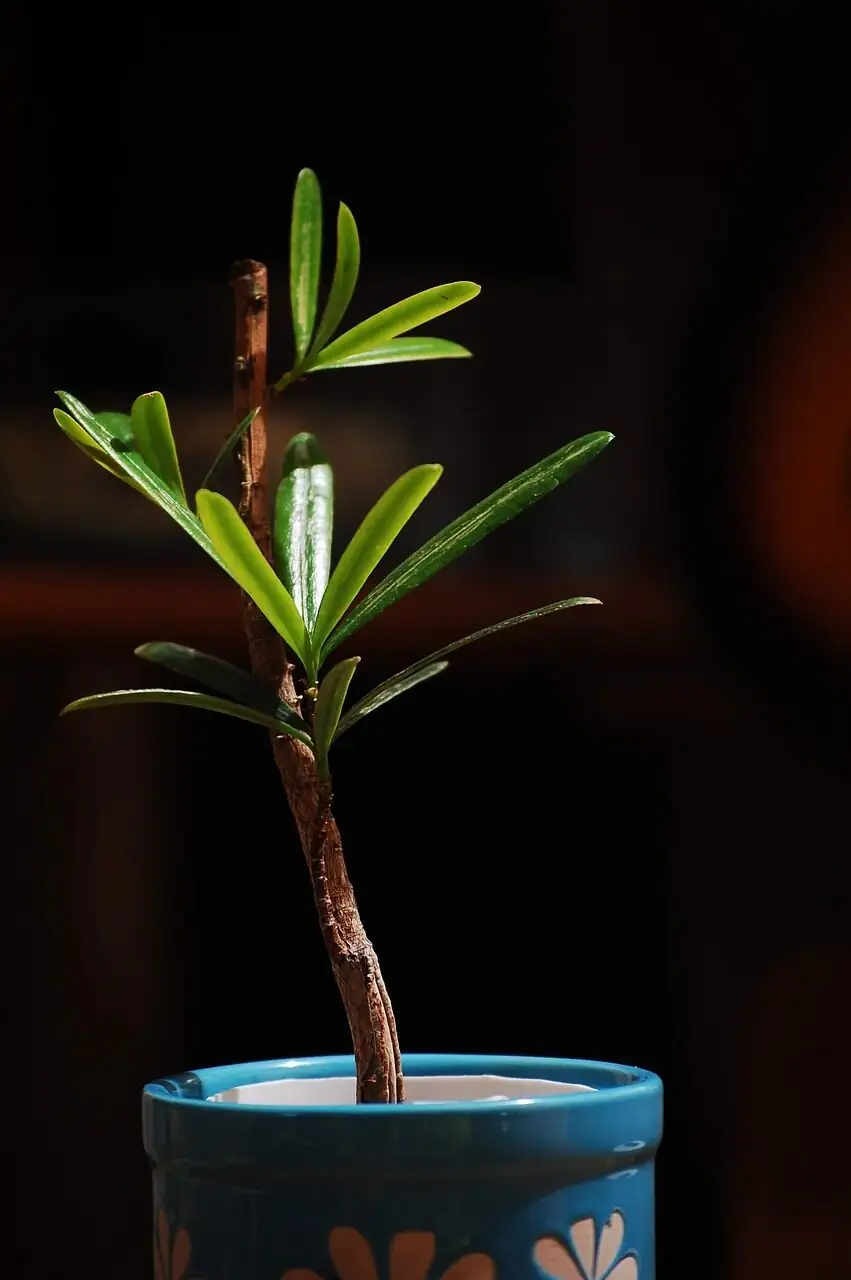
- What it is: An evergreen from China and Japan, treasured for bonsai and tidy container specimens. Dense, leathery, narrow leaves; small, inconspicuous spring flowers; on female plants, a fleshy, berry‑like structure develops around the seed.
- Why it’s confusing: It’s often sold under names like Podocarpus, Yew Plum Pine, Japanese Yew, or Southern Yew. Despite those “yew” names, it is not a true yew (Taxus). That naming overlap fuels a lot of mixed messages online.
Toxicity—what reliable sources and clinicians report
Because plant labels and common names blur lines, it helps to separate Podocarpus from true yews, then look at the best current pet-safety references.
- Pet Poison Helpline (veterinary toxicology resource): Lists Buddhist pine (Podocarpus) as potentially poisonous to dogs, cats, and horses, with primarily gastrointestinal signs (vomiting, diarrhea, decreased appetite). They note an “unknown toxin” in foliage and the fleshy fruit; severity is generally mild compared with true yews (Taxus), which are far more dangerous.
- Individual veterinary opinions (case-based): Some clinicians describe Podocarpus ingestion as causing local GI irritation—still unpleasant and potentially dehydrating, but typically not life‑threatening in small amounts.
- Context about “yews”: The ASPCA’s well-known toxic plant lists include true yews (Taxus spp.) as highly toxic to pets. Podocarpus is a different genus, but because it’s often sold as “Japanese yew,” people worry it’s equally deadly. It isn’t the same plant, and current pet-poison references treat Podocarpus as a milder risk centered on GI upset.
Bottom line from a safety standpoint: Treat Podocarpus as a “potentially harmful if chewed” plant. Prevent access, and call a vet or poison-control resource if ingestion occurs—especially for small, senior, or medically fragile pets.
Who’s most at risk?
- Cats and indoor dogs that nibble foliage out of boredom or curiosity
- Puppies/kittens and pets that like to dig or chew houseplants
- Homes with female Podocarpus that set the fleshy fruit—fallen pieces can attract explorers
- Grazing animals (e.g., horses) with access to hedges or prunings
Practical, common-sense precautions
- Place it smartly
- Keep containers off traffic routes pets use (window perches, sofa backs, cat trees).
- Use sturdy plant stands or shelves that aren’t jump platforms.
- Make the plant less interesting
- Use an airy, decorative topdressing (coarse grit, gravel) over the soil to deter digging.
- Keep the canopy neatly clipped so no tempting low sprigs hang within reach.
- Housekeeping habits
- Bag and bin prunings immediately; sweep up any fallen fruit on female plants.
- Wash hands after pruning or repotting; keep tools out of reach.
- Set your household up for success
- Provide safe chew toys and cat grass as “legal” alternatives.
- If you’ve got a relentless plant snacker, consider relocating Podocarpus behind a door or choosing a plant verified as non-toxic by your preferred pet-safety authority.
If your pet nibbles leaves or fruit: a simple action plan
- Remove access. Take away remaining plant material and move your pet to a safe area.
- Gently clear the mouth. Wipe out visible bits; offer fresh water. Don’t induce vomiting unless a veterinarian directs you to.
- Estimate exposure. Note what was eaten (leaf vs. fruit), how much, and when. Snap a photo of the plant for confirmation.
- Call your veterinarian or a veterinary poison helpline for tailored advice, especially for seniors, very young pets, or those with underlying disease.
- Monitor at home if advised
- Watch for vomiting, diarrhea, drooling, lip-smacking, pawing at the mouth, decreased appetite, or lethargy over the next 6–24 hours.
- If vomiting persists, there’s bloody stool, your pet becomes markedly dull, or you see any concerning neurologic signs, seek in‑person care promptly.
- What not to do
- Don’t give milk, salt, oils, or home remedies.
- Don’t use activated charcoal or over-the-counter meds without veterinary direction.
Special note for horses: Remove from the source, withhold feed, and call your equine vet if you see signs of colic (pawing, looking at the flank, rolling, less manure).
Quick ID helps in a hurry
- Leaves: Dense, leathery, narrow, lance-shaped, deep green.
- Habit: Evergreen with strong tolerance for pruning; often trained into layered bonsai “cloud-pads.”
- Reproductive bits: Small, inconspicuous spring flowers; on female plants a fleshy, berry-like receptacle forms around a hard seed.
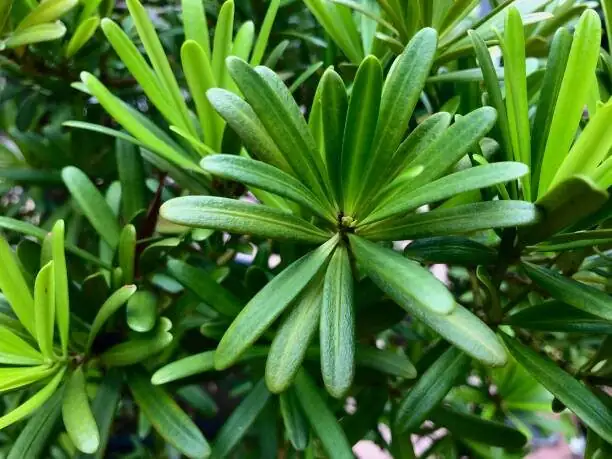
Why the “Japanese yew” label matters
- True yews (Taxus spp.) are highly toxic and often share the “yew” moniker.
- Podocarpus macrophyllus is not a Taxus. Mislabeling or shorthand names can lead to over- or under-reaction during an exposure. When in doubt, bring a plant sample or high-resolution photo to your vet.
For families with children
There’s no food use for this plant; teach kids not to sample houseplants. If a child ingests any part, contact your local poison-control center for guidance and observe for GI upset.
The bottom line
Buddhist pine is a beautiful, trainable evergreen that shines in bonsai and containers—but it’s best treated as a “look, don’t lick” plant. Keep it out of reach, tidy up prunings and fruit, and be ready with a calm plan if a curious pet takes a taste. Most exposures lead to short‑lived tummy trouble, but prompt, informed action keeps a minor nibble from becoming a bigger ordeal.