


Buddhist pine (Podocarpus macrophyllus) is the tidy, glossy evergreen you can dress up like a design classic—sleek in a matte pot, sculptural on a pedestal, even minimalist in water culture. But there’s one house rule: safety first. Podocarpus species are widely reported as toxic if ingested, especially to pets. Here’s your stylish, practical briefing—how to place it, what to watch for, and exactly when to call the vet—without cramping your decor.
The risk, clearly explained
- What it is: An evergreen shrub to small tree from China and Japan, sold as Buddhist pine, Yew Plum Pine, Japanese Yew (a trade name), or simply Podocarpus.
- Important distinction: It’s not a true yew (Taxus), but do not be lulled—treat it as unsafe to nibble.
- Reported toxicity: Toxic to dogs, cats, and horses if ingested. Clinical signs commonly include vomiting and diarrhea (colic in horses). The exact toxic principle is not well defined, so err on the side of caution.
- Safety takeaway: Keep out of reach of pets and children; seek veterinary/medical advice if any part is eaten.
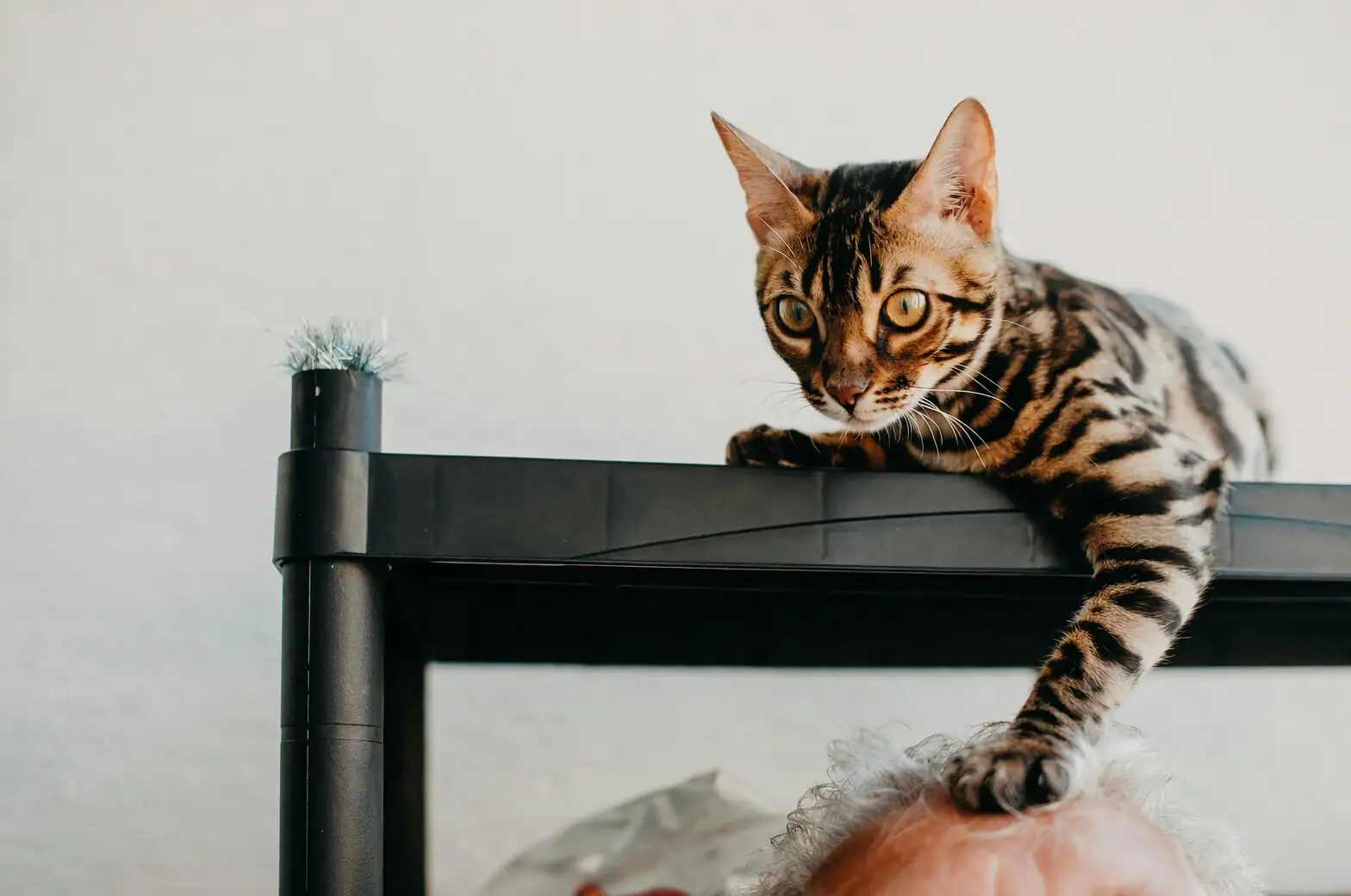
Style it high, safe, and beautiful
You can absolutely enjoy Buddhist pine indoors without inviting trouble. The trick is thoughtful placement that respects the plant’s light and temperature needs while putting it beyond curious noses.
Best light and climate for placement
- Light: Bright, indirect light to partial shade. East-facing windows are ideal; south windows are fine if filtered through a sheer curtain. Avoid harsh direct sun.
- Temperature: 13–25°C (55–77°F). Keep above 10°C (50°F) in winter; protect young plants below 5°C (41°F). Avoid heating vents and cold drafts.
- Humidity: Moderate (around 50–60% indoors keeps leaves glossy). Occasional light misting helps in dry air.
Pet-proof, design-forward placement ideas

- Elevated, stable displays
- Sturdy, weighted plant stands with a lip; place 1–2 feet from the window and filter strong sun with sheers.
- Wall-mounted shelves or picture ledges with a front rail; choose secure brackets and avoid launch points like nearby furniture.
- Tall console tables positioned behind a sofa (a natural pet barrier), near an east window.
- Behind glass (chic and safe)
- Greenhouse cabinets (the trending “glass cabinet” look): great airflow + display cachet; place near filtered light.
- Large glass cloches or acrylic display boxes for smaller specimens; ventilate to prevent heat build-up.
- Water-culture styling, safely
- Use a heavy glass or ceramic vessel; anchor roots with large LECA or stones.
- Fit an acrylic or wooden collar/lid with a plant slot to block paws and snacking.
- Change water every 3–5 days; add hydroponic nutrients monthly.
- Outdoor-sheltered options (balconies, porches)
- If temperatures stay above 10°C (50°F) for young plants, display on a high shelf or rail planter out of reach. Bring indoors for cold snaps.
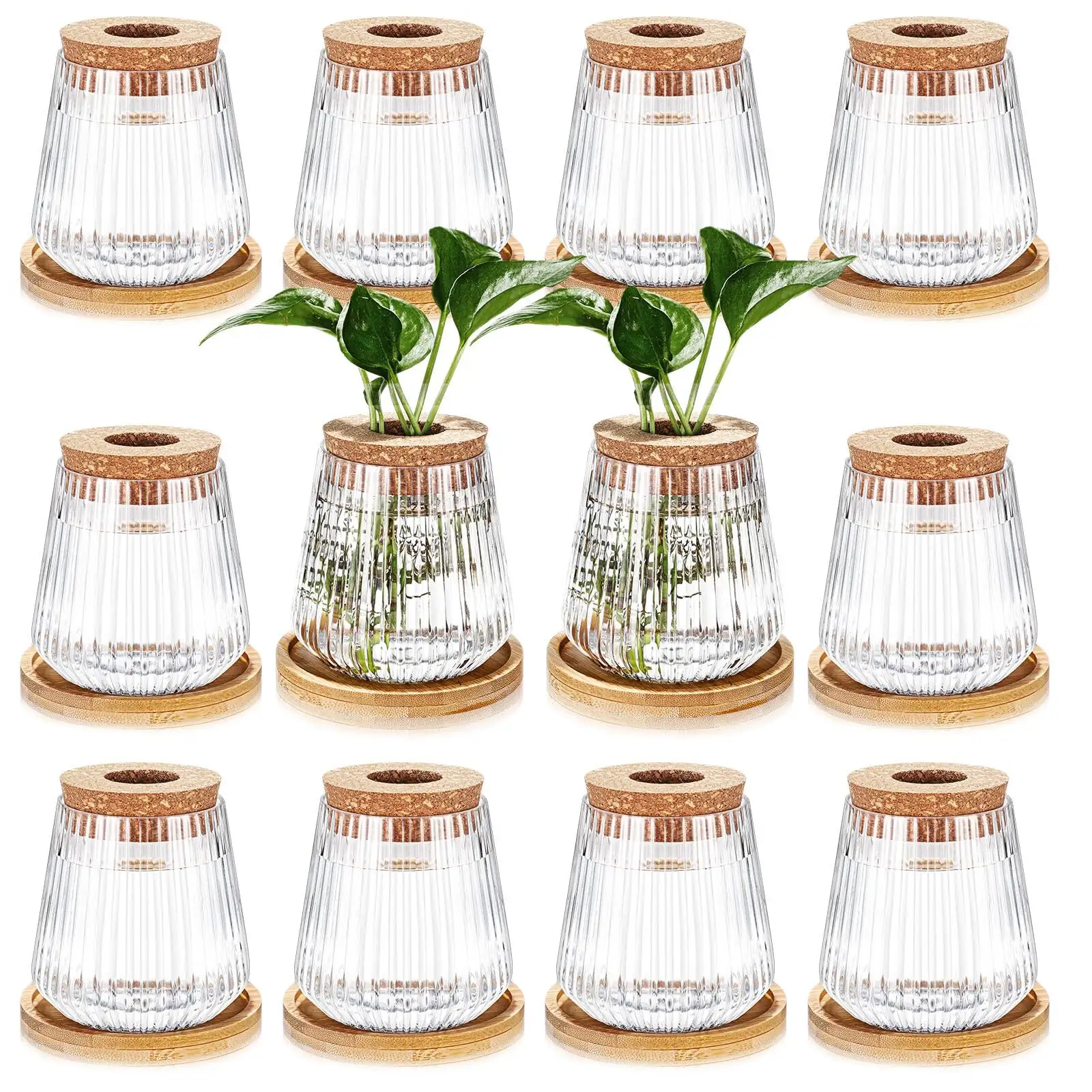
Pro move: Keep the floor around your Podocarpus spotless. Pick up any shed leaves or berry-like arils promptly—pets explore with their mouths.
Training and deterrents that actually work
- Offer a “yes” garden: Place an enticing pot of cat grass or cat-safe herbs (e.g., thyme) where your cat already lounges. Reward interest in those, not your Podocarpus.
- Use positive reinforcement: Clicker-train “leave it” and “off” with high-value treats.
- Make launchpads unappealing: Use double-sided tape or a textured mat on furniture that serves as a jump route.
- Deterrent sprays: If needed, apply pet-safe deterrent on access points (not on the plant). Always spot-test surfaces.
Care that supports safety (and great looks)
A thriving plant drops fewer leaves and is less tempting.

- Watering: Keep the potting mix evenly moist—never soggy, never bone-dry. Typically about weekly in active growth; adjust to pot size, light, and season. Empty saucers after watering.
- Potting mix: Use a free-draining blend (leaf mold/compost + loam + coarse sand) with excellent drainage. A gritty layer at the pot base helps.
- Feeding: Monthly in spring and autumn with a balanced fertilizer; stop in winter. In water culture, add hydroponic nutrients monthly.
- Pruning: Trim to shape if it gets leggy; cutting back encourages fuller side shoots.
- Pests: Watch for scale insects; wipe off and treat with horticultural oil or insecticidal soap. Keep pets away until residues dry.
Warning signs and when to call the vet
If you suspect your pet has nibbled Podocarpus:
- Gently remove any plant material from their mouth and offer fresh water to rinse.
- Identify the plant (photo, label, or sample).
- Call your veterinarian or ASPCA Animal Poison Control (U.S.): 888-426-4435. Don’t wait for symptoms to appear.
- Do NOT induce vomiting or give home remedies unless a professional instructs you to.
- Share key details: species (Podocarpus macrophyllus), amount eaten, time of exposure, your pet’s weight, and any signs.
Common signs to watch for:
- Dogs and cats: vomiting, diarrhea
- Horses: colic (abdominal pain)
Any sudden lethargy, repeated vomiting, or worsening signs warrant immediate veterinary care.
Quick answers to common questions
- Is Buddhist pine the same as deadly yew? No—different genus. Still, it’s reported toxic if ingested, so treat it with the same level of caution.
- Are some parts safer than others? Treat all parts as unsafe for pets. Promptly remove fallen leaves and any berry-like arils from female plants.
- Can I keep one with a determined plant-chomping cat? Yes—if you commit to barriers (glass cabinet/cloche) or a pet-free room with a closing door. If that’s not realistic, consider a truly pet-safe alternative.
Safety-first styling cheat sheet
- Place high, behind glass, or in a pet-free room with filtered bright light.
- Stabilize stands; avoid launchpads.
- Keep the floor leaf-free; tidy any berry-like arils immediately.
- Water evenly, avoid harsh sun, protect from drafts.
- Have your emergency plan ready: vet contact + ASPCA Poison Control 888-426-4435.
Symbolism vs. reality: lucky, but luck favors the prepared
Buddhist pine is often marketed under “lucky” names and associated with prosperity. Charming as that lore is, real good fortune is a well-placed, well-cared-for plant that your pets can’t reach—and a household that knows exactly what to do if curiosity gets the better of a whiskered friend.
Stay stylish, stay safe, and enjoy the lush, year-round calm of Podocarpus—with confidence.