

Irises are the regal charmers of the garden, boasting a kaleidoscope of colors that would make the Greek goddess after whom they’re named proud. But the real magic lies not just in their stunning blooms, but in how effortlessly you can propagate them to expand your floral kingdom. Whether you’re a seasoned gardener or a budding enthusiast, learning the art of iris propagation will open doors to endless gardening joy. Let’s dive into the world of irises and master the techniques to grow your collection with ease.
Understanding the Iris: A Brief Botanical Introduction
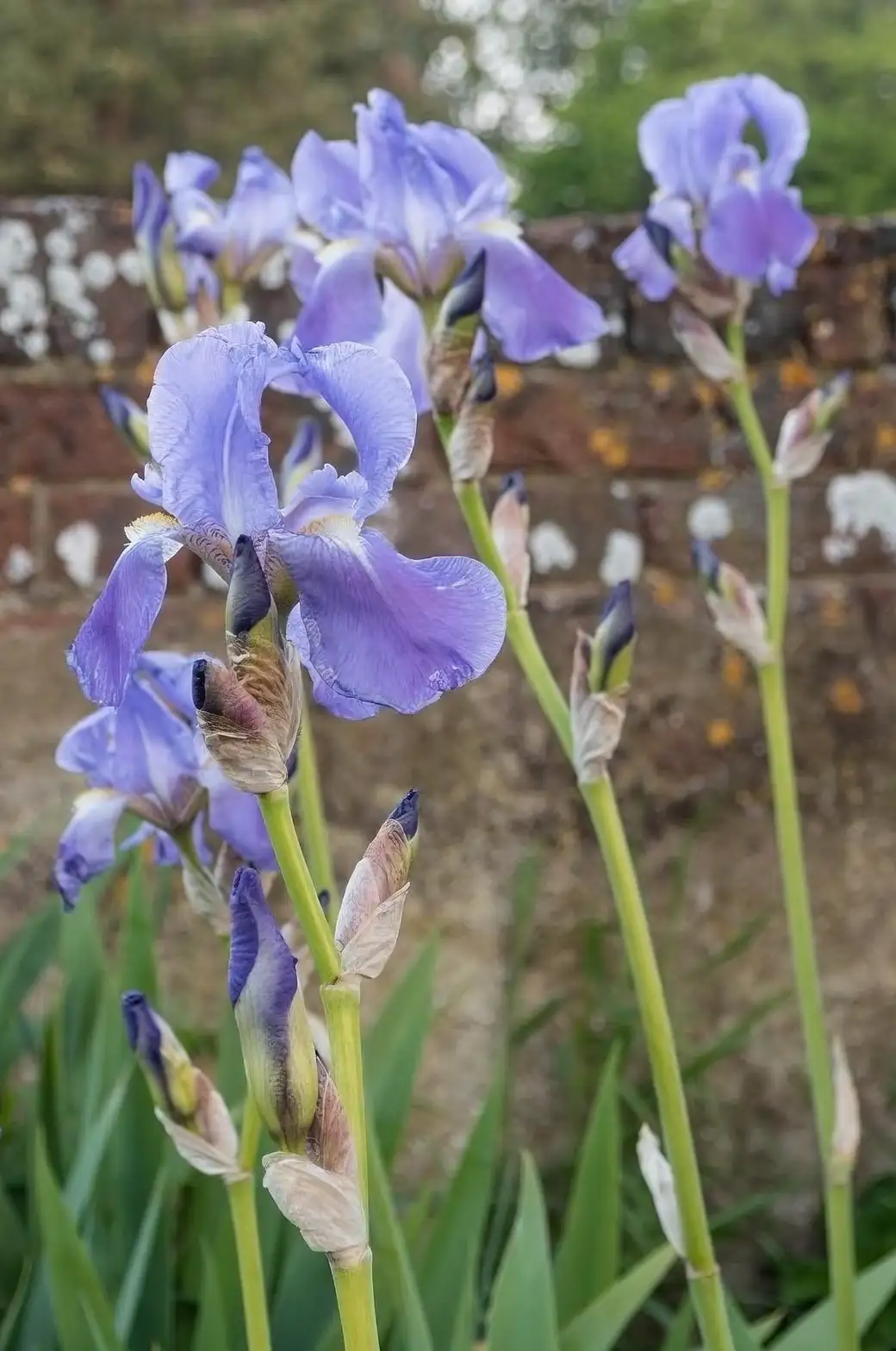
Belonging to the Iridaceae family, irises are perennial beauties that grace gardens with their spectacular blooms. Their striking flowers—characterized by three upright “standards” and three drooping “falls”—come in a mesmerizing spectrum of colors. Whether you’re captivated by the elegance of the bearded iris or the subtle charm of the Siberian type, each species offers its own unique allure.
Irises are versatile, thriving in a range of environments from North America to Europe and Asia. Their robust nature and adaptability make them a staple in gardens across USDA Zones 3–9. But what truly sets them apart is the ease with which they can be propagated, primarily through division.
The Art of Iris Propagation
Division: The Easiest Route to Expanding Your Iris Collection
Division is the go-to method for propagating irises, particularly the bearded varieties. This process not only rejuvenates the plants but also keeps them from becoming overcrowded, which can hinder blooming.
When to Divide:
- For bearded irises, the ideal time is late summer, approximately 6–8 weeks post-blooming. This gives the plants ample time to recover and establish before the onset of winter.
- Beardless varieties, like Siberian irises, can be divided in late summer as well.
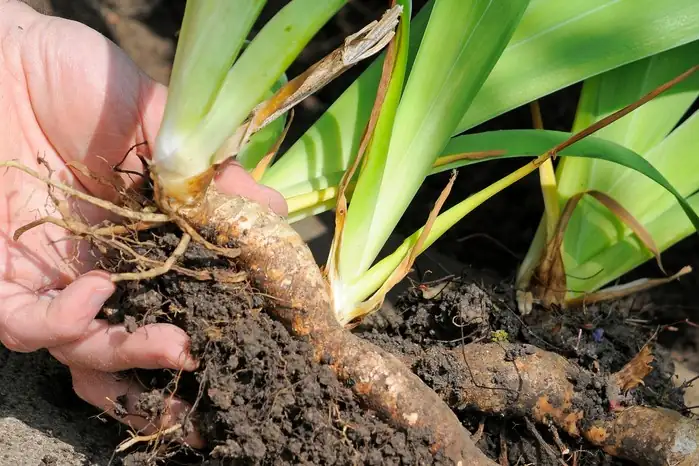
How to Divide:
- Lift the Clump: Use a spade or a garden fork to carefully lift the entire iris clump from the ground.
- Separate the Rhizomes: Gently shake off excess soil and identify the natural divisions. Use a sharp knife or pruning shears to cut through stubborn connections.
- Trim and Inspect: Trim the leaves to about 6 inches in length to reduce stress on the plant. Inspect the rhizomes for signs of disease or rot, discarding any that appear unhealthy.
- Replant: Choose a sunny location with well-drained soil. Plant the divisions with the rhizomes just at or slightly below the soil surface. Water thoroughly to help them settle in.
Seed Propagation: For the Patient Gardener
While division is quick and reliable, growing irises from seed is an option for those with a penchant for experimentation. It’s a slower process, often taking several years to bloom, and the resulting plants may not be true to the parent. This method is ideal if you’re keen to create unique hybrids.
Steps to Seed Propagation:
- Harvest: Allow seed pods to mature on the plant, then harvest them once they turn brown and start to split.
- Sow: Plant the seeds in fall, about ½ to ¾ inch deep, in a prepared garden bed. Water well and be patient; germination can be unpredictable and spread over several months.
Planting and Care Tips
Ideal Growing Conditions
Irises thrive best in full sun, needing about 6–8 hours of direct light daily. They prefer fertile, well-draining soil with a neutral to slightly acidic pH. While they’re quite resilient once established, regular watering during dry spells and a balanced fertilizer in early spring can help maintain robust growth and abundant blooms.
Maintenance
Pruning: After flowering, deadhead spent blooms and cut the flower stalks back to the base. In late fall, trim the foliage to about 6 inches to tidy up the plant and prevent disease.
Pest and Disease Management: Be vigilant against common pests like iris borers and diseases such as bacterial soft rot. Good sanitation, proper spacing, and avoiding overhead watering can significantly reduce these issues.
Conclusion
Propagating irises is a rewarding endeavor that not only enhances your garden’s beauty but also deepens your connection with these storied flowers. Whether you choose the quick route of division or the adventurous path of seed propagation, the process is a delightful journey into the world of gardening. As you nurture your irises and watch them flourish, you’ll understand why this flower, symbolizing wisdom and hope, has captivated hearts throughout history. Happy gardening!