

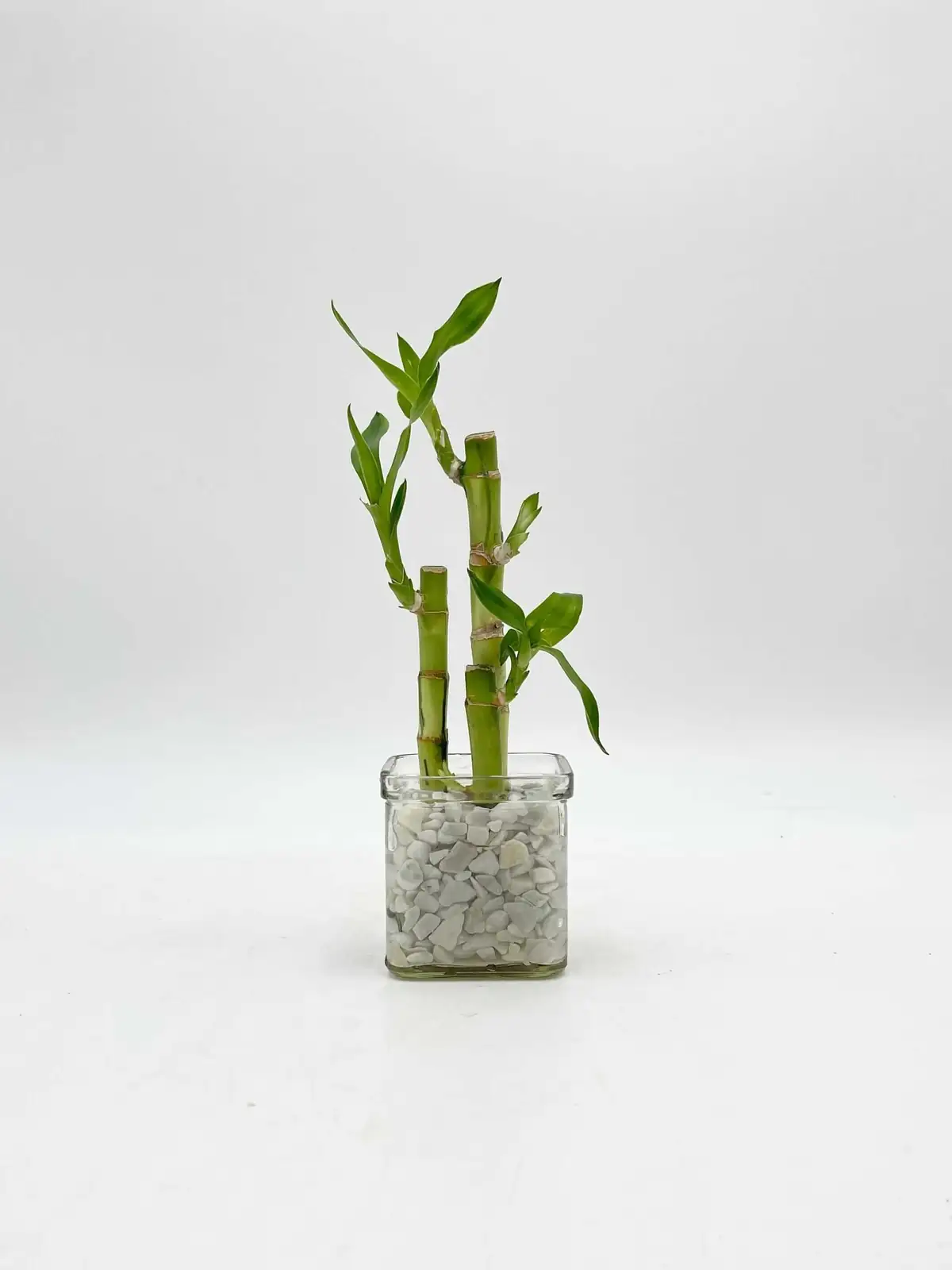
Lucky bamboo looks innocent in its vase—sleek canes, glossy leaves, and an air of easy elegance. But even this low‑maintenance Dracaena can play host to sticky honeydew, cottony clusters, or speckled leaves if pests move in. Here’s a lively, practical guide to make pest ID simple (even with just your phone’s macro lens), set up a quarantine that actually works, rotate insecticidal soap and oils without guesswork, and keep water-grown setups spotless so bugs don’t bounce back.
Note: Lucky bamboo isn’t bamboo at all—it’s Dracaena sanderiana, a warm‑loving, water‑culture‑friendly houseplant that thrives in bright, indirect light.
Quick plant snapshot (for context)
- Identity: Dracaena sanderiana (aka Lucky Bamboo, Ribbon Dracaena); family Asparagaceae; originally from West Africa.
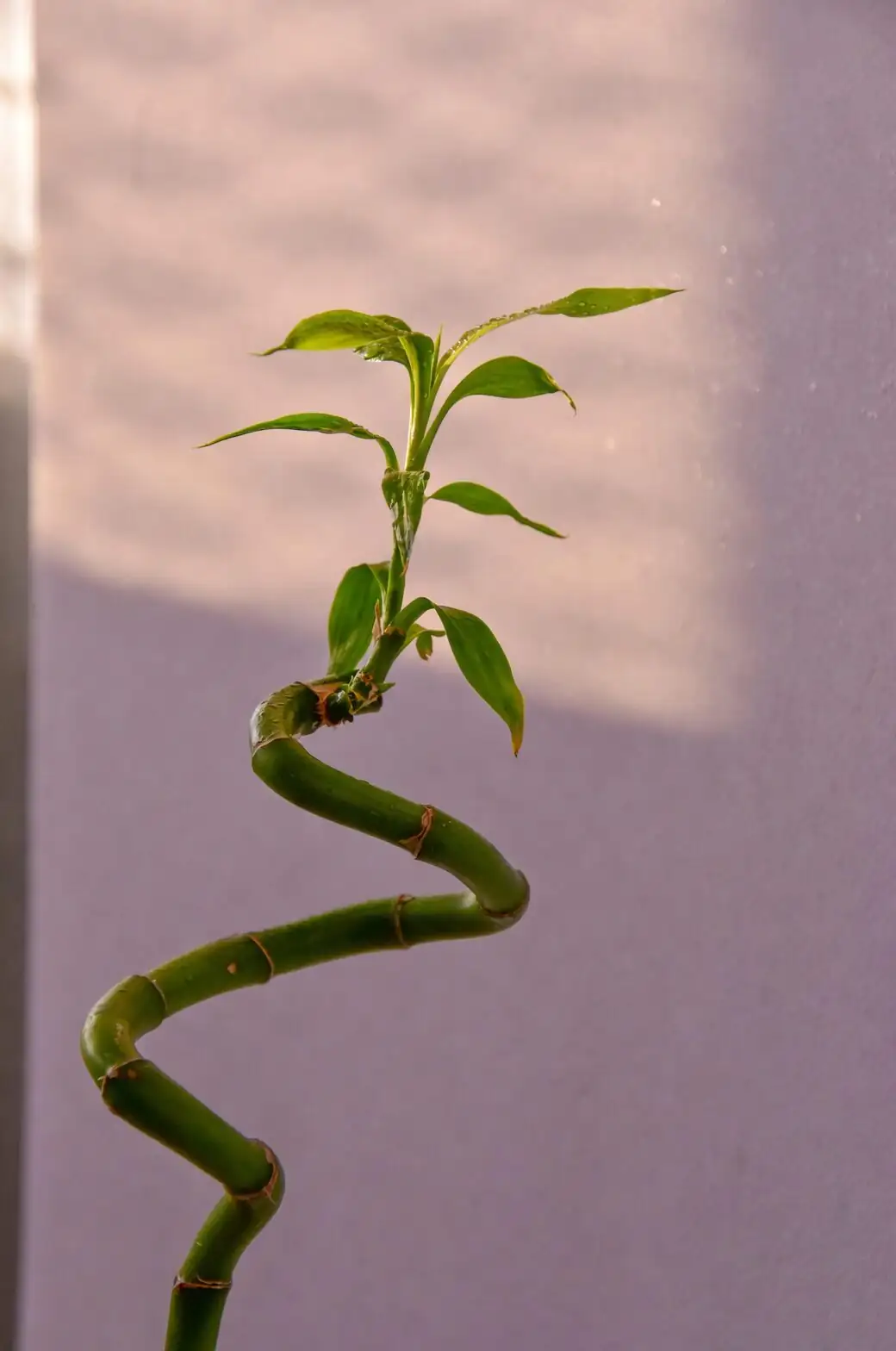
- Look: Upright, bamboo‑like canes with narrow, glossy green leaves (variegated forms exist). Frequently braided or spiral‑trained in shops.
- Indoors: Loves bright, filtered light; warmth (18–30°C / 64–86°F); moderate to high humidity.
- Culture: Grows happily in water or soil; in water, keep roots submerged and the container clean. Change water weekly once rooted. Avoid harsh direct sun.
—
Pest ID made simple (with macro look‑alikes)
Grab a phone and use its zoom or a clip‑on macro lens. Most culprits on Dracaena are piercing‑sucking insects that hide in leaf axils and along the canes.
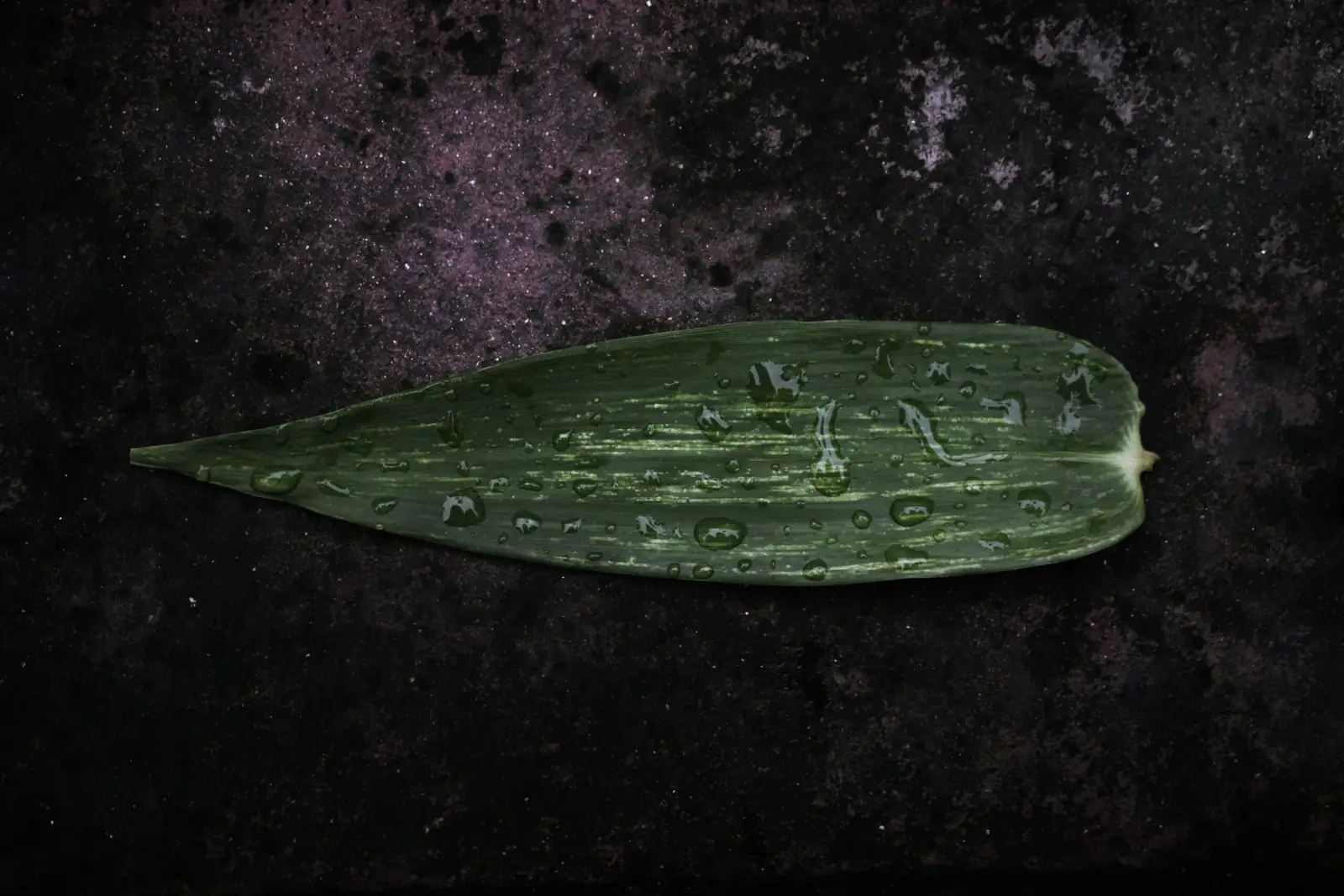
The usual suspects
- Scale insects
- What you’ll see: Tiny, immobile bumps stuck to canes and leaf midribs—white, tan, or dark brown. Often clustered.
- Symptoms: Sticky leaves (honeydew), sooty mold on top of that honeydew, slowed growth.
- Macro clue: A scale “bump” doesn’t brush off like dust; it’s firmly adhered. Young “crawlers” are minute and mobile—this is your best spray window.
- Mealybugs (including root mealybugs)
- What you’ll see: Cottony, white tufts in leaf nooks and along canes; sometimes a faint white fuzz where leaves sheath the stem. Root mealybugs look like cotton stuck on roots when grown in water.
- Symptoms: Sticky residue, wilting or distorted new leaves, stunted canes.
- Macro clue: Gently prod; mealybugs smear slightly and reveal a soft body beneath the fluff.
- Aphids
- What you’ll see: Small, pear-shaped, soft-bodied insects on tender new leaves; often green, sometimes black or tan. May form light swarms.
- Symptoms: Sticky honeydew; curling or puckered juvenile leaves.
- Macro clue: They move when disturbed and cluster on freshest growth.
- Thrips
- What you’ll see: Slender, fast‑moving, splinter‑thin insects; very small. Leaves show silvery streaks, tiny black specks (frass), and distorted new growth.
- Macro clue: Gently tap a leaf over white paper; you’ll spot quick, rice‑sliver bodies skittering.
- Spider mites
- What you’ll see: Fine stippling (yellow/tan specks) on leaves; very fine webbing in leaf axils, worse in hot, dry rooms.
- Macro clue: Mist the plant—webs bead with water into visible strands; mites appear as moving dots.
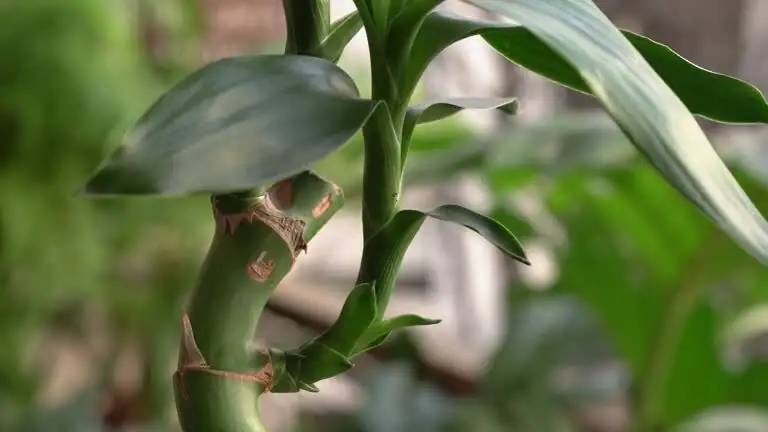
Harmless (or different) look‑alikes in water setups
- Algae film or strands
- Green film in the vase or silky threads on pebbles/roots. Not insects. Caused by light + nutrients. Fix with scrubbing and more frequent water changes.
- Sooty mold
- Black, velvety coating on leaves or canes that wipes off. It grows on honeydew left by pests. Treat the pests and gently clean the surface; the mold itself isn’t the primary problem.
- Limescale/mineral crust
- Off‑white, chalky line at the waterline or on exposed roots. Unlike mealybugs, scale scrapes off as a brittle crust and dissolves with vinegar.
- New root initials and callus
- Pale, nub‑like bumps or smooth, cream/tan callus at cut points—future roots, not bugs.
- Dust/pet hair vs. mite webbing
- Mite webs bead with mist; dust and hair don’t. Webbing is anchored between leaf edges and axils.
—
Quarantine protocol that actually works
When you spot pests, speed matters. Think “isolate, clean, treat, repeat.”
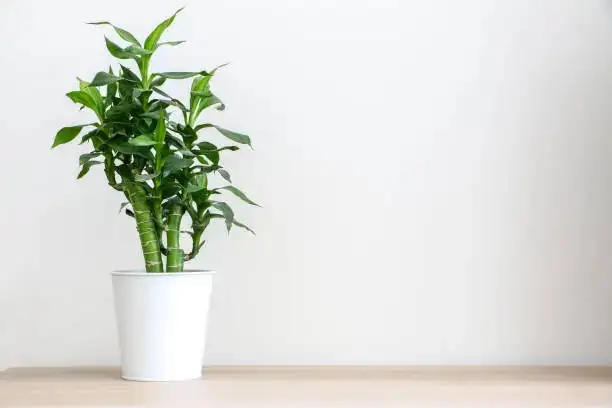
1) Day 0: Isolate
- Move the plant away from your collection (ideally a separate room).
- Keep 2 m (6+ ft) from other plants; avoid shared misters, cloths, or pruning tools.
2) Inspect and pre‑clean
- Use a phone macro lens to map hotspots: leaf undersides, axils, nodes along the cane, and just under leaf sheaths.
- Wipe honeydew and loose bugs with a damp microfiber cloth or cotton pad.
- Heavily infested leaf tips or small side shoots? Prune and bag them immediately.
3) Set a treatment rhythm
- Plan for 3–4 treatments, spaced 7–10 days apart (to catch new hatchlings), using insecticidal soap and horticultural oil in rotation (details below).
4) Surface and space hygiene
- Clean the shelf/windowsill with soapy water.
- If grown in water, you’ll do a full vase reset (see “Water‑culture cleaning” below) the same day as your first treatment.
5) Monitoring for 6–8 weeks
- Check twice weekly with your macro lens.
- Use small yellow or blue sticky cards near (not touching) the plant to monitor flying thrips or aphids.
- Only reunite with your plant shelf after 2–3 consecutive, pest‑free weekly checks.
Pro tip: Handle the quarantined plant last. Wash hands and wipe tools with isopropyl alcohol before seeing your other plants.
—
Soft but relentless: soap and oil rotations
Dracaena sanderiana responds well to non‑systemic controls when you’re thorough and consistent.
What to use
- Insecticidal soap (potassium salts of fatty acids)
- Great for aphids, mealybugs, thrips, and mite knockdowns.
- Action: Breaks the pests’ protective coating; works on contact.
- Horticultural oil (including neem oil/clarified hydrophobic extract)
- Excellent for scale crawlers, mealybugs in crevices, and mite suppression.
- Action: Smothers eggs and soft‑bodied stages; helps loosen scale adults for manual removal.
- Spot dabs with 70% isopropyl alcohol
- Use a cotton swab to dot visible mealybugs or scale. Test a small leaf first; avoid drips into the vase water.
Note: Always test any spray on one leaf and wait 24 hours. Dracaena leaves can show phytotoxicity if sprayed under strong sun or heat.
How to spray (and not burn the leaves)
- Timing: Early morning or evening, never in hot, direct sun.
- Coverage: Lightly coat leaf undersides, axils, canes, and just beneath leaf sheaths. Avoid runoff into the vase or pot.
- Wipe back: After 20–30 minutes, gently wipe excess product and honeydew to reduce residue and leaf spotting.
The rotation that breaks life cycles
- Week 1: Insecticidal soap (contact kill).
- Week 2: Horticultural oil (smothering action; targets crawlers/eggs).
- Week 3: Insecticidal soap again.
- Week 4: Oil again if you still find activity.
Scale note: Adult armored bumps resist sprays. Gently pry off with a plastic plant tag or fingernail after softening with oil, then spray again in 7–10 days to target the crawler stage.
—
Water‑culture cleaning: the “no‑reinfestation” reset
Lucky bamboo is often grown in water—beautiful, but standing water plus honeydew is a pest party. Keep it pristine.
Your weekly routine (once rooted)
- Change water about weekly; keep roots fully submerged.
- Rinse roots under lukewarm water; trim away dead/brown roots with clean scissors.
- Scrub the container with hot, soapy water and a bottle brush; rinse thoroughly.
- If you use pebbles, rinse and agitate them in hot, soapy water; triple‑rinse.
- Wipe leaves with a damp cloth to remove dust, honeydew, and spores. Dry to a soft sheen.
Monthly deeper clean (or at first sign of algae/pests)
- Disassemble the arrangement completely.
- Descale limescale/mineral crust with a 1:1 white vinegar–water soak for the EMPTY vase; scrub; rinse until no odor remains.
- For stubborn biofilm, repeat the hot‑soapy scrub and thorough rinse.
- Refresh water with clean, preferably dechlorinated or aged tap water.
- Optional airflow trick: Leave a small portion of the root mass near/above the waterline to improve aeration.
Feeding in water (keep it feather‑light)
- Use a very dilute, balanced foliage nutrient very sparingly during active growth (too much feed fouls water and encourages soft, pest‑tempting growth).
- If you’re rooting fresh cuttings, change water every 3–4 days until roots form; then shift to weekly changes.
Light hack for algae: Wrap clear vases with an opaque sleeve or place them out of direct beams. Algae loves sunshine more than your Dracaena does.
—
Soil‑grown plants: quick prevention notes
- Use a fertile, well‑drained houseplant mix; keep evenly moist in spring/summer, slightly drier in winter.
- Avoid waterlogging (root/cane rot risk).
- Wipe leaves regularly; remove honeydew promptly to deter sooty mold and ants.
- Inspect leaf axils and cane nodes at each watering.
—
Rapid‑response cheat sheet
- Sticky, shiny leaves or black sooty mold
- Likely: Scale, aphids, or mealybugs producing honeydew.
- Do now: Wipe leaves; start soap/oil rotation; isolate plant; deep‑clean the vase.
- Cottony clusters in leaf nooks or on roots
- Likely: Mealybugs or root mealybugs.
- Do now: Dab with 70% isopropyl on visible clusters; rinse roots; trim damaged roots; begin spray schedule above the waterline.
- Silvery scratches + black specks; twisted new leaves
- Likely: Thrips.
- Do now: Soap spray, then oil the following week; add a blue or yellow sticky card nearby; repeat 3–4 rounds.
- Fine stippling and faint webbing
- Likely: Spider mites (especially in hot, dry rooms).
- Do now: Rinse foliage thoroughly; raise humidity; rotate soap and oil; avoid heat and direct sun on spray days.
- Mushy, foul‑smelling roots
- Not insects—root rot from stagnant/dirty water.
- Do now: Full water‑culture reset; trim to healthy, crisp roots; refresh with clean, dechlorinated water; improve hygiene.
—
Keep pests from coming back: stress prevention
- Light: Bright, indirect light (about 50%–70% filtered). Shield from harsh direct sun through glass.
- Warmth: 18–30°C (64–86°F); keep above 10°C (50°F) in winter.
- Humidity: Prefers moderate to high; in hot, dry spells, light misting can help, especially for new cuttings.
- Pruning: Don’t fear the shears—cutting back tall, top‑heavy canes keeps growth sturdy and makes scouting easier.
- Cleanliness: Make leaf‑wiping and weekly water changes non‑negotiable. Clean containers prevent rot and remove pest residues.
—
Safety note and the “lucky” in Lucky Bamboo
- Pet safety: Like many Dracaena, this plant is toxic to cats and dogs if chewed, potentially causing drooling, vomiting, or lethargy. Keep it out of reach of pets and small children.
- Why “lucky”?
- Its fame rose with feng shui gifting and décor. The number of stalks is said to symbolize prosperity, harmony, or longevity. That symbolism is cultural rather than botanical—but it’s a big reason you’ll find it in receptions, offices, and housewarming gifts worldwide.
—
A final word
With Lucky Bamboo, prevention is glamorous: a sparkling vase, crisp leaves, and calm, bright light shut most pests out. When invaders do arrive, a steady rhythm—quarantine, clean, then rotate soap and oil—wins every time. Keep the water fresh, the canes inspected, and your macro lens handy; you’ll turn pest riddles into simple, satisfying routines, and your Dracaena sanderiana will shine for it.