

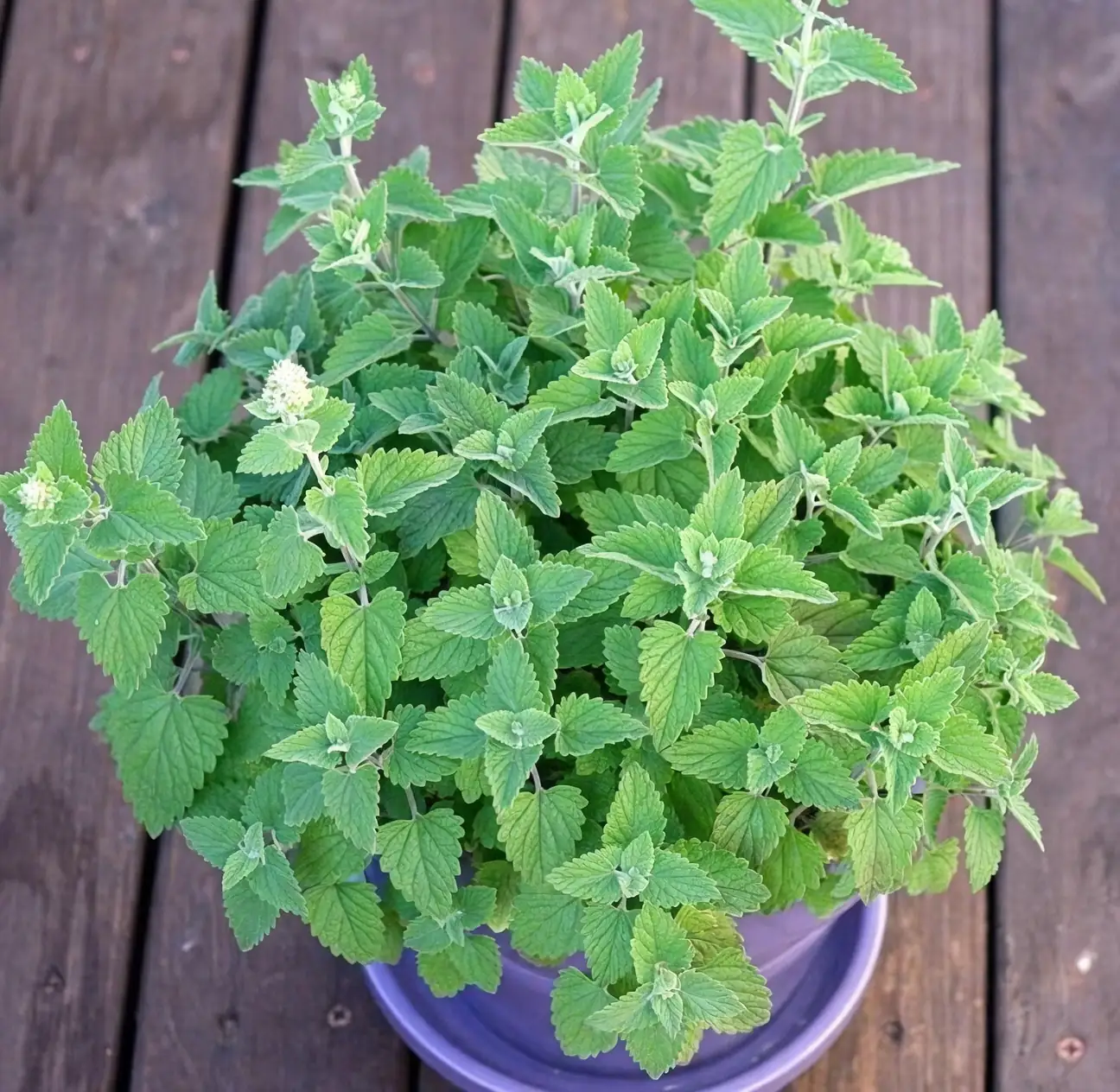
Bringing Catnip Indoors: A Treat for Cats and a Touch of Green for Your Home
Imagine your home basking in sunlight, with a delightful touch of green that not only livens up your space but also brings a wave of joy to your feline friends. Nepeta cataria L., commonly known as catnip, is much more than a cat’s delight; it’s a wonderful addition to your indoor garden that offers both aesthetic charm and an easy-care plant experience. Let’s explore how you can incorporate catnip into your home, ensuring both you and your furry companions reap the benefits.
Why Choose Catnip for Your Indoor Space?
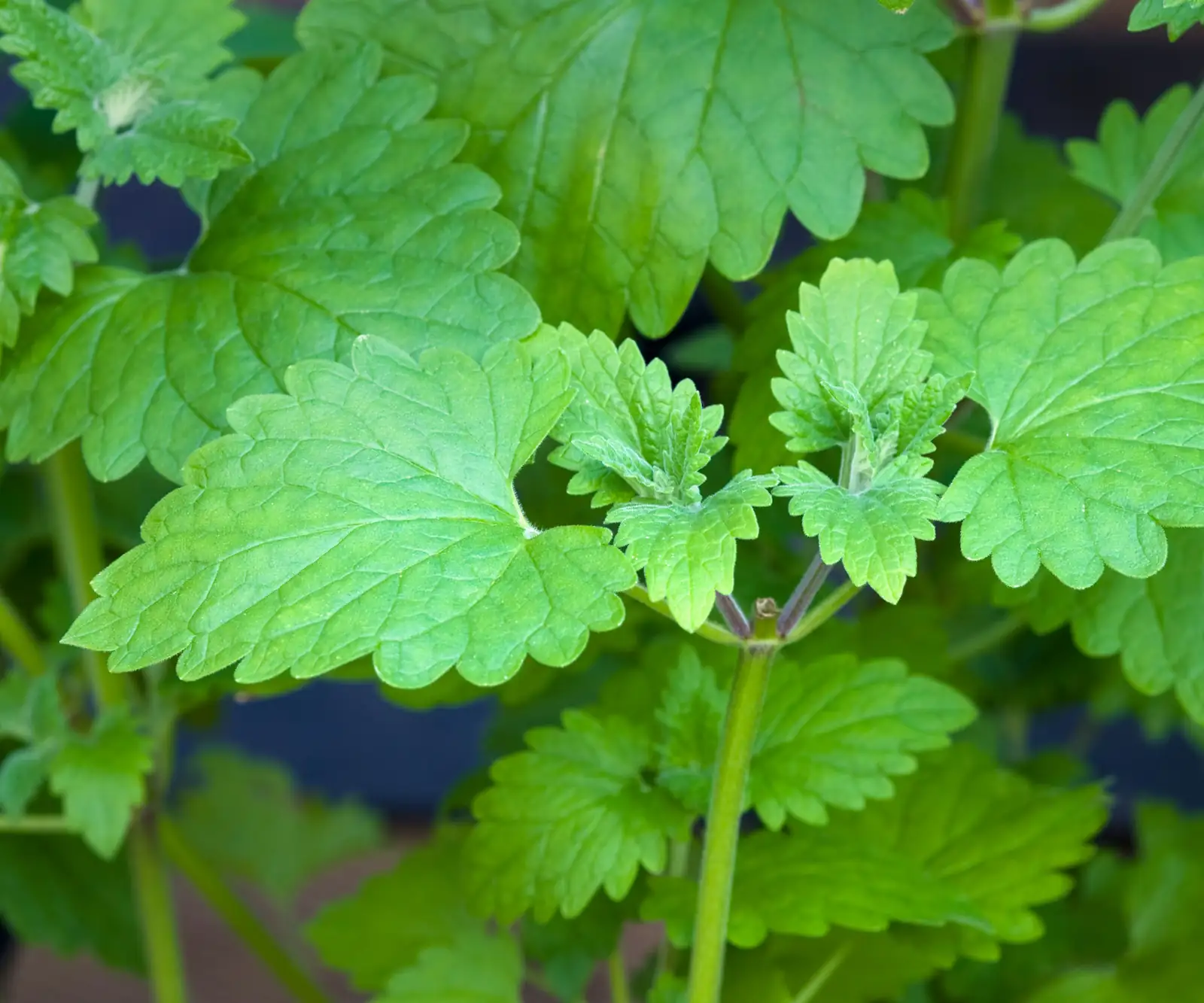
Catnip, a charming member of the mint family, is well-loved for the playful antics it inspires in cats. But even without a cat, its soft, fuzzy foliage and delicate white flowers with pale purple spots can add a touch of elegance to your home. Known for its drought tolerance and ease of growth, catnip can thrive in a variety of conditions, making it an excellent choice for both novice and experienced gardeners.
The Plant That Cats Adore
Catnip contains a compound called nepetalactone that triggers a euphoric response in many cats. This might manifest as your cat rolling, purring, or even zooming around the room. Not all cats are affected—only about 50-70% of them—so don’t be disheartened if your cat doesn’t show interest. Even big cats like lions have been known to react to this magical herb!
Setting Up Your Indoor Catnip Garden
Choosing the Right Spot
Catnip thrives in full sun, so find a bright, sunny windowsill that offers at least six hours of sunlight per day. This will not only keep your plant healthy but also ensure it produces vibrant foliage and aromatic oils that are irresistible to cats.
Container and Soil Selection
Select a pot with good drainage, as catnip despises waterlogged roots. A sandy or loamy soil mix will keep your plant happy, and a neutral to slightly alkaline pH (6.1 to 7.8) is ideal. Remember, catnip is forgiving and can handle poor soil, but good drainage is essential to prevent root rot.
Caring for Your Indoor Catnip
Watering and Feeding
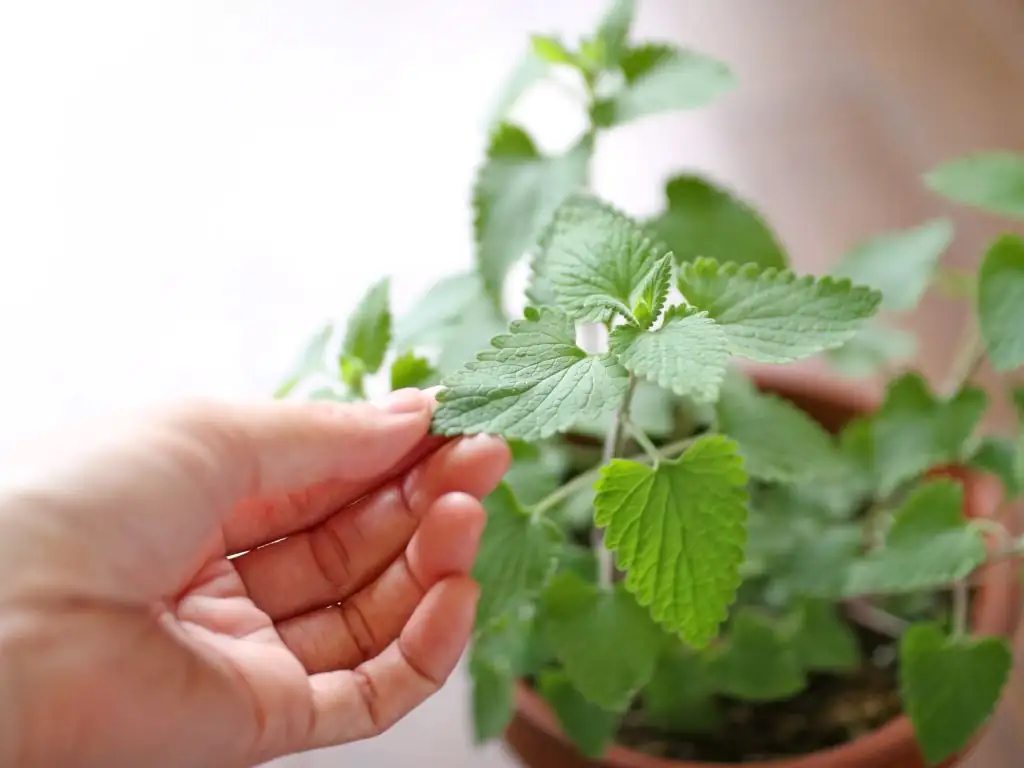
Once your catnip is established, it’s remarkably drought-tolerant. Water deeply but infrequently, allowing the top inch of soil to dry out between waterings. Overwatering can lead to root rot, so err on the side of slightly dry conditions. Fertilize sparingly; a light compost application in spring is usually sufficient. Over-fertilizing can reduce the aromatic oils that make catnip so special.
Pruning and Maintenance
To keep your plant looking its best, pinch back new growth in the spring to encourage bushiness. Regularly deadhead flowering spikes to prolong blooming and prevent self-seeding. This will also encourage your plant to focus energy on growing lush foliage.
Harvesting and Enjoying Catnip
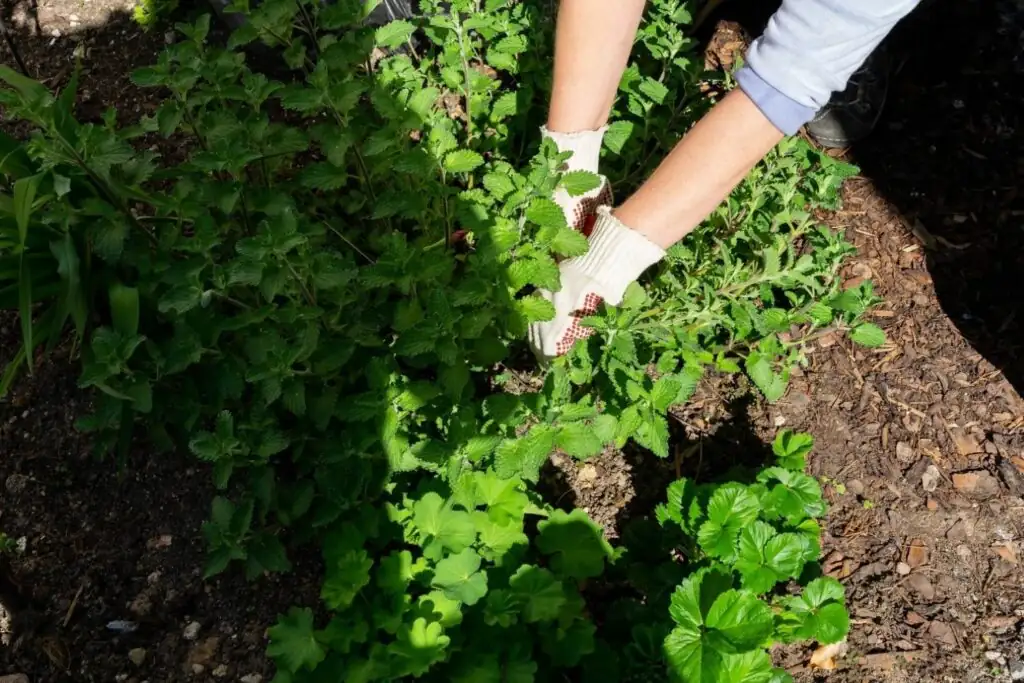
Harvest catnip leaves during the late spring bloom for the most potent aroma. Simply hang the cut stems in a dark, airy place to dry. Once dried, crumble the leaves and store them in an airtight container away from light and heat. Not only will your cat appreciate this fresh treat, but you can also enjoy catnip as a calming herbal tea.
Keeping Catnip in Check
Catnip has a tendency to spread if left unchecked. To prevent it from becoming invasive, consider growing it in containers. Indoors, this is less of an issue, but if you decide to move your plants outside, be proactive with deadheading and containment.
Bringing Joy and Greenery Together
Adding catnip to your indoor space creates a delightful environment not just for your pets, but for you as well. Beyond its playful appeal for cats, catnip symbolizes comfort and gentle affection—a perfect addition to any cozy home.
With a little care and attention, your indoor catnip garden will thrive, bringing smiles to your face and joy to your cat’s heart. So, why not invite a little bit of this botanical magic into your home? Your feline friends will thank you, and you’ll enjoy a lovely, green space that enhances your living environment.


