

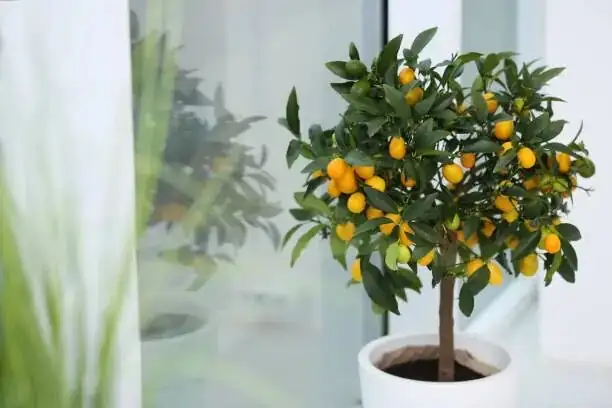
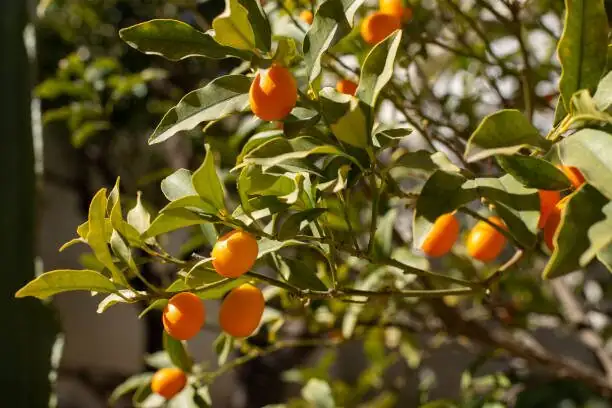
Think of a kumquat (Citrus japonica) as a tiny sun factory in a pot: glossy leaves catching light, starry white blossoms perfuming the room, and—if you play matchmaker—clusters of golden fruit glowing through autumn and winter. This quick, confidence-boosting guide shows you exactly how to hand‑pollinate indoors and how to steady light, temperature, and moisture so those flowers become edible jewels.
Meet Citrus japonica (kumquat), the compact citrus that loves containers
- Origin: China; long cherished as a festive indoor/outdoor citrus for bright windows, balconies, and patios.
- Habit: Evergreen, naturally bushy, beautifully glossy foliage; easily kept 2–5 ft (0.6–1.5 m) in containers.
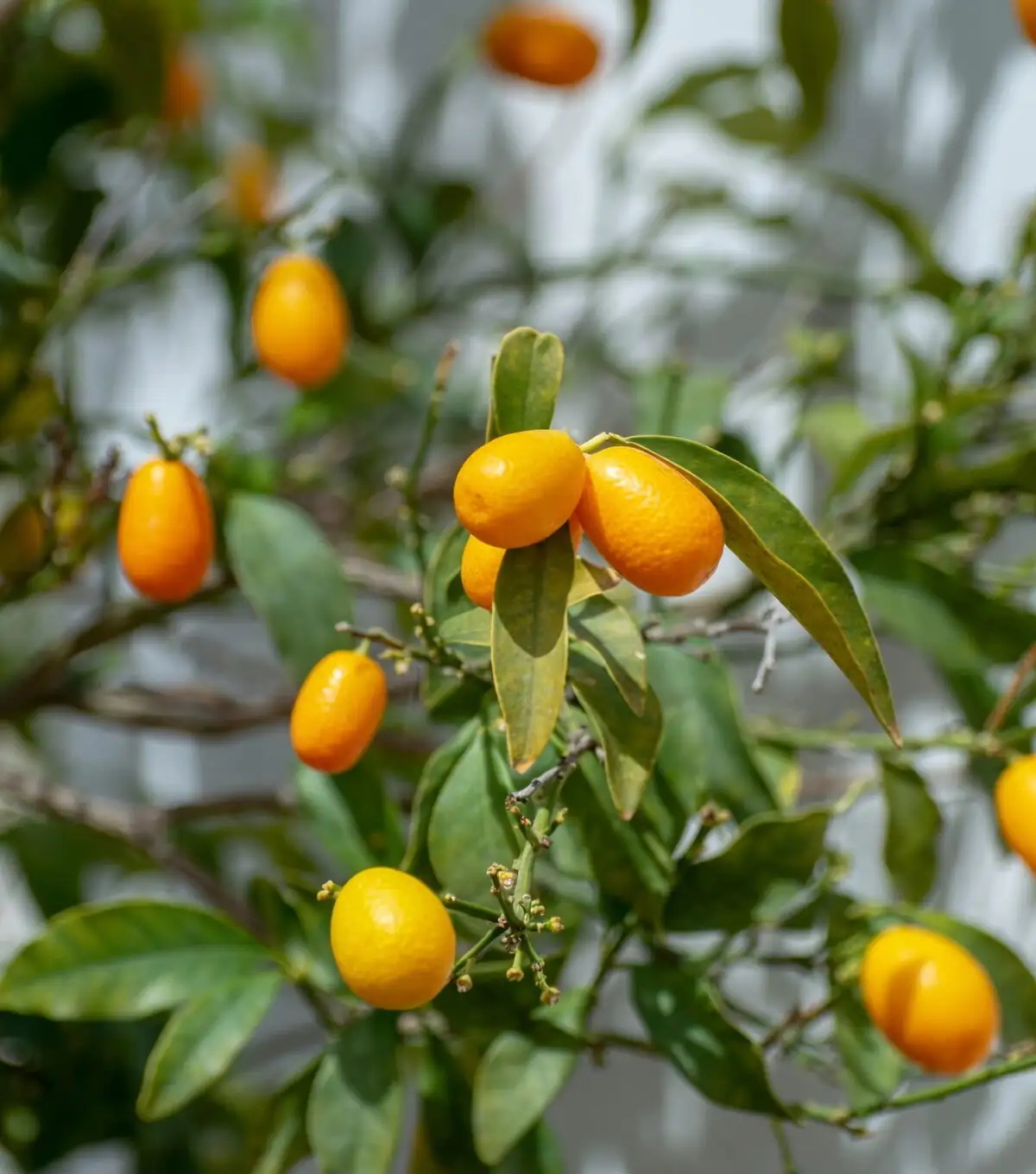
- Bloom and fruit: Fragrant white blossoms typically in spring–summer; fruit colors from autumn into winter—and often right around Lunar New Year.
- Edible perks: Sweet peel, tangy flesh—most people pop them whole.
Set the stage: stabilize light, temperature, and moisture
Great pollination is only half the story. Fruit set sticks when the environment is steady.
Light (your #1 lever)
- Aim for bright light to full sun; best fruiting happens with strong light.
- Indoors: an east or south window is ideal. Rotate the pot weekly for even canopy growth.
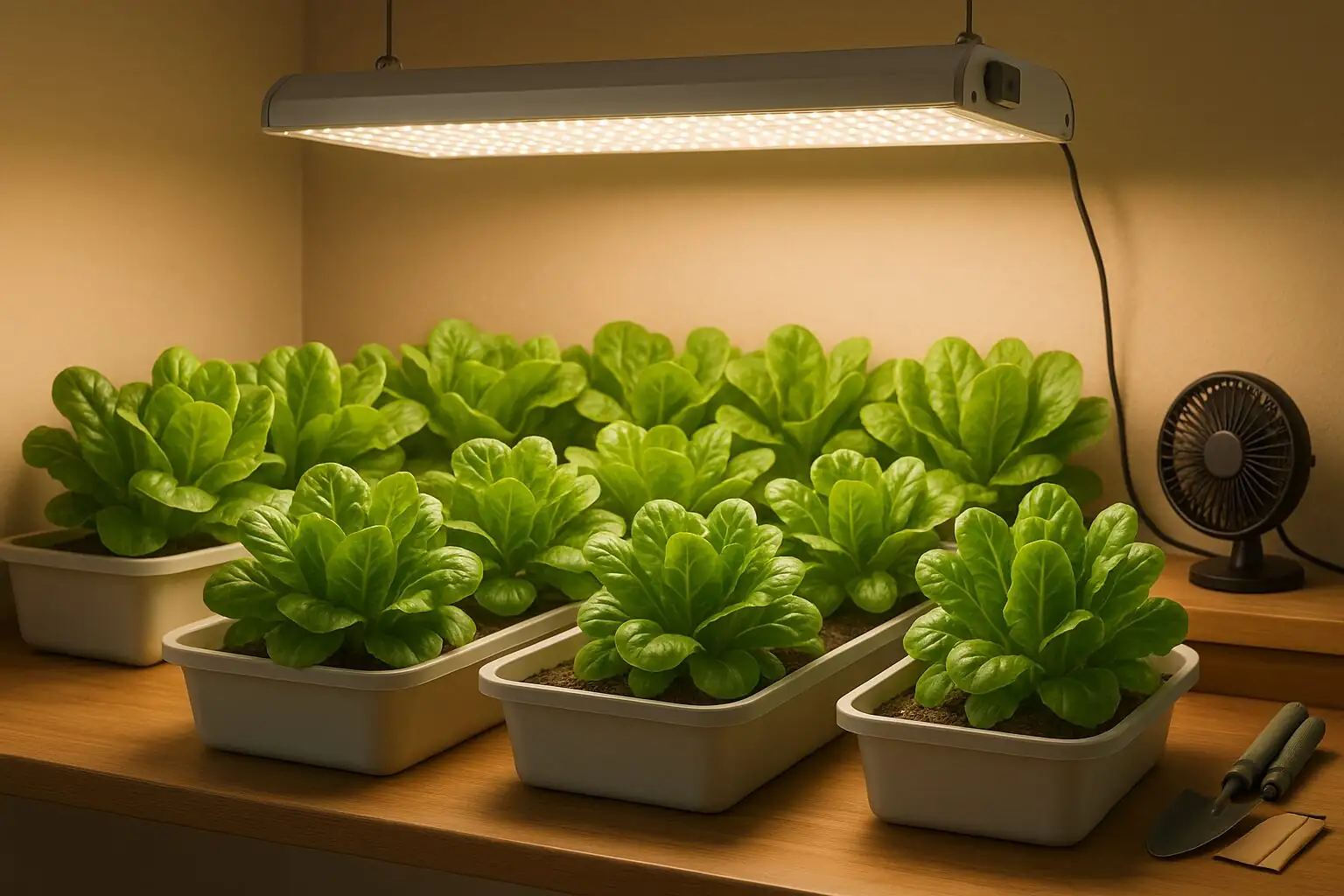
- Grow lights help in dim spaces or winter: position a full‑spectrum LED 12–18 inches above the canopy for 12–14 hours/day. As a rule of thumb, moderate brightness (you should clearly read small text beneath the light) is enough for kumquats.
- In hot summers, protect leaves and young fruits from harsh midday scorch.
Temperature and airflow
- Sweet spot: 20–25°C (68–77°F) for active growth and flowering.
- Winter safety: keep above 7°C (45°F); avoid cold drafts and cold, wet soil.
- Provide gentle airflow (a small fan on low, not blowing directly) to discourage fungal issues.
Humidity
- Kumquats enjoy warm, moderately humid air—especially during bloom and fruit display.
- Target: comfortable indoor humidity (roughly 40–60%). Use a humidity tray or morning misting during dry spells. Avoid late‑day leaf wetness.
Soil and watering (the fruit‑drop busters)
- Potting mix: a free‑draining citrus blend—think loam/compost with peat/coir and coarse sand for air and drainage.
- Containers: many display plants thrive in 20–25 cm (8–10 in) pots; size up only as roots demand to prevent soggy soil.
- Watering rhythm:
- Keep evenly moist during active growth. Never let the pot sit in water.
- During fruiting, avoid big swings (bone‑dry to sopping wet), which commonly trigger fruit drop.
- In winter, keep slightly drier and provide maximum light.
- Pro grower trick (for more flowers): in early summer, use a short, controlled dry‑down to encourage flower‑bud formation. Let the mix dry deeper than usual (but not to hard wilt), then resume normal watering as buds swell and lighten in color.
Reading the bloom: when flowers are ready
- Season: spring to summer.
- Look for freshly opened, starry white blossoms with a light fragrance.
- Best pollination window: mid‑morning to early afternoon on a bright, dry day.
- Signs of readiness:
- Anthers dusted with yellow pollen (light taps release tiny golden grains).
- Stigma tip looks slightly glossy or sticky—your cue that it’s receptive.
Your indoor pollination toolkit
- A soft artist’s brush (size 0–2) or cotton swab
- A white note card to tap pollen onto (optional)
- Sticky flags or a pencil to mark which clusters you’ve done
- A steady hand and patience—bee costume optional
Hand‑pollination, step by step (2 minutes per cluster)
1) Choose the time
- Mid‑morning to early afternoon when flowers are open and dry.
2) Load the brush
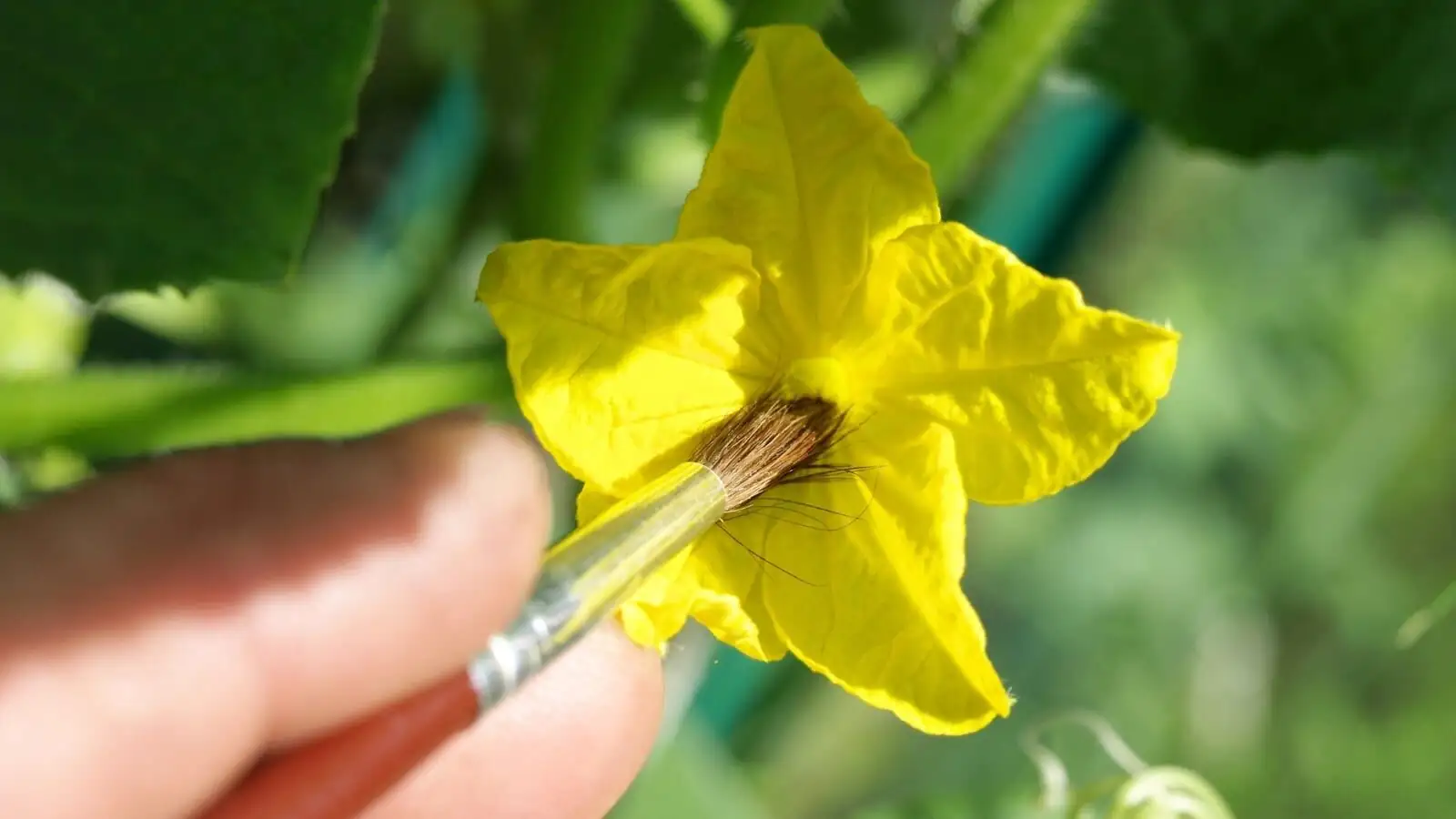
- Gently swirl the brush over the anthers of an open flower. You’ll see yellow pollen on the bristles. Or tap a bloom over a white card and pick up the pollen from the card.
3) Make the match
- Touch the pollen‑coated brush to the central stigma of another fresh flower on the same plant. A light dab is enough. Repeat flower to flower.
4) Repeat for insurance
- Revisit the same cluster the next day; many flowers remain receptive for more than a day. Two passes greatly improve set.
5) Mark and move on
- Tag clusters you’ve finished so you don’t overwork the same blooms.
After the magic: lock in fruit set
- Light: keep intensity high and duration steady; avoid moving the plant to a dimmer spot during or right after bloom.
- Moisture: water when the top inch (2–3 cm) is dry; avoid soaking, then drying out completely. Consistency prevents tiny green fruits from dropping.
- Feeding:
- Start regular feeding as new growth begins in spring (about every 2 weeks).
- Late summer to early autumn: give a stronger pre‑bloom feed to support flowering and fruit set.
- As fruits enlarge: feed about every 10 days, favoring higher phosphorus and potassium.
- Stop fertilizing as fruits fully color and begin to ripen.
- Hands off the shears: avoid pruning or repotting during bloom and initial fruit set.
- Skip oily sprays during bloom: horticultural oils/soaps can interfere with pollen—treat pests either before flowering or after petals drop if possible.
A simple seasonal cheat sheet (indoors)
- Early spring
- Remove any lingering fruits, repot if due, and prune before the spring flush.
- Begin feeding as buds break; keep moisture steady.
- Spring to early summer (bloom and pollination)
- Maintain 20–25°C, bright light, moderate humidity; hand‑pollinate open flowers.
- Brief, controlled dry‑down in early summer can cue more buds; resume normal watering as buds swell.
- Late summer to early autumn
- Feed well before and during early fruit sizing (higher P/K every ~10 days).
- Autumn to winter (fruit display)
- Maximize light; protect from drafts; keep moisture even (no dramatic swings).
- Stop feeding as fruits fully color; enjoy the show.
Troubleshooting fruit drop
- Common causes:
- Light too low or plant moved away from sun
- Dry/wet watering swings
- Heat spikes, cold drafts, or big temperature swings
- Very dry air during and right after bloom
- Pests (spider mites, scale) or disease stress
- Quick fixes:
- Increase light and stabilize temperatures; add a humidity tray.
- Water evenly and improve drainage if the mix stays wet too long.
- Inspect leaves and stems; treat mites/scale early with insecticidal soap or horticultural oil (avoid during open bloom).
- Promote airflow and avoid wetting leaves late in the day to deter disease.
Pruning for a compact, fruitful canopy
- Early spring is prime time: maintain ~3 strong framework branches; on each, keep 3–4 plump buds near the base to drive sturdy, fruitful growth.
- Pinch tips when new shoots reach ~20 cm (8 in); pinch again after 5–6 leaves to encourage branching and fruiting wood.
- Remove weak, dead, or out‑of‑season autumn shoots promptly.
A few container‑friendly cultivars to know
- Nagami (Citrus japonica ‘Nagami’): classic oval fruits with bright, tangy bite; very popular in pots.
- Meiwa: rounder fruit with notably sweeter pulp and peel; beloved for fresh eating.
- Marumi: spherical fruits; a good, compact container grower.
- Centennial Variegated: eye‑catching, striped peel on compact plants—fun for display.
Safety, health, and household harmony
- Generally non‑toxic for typical household exposure; fruits are edible.
- Citrus oils in leaves and peel can cause mild skin irritation in sensitive people; pets that chew foliage/peel may get mild stomach upset.
- Watch for spider mites and scale; treat early with horticultural oil or insecticidal soap, repeating as needed.
- Prevent disease (citrus canker, scab) with good airflow, sanitation, and avoiding late‑day wet foliage; use labeled fungicides only as permitted.
Why kumquats symbolize prosperity
- In Chinese tradition, kumquats are beloved for Lunar New Year displays. The timing (fruiting in winter) and the luminous golden-orange color make clusters of fruit a natural stand‑in for gold and abundance.
- The Chinese name 金橘 (literally “gold” + “orange”) reinforces the association. Over centuries, gifting or displaying a fruit-laden kumquat has come to signify wishes for wealth and good fortune in the year ahead.
Fast answers to common pollination questions
- Do I need two trees? No. Kumquats are self‑fertile. Indoors, hand pollination simply boosts your odds.
- How often should I pollinate? Visit each fresh flower on 2 consecutive days. New blooms keep opening—keep the brush handy for a week or two.
- When will I see tiny fruit? Successfully pollinated flowers typically show swelling at the base within a couple of weeks; steady care helps them hold until they color in autumn–winter.
Your final nudge
Set the light, warm the room, keep the soil even, and play bee for a few minutes each day while the blossoms are open. Do that, and your Citrus japonica will repay you with a winter crop of glowing, sweet‑peel snacks that look as festive as they taste.