
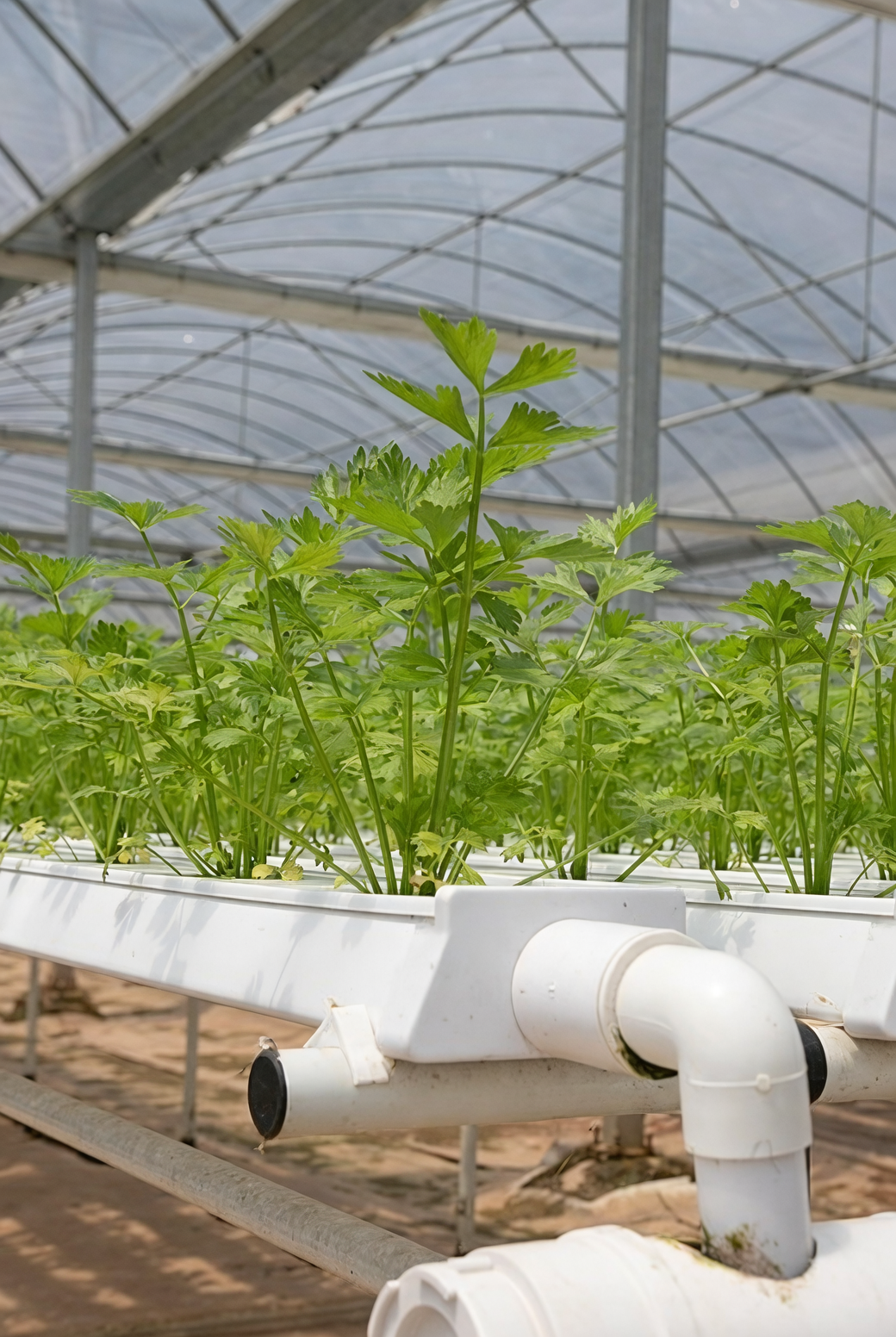
When it comes to growing your favorite plants, the choice between hydroponics and soil can be a game-changer. Whether you’re a seasoned gardener or a newbie with a green thumb, understanding the differences in propagation success rates between these methods can help you decide which is right for your garden. Let’s dive into the world of hydroponics and soil propagation to see which method might give your plants the best start.
The Speed Race: Hydroponics Takes the Lead
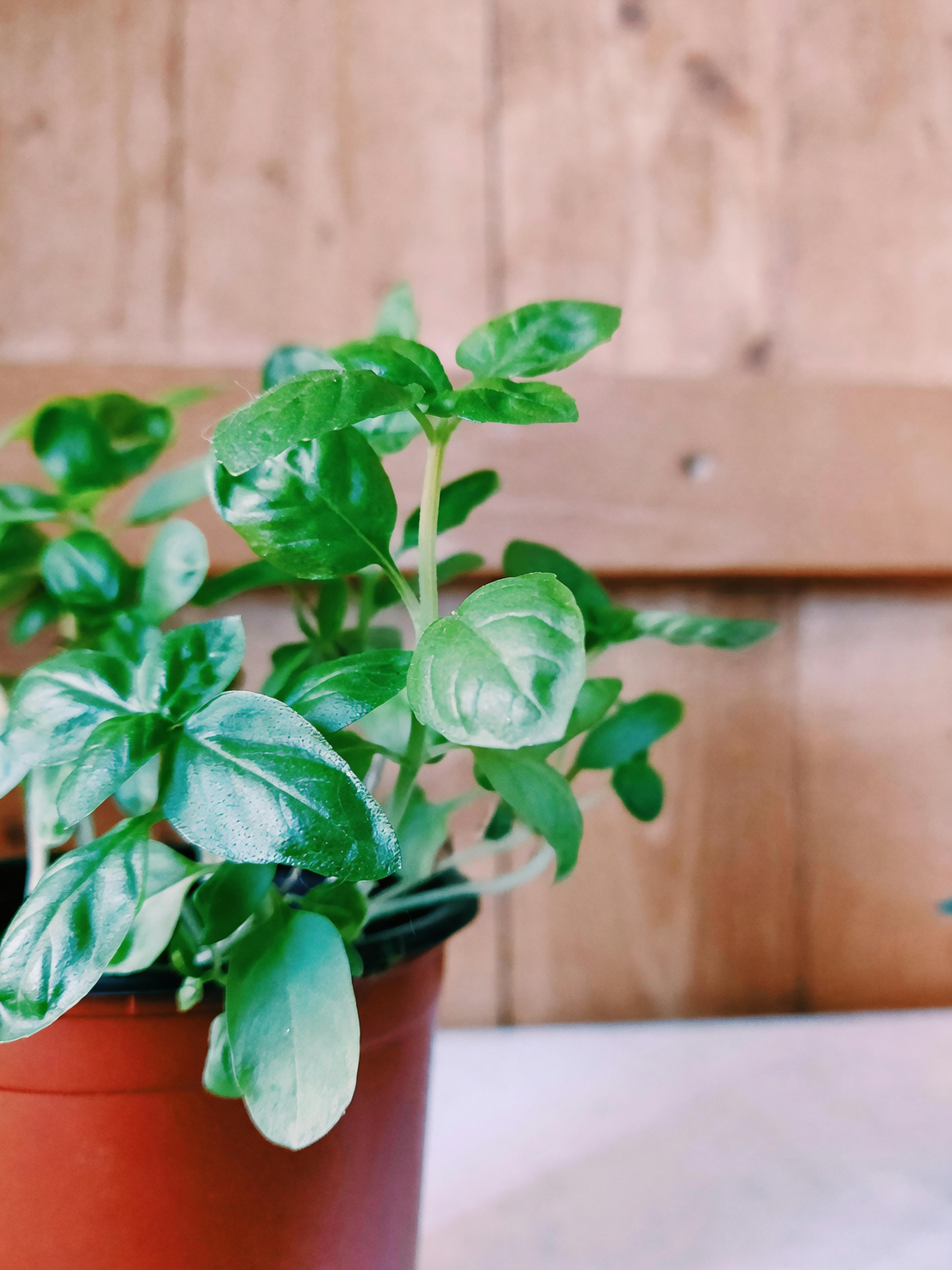
If you’re looking for speed, hydroponics might just be your best friend. Many gardeners report that plants in a hydroponic system can grow up to 50% faster than those in soil. This is largely because hydroponics provides nutrients directly to the roots, allowing plants to focus on growing rather than searching for food. For instance, herbs like basil and mint can experience a 25% increase in their growth rate when cultivated hydroponically indoors. So, if you’re eager to see your plants flourish quickly, hydroponics could be the way to go.
Yield and Space: Making the Most of Your Garden
Hydroponics isn’t just about speed; it also offers higher yields. Studies suggest that hydroponic systems can produce 20-25% more per square meter compared to soil. This method is particularly beneficial in urban settings where space is limited, enabling you to grow more plants in less area. However, if you’re growing root vegetables or prefer the traditional approach, soil might be more suited to your needs, offering richer flavors and simpler setups.

The Cost Factor: Initial Investment vs. Long-Term Efficiency
While hydroponic systems can be more expensive to set up initially, they often use 90% less water than soil. This might translate to lower long-term costs, especially in areas where water conservation is crucial. On the flip side, soil gardening is generally cheaper to start, making it appealing for beginners or those on a tight budget.
Propagation Success: Cloning Your Favorites
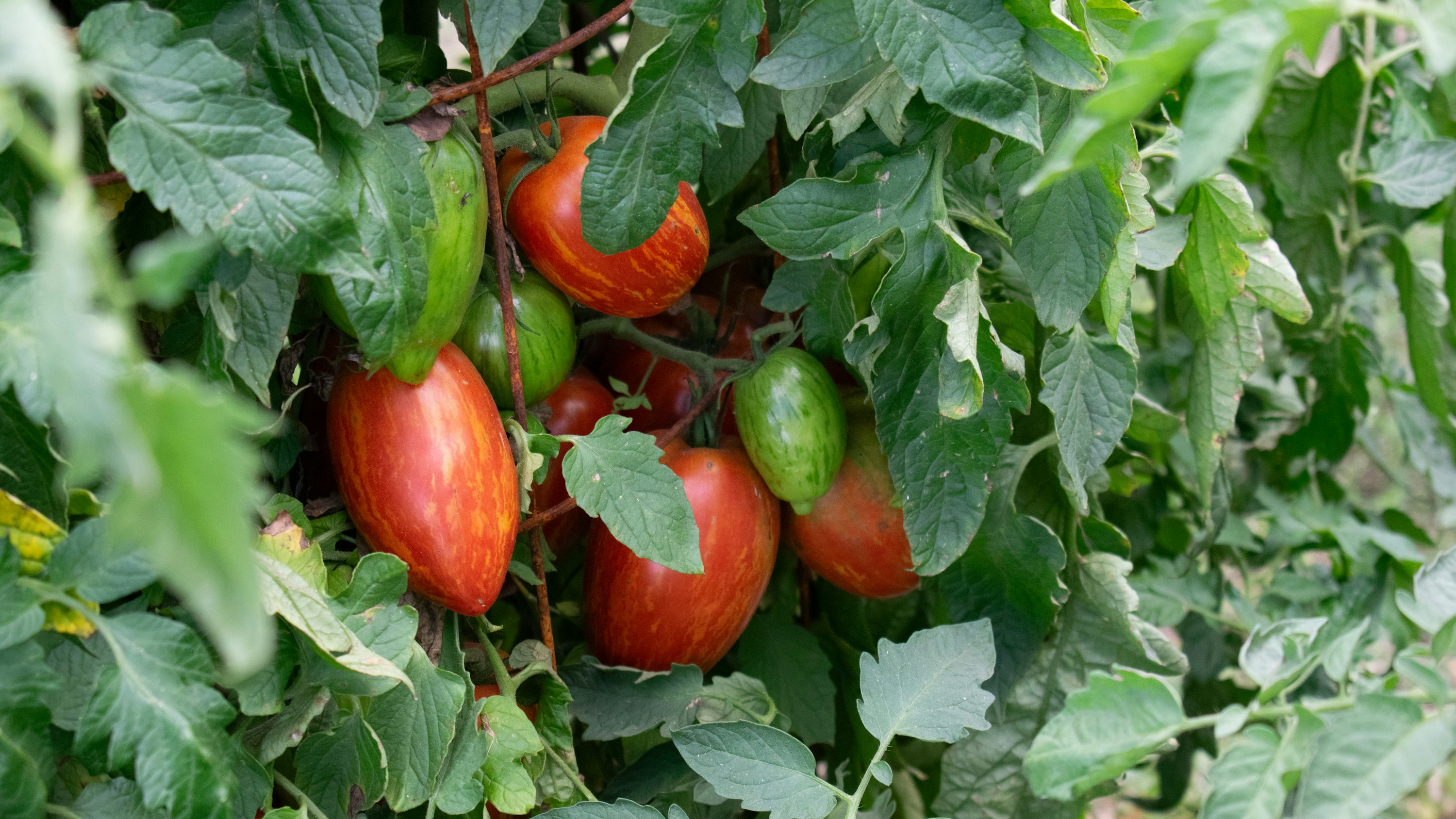
Propagation through cuttings, or cloning, is a popular method in both hydroponics and soil. Many gardeners prefer this technique as it allows for the replication of a plant with desired traits. For instance, you can clone a particularly tasty tomato plant or a fragrant basil. When cloning, using a sharp razor blade and a good quality rooting hormone is essential to increase your success rate. Though hydroponics can accelerate the growth of these clones, starting with healthy mother plants is crucial for both methods.
Common Mistakes and Tips for Success
- Hydroponic Tips: Ensure your nutrient solutions are balanced and your pH levels are optimal (around 6.2 is a good target). Regularly check for signs of nutrient deficiencies or algae in your system.
- Soil Tips: Choose high-quality soil and ensure proper drainage to prevent waterlogging. Be mindful of pests and weeds, which are more common in soil gardens.
- General Cloning Advice: Always take cuttings from healthy plants and use a rooting hormone to encourage root development. It’s also wise to take more cuttings than needed, as not all may take root.
In conclusion, whether you choose hydroponics or soil depends on your gardening goals, space, and budget. Each method has its pros and cons, but with the right care and attention, both can lead to a thriving garden. Happy growing!