
Hydrangea macrophylla, the classic Bigleaf Hydrangea, is that friend who looks freshest in the morning and wilts if you keep them out at noon. Give it gentle sun, steady moisture, and a cool root zone, and those mopheads and lacecaps will stay plump and perky straight through summer. Here’s your upbeat, practical game plan to dial in light and moisture—plus heat-wave tactics that really work.
Meet the plant: bold blooms, lush leaves, and color tricks
- What it is: Hydrangea macrophylla (aka Bigleaf, French, Mophead, and Lacecap Hydrangea) is a deciduous, multi-stemmed shrub from East Asia—especially Japan.
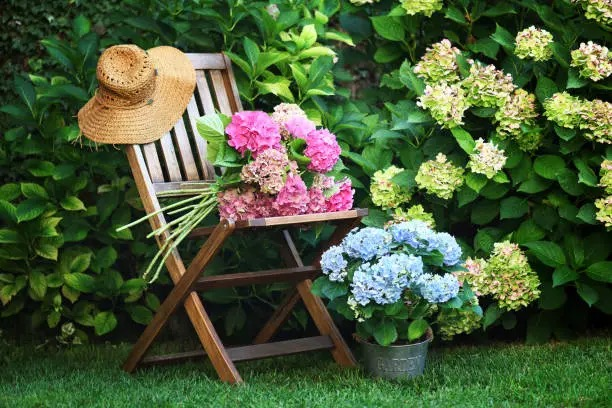
- The look: Large, glossy, serrated leaves and big, 6–8 in (15–20 cm) flower heads that can be rounded mopheads or daintier lacecaps.
- The show: Late spring through summer (often June–July), with some varieties reblooming into fall.
- Size: Typically 3–6.5 ft tall and wide (1–2 m); older in-ground plants in mild climates can grow larger.
- The party trick: Many cultivars blush pink/red in more alkaline soil and turn bluer in acidic soil with available aluminum; white forms generally stay white.
Light: the morning-sun/afternoon-shade formula
Bigleaf Hydrangea adores soft light.
- Aim for: Morning sun with afternoon shade, or bright dappled light (about 3–6 hours of sun).
- Hot-summer regions: Afternoon shade is your best friend—flowers last longer, and leaves avoid scorch.
- Cooler climates: They’ll tolerate more sun if soil moisture is steady.
- Best placements:
- East-facing beds, woodland-edge borders, and patios with high, filtered light.
- Foundation sites with shelter are great—just avoid reflected heat from south/west walls.
Pro tip: Watch your plant at noon. If it droops slightly but perks up by evening, it’s a normal “siesta.” If it stays wilted in the morning, you need deeper watering or more shade.
Watering: deep, not daily
Think slow, soaking drinks—not sips.
- In-ground baseline: Deeply water about 1–2 times per week in summer; go to 2–3 times weekly during heat waves or on sandy soils. Always check soil first.
- Containers: Expect more frequent watering in heat—sometimes every other day. Let the top inch dry slightly between waterings.
- Time of day: Morning is ideal so foliage dries by night.
- Technique:
- Soak the root zone to 8–12 in (20–30 cm) deep; then let the top few inches dry before you water again.
- Use a hose set low and slow at the soil line; avoid blasting overhead late in the day.
- What to avoid: Waterlogging and “constant damp” soil—root rot and yellowing leaves follow fast.
Quick read of stress signals:
- Underwatering: Persistent wilting into morning, crisp leaf edges.
- Overwatering: Yellowing, limp leaves, and droop even when soil feels wet; check drainage.
Mulch: your moisture manager and heat shield
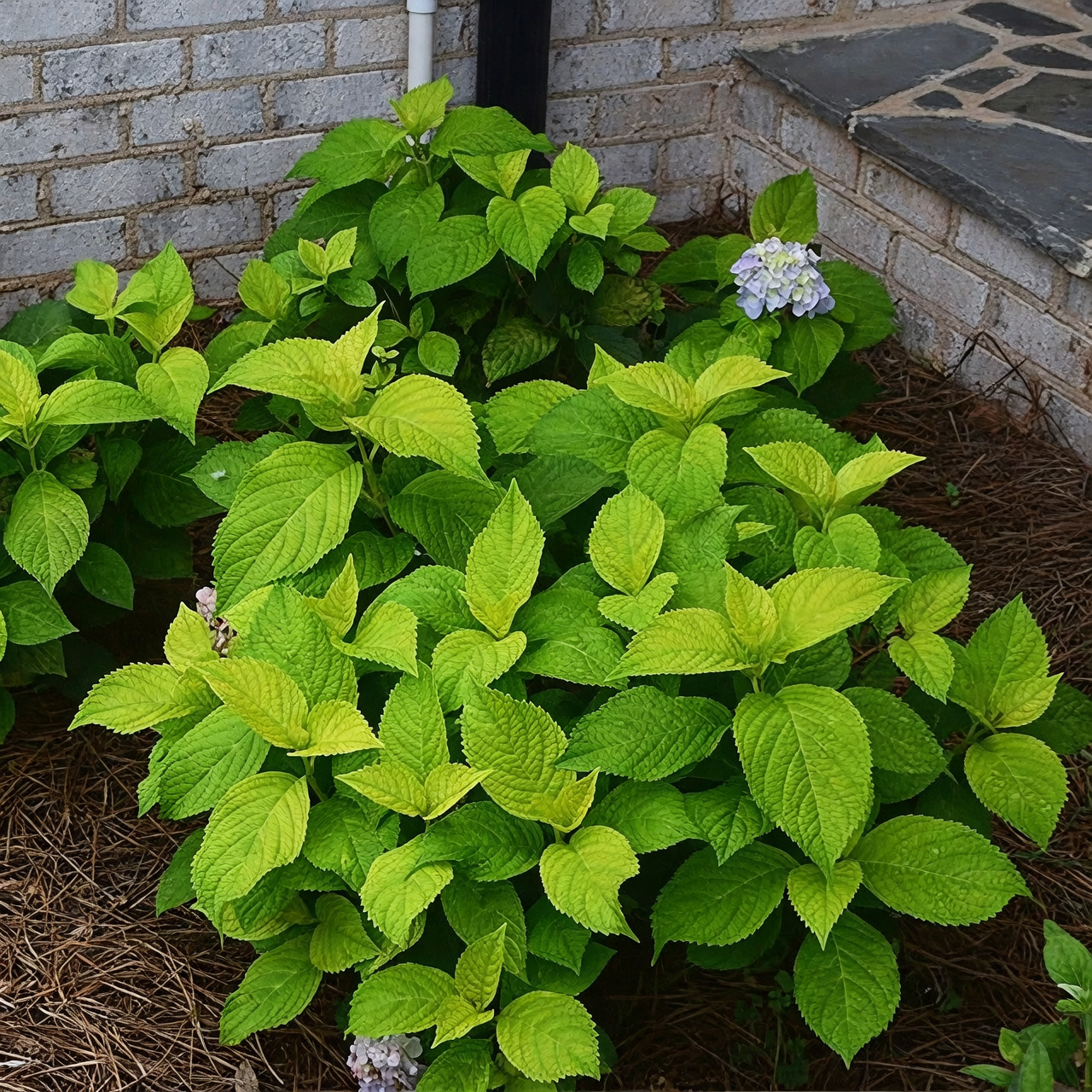
- Lay 2–3 in (5–8 cm) of shredded bark, pine straw, or compost over the root zone, keeping mulch a few inches off the stems.
- Benefits: Conserves moisture, buffers soil temperatures, suppresses weeds, and keeps those shallow roots happy.
- Skip rock mulches—stone bakes the root zone.
Heat-wave playbook: keep hydrangeas perky
When temps spike, flowers and leaves tire quickly. Use these tactics:
- Deep morning soak before the hottest days.
- Temporary shade: Drape 30–40% shade cloth, move pots to bright shade, or use a patio umbrella 12–4 pm.
- Boost mulch to a full 3 in if you’ve skimped.
- Position containers out of hot wind; group pots to create a cooler microclimate.
- Improve airflow but avoid wet leaves overnight; if you mist, do it early morning and lightly.
- Pause fertilizer during extreme heat; let the plant focus on staying hydrated.
Soil and planting: rich, moist, well-drained
- Recipe: Loamy, organic-rich soil or a quality potting mix with peat/coco and perlite/sand for drainage.
- Drainage matters: Hydrangeas love moisture but hate soggy feet.
- Color chemistry (for color-changing cultivars):
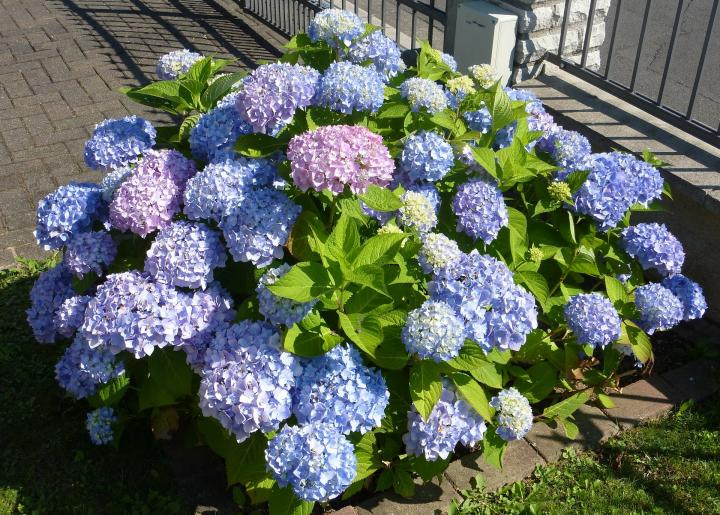
- Bluer blooms: More acidic soil (often below pH 6) with available aluminum.
- Pink/red blooms: More alkaline conditions (often above pH 7).
- Adjust slowly and thoughtfully; white varieties typically stay white.
- Container tip: Use a pot 2–4 in (5–10 cm) wider at each repot, and refresh the mix annually in spring.
Feeding for flowers (without overdoing it)
- Growing season: Use a balanced fertilizer (e.g., 10-10-10) or an acid-forming product for acid-lovers. Follow label rates.
- Frequency: In-ground plants often need 1–2 feedings (spring and early summer). Container hydrangeas can be fed about every 2 weeks.
- Timing: Ease off by late summer (around July in many climates) to help stems mature before winter.
- Color nudging: Aluminum sulfate for blue tones; garden lime for pink—only if appropriate for your soil and cultivar.
Pruning: keep next year’s blooms intact
Many Bigleaf Hydrangeas flower primarily on old wood (last year’s stems). To play it safe:
- Right after flowering: Deadhead and lightly shape.
- Rejuvenation: Remove up to one-third of the oldest, thickest stems at the base to refresh the shrub.
- Young plants: Pinch tips at ~6 in (15 cm) to encourage branching.
- Rebloomers: Some cultivars also flower on new wood—great for bloom insurance—but always verify your variety before hard pruning.
- Winter: Avoid cutting back hard; buds are more cold-sensitive than stems.
Containers and patios
- Light: East-facing porch or bright, dappled shade.
- Water: Check daily in hot weather; water deeply and let the top inch of mix dry a bit between waterings.
- Winter: Protect pots from deep freezes; keep them cool but not bone-dry. Outdoors is best; not a long-term houseplant.
A quick seasonal calendar
- Spring: Resume regular watering and feeding; scout for aphids and leaf spots.
- Late spring–summer: Peak bloom—keep evenly moist, give afternoon shade, deadhead to tidy, avoid letting pots bake dry.
- Late summer–autumn: Reduce feeding; maintain moisture while easing frequency as nights cool; protect developing buds.
- Winter: Shelter from hard freezes and drying winds; water sparingly but don’t let pots dry out completely.
Troubleshooting (fast fixes)
- No blooms? Most common causes: wrong-time pruning (old buds removed), winter bud damage, too much shade, or high-nitrogen fertilizer. Protect buds, prune right after flowering, give morning sun with afternoon shade, and use balanced feed.
- Wilting or yellow leaves? Normal deciduous drop in winter is expected. Otherwise, think cold stress or soggy roots. Improve drainage and adjust watering.
- Leaf scorch or faded blooms? Too much afternoon sun/heat. Increase shade and mulch; water deeply in the morning.
- Pests and diseases: Aphids, mites, thrips, Japanese beetles; powdery mildew, leaf spots, anthracnose, and root rot. Start with a strong water spray and insecticidal soap. Water at soil level, improve airflow, remove infected foliage, and ensure fast-draining soil.
Hardiness and climate notes
- Best dependable flowering: USDA Zones 6–9 (varies by cultivar and winter protection).
- Temperature sweet spot: 64–82°F (18–28°C).
- Humidity: Moderate to high with good airflow.
Propagation: easy new plants
- Softwood cuttings: Take 5–6 in (12–15 cm) non-flowering tips in early summer; remove lower leaves, dip in rooting hormone, and place in a well-drained medium. Expect roots in 2–3 weeks with warmth and humidity.
- Layering: Pin a low stem to the soil in spring when buds swell; it may root within about a month. Separate and pot later.
- Division: Occasionally possible with rooted offshoots in early spring.
A note on symbolism (and why it stuck)
Hydrangeas are often linked with gratitude, heartfelt emotion, and abundance—fitting for a shrub that gifts you entire bouquets at once. In Japan, an old tale tells of an emperor offering blue hydrangeas as an apology, which helped cement the blue bloom’s association with remorse and understanding. Pink tones are tied to sincere affection; white to purity; purple to deeper connection. In Victorian Europe, the plant’s lavish, seed-light blooms were sometimes read as showy excess—an intriguing contrast to its modern message of grace and generosity.
Safety
Treat as ornamental only. Hydrangea contains cyanogenic glycosides and is mildly toxic if eaten by people or pets. Keep leaves and flowers out of reach of curious nibblers.
Your simple, repeatable recipe
- Light: Morning sun, afternoon shade (3–6 hours total).
- Water: Deep, infrequent soaks—1–2 times weekly in summer; more in heat or containers.
- Mulch: 2–3 inches, no rock mulch, keep away from stems.
- Soil: Moist, well-drained, organic-rich; adjust pH only if you’re chasing color changes.
- Prune: Right after bloom; protect buds over winter.
Dial in those basics and Bigleaf Hydrangea will repay you with months of lush, color-shifting flowers—and that fresh, perky look all summer long.