

The Ultimate Guide to Hippeastrum × hybridum Care: Blooming Brilliance at Home
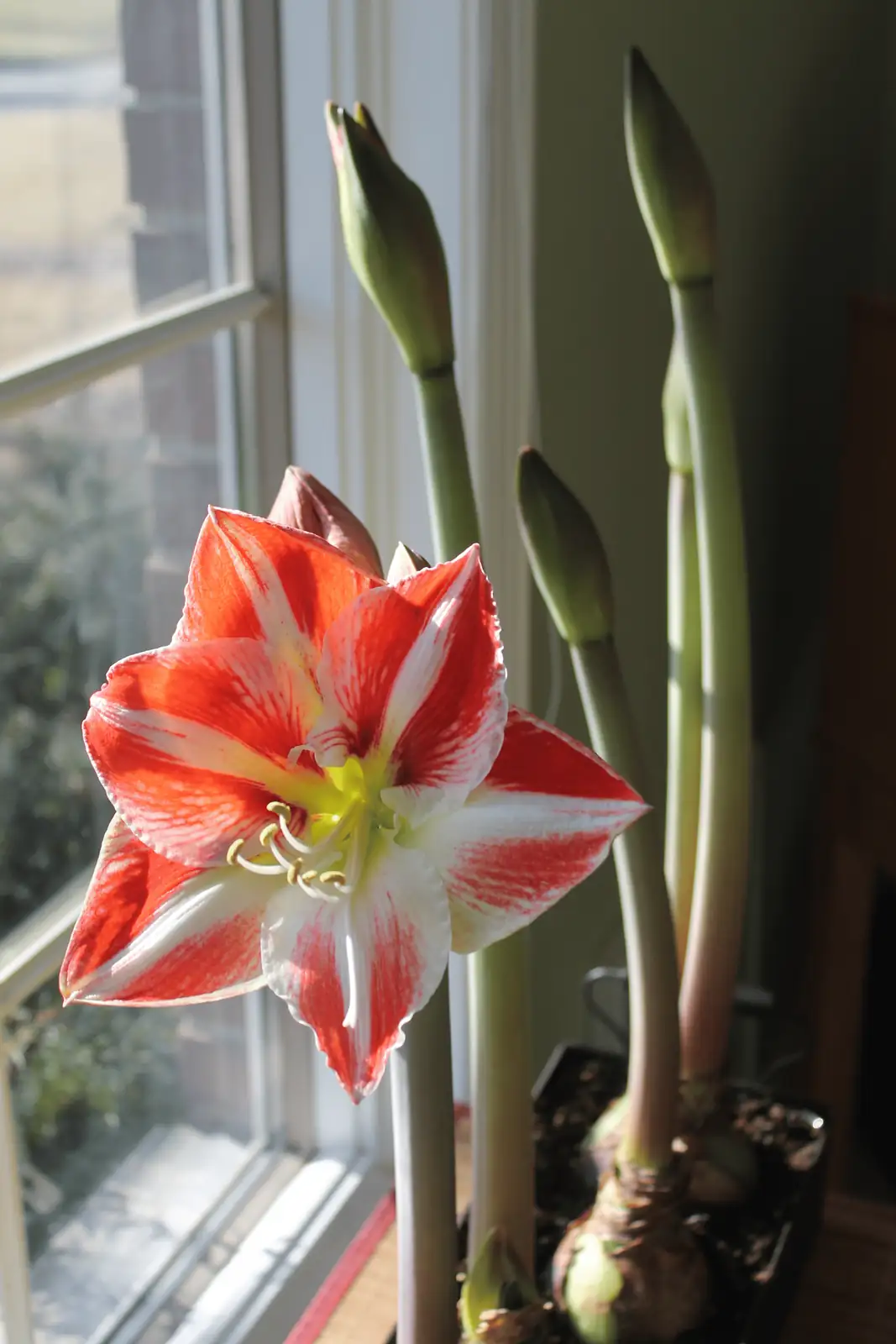
If you’ve ever craved a splash of vibrant color during the dreary winter months, the Hippeastrum × hybridum, commonly known as “amaryllis” in the trade, might just be your perfect plant companion. These stunning bulbs are not only easy to care for, but they also reward you with magnificent, trumpet-shaped blooms that can make even the dullest winter day feel like a celebration. Let’s dive into the best practices for caring for these tropical beauties to ensure they brighten your home year after year.
Light: Finding the Perfect Spot
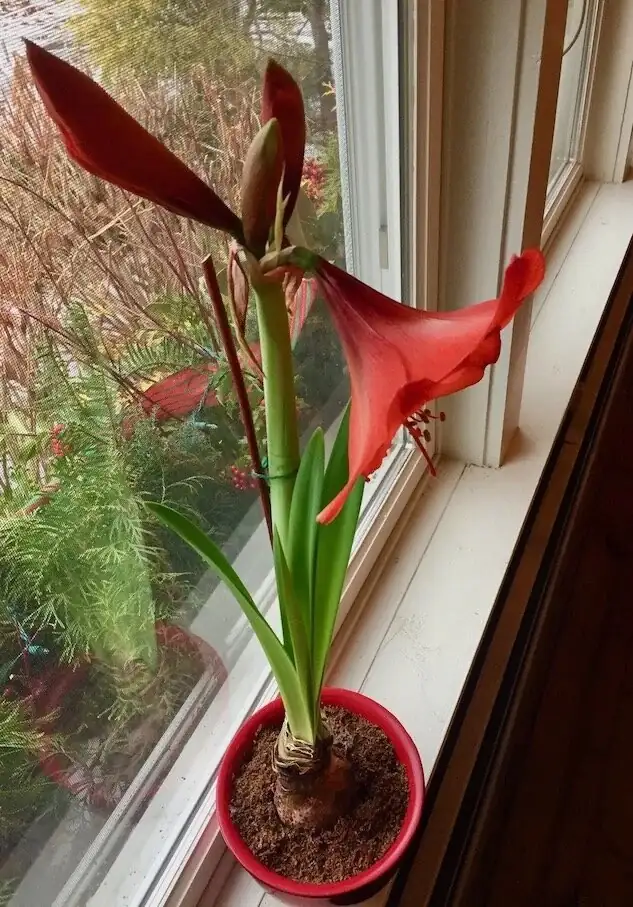
Amaryllis thrives in bright light, and a spot near a sunny window is ideal. Think of it as a plant sunbathing session—morning sun is perfect, while the intense midday rays should be avoided. Picture this: an east-facing window with gentle morning light filtering through a sheer curtain, providing just the right balance of sunshine. Once your amaryllis starts blooming, bright indirect light will keep those stems sturdy and the flowers vibrant.
Watering: The Goldilocks Approach
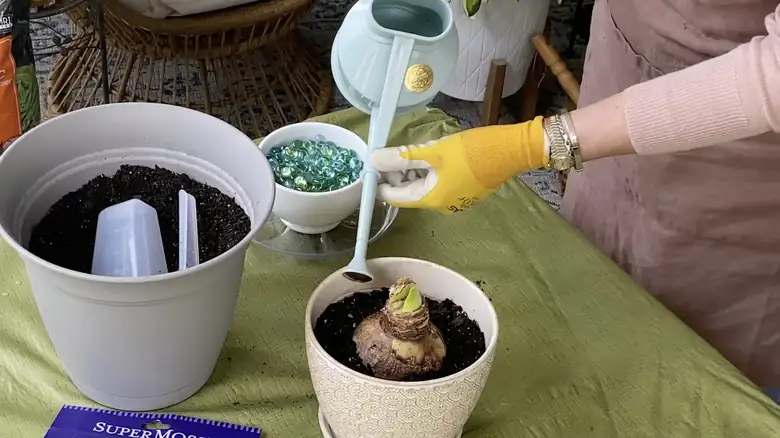
Watering amaryllis is all about finding the sweet spot—not too much, not too little. Initially, water sparingly after potting the bulb. Once the flower stalk or leaves make their debut, water whenever the top inch of soil feels dry. The trick is to keep the soil evenly moist, never soggy. Imagine a cake batter consistency—just enough moisture to hold together, but not so wet that it’s gooey. And a crucial tip: steer clear of pouring water directly into the bulb’s neck to avoid rot.
Feeding: Powering Up for the Show
During active growth, your amaryllis will appreciate a feeding every couple of weeks. Use a balanced liquid houseplant fertilizer, and consider giving your plant a bloom-boosting treat—something with a little extra phosphorus and potassium—when the flower stalk emerges. After the blooms fade, continue feeding every 2–3 weeks to help the bulb recharge its energy reserves. Think of it as giving your plant a hearty meal post-performance.
The Essential Dry Rest Period
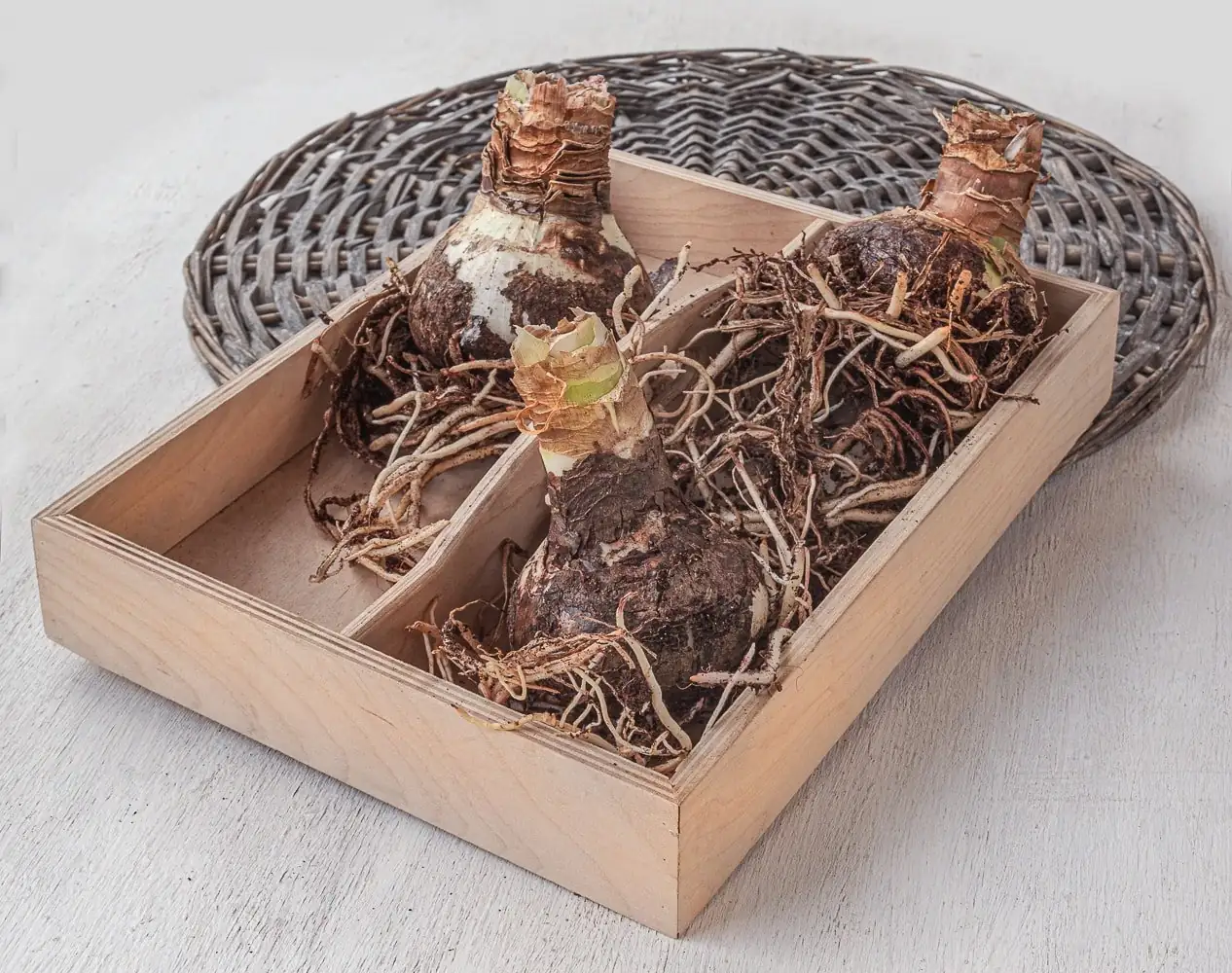
For repeat blooming, the dry rest period is as vital as a good night’s sleep after a busy day. As summer turns to fall, gradually reduce watering and let your amaryllis take a break. Place it in a cool, dark spot—around 10–13°C (50–55°F)—and stop watering altogether for about 8–10 weeks. Once the rest period is over, bring the bulb back to warmth and light, resume watering, and watch as it prepares for its next dazzling display.
Placement: Indoor and Outdoor Adventures
While amaryllis is a star performer indoors, it also loves a summer retreat outdoors. Once the threat of frost has passed, you can move it to a bright patio or balcony. Just remember to bring it back inside before the temperatures drop. Indoors, it’s a wonderful addition to living rooms, entryways, or any space that could use a pop of color and life.
Pruning and Repotting: Keeping It Tidy
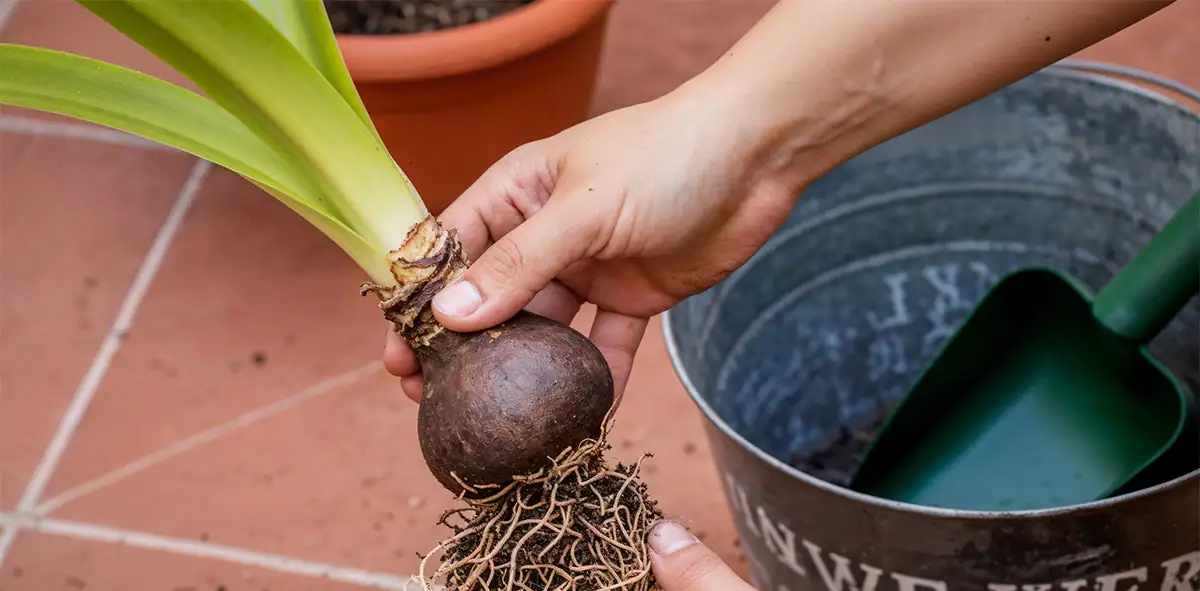
After your amaryllis has put on its show, it’s time for a little post-performance cleanup. Trim spent flower stalks close to the bulb, but keep the leaves intact until they naturally yellow. This foliage is the bulb’s solar panel, helping it gather energy for future blooms. Repotting is usually needed every 2–3 years, or when things get a bit crowded. Choose a pot slightly larger than the bulb, and plant it with about one-third of the bulb above the soil line to prevent rot.
Common Pests and Problems: Staying Ahead of Troubles
Amaryllis is relatively trouble-free, but like any star, it can attract a few pests. Keep an eye out for mealybugs, scale, and spider mites, especially in dry indoor air. Boosting humidity around the leaves can help, as can periodic washing of the foliage. If you notice red blotches or scorched spots, it might be red blotch disease—improve airflow and consider using a fungicide if necessary.
Safety Warning: Keep It Out of Reach
Despite its beauty, amaryllis is toxic if ingested, especially the bulb, which contains alkaloids like lycorine. Keep it away from curious pets and children, and if ingestion is suspected, seek medical advice promptly.
Flower Language and Symbolism
The amaryllis is often associated with pride, strength, and determination. In the Victorian language of flowers, it symbolizes splendid beauty and achievement. Imagine a knight in shining armor—the name Hippeastrum is derived from Greek, meaning “knight’s star,” reflecting the plant’s regal and striking appearance.
Fun Facts to Impress Your Guests
- Most “amaryllis” seen at winter holidays are actually Hippeastrum hybrids, not the true South African Amaryllis belladonna.
- With proper care and cycles of rest and recharge, a single bulb can continue to bloom for decades.
- These bulbs are often sold with flower buds already formed, making the first bloom almost effortless.
By following these care tips, you can enjoy the vibrant and enduring beauty of Hippeastrum × hybridum in your home, bringing a burst of color and cheer to any season. Happy growing!


