

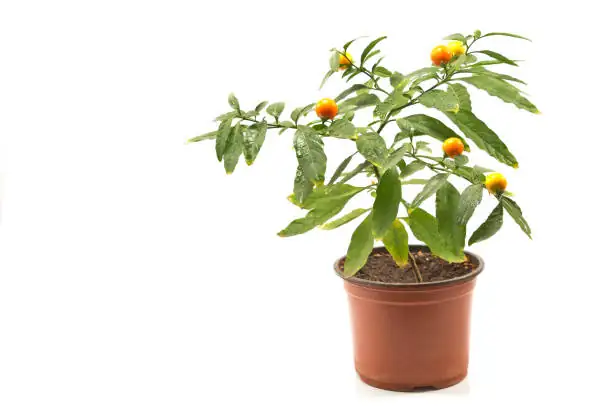
Imagine a compact, glossy-leaved plant studded with perfect little ornaments that blush from green to tangerine and then a vivid coral-red—right when most plants are calling it quits for the year. That’s Jerusalem cherry (Solanum pseudocapsicum), a small nightshade that saves its grand finale for autumn and winter. Its winter berries can hold their color for weeks, and the secret to that long, flawless display boils down to steady light, slightly dry soil, and a little understanding of how fruits ripen and color up.
Meet Jerusalem cherry (Solanum pseudocapsicum)
- What it is: An evergreen, compact, bushy subshrub in the nightshade family (Solanaceae), most often grown as a short-lived potted plant for winter color.
- Origin: Native to South America; widely grown and naturalized in warm-temperate and subtropical parts of Europe and Asia.
- Size and looks: Typically 30–60 cm tall and 30–45 cm wide in containers, with narrow-oval to lance-shaped medium-green leaves. Plants are often pinched at 10–15 cm to keep them dense and rounded.
- The show: Small starry white flowers in autumn set round berries that ripen from green to orange to bright red. The fruit holds for weeks through winter in good conditions.
- Indoors and out: Loves bright light to full sun, tolerates partial shade. It’s frost-tender—keep winter temperatures above 8–10°C (46–50°F) and avoid cold drafts or big temperature swings.
Note on safety: The berries and other parts are toxic if eaten. Keep away from children and pets.
The science of that traffic‑light color shift
Jerusalem cherry’s fruit color journey—green → orange → red—is a tidy lesson in plant pigments and ripening biology.
From chlorophyll to carotenoids: how red arrives
- Green stage: The unripe berry is a tiny photosynthetic factory rich in chlorophyll.
- The turn: As ripening begins, chlorophyll breaks down and the chloroplasts in the fruit’s cells transform into chromoplasts—specialized pigment storage bodies.
- Orange to red: Carotenoids (think lycopene, β‑carotene, and friends) accumulate, first revealing warm oranges and then saturating into showy coral-reds. In Jerusalem cherry and its nightshade relatives, these carotenoid pigments are the main “paint” for the red finish.
Behind the scenes, ripening hormones (notably ethylene and abscisic acid) and a suite of pigment-synthesis genes orchestrate this choreography—switching off chlorophyll maintenance and dialing up carotenoid production. The plant’s environment gently nudges these levers.
Why steady light deepens color—and keeps berries on
- A steady sugar supply: Bright, consistent light powers photosynthesis in leaves, feeding developing fruits with sugars that support pigment biosynthesis and the chloroplast-to-chromoplast transition.
- Gene expression: In many fruits, good light upregulates carotenoid-pathway enzymes, helping reds “finish” richly rather than stalling at pale orange.
- Less stress, less drop: Sudden dips in light (or light-starved corners) can trigger resource stress. In response, plants may shed berries to “save” themselves. A bright east- or south-facing window keeps the plant calm and the berries firmly attached.
Why “slightly dry” soil prevents spotting and rot
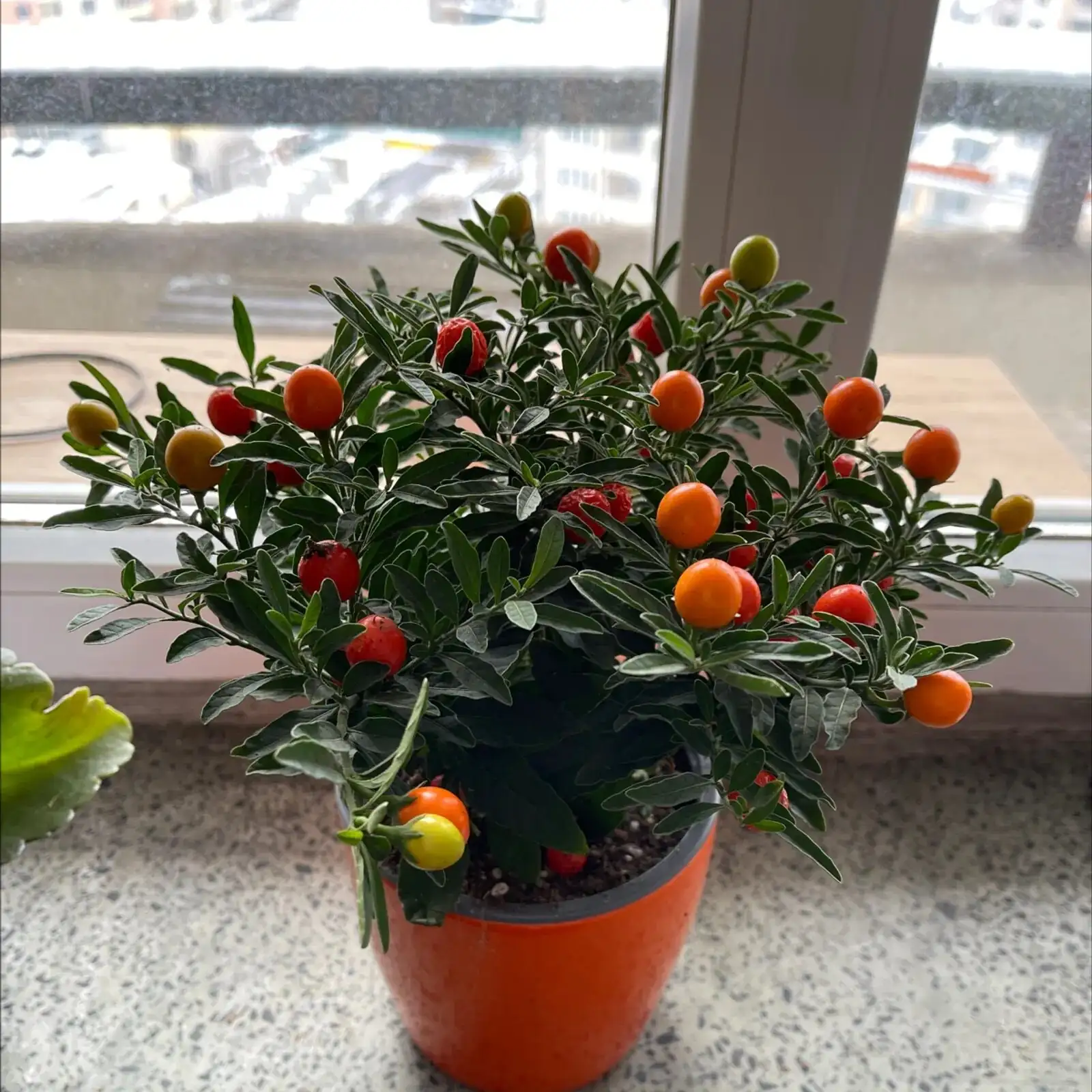
Think of the berry’s skin (cuticle) as a glossy raincoat. Its integrity is everything for blemish-free color.
- Microcrack control: Wide swings from drought to drench can cause the fruit’s skin to expand and contract, creating microcracks that invite spotting and rot. Keeping the mix just slightly dry—and avoiding the “drought then deluge” cycle—minimizes this.
- Less surface moisture, fewer pathogens: Free water on the fruit is a party invitation for fungi. Watering carefully at the soil line (no splashing) and letting the top layer dry a bit deprives pathogens of the moisture film they need.
- Balanced turgor: Overly wet roots push soft, water‑soaked fruits that mark easily; gently on the dry side firms textures and holds color.
Bonus: Moderate humidity and light air movement also discourage leaf spot and anthracnose—two issues that love stagnant, damp conditions.
Temperature: the quiet stabilizer
- Sweet spot: Around 20–25°C (68–77°F) during active growth encourages steady pigment development.
- Wintering: Keep above 8–10°C (46–50°F); avoid drafts and abrupt changes. Sudden chills can cause leaves and berries to drop—even when everything else is right.
Grower’s playbook for weeks of vivid, spotless berries
- Light
- Place at an east- or south-facing window with bright light to full sun; outdoors in warm seasons, give strong sun with shelter from harsh wind/rain.
- Water
- Active growth: Water thoroughly when the top 2–3 cm of mix dries.
- Flowering: Ease off slightly to encourage fruit set.
- Fruiting and winter display: Keep the mix just slightly dry—never waterlogged. Avoid the drought–drench cycle. In cool, dim winter weather, watering about every 4–5 days is often enough; adjust to your home. Always water at soil level; don’t wet the berries.
- Soil and pot
- Use a rich, well-draining potting mix—loam-based with peat/coco and coarse sand/perlite for airflow. Slightly pot‑bound plants stay compact and colorful.
- Feeding
- Feed every 2 weeks in active growth with a balanced fertilizer. In early autumn as buds and flowers appear, give 1–2 extra feeds higher in phosphorus and potassium (e.g., around 15‑15‑30) to support bloom and fruit.
- Pruning and shaping
- Pinch once when plants reach 10–15 cm to promote branching and a rounded silhouette. Older plants can be cut back after winter; fresh shoots may flower again under strong light.
- Airflow and hygiene
- Keep leaves and berries dry. Provide gentle air movement to reduce leaf spot and anthracnose risk. Remove any blemished fruit promptly.
Buying and first‑week setup
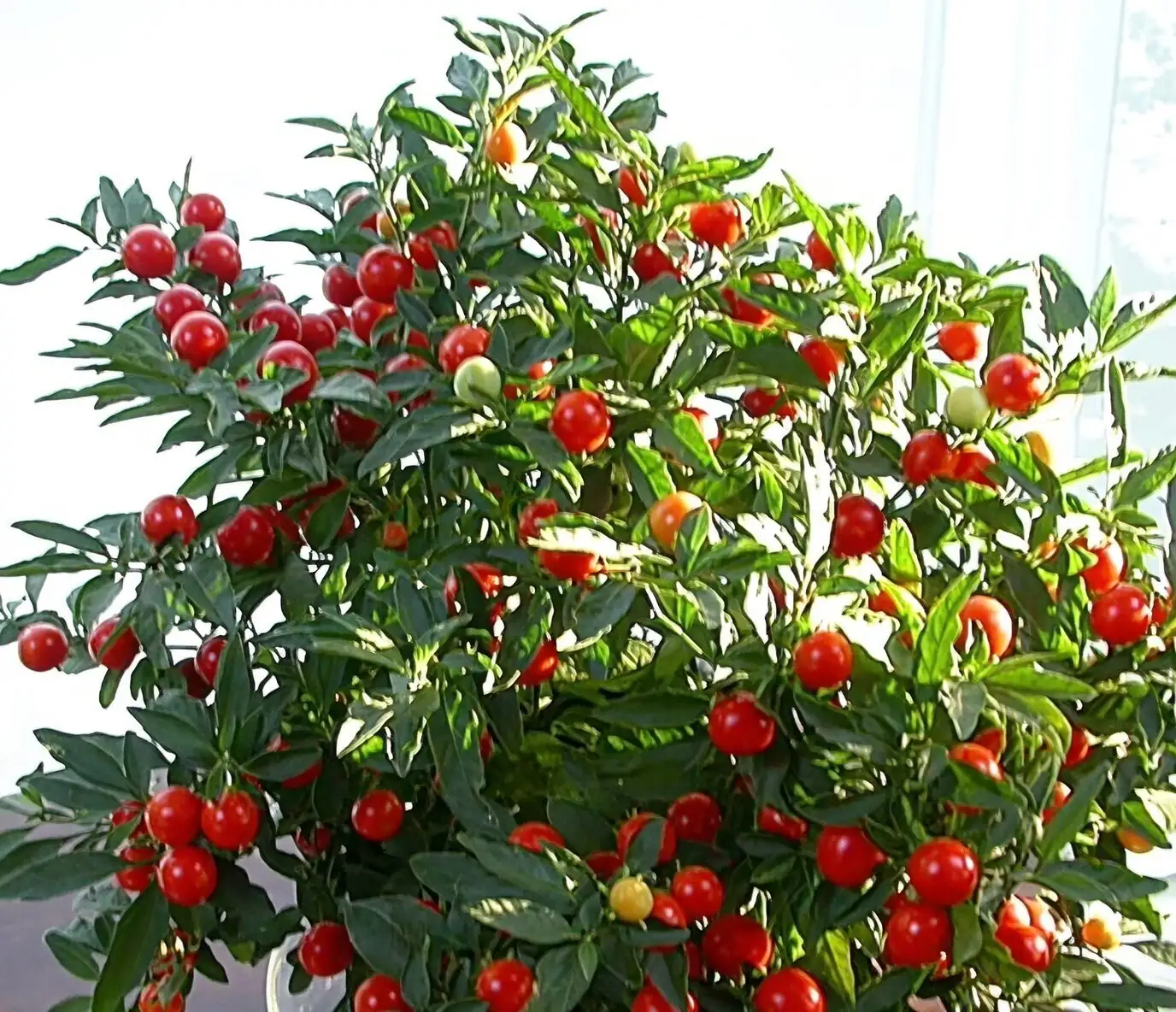
- Choose a compact, well-branched plant with dense foliage and many firm, glossy berries of similar size and ripeness. Avoid soft, bruised, or rotting fruit.
- Transport gently—ripe berries can drop if jostled.
- At home: place immediately in strong light, water the soil without splashing the fruit, keep the mix slightly on the dry side, and avoid rapid temperature changes.
Troubleshooting, fast
- Berries dropping or leaves yellowing
- Usually low light, cold drafts, or wet soil. Move to brighter light, keep winter temps above 8–10°C, and water sparingly so the mix is lightly moist to slightly dry.
- Spots or rot on berries
- Splashing during watering or excessive humidity. Water at the base, improve airflow, and remove affected fruits.
- Pale color that stalls at orange
- Insufficient light. Shift closer to a bright window or supplement with a grow light.
- Whiteflies indoors
- Isolate the plant and treat with insecticidal soap or horticultural oil, repeating as needed.
- Leaf spot/anthracnose
- Improve airflow, avoid wetting leaves/berries, and prune off affected parts.
Safety, symbolism, and a little lore
- Toxicity: The berries (and other parts) are toxic if eaten—typical of many nightshades. Keep out of reach of children and pets.
- Symbolism: Its bright winter baubles have long made it a cheery “good luck” plant for the darkest months.
- About flower language (花语): Modern “meanings” tied to plants often spring from recent cultural trends and marketing more than deep tradition. With Jerusalem cherry, the seasonal symbolism—brightness, luck, festivity—is grounded in its winter fruit display rather than historic folklore.
A quick annual rhythm
- Spring–summer: Give strong light; water when the surface dries; fertilize every 2 weeks. Take semi‑ripe cuttings in summer if you’d like more plants.
- Autumn: Keep very bright light; reduce watering slightly during bloom; add 1–2 higher P/K feeds to boost fruiting.
- Autumn–winter display: Keep above 8–10°C, avoid drafts, water lightly (often every 4–5 days in cool/dim periods), and maintain the mix slightly on the dry side to help berries last and prevent spotting.
Why this formula works
- Steady light funnels energy into carotenoid biosynthesis and stabilizes the ripening program, deepening red tones and reducing fruit drop.
- Slightly dry soil protects the berry’s cuticle, limits microcracking, and denies pathogens the free moisture they need—so the fruits stay glossy and unblemished for weeks.
Treat Jerusalem cherry like a little solar‑powered ornament maker: keep the light consistent, the roots just a bit on the dry side, and the air fresh—and those coral-red berries will reward you with a long, luminous winter show.