

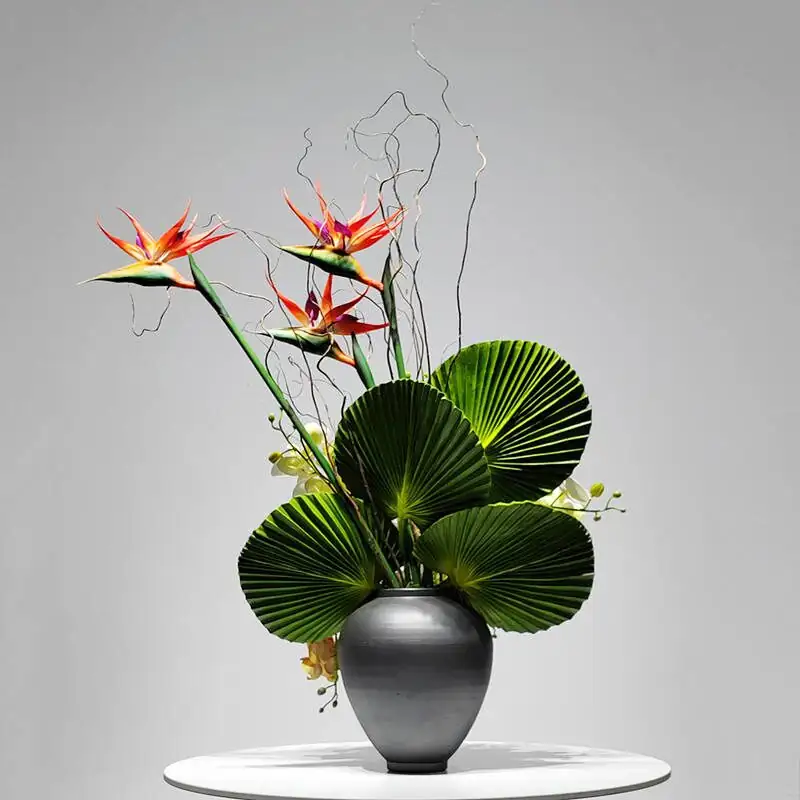
Think of Anthurium andraeanum—the Flamingo Flower—as the diva of tropical cut flowers: a glossy, heart-shaped spathe that looks lacquered, a poised spadix, and a reputation for staying fabulous far longer than most blooms. With the right prep and a few pro tricks, you can stretch that vase life from merely good to outstanding—often 2–4 weeks, and sometimes more.
Here’s your florist-grade playbook for conditioning, stem prep, temperature, and water management to keep those waxy spathes flawless.
Flamingo Flower 101 (the ultra-quick brief)
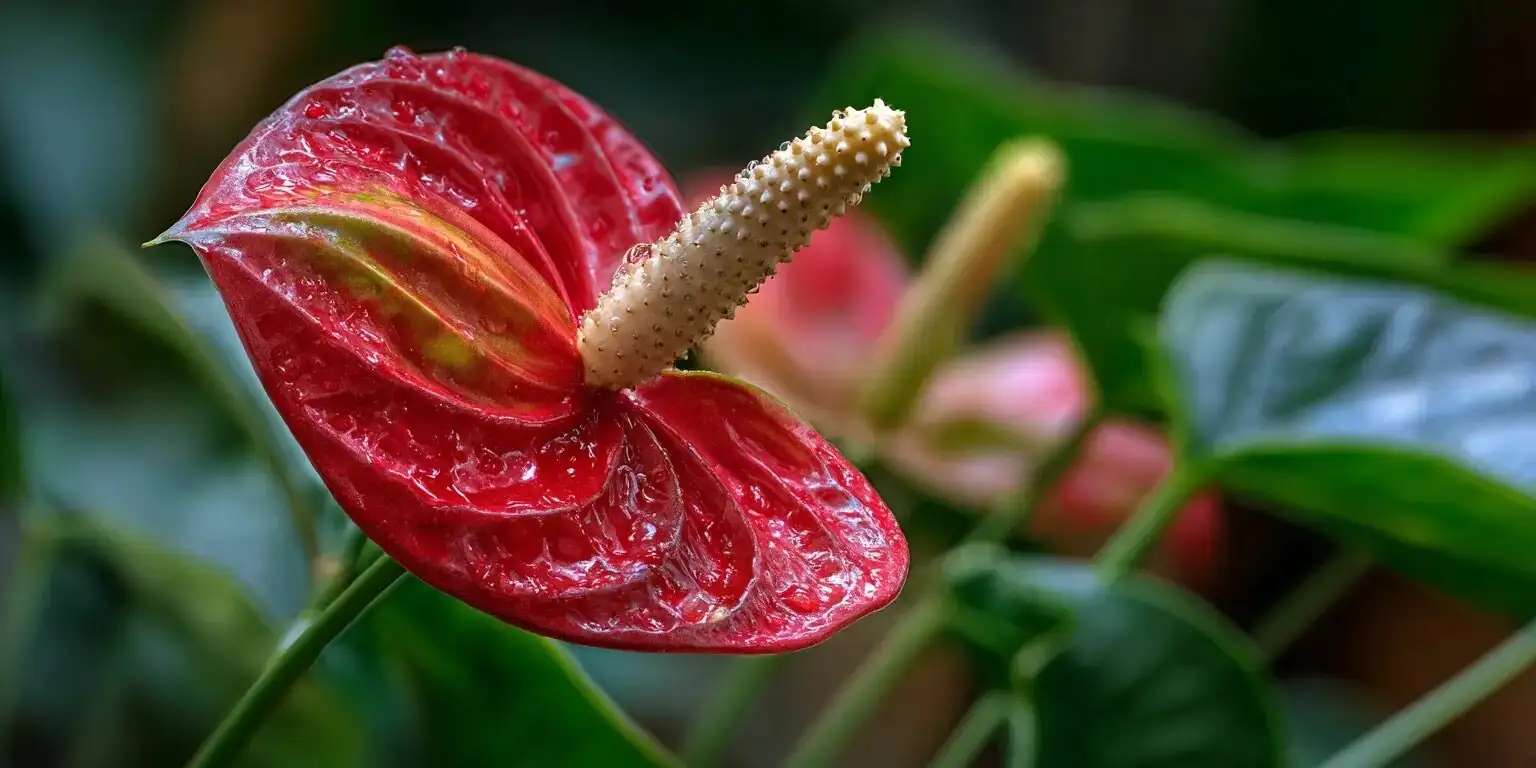
- What you’re admiring is a spathe (the “petal”) and a finger-like spadix. The true flowers are the tiny ones packed along the spadix.
- Native to tropical South America and widely cultivated—this is one of the world’s most important tropical cut flowers.
- Warmth-loving and chilly-averse. Below about 13–15°C (55–59°F) you risk chilling injury; steady, mild warmth keeps it happy.
- Sap can irritate skin; stems and sap contain calcium oxalate. Handle with care, especially around kids and pets.
Choosing florist-grade stems (selection = half the win)
Pick stems that are already at their peak, not “almost there.”
- Spathe maturity
- Fully expanded, evenly colored, and firm with a waxy sheen.
- Avoid bruises, creases, or water-soaked patches (classic chill damage).
- Spadix stage
- Slightly roughened/spiky texture is a good sign of maturity.
- Skip stems shedding visible pollen or with brown tips—those are already aging.
- Stem quality
- Straight, turgid peduncle (stem), clean cut end, no sliminess or odor.
Pro cue: Green-tinged and white spathes often outlast bright reds in the vase—handy when you need maximum longevity.
Unpack-and-condition like a pro (Day 0)
Treat the first hour like triage for longevity.
- Acclimate, don’t refrigerate
- Keep stems upright in a cool room (about 18–22°C / 64–72°F). Do not chill below 13°C (55°F).
- Sanitize everything
- Use a clean vase, sharp disinfected snips, and clean hands/gloves. Bacteria are the enemy of tropicals.
- Recut properly
- Trim 1–2 cm (½–¾ in) off the base at a 45° angle. If you can, cut under water to prevent air embolisms.
- Hydration bath
- Place in lukewarm water (20–25°C / 68–77°F). Add a tiny biocide for microbial control:
- Option A: Commercial hydrator/preservative (best in mixed bouquets).
- Option B: DIY biocide for anthuriums alone: 0.5–1.0 mL household bleach per liter (≈ ¼–½ tsp per quart). Optionally add a few drops of lemon juice to nudge pH slightly acidic. Avoid sugar when conditioning anthuriums solo.
- Optional stem “sear”
- If stems tend to ooze, briefly dip just the cut end in very hot water (about 60–65°C / 140–149°F) for 30–60 seconds, then return to your conditioning solution. This can reduce sap bleed and early stem slime.
- Rest to rehydrate
- Condition for 4–6 hours (or overnight) in a dim, cool spot out of direct sun and drafts.

Note on flower food: Anthuriums don’t crave sugar the way many cut flowers do. In mono-species vases, clean water + biocide typically outperforms sugary mixes. If you’re arranging with other flowers, a standard preservative with sugar is helpful for the bouquet overall.
Water chemistry and vase hygiene (your quiet superpowers)
- Start spotless
- Scrub vases between uses. Residual biofilm shortens vase life.
- Shallow, fresh water
- 5–10 cm (2–4 in) of solution is enough to cover the stem ends without inviting mush.
- Keep it slightly acidic and clean
- Use a commercial preservative or refresh with your DIY biocide every 2–3 days. Recut 5–10 mm each time.
- No misting
- The waxy spathe doesn’t need it, and water spots can dull that lacquered look. If needed, gently wipe the spathe with a barely damp, soft cloth.
Temperature and placement: the “silent” lifespan extender
- Sweet spot: 18–24°C (64–75°F) indoors. Above 30°C (86°F) speeds aging; below 15°C (59°F) stresses and can mar the spathe.
- Keep away from:
- Direct sun (bleaching and heat), radiators, heater vents, cold drafts, and air conditioners.
- Storage rule
- Never refrigerate with your roses and tulips—chilling injury can appear as dull, brown, or translucent patches on spathes and spadices.
Ethylene: the invisible spoiler
- Sources: ripening fruit, cigarette smoke, exhaust, some aging blooms.
- Effects: spadix browning/necrosis and premature senescence.
- Prevention:
- Display away from fruit bowls and kitchens.
- Ventilate transport boxes quickly.
- In event work, refresh air and rotate stock; remove overripe stems promptly.
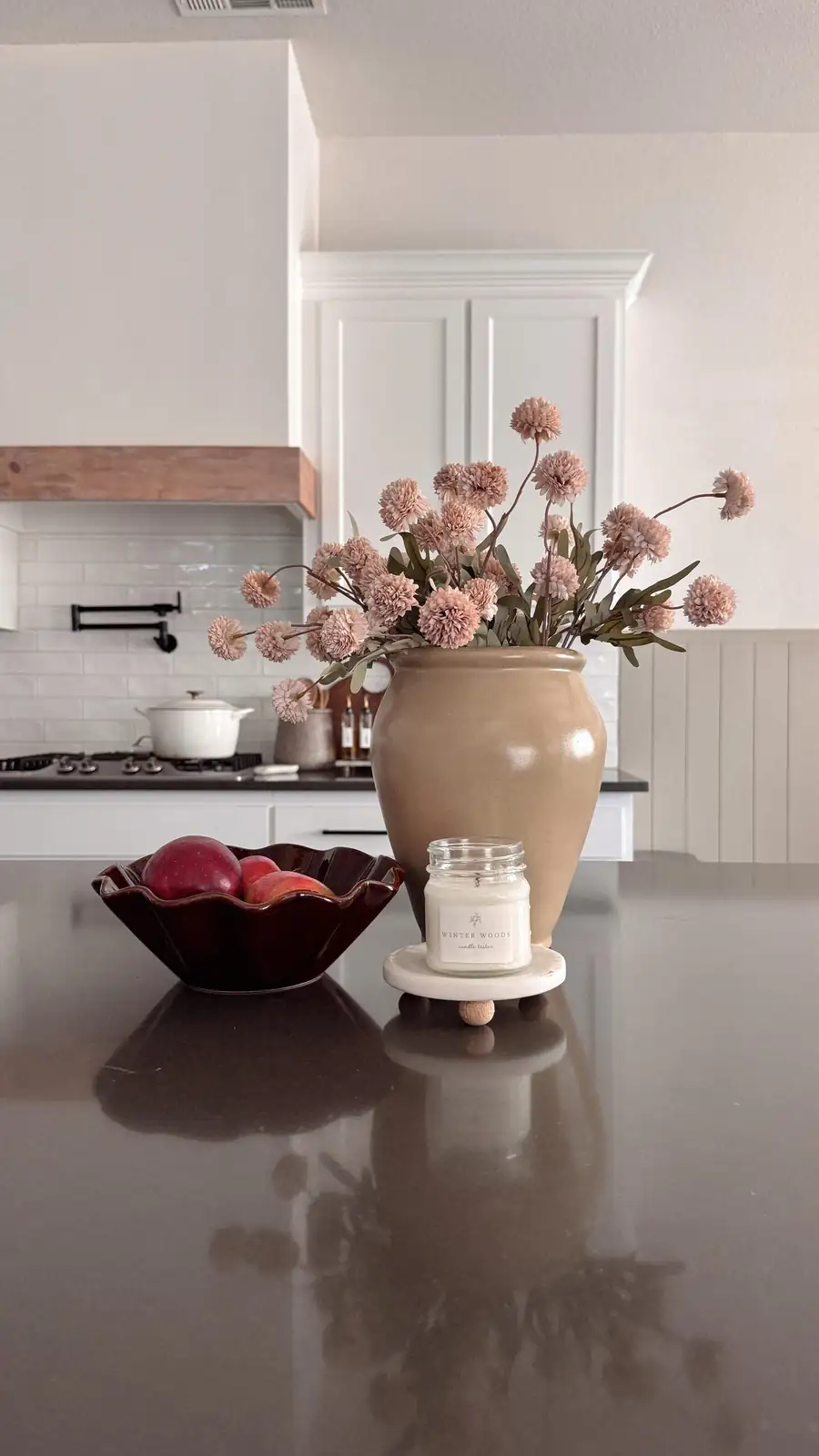
Designing and mixing with other flowers
- In water vs foam
- Water vases maximize lifespan. If you must use floral foam, pre-soak thoroughly with clean, biocidal solution and avoid reusing foam.
- Handle the diva gently
- Insert anthuriums last to prevent spathe bruising. Support with a grid or frog rather than cramming stems.
- Preservatives when mixing
- Use a commercial flower food so the whole bouquet is fed and protected. Anthuriums will tolerate it; they just don’t require the sugar on their own.
Troubleshooting quick fixes
- Spathe droop or stem bend
- Recut, then hydrate 2–4 hours in lukewarm solution. Try the brief hot-water dip at the cut end before rehydration if stems feel slimy.
- Spadix tip browning
- Often age or ethylene. Improve airflow, refresh the solution, move away from fruit and heat.
- Cloudy water or slimy stems
- Dump, scrub vase, recut, and restart with fresh solution + biocide. Increase water-change frequency.
- Chill blisters/patches
- Irreversible. Restyle the stem lower or turn the blemish away from view.
Safety note
- Anthurium sap can irritate skin; the plant is toxic if chewed. Wear gloves if you have sensitive skin. Keep arrangements out of reach of pets and children.
Pro care cadence (at-a-glance)
- Day 0 (arrival): Unpack, sanitize, recut, optional quick-sear, condition 4–6 hours in lukewarm biocidal solution.
- Day 1–2: Design into clean water or fresh preservative. Keep at 18–24°C in bright but indirect light.
- Every 2–3 days: Change solution, clean vase walls, recut 5–10 mm, and rotate away from heat or fruit. Gently wipe spathes if spotted.
- Ongoing: Remove any stem showing age to protect the rest; enjoy the long run.
A short note on “flower language”
Anthurium’s modern symbolism—hospitality, warmth, confidence, and lasting love—tracks neatly with what you see: a bold, welcoming heart-shaped spathe that stays beautiful for weeks. Unlike old-world floriography fables pinned to roses or violets, this meaning grew alongside the plant’s rise as a contemporary houseplant and cut-flower star. It’s the durability and poise that people read as steadfast affection.
—
With a clean start, smart stem prep, warm-but-not-hot conditions, and consistently tidy water, Anthurium andraeanum will do what it does best: look like it was just placed—day after day after day.