Cymbidium spikes are the diamonds of the orchid world—sleek, sculptural, and unbelievably enduring when you treat them right. Whether you’re staging a grand hotel lobby or prepping a week of bridal work, a few florist-tested moves around conditioning, vase solutions, cool temps, and ethylene avoidance will turn those waxy blooms into long-distance performers.
Meet the star: what makes Cymbidium cut spikes last
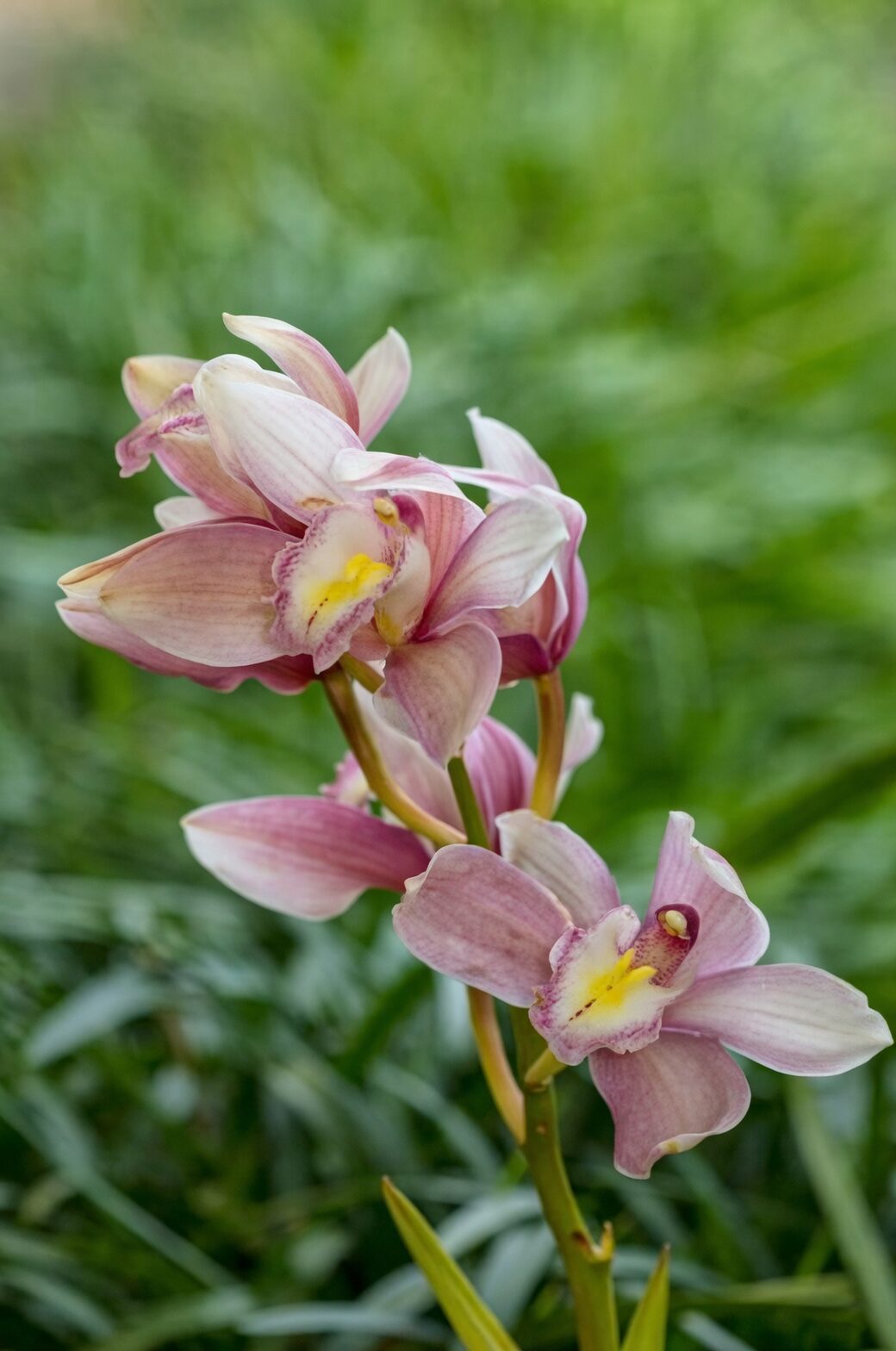
- Scientific name: Cymbidium spp. (Orchidaceae), also known as Boat Orchid.
- Origin: The Himalayas through Southeast Asia to Australia and New Guinea—cool-loving by orchid standards.
- Cut-flower behavior:
- Sequential opening from the bottom upward; opening speed is slow (good news for display planning).
- Naturally long vase life: typically 3–6 weeks when well handled; 4–5 weeks is common with excellent care.
- Highly sensitive to ethylene, a natural ripening gas that accelerates aging and bud drop.
- Susceptible to mechanical damage and petal spotting if blooms rub, bruise, or sit in condensation.
Staging on arrival: your first-hour game plan
Think of arrival as triage for longevity. Clean, cool, and minimal handling pays dividends.
- Unpack like a conservator:
- Work in a clean, cool space away from ripening fruit, cigarette smoke, heater exhaust, or diesel fumes.
- Keep blooms from touching; cushion with soft tissue if needed. Avoid stacking weight on the lip/column.
- Sanitize everything:
- Buckets, snips, benches—sanitize with a floral-safe disinfectant or a mild bleach solution, then rinse.
- Recut immediately:
- Using a sterile, sharp blade, remove 2–3 cm (about 1 in) from the stem at a clean angle.
- Place stems straight into fresh, lukewarm hydration solution (room-warm water also works if solutions aren’t available). Do not smash or split the stem.
- Hydration and food:
- Hydrate first in a commercial hydration solution if you have it, then transfer to a properly dosed flower-food solution. Cymbidium spikes respond well to correctly mixed commercial flower foods; they help keep stems drinking and color true.
- If you must DIY, aim for slightly acidic water (roughly pH 3.5–5) and very low sugar; commercial packets are far more reliable.
- Keep the chain cool:
- For short holding, stage spikes upright in clean buckets so florets don’t rest on each other.
- Store dry-pack with a water tube if space is tight or you’re prepping for transport.
Temperature strategy: cool wins, but don’t chill
Cymbidiums are cool-lovers, but chilling injury and condensation are real risks. Use this simple playbook:
- Storage/transport:
- 8–12°C (46–54°F) is the sweet spot for holding and transport; around 10°C (50°F) is ideal.
- Never let them drop near freezing; avoid going below ~7°C (45°F).
- Don’t overpack boxes—allow air to move and avoid temperature swings that cause condensation.
- Conditioning and opening:
- To encourage upper buds to progress without racing the whole spike, condition 12–24 hours at 12–18°C (54–64°F) in proper flower food, then move to cooler storage.
- Display:
- For sales floors or events, 12–18°C (54–64°F) extends life. Avoid hot, stuffy rooms, radiators, or strong sun.
- Night cool-downs help; warmth shortens life.
Ethylene: block it, banish it, beat it
Cymbidium petals are ethylene-sensitive, so prevention is everything.
- Pre-treatment:
- Use an ethylene action inhibitor (e.g., 1-MCP products or ethylene-blocking sachets) during storage/transport. Many pro growers add a sachet per box to protect spikes on the road.
- Keep ethylene sources far away:
- No ripening fruit, no cigarette smoke, no vehicle exhaust or unvented heaters near staging or display.
- Ventilation and sanitation:
- Good airflow, dry packaging surfaces, and prompt removal of spent florets reduce ethylene and disease pressure.
- Tell-tale damage:
- Look for translucent/dried patches on petals, darkening of the lip/column, or bud drop without obvious dehydration—classic ethylene injury. Isolate, refresh solution, and cool the affected stems to slow further damage.
Vase solutions that really work
- Use commercial flower food at label strength:
- Benefits: keeps stems hydrated, supports gradual bud opening, maintains color, and discourages bacterial growth.
- Water quality matters:
- Use clean, low-salt water. Avoid softened water high in sodium.
- Replace solutions before they cloud; rinse buckets between batches.
- How often to refresh:
- At minimum weekly, recutting 2–3 cm each time. In warm rooms or heavy traffic areas, every 3–4 days is even better.
Petal-perfect handling: small moves, big gains
- Guard the column:
- The stigma and pollinia are exquisitely sensitive. Avoid touching or bruising the lip/column—accidental “pollination” can trigger rapid senescence.
- Don’t mist blooms:
- Moisture on petals invites Botrytis spotting. Instead, use gentle airflow and temperature control.
- Cushion contact points:
- In transport or dense displays, ensure blooms don’t rub. Tissue collars or soft spacers prevent scuffing.
- Use water tubes smartly:
- For bouquets, corsages, or foam-heavy designs, use clean water tubes filled with flower food. Cymbidiums last longest with direct water access.
- Foam caution:
- If you must use floral foam, fully hydrate the foam with flower-food solution, precondition spikes in water first, and top up daily. Position stems so weight isn’t kinking the neck.
A florist’s week: a practical timeline
- Day 0 (arrival): Unpack, sanitize, recut 2–3 cm, hydrate in lukewarm water with hydration solution, then move to flower-food solution. Store at ~10°C (50°F).
- Day 1: Sort by openness. For spikes that need to advance, hold a few hours at 15–18°C (59–64°F) in food, then return to 10–12°C.
- Day 2–3: Design as needed, using water tubes for on-the-go work. Keep finished designs cool and away from drafts and heat.
- Day 4+: Refresh solutions; recut 2–3 cm. Cull any spotted florets to keep the rest pristine.
Troubleshooting quick fixes
- Buds not opening:
- Check ethylene exposure; move to slightly warmer (15–18°C) spot for 12–24 hours in fresh flower food, then return to cool storage.
- Neck slump or tip droop:
- Recut 2–3 cm and rehydrate in lukewarm solution; support the spike vertically during conditioning.
- Petal spotting (tiny brown/pink dots):
- Improve airflow, reduce humidity around blooms, avoid condensation, and never mist petals. Remove affected florets early.
- Cloudy vase water or odor:
- Dump, clean, refill with fresh solution; sanitize buckets and snips.
Display and design hacks you’ll actually use
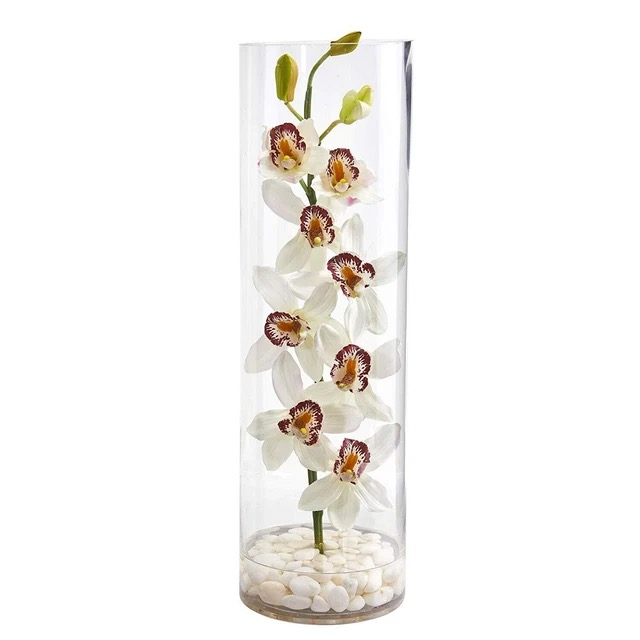
- Tall, narrow vases:
- Provide generous support for the spike; add a discreet clear clip near the lower third to keep the line crisp.
- Split-the-spike:
- For scattered designs, wire and tube individual florets. They last impressively long when each bloom has its own water source.
- Event proofing:
- For warm venues, prep duplicate spikes in the cooler as rotation insurance. Swap halfway through long events to keep designs flawless.
A simple care card you can hand to clients
- Keep flowers cool (ideally 12–18°C / 54–64°F), away from sun, heaters, and fruit.
- Refresh water weekly at minimum; recut 2–3 cm each time; use the included flower-food packet.
- Don’t mist the blooms or touch the flower’s “throat” (lip/column).
- If a single bloom spots or ages, snip it off—others will keep shining.
- Good news: Cymbidium orchids are generally non-toxic to people and pets, but it’s still best to keep them out of reach of nibblers.
Flower language and why it stuck
In East and Southeast Asian traditions, Cymbidiums symbolize elegance, refinement, and good fortune—traits linked to their poised, architectural form and the way they carry immaculate blooms for weeks through winter into spring. Over time, that winter resilience and dignified bearing turned into a cultural shorthand for cultivated taste and auspicious beginnings—no mystery, just generations of people noticing how these orchids lend grace and staying power to important moments.
Treat your Cymbidium spikes like the precious line-flowers they are—cool temps, clean cuts, proper food, gentle hands, and zero ethylene—and they’ll repay you with a month or more of diamond-grade bloom.