The Culinary and Medicinal Journey of August Lily: A Fragrant Delight
Imagine a plant whose elegant blooms not only captivate your garden with their perfume but also tantalize your taste buds. Meet the August Lily, or Hosta plantaginea. Revered for its lush foliage and aromatic flowers, this versatile plant holds a special place not only in gardens but also in kitchens and traditional medicine practices in Asia.
A Fragrant Feast: The Edible Aspects of August Lily
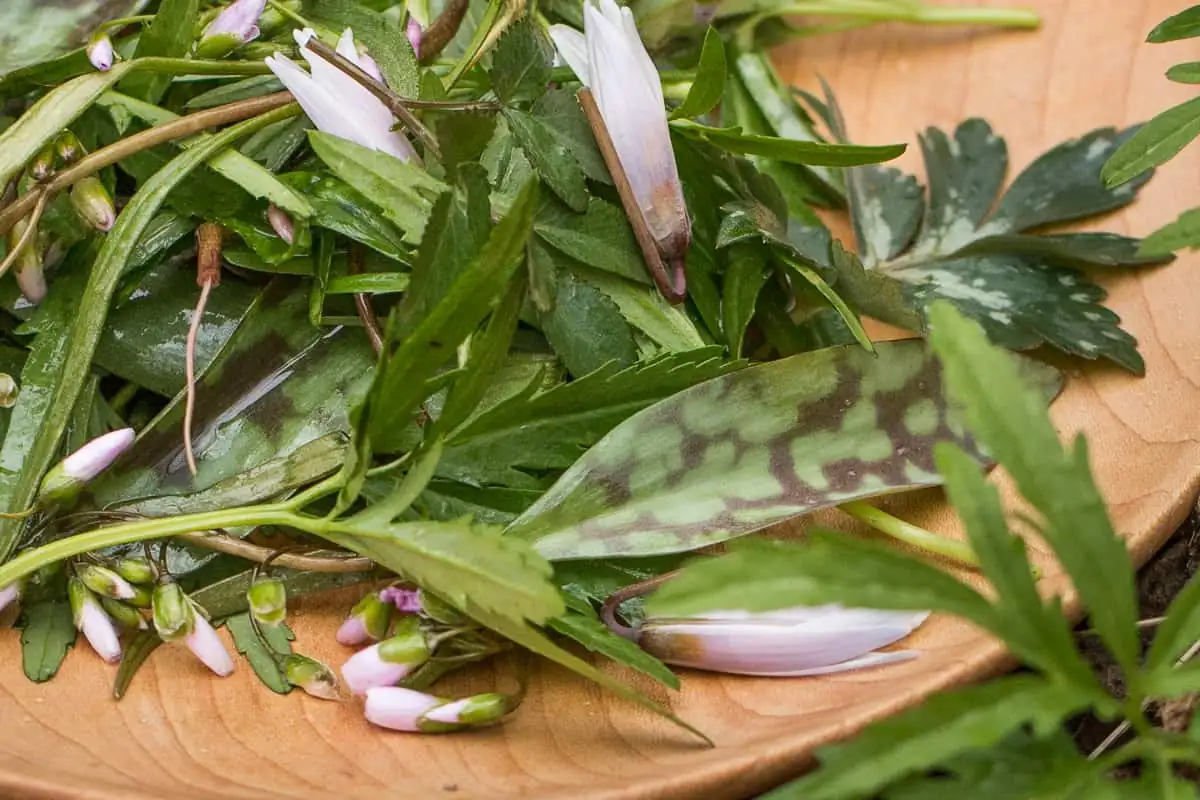
In the realm of Asian cuisines, the August Lily isn’t just a feast for the eyes. Traditionally, the young shoots and leaves of hostas are considered edible, featuring prominently in various culinary dishes. These leaves, when harvested young, offer a tender and mild flavor akin to lettuce or spinach, making them a delightful addition to salads or stir-fries. While Western gardens primarily celebrate hostas for their ornamental value, their edible nature is a well-kept secret in Eastern gastronomy.
Safety First: Navigating the Edible Terrain
Now, before you dash out to your garden for a leafy snack, it’s crucial to approach the edibility of August Lily with caution. While the young leaves are edible, they should be consumed in moderation and sourced carefully. It’s important to ensure that any hostas you plan to eat have not been treated with pesticides or other chemicals. Moreover, despite their culinary use, all parts of the plant contain saponins, which are toxic to pets such as dogs, cats, and horses. So, while you enjoy the leaves in your salad, make sure Fido doesn’t join the feast!
August Lily in Traditional Medicine
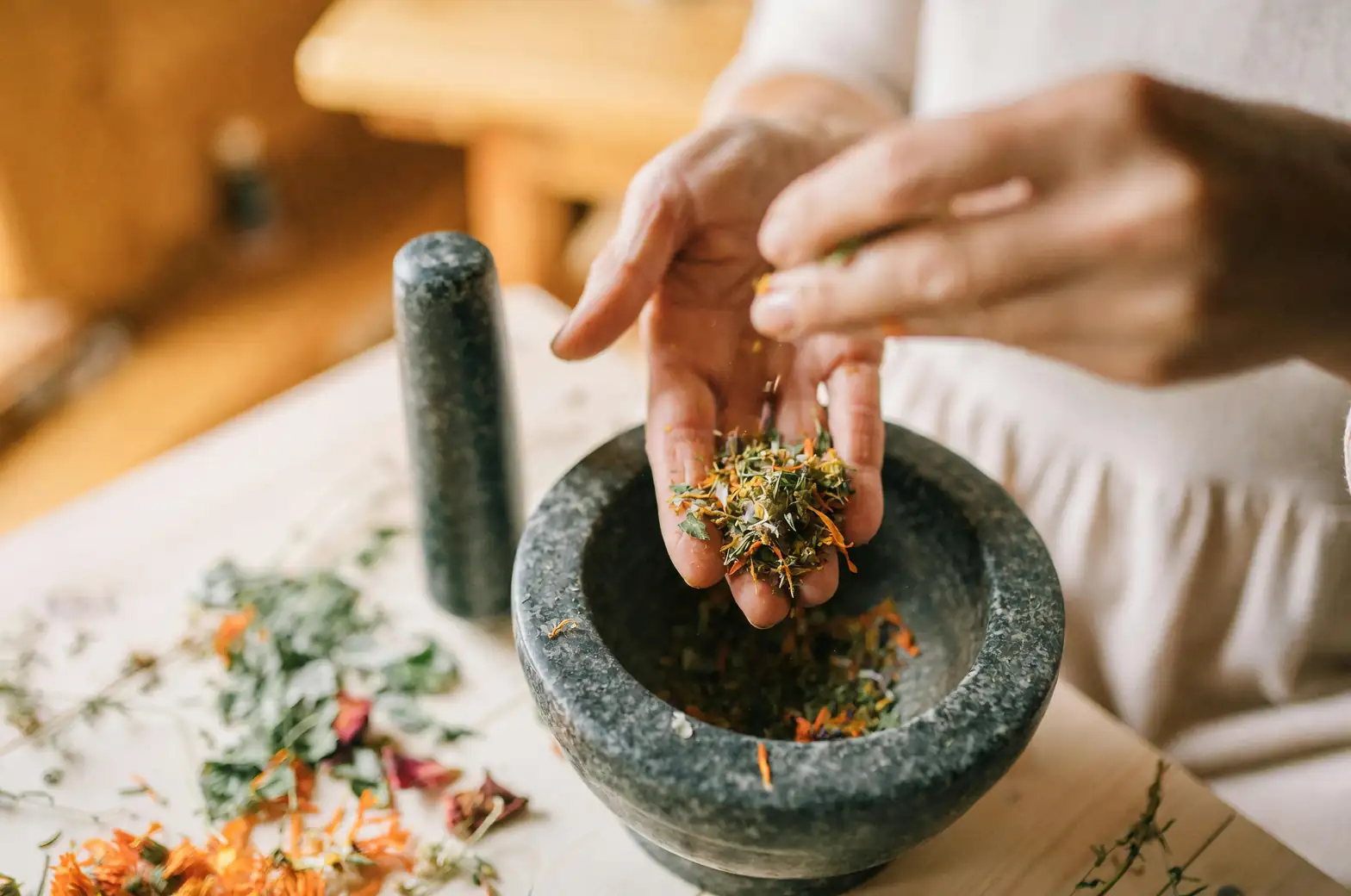
Beyond its culinary uses, the August Lily holds a revered spot in traditional Chinese medicine, where it has been utilized for its soothing properties. Historically, it’s been employed to alleviate inflammation and discomfort, although modern medical advice always recommends consulting with a healthcare professional before using any plant medicinally.
A Plant of Legend and Lore
The August Lily is steeped in history and cultural significance. Its Chinese name, 玉簪 (Yù zān), translates to “jade hairpin,” drawing from a legend where celestial maidens dropped their jade hairpins during a heavenly banquet, which then transformed into these ethereal flowers. This poetic origin story adds a layer of mystique to its already enchanting presence.
In the world of flower language, the August Lily symbolizes purity, elegance, and quiet strength. It’s a plant that speaks softly yet carries a profound message of serenity and devotion—a perfect embodiment of the tranquil beauty it brings to any garden.
Growing and Caring for Your August Lily
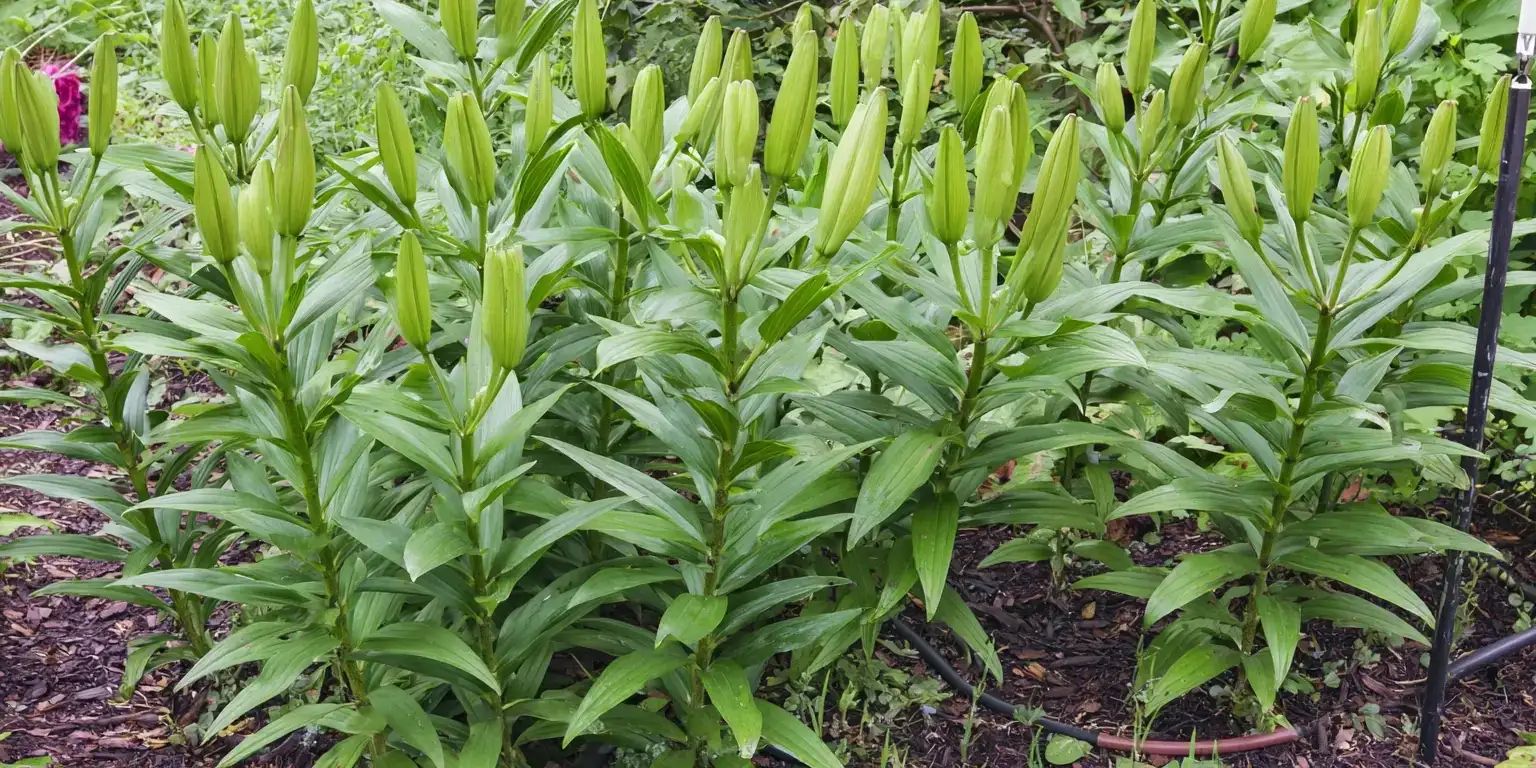
If you’re inspired to cultivate your own slice of elegance, the August Lily is a forgiving and rewarding plant to grow. Thriving in shady gardens, it forms dense mounds of glossy green leaves, providing a lush backdrop throughout the seasons. Here are some tips to ensure your August Lily flourishes:
- Sunlight: Opt for shade to part shade; morning sun is gentle enough, but harsh afternoon rays can damage the leaves.
- Watering: Keep the soil consistently moist but never soggy. Deep watering helps the roots access moisture effectively.
- Soil: A rich, fertile, and well-drained soil suits them best. Adding organic matter like compost can boost growth.
- Protection: Watch out for common pests like slugs and snails, which find hostas as irresistible as we do.
The Magic of Evening Perfume
One of the most compelling reasons to plant August Lily near a walkway or patio is its evening fragrance. As the sun sets, its large, white, trumpet-shaped flowers release a sweet scent that attracts nocturnal pollinators such as moths. This nightly aroma dance is nature’s perfume, enchanting and delicate.
Whether you’re drawn by its culinary potential, medicinal virtues, or simply its ornamental charm, the August Lily offers a multifaceted appeal that’s hard to resist. It’s a plant that invites you to explore its depths, both in tradition and taste, making it a timeless addition to gardens and hearts alike.