Vervain has the kind of resume most herbs can only dream of: a sainted past, a witchy mystique, and a delicate spire of mauve‑to‑purple blossoms beloved by bees. Known to botany as Verbena officinalis L., this “Holy Herb” has been praised as a charm against evil, a tonic for nerves, and even a blessing for new mothers. But what happens when folklore meets the lab bench? Let’s separate legend from likelihood—and explain why, despite its gentle look, caution (especially in pregnancy) remains the wisest course.
Meet common vervain, briefly
- Botanical identity: Verbena officinalis L., family Verbenaceae; also called Common Vervain, European Vervain, Herb of the Cross, Holy Herb, Simpler’s Joy, and more.
- Native range and spread: Native to Europe; now widely naturalized in temperate to tropical regions worldwide, including North America.
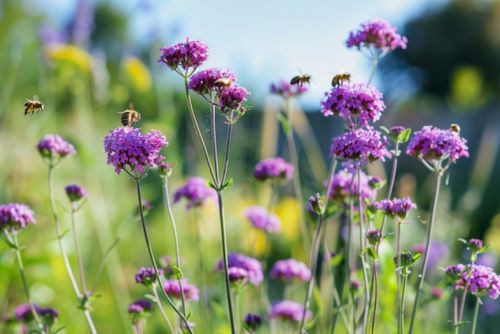
- Look and habit: An upright, airy perennial (typically around 70 cm/28 in in gardens, but ranging 30–120 cm) with square stems and dark green, toothed leaves that can be lobed on the stems. Slender spikes carry tiny, two‑lipped flowers in soft mauve to blue‑purple from late spring into fall.
- Garden personality: Low‑maintenance, sun‑loving, pollinator‑friendly, and a perfect fit for naturalistic borders and meadows.
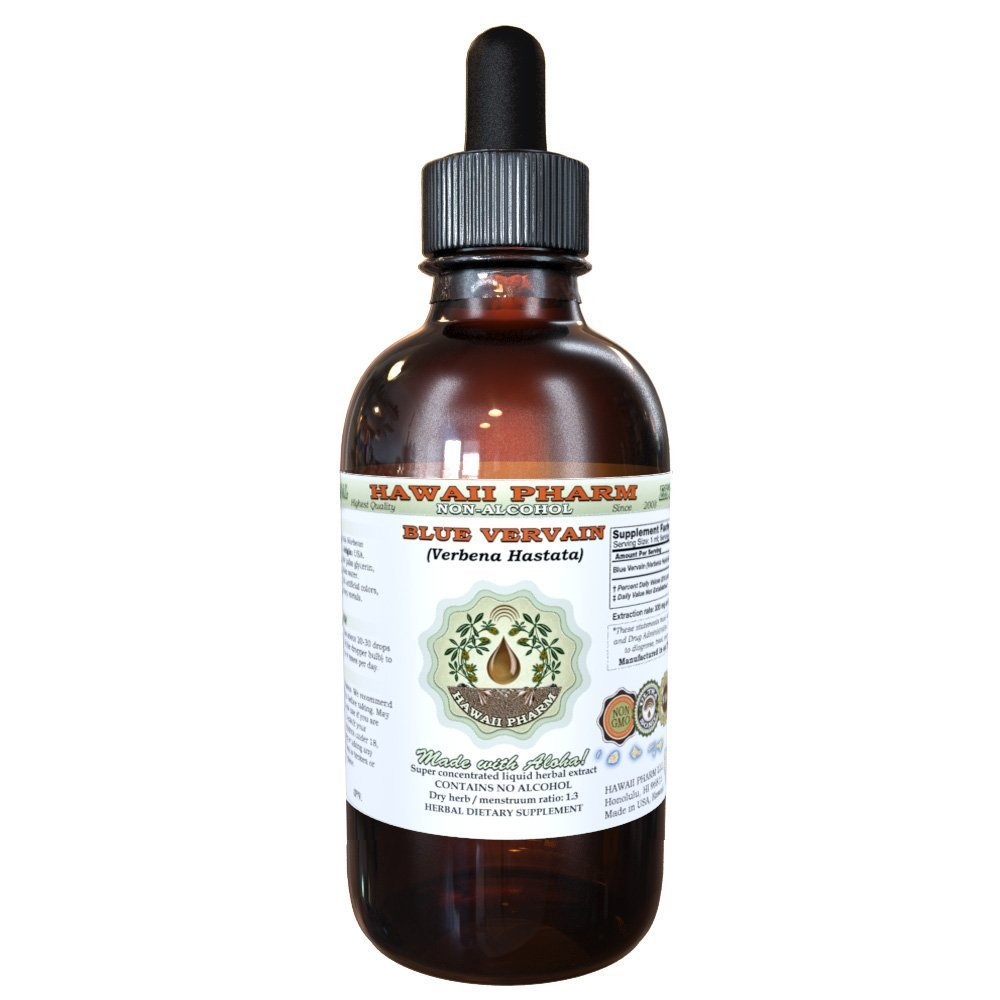
Tip on names and look‑alikes: In North America, “blue vervain” more often refers to Verbena hastata, a different species with taller, candelabra‑like flower clusters. Because common names overlap, use the scientific name when sourcing or researching.
The legend: a sacred sprig through the ages
Vervain gathered reverence across cultures: ancient Egyptians called it “Tears of Isis,” Romans tied it to Venus, and Druids counted it among sacred herbs. Christian folklore claims it helped stanch the wounds of the Crucifixion—hence “Herb of the Cross.” Throughout medieval Europe it was hung in homes as a protective charm and brewed for everything from fevers to fretfulness.
Flower language (Victorian floriography) sealed its symbolic aura. Vervain’s slim, steadfast spikes and sober little blossoms were read as signs of loyalty, trust, and spiritual protection—sometimes even a whispered “pray for me” or the heady “you have bewitched me.” These meanings are cultural poetry rather than botany, but they echo the plant’s long life as a bridge between ritual and remedy.
The chemistry: what’s inside the “holy herb”?
Beneath the folklore sits a compelling phytochemical profile:
- Iridoid glycosides: verbenalin and hastatoside (often spotlighted in research for calming or sleep‑promoting activity in animal models)
- Phenylpropanoid: verbascoside
- Other iridoids: aucubin
- Triterpenes: ursolic acid and oleanolic acid
- Phytosterol: β‑sitosterol
- Additional flavonoids are frequently reported from extracts
Botany bonus: The fruit is oblong and splits into four tiny nutlets at maturity—a classic Verbena signature.
These molecules help explain why vervain extracts often show antioxidant, anti‑inflammatory, and antispasmodic effects in test‑tube and animal studies. But “interesting chemistry” is not the same as “proven medicine” in people.
Myth-busting: traditional claims versus contemporary evidence
1) “Vervain soothes nerves and helps you sleep.”
- The tradition: Teas and tinctures for tension, restlessness, and insomnia are age‑old.
- What we see today: In vitro and animal studies of iridoids (notably verbenalin and hastatoside) suggest sedative or sleep‑promoting activity. However, well‑designed clinical trials in humans are scarce. Conclusion: Plausible mechanisms, intriguing preclinical data, but no solid proof of real‑world efficacy yet.
2) “It eases pain, spasms, and inflammation.”
- The tradition: Folk use for aches, cramps, and feverish discomforts is widespread.
- Evidence check: Laboratory and animal work points to antioxidant, anti‑inflammatory, analgesic, and antispasmodic potential. Rigorous human studies are limited. Conclusion: Early-stage promise, insufficient clinical confirmation.
3) “It fights infections (and maybe cancer).”
- The tradition: Used as a general “cleansing” or antimicrobial herb.
- Evidence check: Some extracts inhibit microbes in the lab; anticancer signals are test‑tube only. No clinical evidence supports using vervain to treat infections or cancer. Conclusion: Do not rely on vervain for these conditions.
4) “It boosts milk supply (a galactagogue).”
- The tradition: Sometimes given postpartum.
- Evidence check: Despite its reputation, no scientifically valid clinical trials confirm benefits for lactation. There are no data on components in breastmilk or infant safety. Conclusion: Unproven; professional breastfeeding support should come first.
5) “Bach flower ‘Vervain’ brings calm.”
- The tradition: Highly diluted flower essences have been marketed for calm since the 1930s.
- Evidence check: Studies generally find no effect beyond placebo. These essences are not the same as herbal doses and should not replace medical care. Conclusion: A symbolic ritual more than a pharmacological intervention.
A crucial caveat: Not all “vervain” is the same. Species (e.g., V. officinalis versus V. hastata), plant parts, harvest timing, and preparation methods can all change what’s in your cup or capsule. Most commercial supplements aren’t standardized, and labels don’t always match contents.
Safety first: why caution—especially in pregnancy—persists
- Pregnancy: Historical cautions about uterine stimulation align with modern concerns. In a controlled rat study, high oral doses of V. officinalis extract during gestation led to reduced maternal weight gain, increased embryo‑fetal loss, growth retardation, and skeletal development changes. A case report has also linked consumption with an abortifacient effect. While animal data don’t automatically predict human outcomes, they strengthen the long‑standing advice: avoid internal use of vervain in pregnancy.
- Breastfeeding: Vervain is sometimes promoted as a galactagogue, but there are no robust clinical data to support this use and no information on excretion into human milk. It’s generally recognized as safe as a food, yet concentrated supplements can differ widely in composition. If considering use while nursing, discuss it with a qualified healthcare professional.
- General tolerance: Typically well tolerated in culinary or mild traditional amounts, but gastrointestinal upset or allergic reactions can occur. Start low, and stop if you react.
- Pets: Toxicity varies by species within the broader “verbena” group. Prevent chewing and contact a veterinarian if a pet ingests plant material.
- Quality matters: Dietary supplements can vary in identity and potency, and products may contain unlabeled constituents. Choose reputable manufacturers that provide batch testing, and remember that evidence from one product rarely translates to another.
- Interactions and special populations: Because human data are limited, potential interactions (for instance, with sedatives) aren’t well mapped. People with chronic conditions, those taking prescription medicines, and children should avoid concentrated extracts unless advised by a clinician.
Bottom line on safety: Vervain’s gentle look belies its pharmacologically active chemistry. Absent strong human data—and with pregnancy red flags from both history and animal research—the prudent stance is careful, personalized use or abstention.
How to enjoy vervain without the health hype
- Grow it for beauty and biodiversity: Full sun (6–8 hours daily) and well‑drained soil will keep those mauve‑purple spires blooming from late spring to fall. Deadhead for more flowers. It’s easygoing, pollinator‑friendly, and looks wonderfully “wild” in meadows and cottage borders.
- Use names precisely: If you’re exploring traditional preparations, verify the species and source. Consider consulting a knowledgeable herbal professional, and avoid internal use during pregnancy.
- Keep expectations realistic: Tradition can inspire, but let modern evidence guide health decisions.
Quick ID refresher
- Stems: Four‑angled (square), sometimes with coarse hairs along nodes and angles.
- Leaves: Basal leaves coarsely toothed; stem leaves often three‑lobed with irregular teeth; slightly rough from stiff hairs.
- Flowers: Tiny, two‑lipped, mauve to blue‑purple, borne sparsely along slender spikes from May to October.
- Fruit: Splits into four neat little nutlets at maturity.
The take‑home
Common vervain is both story and substance: an herb sanctified by history, equipped with iridoids, phenylpropanoids, and triterpenes that hint at real biological activity. Yet hints aren’t proofs. Today’s evidence suggests potential for calming, antispasmodic, and anti‑inflammatory effects—but largely from non‑human studies. And while vervain is generally low‑risk ornamentally, pregnancy remains a red‑line for internal use, with animal research reinforcing age‑old warnings.
Celebrate vervain in the garden, savor its folklore, and approach its medicine with modern humility. In a world eager for “natural cures,” this holy herb reminds us: the most protective charm is still good science—and good sense.