Discover the Timeless Charm of Holly: Care Guide for Ilex spp.
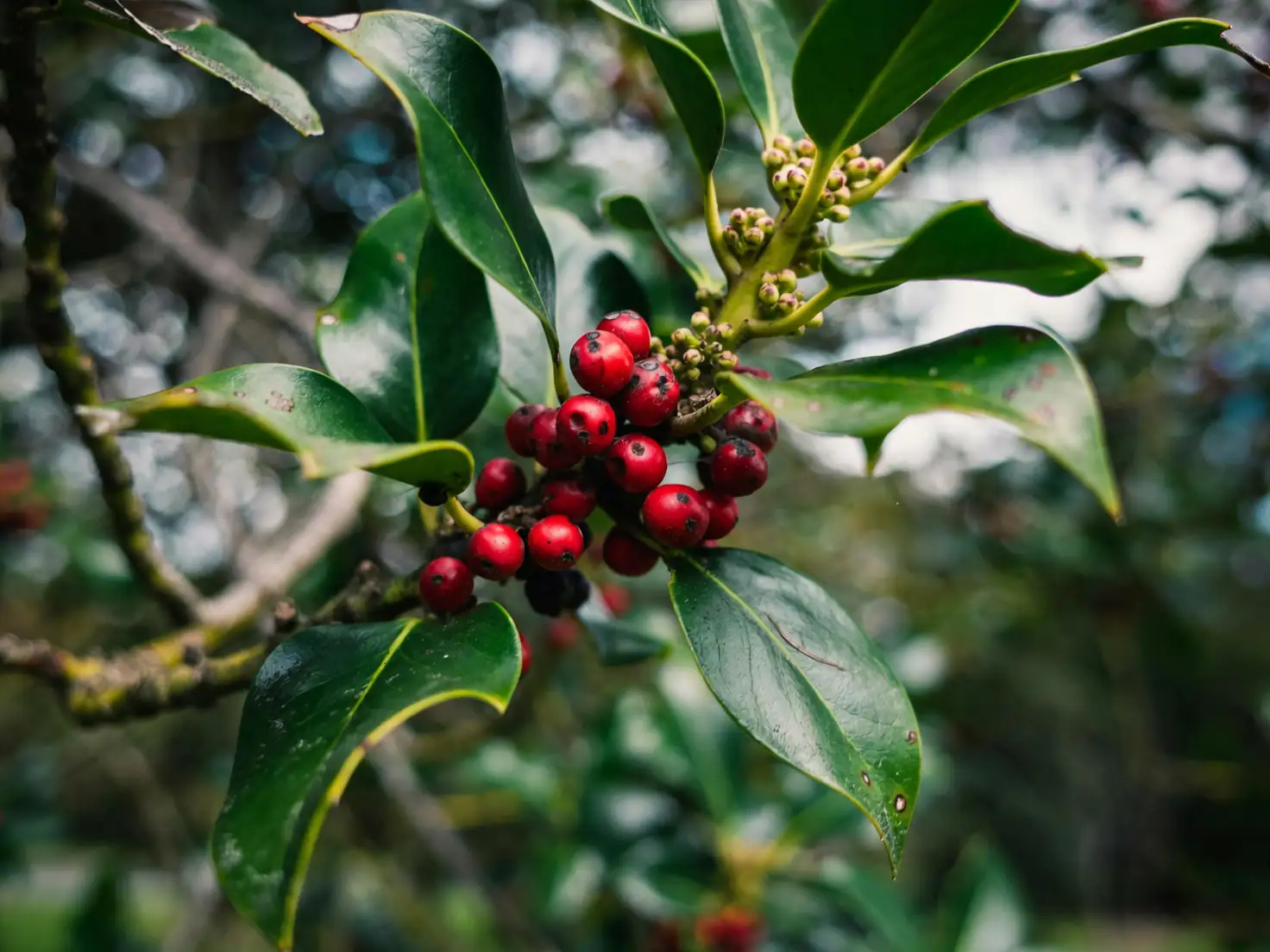
Holly, or Ilex spp., is much more than a pretty face in the plant world. With its glossy, evergreen leaves and vibrant red berries, holly is a beacon of color and life during the otherwise drab winter months. This guide will walk you through the essential care techniques to help your holly plants thrive, offering insights into watering schedules, light requirements, and seasonal considerations.
Understanding Holly’s Habitat and Preferences
Light and Placement
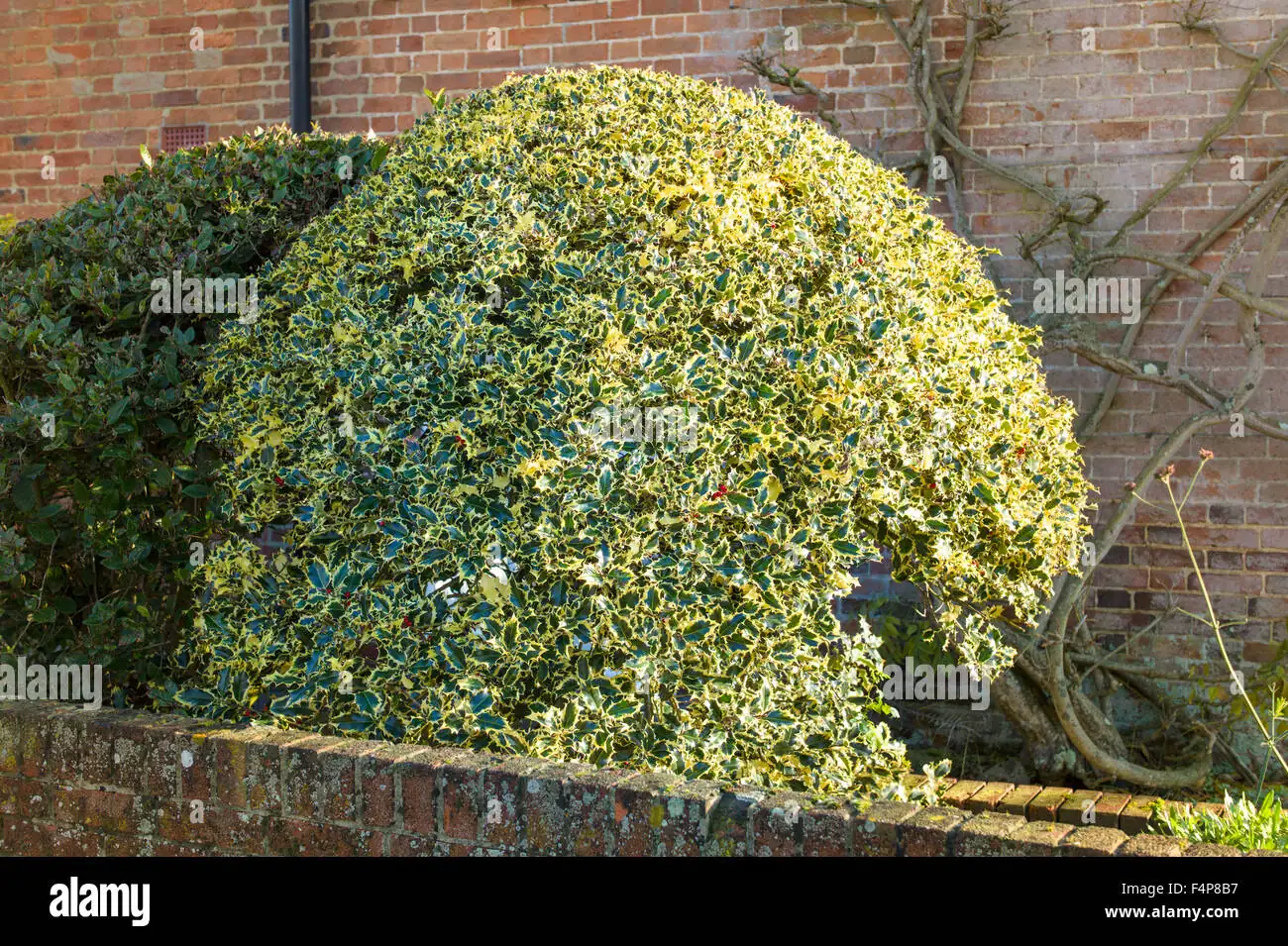
Holly plants are as versatile as they are beautiful. They flourish in full sun to partial shade, but if you’re aiming for a more bountiful berry display, full sun is your best bet. When placing your holly, consider its potential size—ranging from petite shrubs to towering trees reaching up to 30 meters (100 feet). They make excellent hedges, privacy screens, or stunning specimen plants in your garden.
Soil and Watering Needs
These plants prefer rich, well-draining soil with a slightly acidic to acidic pH (5.0–6.5). While holly is adaptable to various soil textures, it will not tolerate waterlogged conditions, so ensure good drainage. During their first year, holly plants need consistent watering to establish their roots—aim for about 2.5 cm (1 inch) of water weekly, adjusting for rainfall. Once established, they can handle some drought but flourish with steady, moderate moisture.
Seasonal Care and Maintenance
Spring Awakening
Spring is the time to plant new holly bushes, ideally before the heat of summer sets in. It’s also the perfect season to fertilize with a slow-release product suited for acid-loving plants. If you’re into propagation, take softwood cuttings during this time for best results.
Summer Sunshine
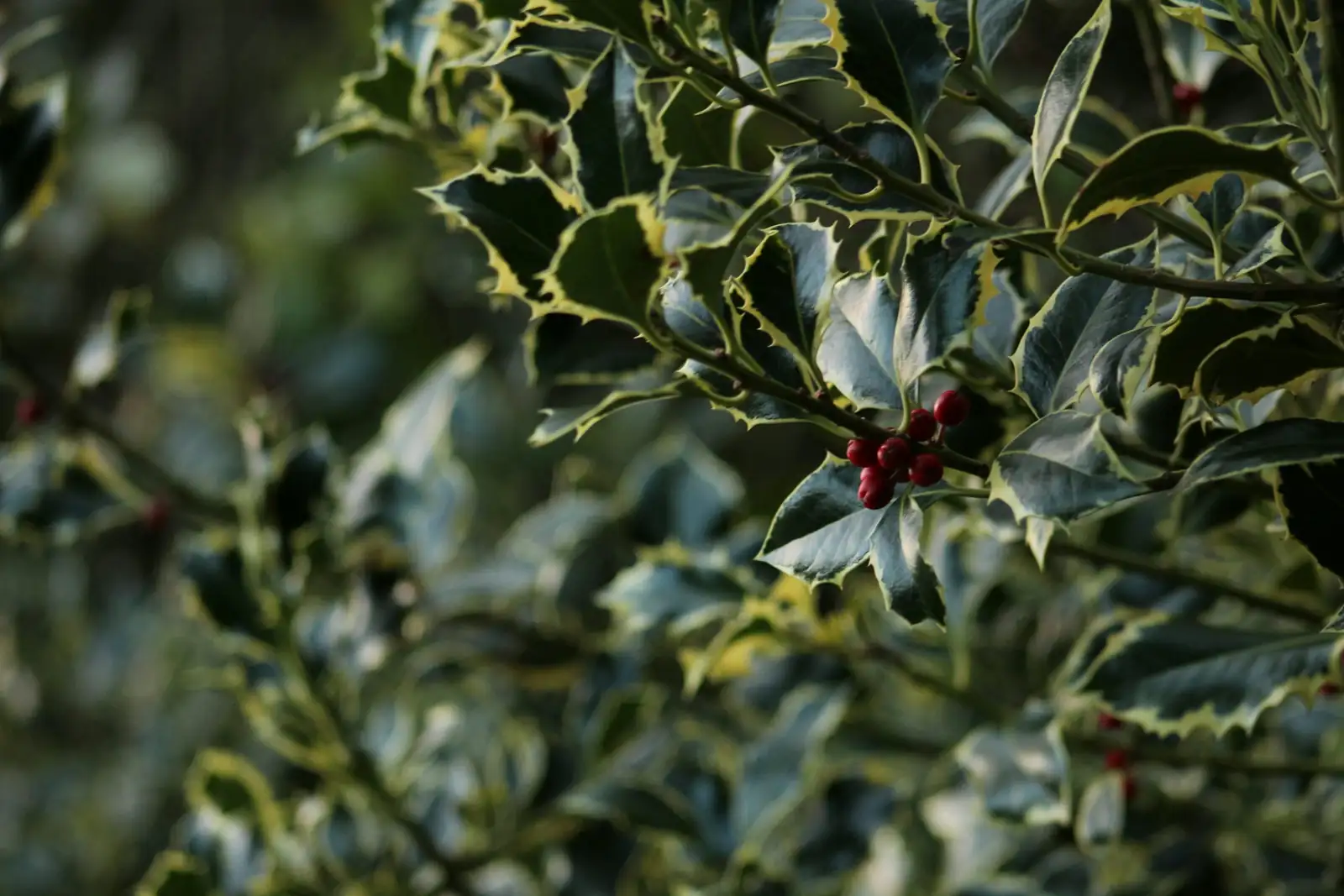
In summer, maintaining even moisture is key. This is also when holly’s small, modest flowers appear, setting the stage for winter’s berry show. A little light pruning can help maintain shape without stressing the plant.
Autumn Activities
As fall arrives, provide a second round of fertilization in early autumn and consider taking semi-hardwood cuttings for propagation. Planting container-grown hollies in the ground during this season gives them a head start for next year.
Winter Wonders
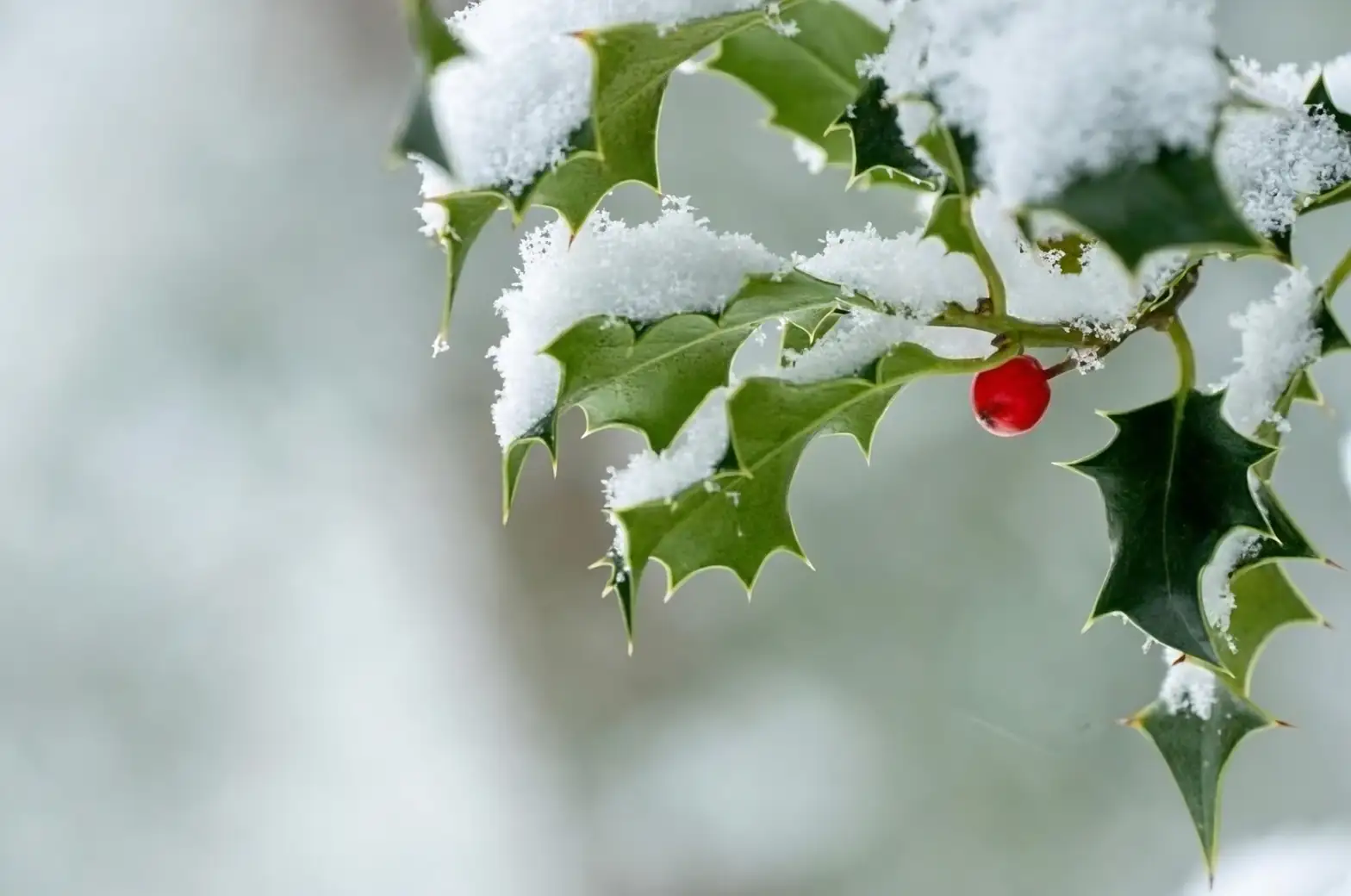
Winter is when holly truly shines. The evergreen structure and colorful berries provide a feast for the eyes and local wildlife. In colder zones, protect your hollies from harsh, drying winds to prevent winter burn.
Pruning and Propagation
Hollies respond well to pruning, making them ideal for formal hedges or topiaries. Prune in late winter or early spring before new growth starts, focusing on removing damaged or crossing branches. For propagation, semi-hardwood cuttings taken in fall root more reliably than seeds, which can be slow and unpredictable.
Pests, Diseases, and Safety
Holly is generally resilient but can face issues like leaf miners, scale, and spider mites. Maintaining good airflow and avoiding waterlogged conditions will help prevent these troubles. It’s worth noting that holly berries are mildly toxic to humans and pets, so keep them out of reach of curious little hands and paws, though birds safely enjoy them.
Holly’s Cultural Significance
Throughout history, holly has been a symbol of endurance and protection. In Christian tradition, it represents hope and renewal, with its spiny leaves likened to the crown of thorns and red berries to drops of blood. Across cultures, holly has been cherished for its protective qualities, as seen in ancient Roman and Celtic traditions.
FAQs
- Do I need two holly bushes to get berries?
Yes, most hollies are dioecious, requiring a male plant nearby for female plants to produce berries.
- Why doesn’t my holly have berries?
Possible reasons include the absence of a male pollinator, too much shade, or the plant being too young.
- Are holly berries poisonous?
Yes, they are mildly toxic to humans and pets but safe for birds.
Conclusion
Caring for holly is a rewarding venture, offering year-round beauty and a touch of seasonal magic. With the right care, your holly plants can thrive, bringing structure, color, and a sense of timeless charm to your garden. So, why not add a little holly to your landscape and enjoy its enduring appeal?