

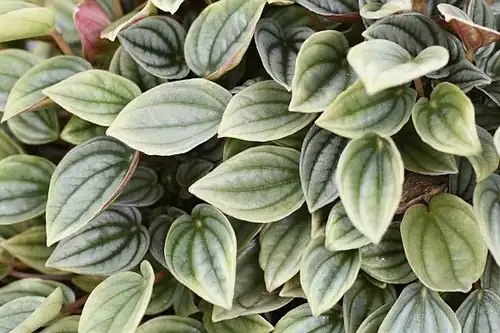
If you’ve ever brushed a fingertip across the corrugated heart of a Ripple Peperomia, you know its appeal isn’t loud. Peperomia caperata whispers. It sits compact and composed—10 inches by 10 inches at maturity—gathering light and admiration without fuss. Small wonder that in modern houseplant culture, this species has been adopted into a new “flower language” as a sign of quiet strength and steady affection.
What we mean by “flower language” today
- Not your grandmother’s tussie-mussie: Traditional floriography assigned meanings to cut blooms. Houseplants weren’t part of that lexicon.
- A contemporary twist: Over the last decade, indoor gardeners, stylists, and gifting guides have begun attributing symbolic meanings to living plants—rooted more in form, feel, and lifestyle fit than in Victorian codes.
- For Peperomia caperata, the meaning grew organically from daily experience: heart-shaped leaves that read as affection, a forgiving nature that feels like steady support, and a sculptural texture that suggests resilience rather than fragility.
Why Peperomia caperata embodies quiet strength and steady affection
- Heart-forward foliage: The leaves are distinctly heart-shaped, naturally cueing love and care—but without the theatrics of big blooms. It’s a “love that lasts,” not a grand gesture that fades.
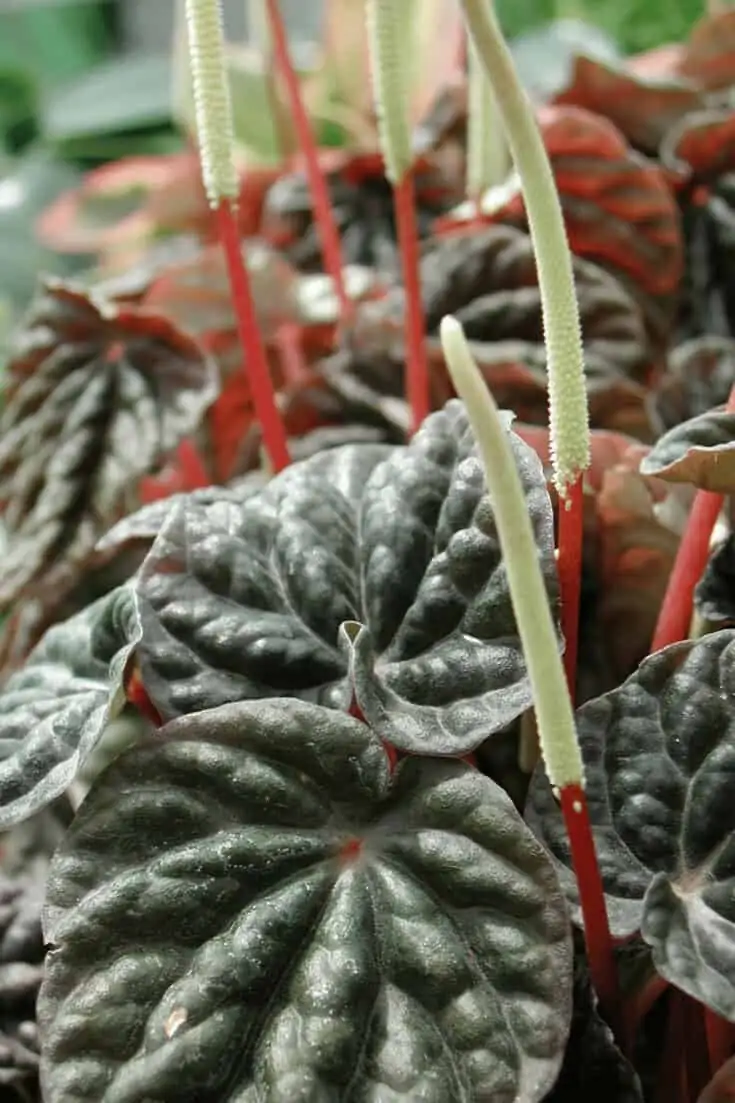
- Rippled resilience: The finely crinkled, puckered surface looks like topography—little ridges that catch the light and hint at character. It reads as strength with softness.
- Easy-going temperament: This is a foliage-first plant that thrives in partial shade to bright, indirect light, tolerates low to medium light, and prefers you to err on the dry side. Dependable, not demanding—just like steady affection.
- Compact poise: Upright-to-mounded, clump-forming growth keeps it neat on shelves, desks, or bathroom ledges. It shows up daily without crowding the room.
- Gentle bloom, gentle message: In summer, thin cream-to-pale-green flower spikes rise above the leaves like little candle wicks—quiet markers of continuity rather than showstoppers.
Cultural significance in gifting
- When to give it
- Anniversaries and long friendships: For “I’m here, always.”
- Housewarmings and new jobs: To anchor a space with calm, supportive energy.
- Recovery and encouragement: A resilient leafscape for someone rebuilding their strength.
- Desk or studio gifts: A compact muse that won’t steal the spotlight.
- How to package the meaning
- Choose a small pot (around 10 cm/4 in) so the plant stays comfortably snug and healthy—symbolizing steady growth within good boundaries.
- Pot colors that sing the message:
- Soft green or cream for harmony and renewal
- Warm terracotta to emphasize groundedness
- Charcoal or matte black for quiet confidence
- A note you can borrow: “For gentle strength and everyday care—may your days ripple with calm and your space with steady affection.”
- Pet-friendly peace of mind: Generally considered non-toxic to cats and dogs—ideal for households where love includes paws.
Décor symbolism: Where it speaks best
- Heartlines in small spaces: On a bedside table or bookshelf, those glossy, two-tone hearts read as subtle intimacy.
- Texture therapy: In minimalist rooms, the ripples add movement without visual noise; in maximalist corners, they hold their own as a calm counterpoint.
- Bathroom poetry: Naturally humidity-loving, it thrives on a bright bathroom shelf—steam frames the leaves, and the message of restorative care lands even more clearly.
- Desk diplomacy: Near a monitor in bright, indirect light, it’s the plant equivalent of a reassuring colleague. Keep airflow steady; avoid cold drafts and hot sun.
Feng shui–style placement (modern, practical, plant-first)
While classical feng shui centers on architecture and energy maps, contemporary decorators borrow its spirit to shape mood. Think of Ripple Peperomia as a gentle “wood element” accent—growth, stability, and warmth without sharp edges.
Try these feng shui–inspired, health-conscious placements:
- Relationship cues: Place a healthy plant with heart-shaped leaves in a paired display (two similar plants or a plant plus a candle) to symbolize steady partnership. Southwest corners of a room are often styled for relationships in modern bagua-inspired layouts.
- Family and renewal: East-facing areas (with gentle light) echo growth and continuity—well-suited to this easy, foliage-first companion.
- Soften edges: Set it where you want to calm busy energy—on a shelf that catches your eye or near a sharp corner—while ensuring bright, indirect light.
- Bathroom balance: A bright, steamy bathroom or kitchen spot harmonizes humidity and health. Avoid placing it in glaring, hot sun or right against cold windows.
- Intention ritual (simple and plant-safe): When trimming a spent flower spike, set an intention for “release and renew.” When you water after the soil surface dries, pair it with a breath and a quiet affirmation of steady care.
Quick care cues that reinforce the message
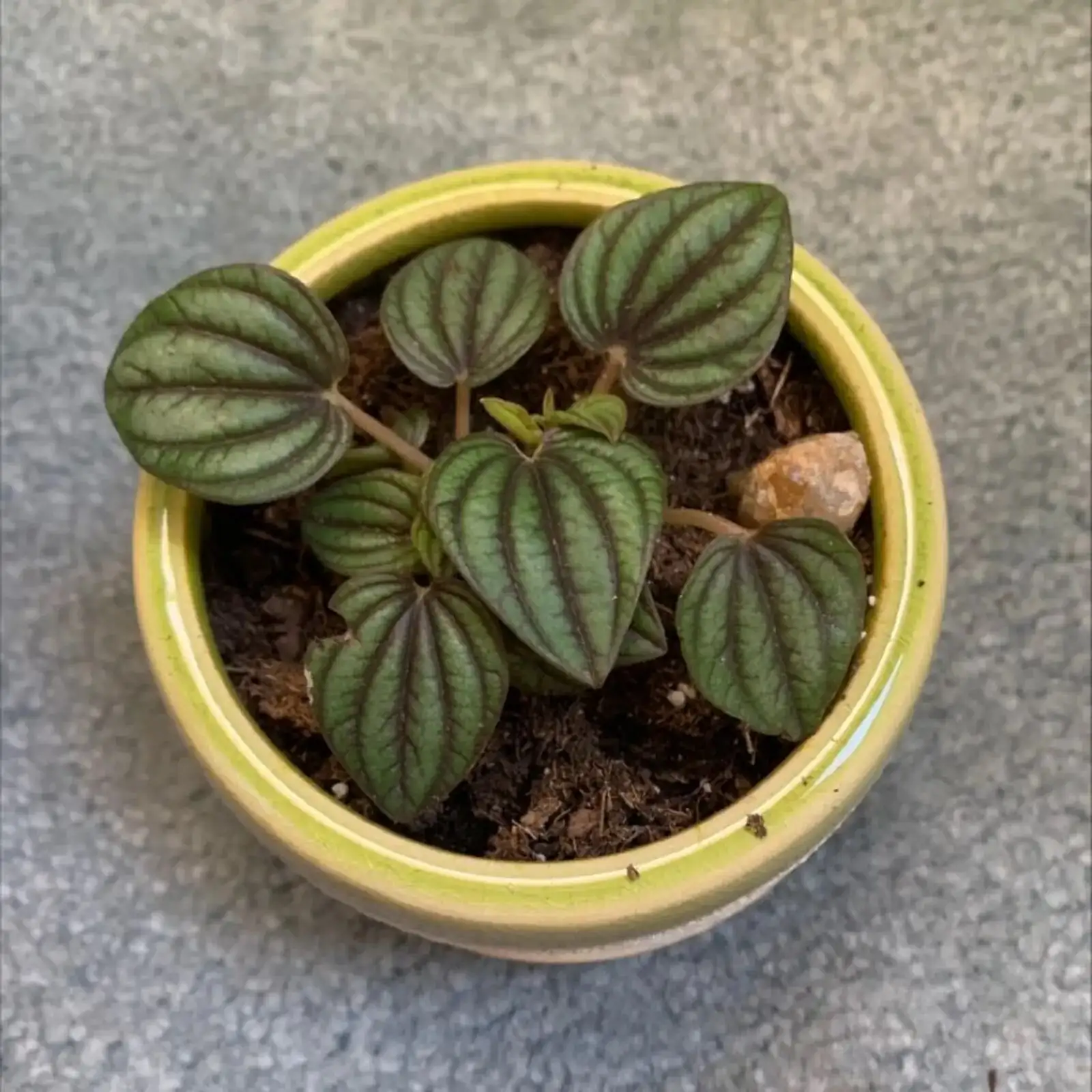
- Light: Partial shade to bright, indirect light. Harsh midday sun can scorch those ripples.
- Water: Spring–autumn, water when the surface of the mix dries. Winter, keep it almost dry and water sparingly. Overwatering is the main risk.
- Humidity: Moderate to high (around 50%+). A pebble tray works wonders; avoid misting—water can sit in the leaf ripples and cause spotting.
- Temperature: 15–24°C (59–75°F); keep above 12°C (54°F) and away from drafts.
- Soil and pot: Loose, airy, fast-draining mix with a generous handful of perlite; a small pot (about 10 cm/4 in) keeps roots happy.
- Feeding: Monthly at half-strength from spring to autumn; reduce or stop in winter.
- Tidy-up: Minimal pruning—remove yellowing leaves and cut spent flower spikes at the base.
- Propagation: Leaf or stem cuttings in a moist, airy medium at 20–24°C (68–75°F).
- Pests: Watch for mealybugs, spider mites, and scale—especially in very dry air. Wipe leaves, improve airflow, and treat early with insecticidal soap or horticultural oil if needed.
Tracing the symbolism back to the plant itself
- Form: The heart leaf says affection; the ripples say character. Together, they telegraph love that lasts through texture and time.
- Habit: Compact, composed growth reads as emotional steadiness. This is a plant that holds its shape and keeps its promise.
- Care: Forgiving but not thirsty for attention, it rewards consistent, moderate care—the living metaphor for relationships that flourish with small, regular acts.
Final thought
Peperomia caperata doesn’t shout its meaning; it models it. In a world of showy gestures and fleeting trends, this little radiator plant—native to tropical South America, cherished on modern windowsills—offers a daily tutorial in gentle perseverance. Gift it when you want to say, “I’m here.” Style it where you need a calm pulse. Then care for it the way you want your days to feel: bright, steady, and quietly strong.