If your Guzmania insignis (aka “Scarlet Star” bromeliad) has yellowing leaves, bracts that are losing their pop, speckled leaf spots, or a suspiciously mushy crown, don’t panic. This tropical beauty is resilient when you act quickly. Use this fast, field-tested guide to diagnose the problem at a glance and fix it with smart tweaks: better airflow, gentle summer shade, fresh water in the central “cup,” and safe, label-appropriate fungicides when needed.
Guzmania insignis at a glance
- Origin: Andes region of South America; family Bromeliaceae
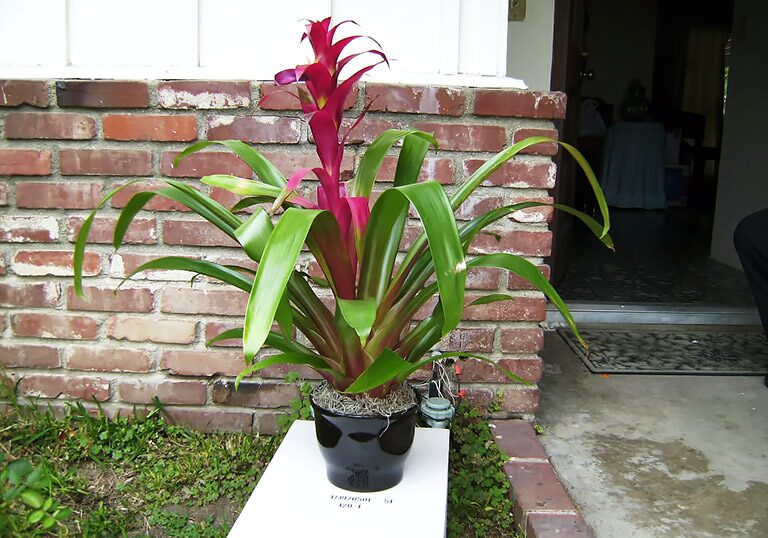
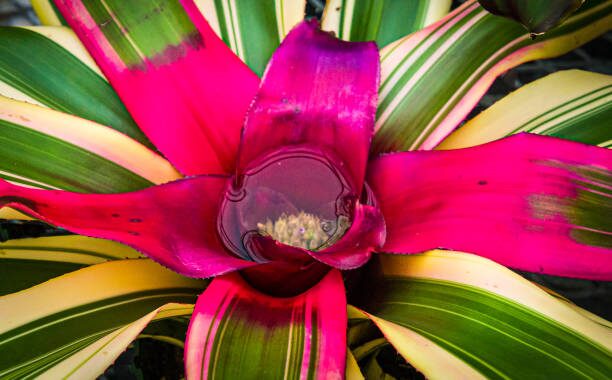
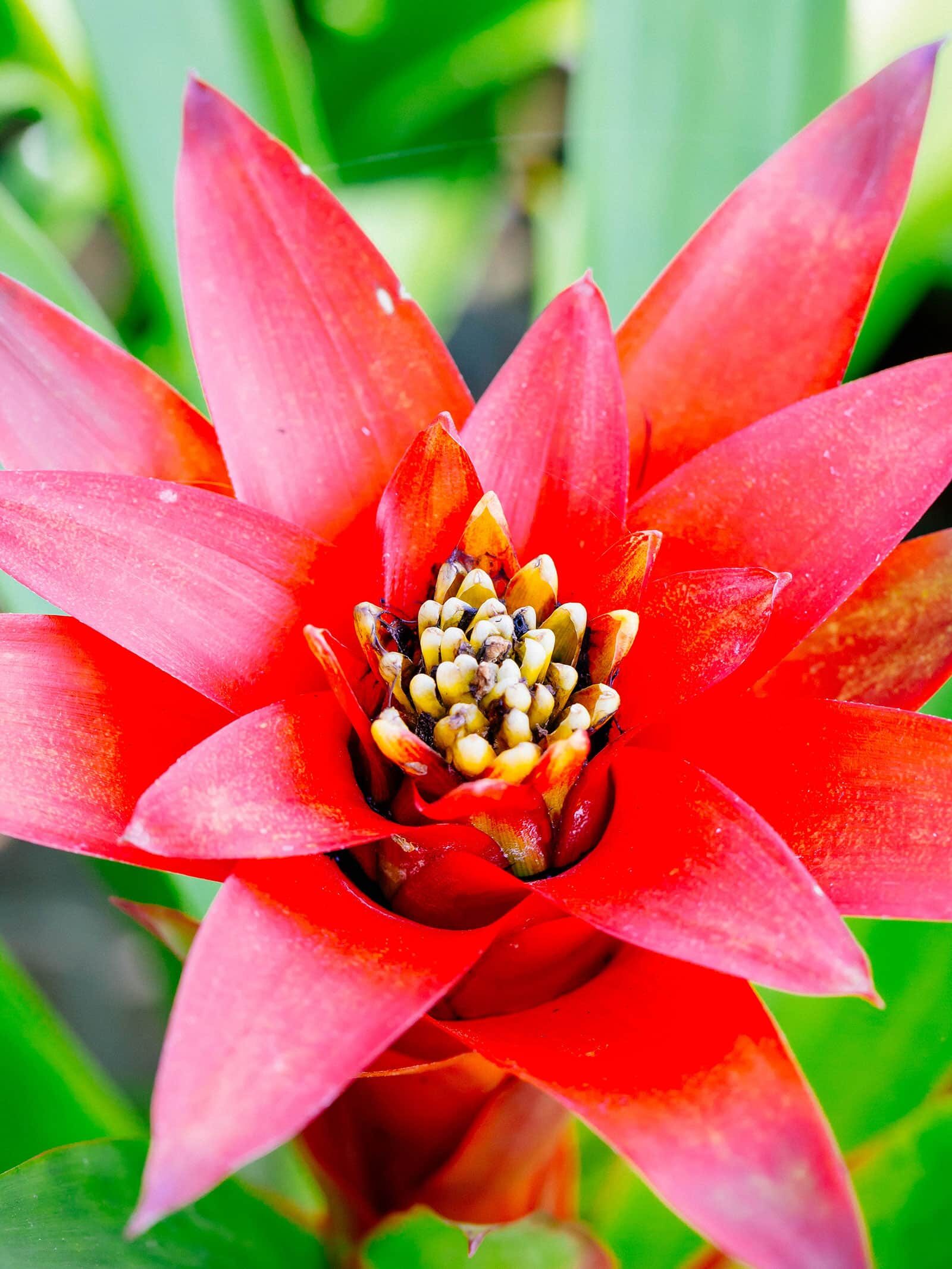
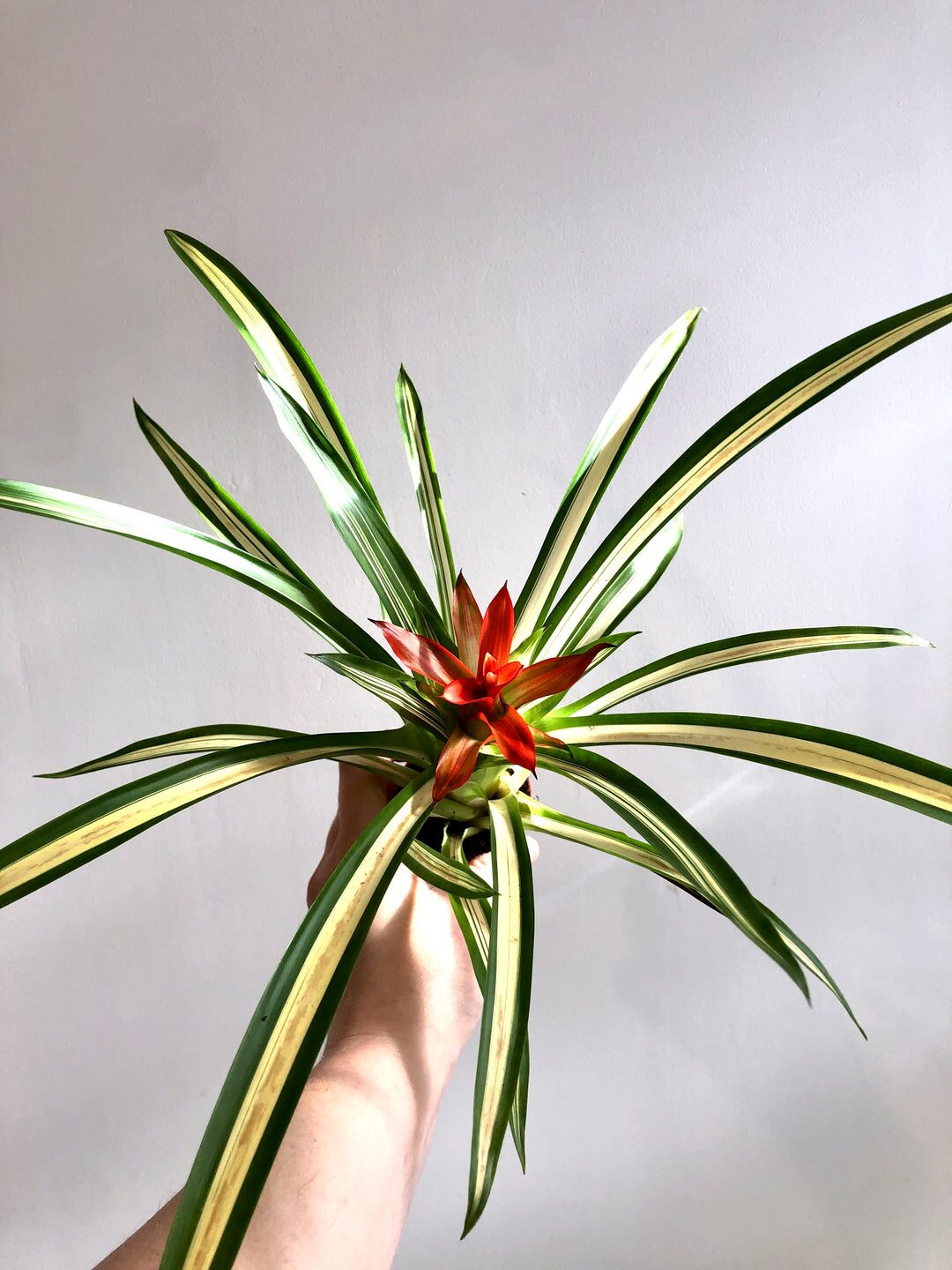
- Look: A neat rosette of glossy green, upright leaves that form a central “cup” (tank) and a bold, upright display of bright red bracts that stay showy for weeks
- Growth habit: The mother rosette flowers once, then slowly declines while offsets (pups) grow at the base to take over
- Best conditions: Bright, filtered light; warmth (16–28°C / 61–82°F); moderate to high humidity; loose, airy, fast-draining mix
Fast diagnostics and fixes
Yellowing leaves
- What you see
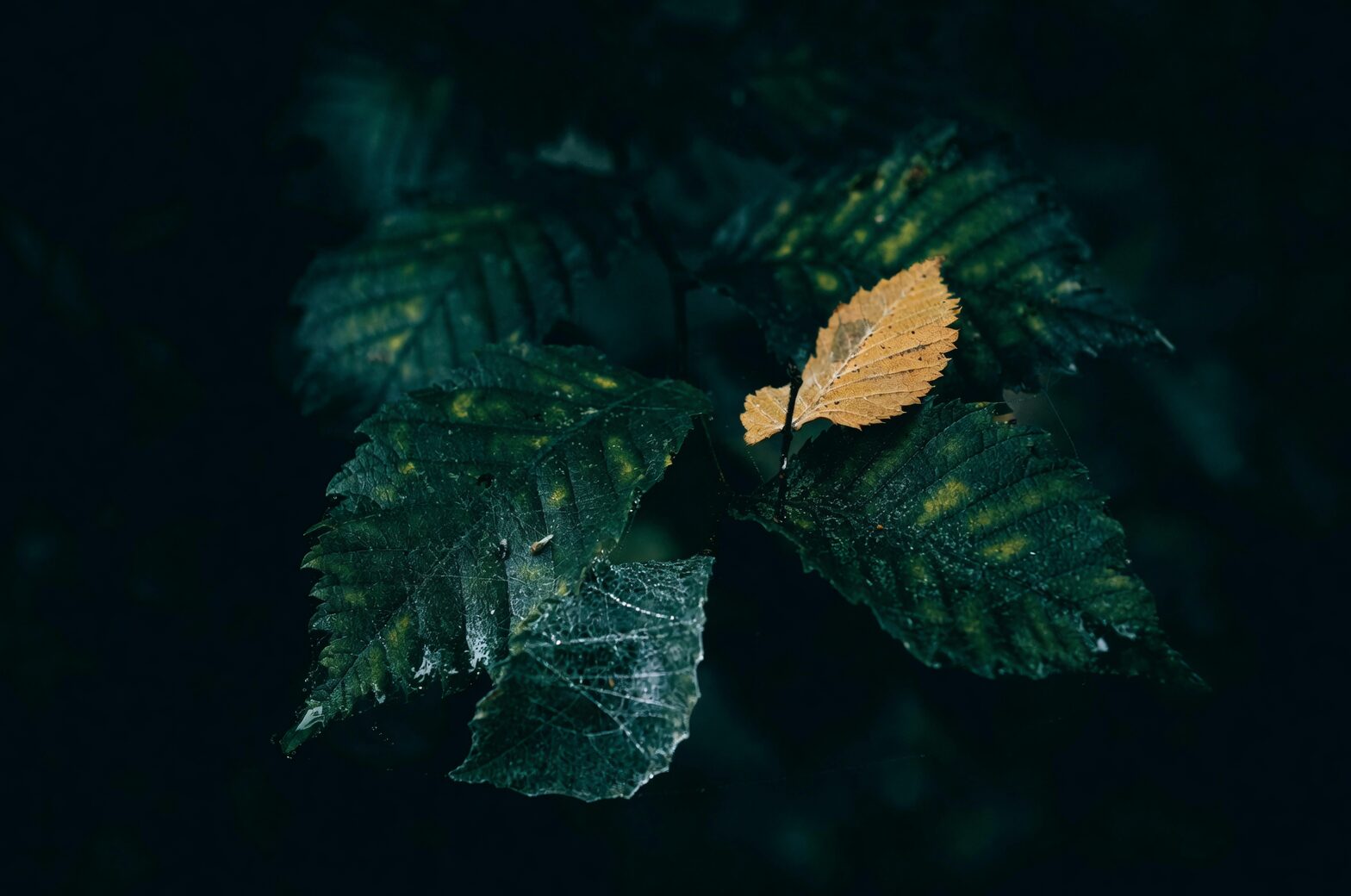
- Outer leaves yellowing first, or scattered pale/yellow patches
- Most likely causes (in order of frequency)
1) Too much direct summer sun (leaf scorch)
2) The central cup running dry or holding stale water
3) Natural post-bloom aging of the mother rosette
4) Low light or cold drafts reducing vigor
5) Soggy potting mix stressing roots
- Do this now
- Light: Move to bright, filtered light; in summer give about 50% shade and good airflow to prevent scorch. In winter, use the brightest spot by day but keep leaves away from cold glass at night.
- Cup care: Keep a little clean, tepid water in the central cup and refresh it regularly so it never stagnates.
- Watering: Keep the potting mix lightly moist in spring/summer (never soggy). In winter, let the mix dry slightly between waterings.
- Temperature: Keep above 10°C (50°F); avoid chills and drafts.
- Prune: Trim yellowed outer leaves; if the plant has flowered, expect gradual decline of the mother and look for pups at the base.
Fading or dull bracts
- What you see
- Once-vivid red bracts turning lighter, bleached, or generally dull
- Most likely causes
1) Harsh direct sun in summer bleaching pigments
2) Natural aging after flowering (color wanes over time)
3) Overall low vigor from low light or cold stress
- Do this now
- Light tune-up: In summer, shift to filtered light with ~50% shade plus airflow. In winter, give maximum gentle light (bright window by day) without touching cold glass.
- Care rhythm: Maintain warmth and steady, light moisture; avoid heavy feeding—use very dilute fertilizer only during active growth.
- Expectation check: Bracts are long-lasting but not forever. When they’re spent, cut the spike near the center with a clean blade and focus on raising the pups.
Leaf spot (speckled, expanding lesions)
- What you see
- Tan or brown spots, sometimes with yellow halos; spots can coalesce in stagnant, humid air
- Most likely causes
- Persistent leaf wetness late in the day, poor airflow, and splash spread
- Do this now
- Cultural reset:
- Improve ventilation (small fan on low, oscillating; no cold drafts).
- Water early in the day and avoid soaking foliage late; keep cup water fresh.
- Space plants so leaves aren’t touching.
- Sanitation:
- Remove and discard badly spotted leaves.
- Clean tools and surfaces; avoid reusing contaminated water.
- Safe fungicide options:
- Use an ornamental-plant fungicide labeled for leaf spot on bromeliads; copper-based products are commonly used. Follow label directions exactly, test on a small area first, and avoid spraying in full sun or high heat.
- Aftercare:
- Maintain good airflow and avoid prolonged leaf wetness to prevent recurrence.
Mushy crown (heart rot)
- What you see
- The center smells sour, looks brown/black and mushy; inner leaves may pull out easily
- Most likely causes
- Stagnant water sitting in the cup (especially in cool conditions), cold stress, or contaminated splash
- Do this now—fast
- Drain and flush: Tip the plant gently to pour out all cup water. Flush the cup with clean, tepid water to remove decaying matter.
- Dry-down + airflow: Let the cup drain thoroughly; run a gentle fan for 24–48 hours to keep the center dry but not desiccated. Keep temperatures warm (20–25°C / 68–77°F).
- Targeted fungicide: If caught early, apply a label-appropriate copper-based ornamental fungicide as a light, directed treatment into the cup and affected areas. Never exceed label rates.
- Triage advanced cases: If the mother is collapsing, separate any healthy pups with a clean blade. Discard the rotting rosette and used mix; sanitize the pot. Root pups in a loose, airy medium with higher humidity and warm temps.
Your summer shade-and-airflow playbook
- Light: Aim for bright, filtered/indirect light. In hot summer windows, provide ~50% shade (sheer curtain or shade cloth) and steady airflow to prevent scorch.
- Airflow: A small, quiet fan on low increases leaf drying and reduces disease. Avoid cold blasts.
- Humidity: Moderate to high is best. Misting can help in hot weather, but do it early and lightly so leaves dry by evening.
Watering the “cup” the right way
- What to use: Clean, tepid water (rain, filtered, or rested tap if your water is hard).
- Routine:
- Keep a small amount in the central cup—never let it stagnate.
- Weekly: Refresh the cup completely—pour out old water, then refill lightly.
- Monthly: Give a thorough flush with clean water to remove residue.
- Winter tweak: Use smaller volumes and refresh regularly; keep the potting mix slightly drier so roots don’t sit cold and wet.
- Potting mix moisture: Lightly moist during active growth; never soggy. In winter, allow a slight dry-down between waterings.
Feeding without burn
- Frequency: During active growth, feed every ~2 weeks with very dilute, balanced fertilizer. A slightly higher P/K emphasis can support blooming.
- How to apply: Use weak solution to the potting mix and/or a lightly diluted amount into the cup. Avoid strong concentrations that can burn tender tissues; always follow label directions.
- Flush: Periodically flush the cup and mix with clean water to prevent salt buildup.
Smart substrate and repotting
- Mix: Loose, airy, fast-draining (e.g., peat/leaf-mold base blended with coarse sand or a bromeliad/orchid-style mix).
- Pot size: Commonly grown in a 12–15 cm (4.7–5.9 in) pot.
- Timing: Repot every ~2 years in spring or when pups are ready for their own pots.
Quick 60‑second symptom solver
- Yellowing leaves + hot window = Sun scorch. Move to filtered light, add airflow, refresh cup water.
- Yellowing leaves + empty/stale cup = Refill with fresh, tepid water and flush weekly.
- Fading bracts in summer sun = Provide ~50% shade; bract color often rebounds in gentler light (aging bracts will still fade).
- Spots spreading in humid air = Increase ventilation, water early, remove spotted leaves, consider a copper-based fungicide per label.
- Mushy, smelly center = Drain and flush the cup, dry with airflow, keep warm; treat early with a safe, labeled fungicide. If advanced, save pups and discard the mother.
Cleanliness and prevention
- Wipe leaves with a slightly damp, soft cloth to keep them glossy and dust-free.
- Remove yellowing or dead outer leaves promptly.
- Avoid leaving foliage wet late in the day.
- Always inspect new plants for spots, pests, and cold damage before bringing them home.
Season-by-season cues
- Spring: Bright filtered light; keep mix lightly moist; best time to divide pups.
- Summer: ~50% shade + good ventilation; occasional light misting; prevent sun scorch.
- Autumn: Boost humidity if indoor air dries; bring plants in before nights cool.
- Winter: Keep above 10°C (50°F); brightest spot by day; avoid cold window glass at night; water sparingly.
Safety and pets
- No confirmed toxicity details are provided; as a sensible precaution, keep out of reach of pets and children and avoid ingestion.
Why Guzmania is gifted as “good luck” (花语)
- In Chinese, it’s known as 鸿运当头—literally “good fortune at the forefront.” The vivid red bracts read as auspicious, echoing the color of celebration and prosperity. While this symbolism is cultural rather than botanical, it resonates beautifully with the plant’s life cycle: one dramatic flourish followed by new beginnings as pups emerge. It’s a living metaphor for luck that renews itself.
When to ask for help
- Rapid crown collapse with foul odor despite drying and fungicide
- Leaf spot racing across the plant even with improved airflow
- Cold injury (below ~5°C / 41°F) and widespread tissue damage
Bottom line
Keep Guzmania insignis in bright, filtered light with summer shade and steady airflow; feed very lightly; and, above all, refresh that central cup. Do these three things well and most yellowing, fading, spotting—and even early crown mush—become problems you fix quickly, not crises you fear.