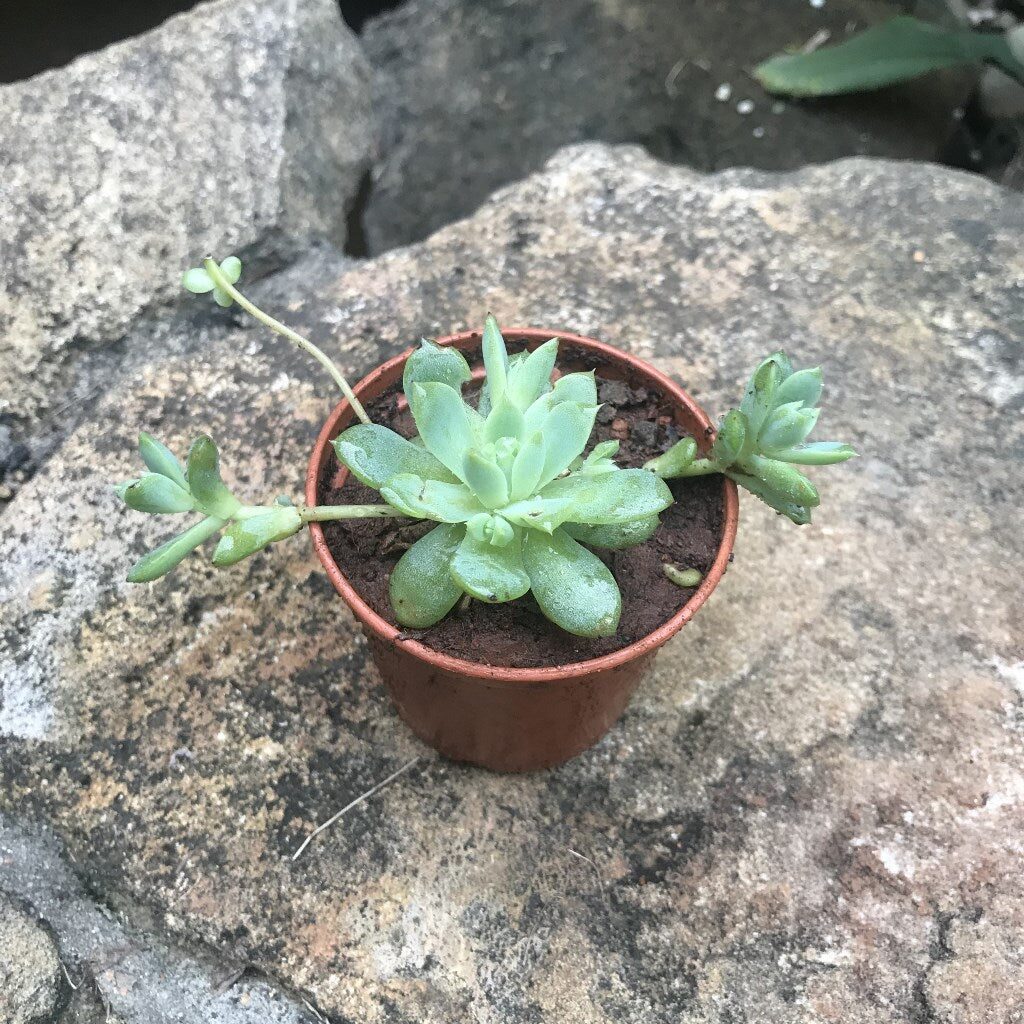
If you love tidy, lotus-like rosettes that stay compact on a sunny windowsill, Orostachys furusei (Dunce Cap Succulent, also nicknamed Rock Pine) is your kind of plant. Think of it as a mini stone garden you can hold in one hand—crisp geometry, quick drainage, and a simple seasonal rhythm. Follow this actionable checklist to keep it tight, bright, and long‑lived.
Meet your Dunce Cap Succulent
- Scientific name: Orostachys furusei (family Crassulaceae)
- Origin: Southeast Asia
- Habit: Small, rosette-forming succulent, often clustering with age; individual rosettes about 5–15 cm (2–6 in) across
- Look: Thick, shingled leaves in neat “lotus-like” layers; bright green to slightly glaucous
- Flowers: Starry blooms in summer to autumn; note the rosette that flowers may decline afterward (monocarpic behavior)
- Essentials: Strong light, warmth, fast-draining mix, conservative watering; not frost-hardy
The Seasonal Checklist (do these and your plant will thrive)
Spring: Repot, wake up gently, feed lightly
- Repot yearly:
- Use a pot with drainage holes (a 12–15 cm pot suits many plants).
- Mix recipe: 1 part peat-free compost + 1–2 parts coarse grit/pumice or coarse sand. Keep it lean and fast-draining.
- Top-dress with fine grit to keep leaves dry and the crown clean.
- Divide offsets:
- During repotting, tease off offsets (rooted ones establish fastest). Replant in fresh gritty mix.
- After dividing, wait a few days before the first watering so any small nicks can dry.
- Restart watering, but lightly:
- Water thoroughly, then allow the mix to dry well. In early spring, about once per month often suffices—adjust for pot size, light, and airflow.
- Begin low-strength feeding:
- Feed about once a month during active growth with a diluted balanced fertilizer (e.g., a gentle 20‑20‑20 at low strength). Skip feeding for the first couple of weeks after repotting.
- Light upgrade, but with acclimation:
- Move toward a brighter window or add a grow light. Increase light gradually over 10–14 days to avoid scorch.
Summer: Very bright light, midday protection behind glass, smart watering
- Light: Maximize brightness; protect from extreme midday heat behind glass.
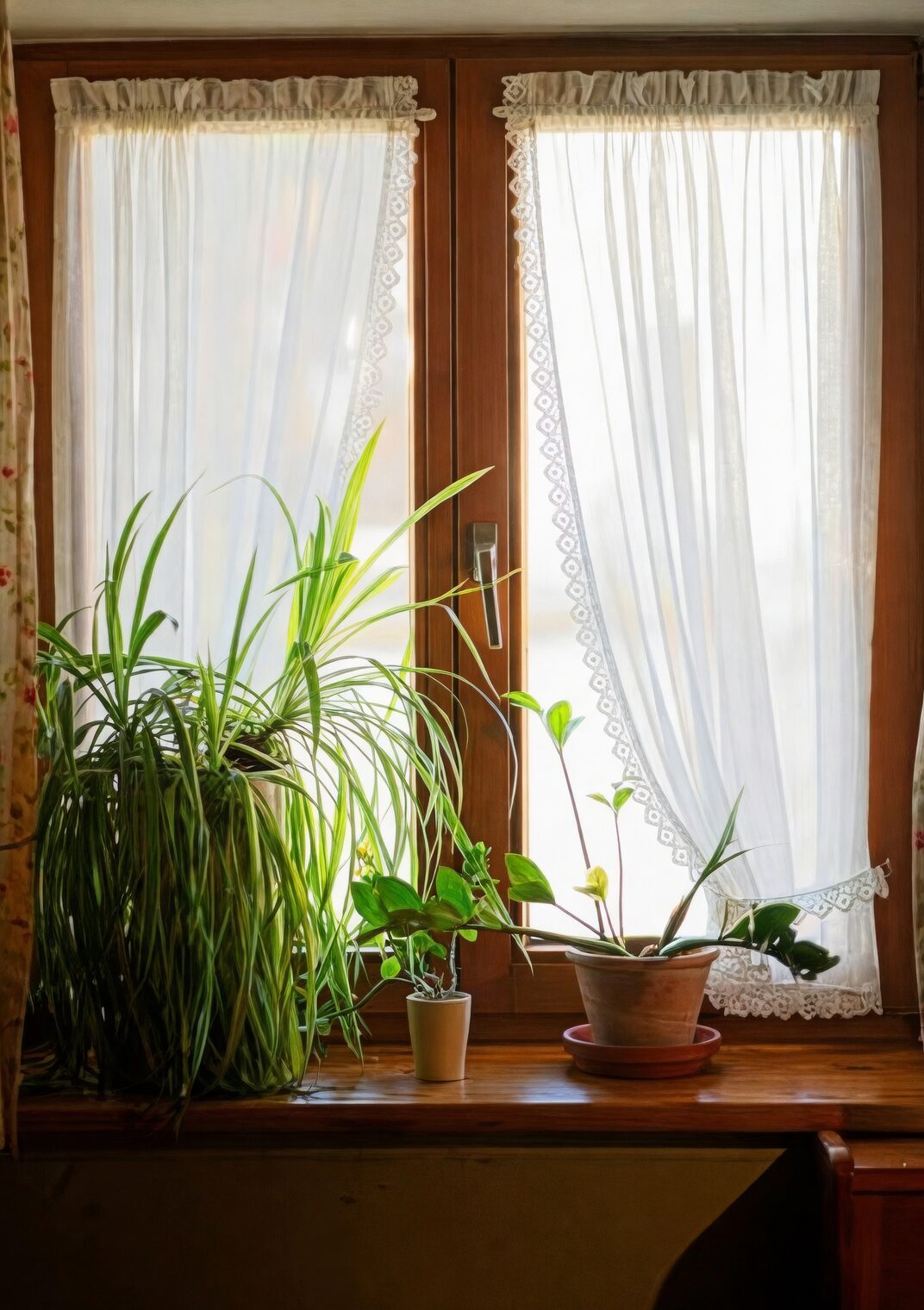
- Best spots: East or southeast windows; in south/west exposures, use a sheer curtain or pull the pot back from the pane during 11 a.m.–3 p.m.
- Outdoors (warm, rain-sheltered porch/balcony) works too—avoid heavy summer downpours.
- Watering: Only after the mix dries.
- Expect somewhat more frequent drinks in active growth, but never let the pot sit soggy.
- Water in the morning; ensure good airflow to help the mix dry promptly.
- Temperature: Ideal growth around 20–25°C (68–77°F). If hotter, rely on airflow and midday protection to prevent leaf scorch.
- Feeding: Continue monthly, low-strength. Every few waterings, give a plain-water flush to avoid salt build-up.
- Grooming and patrol:
- Pluck dry lower leaves to keep the rosette crisp.
- Inspect weekly for mealybugs and scale; treat early with cotton swabs dipped in isopropyl alcohol or horticultural oil/insecticidal soap.
Autumn: Taper and tidy
- Light: Keep it bright; cooler sun is welcome.
- Water: Gradually stretch the intervals. When growth slows, let the mix dry a bit longer between drinks.
- Feeding: Stop as days shorten and growth eases.
- Pre-winter check:
- Choose the brightest winter spot now.
- Ensure the mix drains briskly; this plant dislikes cold + wet roots.
Winter: Dry, bright, frost-free (above 5°C/41°F)
- Temperature: Keep above 5°C (41°F). This is a tender succulent—protect from frost.
- Light: Bright windowsill is essential; a small grow light helps in dim rooms.
- Water: Sparing.
- Offer only a small drink occasionally if leaves begin to wrinkle; otherwise keep on the dry side.
- Never leave it cold and wet—err dry in winter.
- No fertilizer. Keep the crown dry and air moving to prevent fungal spots.
Placement and light cheat sheet
- Best windows: East or south with midday protection; west can work with sheer shade; north is usually too dim (expect stretching).
- Signs it’s happy: Tight, sculptural rosette; leaves firm and well-layered.
- Signs it wants more light: Rosette loosens or elongates; new leaves are pale and spaced out.
- Grow lights: Position so the rosette is bright but not baking. Start 25–35 cm (10–14 in) below a small LED panel and adjust based on leaf response.
Soil and potting that never bogs down
- Aim for “gritty over rich.”
- Combine peat-free compost with plenty of coarse mineral material (grit, pumice, coarse sand).
- Avoid moisture-retentive add-ins that keep roots wet.
- Pot choice:
- Drainage holes are non-negotiable.
- Terra-cotta breathes and can help mixes dry a bit faster; any material is fine if drainage is excellent.
Propagation that fits the plant’s rhythm
- Offsets (easiest): Separate during spring repotting and replant in a similar gritty mix; water lightly after a few days.
- Seed (for the patient): Sow fresh seed as it ripens; best germination often around 13–18°C (55–64°F). Keep airy and just-moist until established.
Flowering and longevity
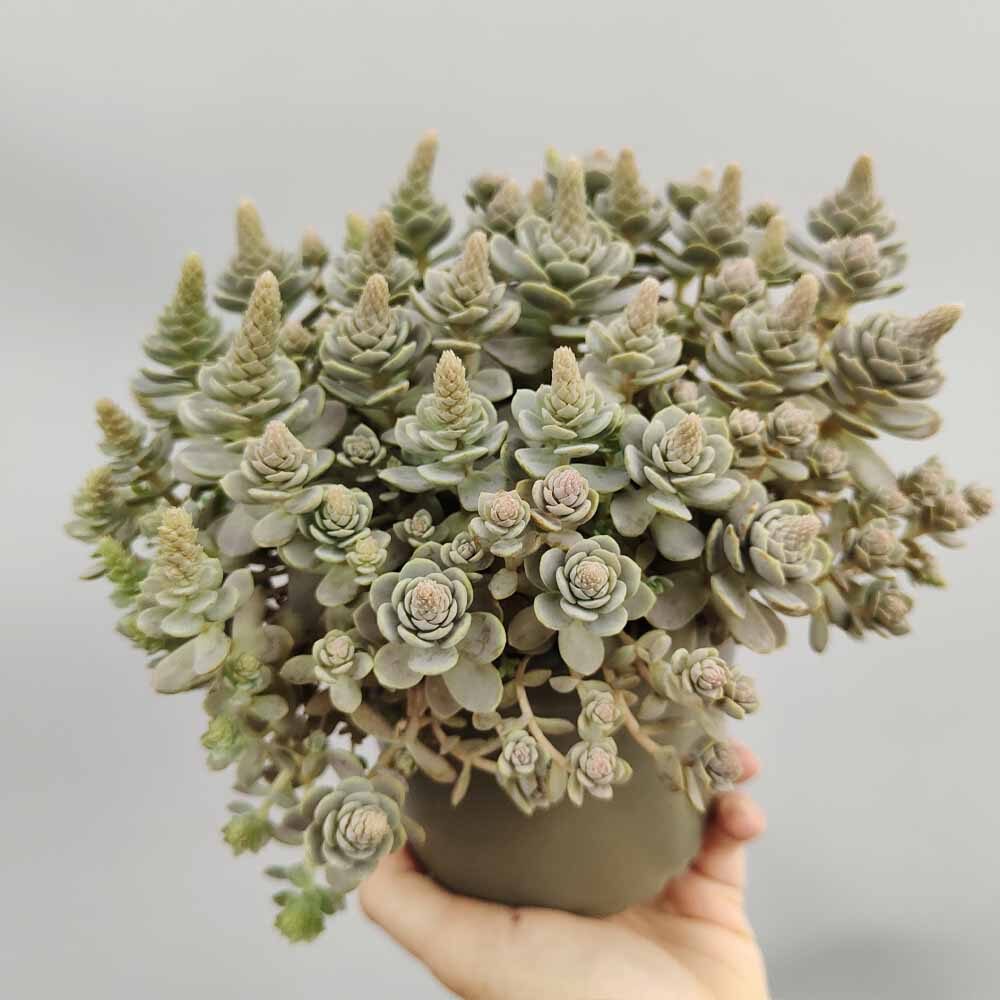
- Bloom time: Summer to autumn, with small star-shaped flowers.
- Monocarpic note: A rosette that flowers may weaken and die back—offsets keep the clump going.
- Want to keep a prized rosette pristine longer? Snip the flower stalk as it appears to redirect energy back to foliage.
Common pitfalls and quick fixes
- Stretching (etiolation):
- Move to a brighter spot or add a grow light. Increase light gradually to avoid sunburn.
- Root rot:
- Usually from cold, wet soil or mixes that dry too slowly. Unpot, remove mushy roots, replant in a gritty mix, and water only after recovery growth begins.
- Leaf spot/anthracnose:
- Improve airflow, keep leaves dry, remove affected foliage; avoid cramped, humid corners.
- Mealybugs/scale:
- Treat promptly with isopropyl alcohol swabs or horticultural oil/insecticidal soap; repeat until controlled.
Style cues, symbolism, and display ideas
- Symbolism: Often likened to a lotus and to a parent ringed by “children” (offsets), it carries a gentle message of family, patience, and continuity. This isn’t a classical flower-language tradition so much as a modern, affectionate reading of its growth habit.
- Display: Use shallow bowls with a mineral top-dress for a rock-garden look. Group a few rosettes for a “constellation” effect on a bright sill.
Mini calendar snapshot
- Spring: Repot and divide; restart light watering; begin monthly, low-strength feeding; increase light gradually.
- Summer: Very bright light; protect from midday scorch behind glass; water only after the mix dries; maintain airflow; continue monthly feed.
- Autumn: Taper watering; stop feeding; keep bright; prep a frost-free winter spot.
- Winter: Bright and dry; keep above 5°C (41°F); no fertilizer; water only sparingly if leaves wrinkle.
Master these seasonal beats—grit under the roots, sun on the rosettes, and a light hand with water—and your Dunce Cap Succulent will reward you with sculptural calm all year.