

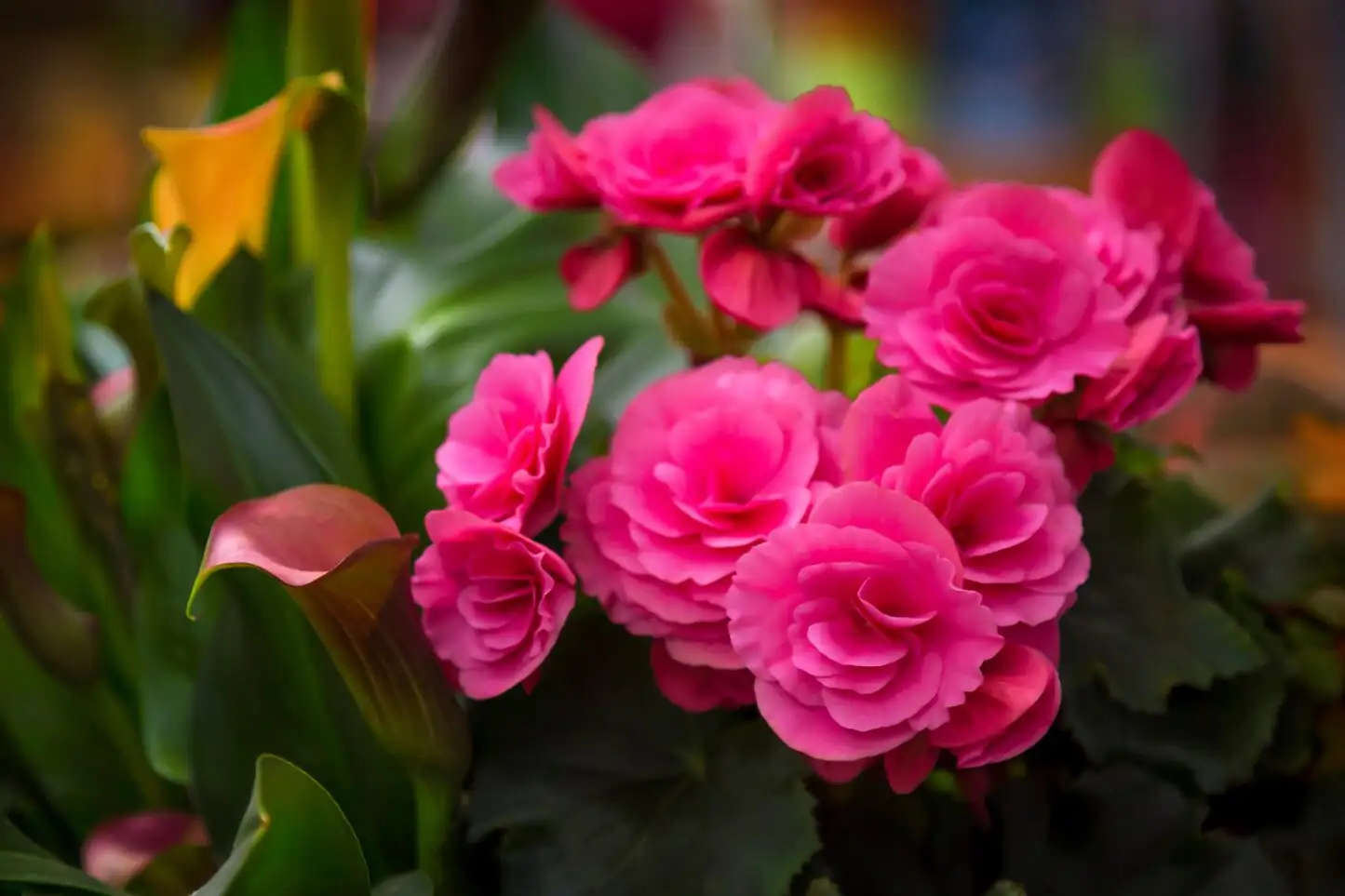
Think of Begonia × tuberhybrida (the classic Tuberous Begonia) as a cool-summer diva in a velvet gown. It dazzles in bright shade, then swoons when the air turns oven-hot. When temperatures surge past 32°C (90°F), even well-grown plants can wilt, dump buds, or outright collapse. This survival guide shows you exactly how to shield your begonia from heat spikes—deploying smart shade, evaporative cooling, perfectly timed watering with room‑temperature water, and an indoor rescue plan—while avoiding the biggest killer of all: overwatering.
Meet your heat‑sensitive showstopper
- Sweet spot: 16–21°C (61–70°F) with moderate to high humidity (about 50–70%) and good airflow.
- Light: Bright indirect light to partial shade. Gentle morning sun is fine; avoid mid‑ to late‑afternoon sun.
- The risk zone: Prolonged heat above ~32°C (90°F) can cause wilting, bud drop, or total collapse—especially if the root zone is waterlogged.
- Root reality: It’s grown from a plump tuber that hates standing water. Keep the potting mix rich but free‑draining and evenly moist, never soggy.
Heatwave triage: read the signals fast
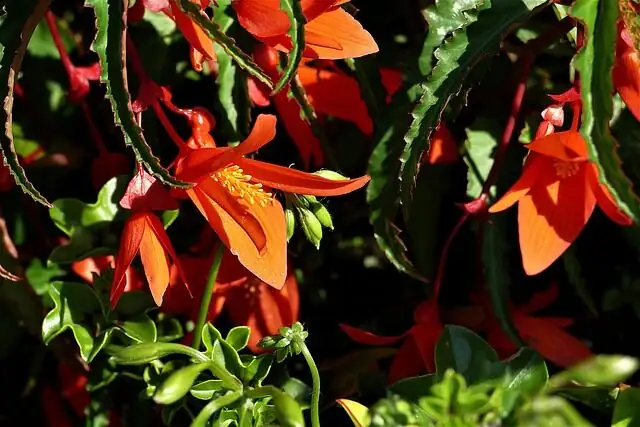
- Heat wilt (not thirst): Leaves droop midday, but the plant perks up by evening; soil still slightly moist. Shade and airflow help more than extra water.
- True thirst: Leaves and stems feel limp morning and evening; the top few centimeters of soil are dry. Water thoroughly with room‑temperature water.
- Bud drop: Tight buds yellow, shrivel, or fall. Common from excessive heat, low airflow, or erratic moisture.
- Red flag for rot: Stems go mushy, or the tuber feels soft; soil stays wet. Stop watering, improve drainage and airflow immediately.
Midday shade that actually works
Your goal: bright shade plus moving air. Here’s how to create it fast:
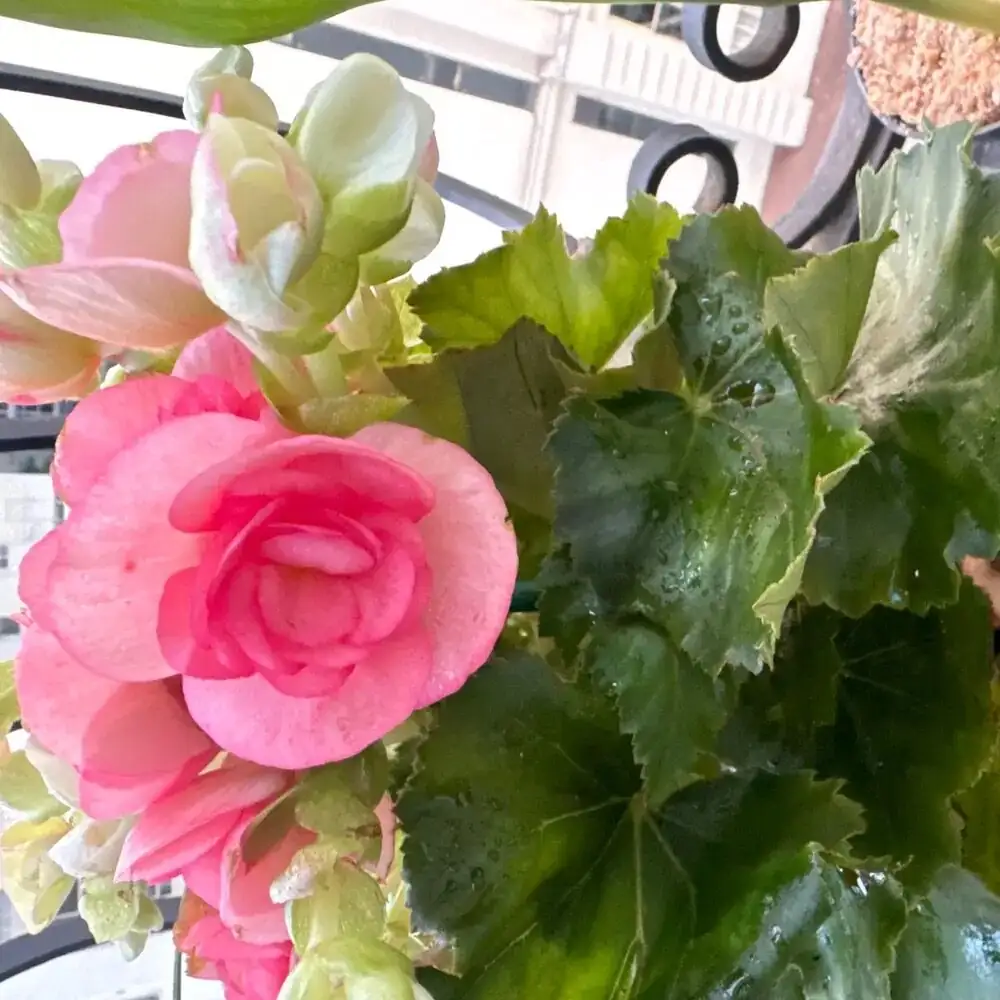
- Shift the sun window: Move pots to an east‑facing porch, under high tree canopies (dappled light), or behind taller shade‑casting planters.
- Use shade cloth: 30–50% white or light‑colored cloth reduces heat while keeping light diffuse. Drape over a simple frame to avoid smothering foliage.
- Add portable shade: Patio umbrellas, a laundry rack with a light sheet, or a balcony privacy screen can block harsh midday rays.
- Evade hot surfaces: Keep pots off sun‑baked concrete, metal railings, and reflective glass. A wooden trivet or plant caddy prevents radiant root stress.
- Keep rain shielded: In stormy heat, shelter plants from pounding rain to avoid waterlogging and botrytis.
Evaporative cooling without soggy soil
Cool the air around your begonia, not the tuber itself:
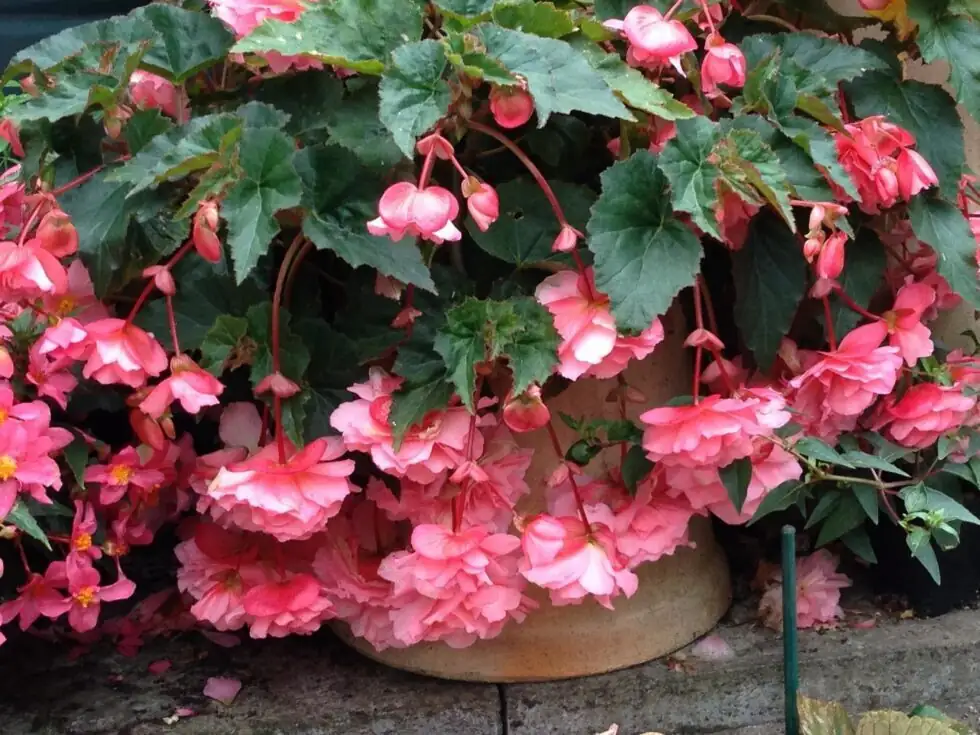
- Pebble tray, not a saucer bath: Fill a wide tray with pebbles and water; set the pot on the pebbles so the base never sits in water. Add a gentle fan for airflow.
- Pot‑in‑pot trick: Slip the nursery pot into a slightly larger, porous terracotta cachepot. Moisten the outer pot (not the inner mix) so evaporation cools the microclimate.
- Lighten the pot color: A light‑colored sleeve or wrap reflects heat. Dark pots cook roots.
- Breathable topdressing: A thin layer of coarse bark chips limits surface evaporation yet allows air exchange. Avoid dense, soggy mulches.
- Airflow is king: A shaded oscillating fan set on low keeps humidity healthy and discourages mildew.
Avoid: Ice on soil, cold shock, plastic saucers of standing water, or draping wet cloth directly over foliage. Tuber rot loves stagnation.
Watering in a heatwave: timing, technique, temperature
Tuberous begonias want even moisture—never drought, never bog. In heat, timing and temperature matter.
- Best time: Early morning. Water with room‑temperature water so the plant enters the day fully hydrated without thermal shock.
- Second‑best: Early evening after the pot cools. Skip midday dousings that can stew roots.
- How much: Water thoroughly until a little drains out, then empty the saucer. Don’t let the pot sit in water.
- Frequency: A weekly baseline under mild conditions often works, but in heat you’ll likely need more. Always check the top 2–3 cm of mix; water when it’s just turning from moist to barely dry.
- Aim the pour: Water the mix, not the leaves or crown. Wet foliage plus heat = fungal invites.
- Protect from heavy rain: Move baskets or pots under cover during storms; they’re sensitive to waterlogging.
Emergency relocation plan (indoor rescue)
When the forecast screams 35–40°C (95–104°F), bring your begonia indoors before midday.
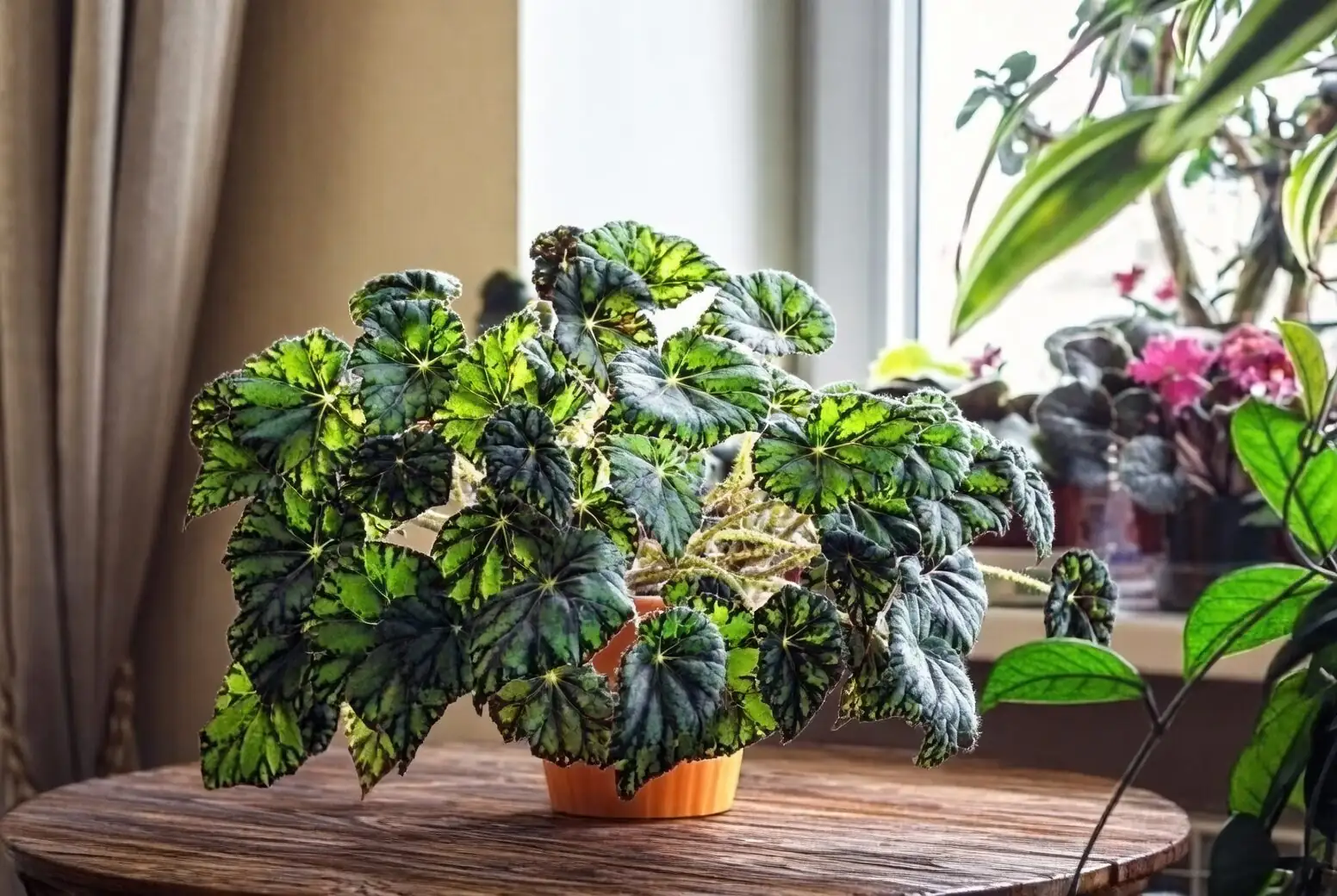
- Light: Place near a bright window with indirect light—sheer‑curtained east or bright north exposure is ideal. Avoid harsh sun through glass.
- Air: Provide gentle airflow; avoid blasting AC vents and hot appliances. Stable, cooler air is the target.
- Temperature: Aim for that 16–21°C (61–70°F) comfort zone; keep above 10°C (50°F) at all times.
- Acclimation: Move it back outside only when the heat subsides, reintroducing shade first.
- Safety: Begonias are considered toxic to pets (especially the tubers). Keep out of reach.
Stop bud drop and collapse—without drowning the tuber
- Stick to bright shade: Keep buds cool with midday shade. Gentle morning sun only.
- Keep moisture steady: Evenly moist, never soggy. Erratic swings (too dry, then drench) trigger bud abortion.
- Use the right mix: A rich, free‑draining blend—peat or leaf mold with fertile loam plus coarse sand/perlite—prevents waterlogging.
- Feed lightly, regularly: During active growth, a dilute balanced‑to‑bloom fertilizer every 10–14 days supports flowering; pause or reduce feeding during severe heat stress.
- Deadhead smartly: Remove spent blooms and stalks so the tuber saves energy for setting and holding buds.
- Airflow over misting: Humidity helps, but stagnant, damp air causes trouble. Favor fans and trays over leaf‑wetting mists.
- Watch for pests: Thrips and aphids love buds. If you see scarring or deformed blooms, isolate and treat promptly with gentle options like insecticidal soap or horticultural oil.
After the heat: recovery—and, if needed, dormancy care
- Gentle rebound: Keep in bright shade with steady moisture and airflow for 1–2 weeks. Resume normal feeding once growth looks perky.
- If the top collapses but the tuber is firm: Your plant may enter an early rest. Let the mix dry slightly, lift the tuber once foliage dies back, and store it cool and dry (above 10°C/50°F). You can restart it next season.
- If the tuber is soft or foul‑smelling: That’s rot—discard the plant and mix to prevent spread.
Quick daily checklist for >32°C days
- Morning (best time):
- Shade in place? Fan on low? Pebble tray topped up?
- Soil check at 2–3 cm depth: if barely dry, water with room‑temperature water.
- Remove spent blooms; scan for pests.
- Midday:
- No direct sun on leaves? Pot not on hot masonry?
- If wilting but soil is moist, resist watering—cool the air and increase shade/airflow.
- Evening:
- If soil is dry and plant is still limp, water with room‑temperature water, then drain.
- Empty any saucers; never leave the pot standing in water.
Safety notes: pets, kids, and you
- Toxicity: Begonias are commonly considered toxic to pets; the tubers are most problematic. Keep away from curious mouths and seek professional advice if ingestion is suspected.
A tiny note on symbolism
Tuberous begonias have long been linked with tender affection—sometimes even the ache of unrequited love. It’s a Victorian‑style sentiment attached to a plant bred for extravagant, rose‑ or camellia‑like blooms. Whether or not you buy into flower language, there’s truth in the feeling: few plants say “handle with care, love me well” as clearly as a tuberous begonia in a heatwave.
—
Heat is the test. With smart midday shade, evaporative cooling that never soaks the tuber, room‑temperature watering at the right moments, and an indoor Plan B, your Begonia × tuberhybrida can keep its composure—and its buds—until the weather remembers who the real star is.