
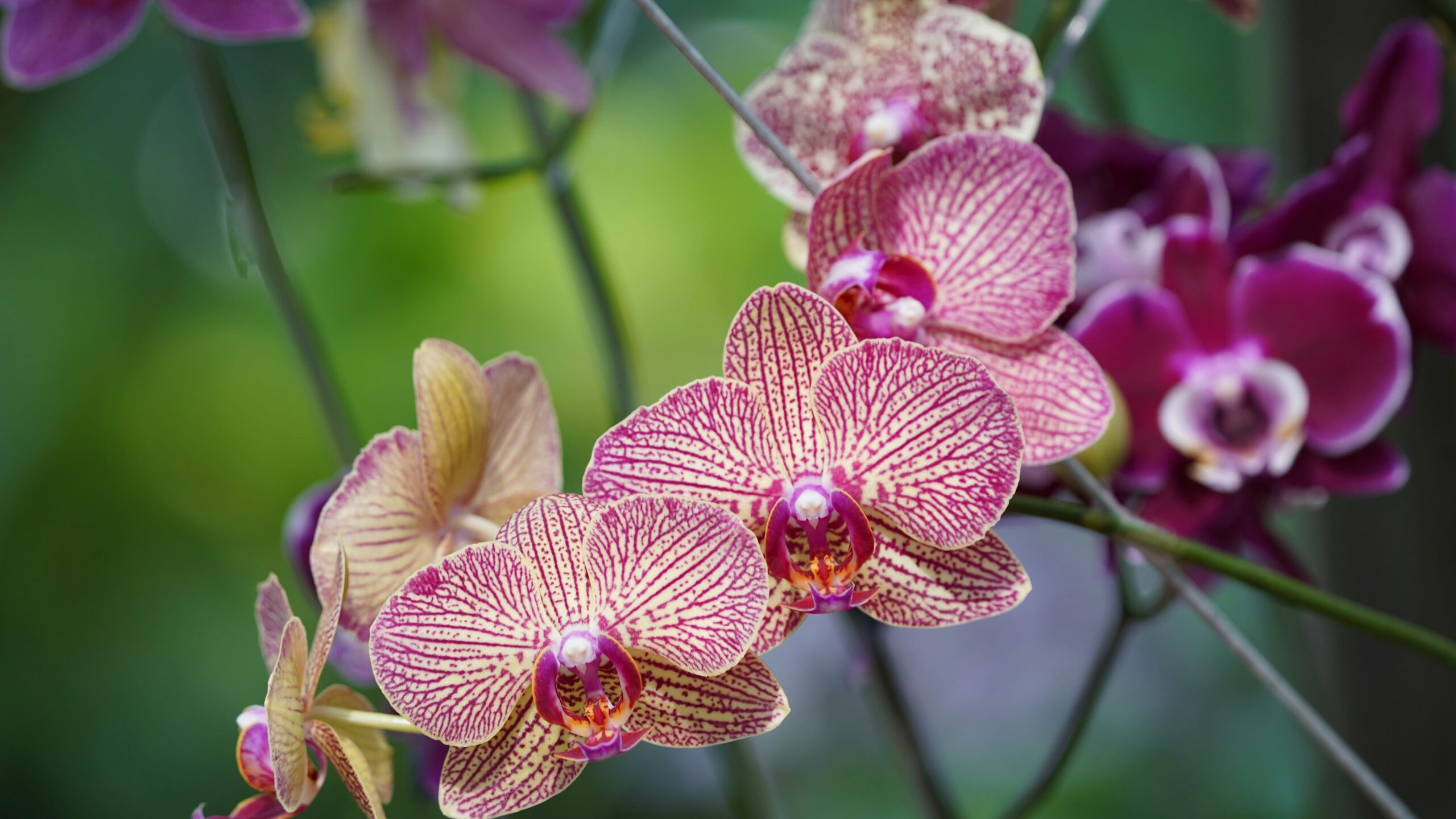
When summer starts to sizzle, Cymbidium orchids can go from glossy elegance to crispy or spotty in a single heatwave. The fix isn’t guesswork—it’s a playbook: water at dawn (and again at dusk if heat demands it), mist safely for humidity, drop 50–60% shade cloth to blunt midday rays, and keep the air rushing. Do those four things with purpose and you’ll dodge fungal flare-ups, prevent leaf scorch, and set the stage for brilliant winter–spring bloom spikes.
Meet the plant you’re coaching
- Botanical profile: Cymbidium spp. (Cymbidium Orchid, Boat Orchid), Orchidaceae; native to the Himalayas, Myanmar, Thailand, Southeast Asia, Australia, and New Guinea.
- Habit: Clump-forming, sympodial orchids with water-storing pseudobulbs and evergreen, strap-like leaves; multiple waxy, often fragrant blooms on arching spikes.
- Bloom window: Typically late winter into spring.
- Comfort zone: Bright, filtered light; cool-to-mild temperatures; steady moisture without sogginess; and, crucially, fresh air.
The summer playbook: Keep them cool, bright, and breathing
1) Light management with 50–60% shade
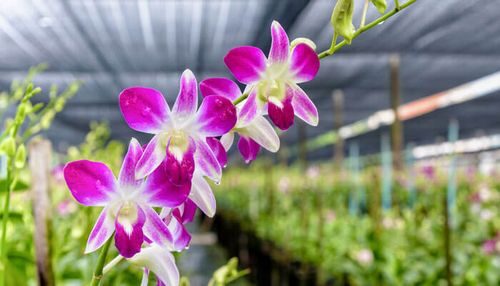
Cymbidiums love light—but not harsh, still, midday heat. In summer:
- Hang 50–60% shade cloth over patio frames, balconies, or greenhouse benches. Morning sun plus dappled midday/afternoon conditions is perfect.
- Indoors, give a bright east or lightly filtered south exposure with a sheer curtain.
- Watch the foliage: tip scorch or patchy, bleached areas signal too much direct sun/heat; slow, lush but floppy growth suggests not enough light.
Pro tip: In late summer, begin easing plants into brighter, airy conditions (still not scorching) to support autumn spike initiation.
2) Aggressive ventilation (your best anti-fungal tool)
Stale, humid, hot air is the enemy. Aim for gentle leaf movement at all times.
- Use fans outdoors and in greenhouses to push air through foliage; set oscillation so every clump gets a breeze.
- Indoors, crack windows for cross-ventilation; add a discreet clip fan to keep air moving.
- Result: Fewer outbreaks of anthracnose, leaf/rust spots, and less bud blasting.
3) Water like a grower: dawn-and-dusk rhythm
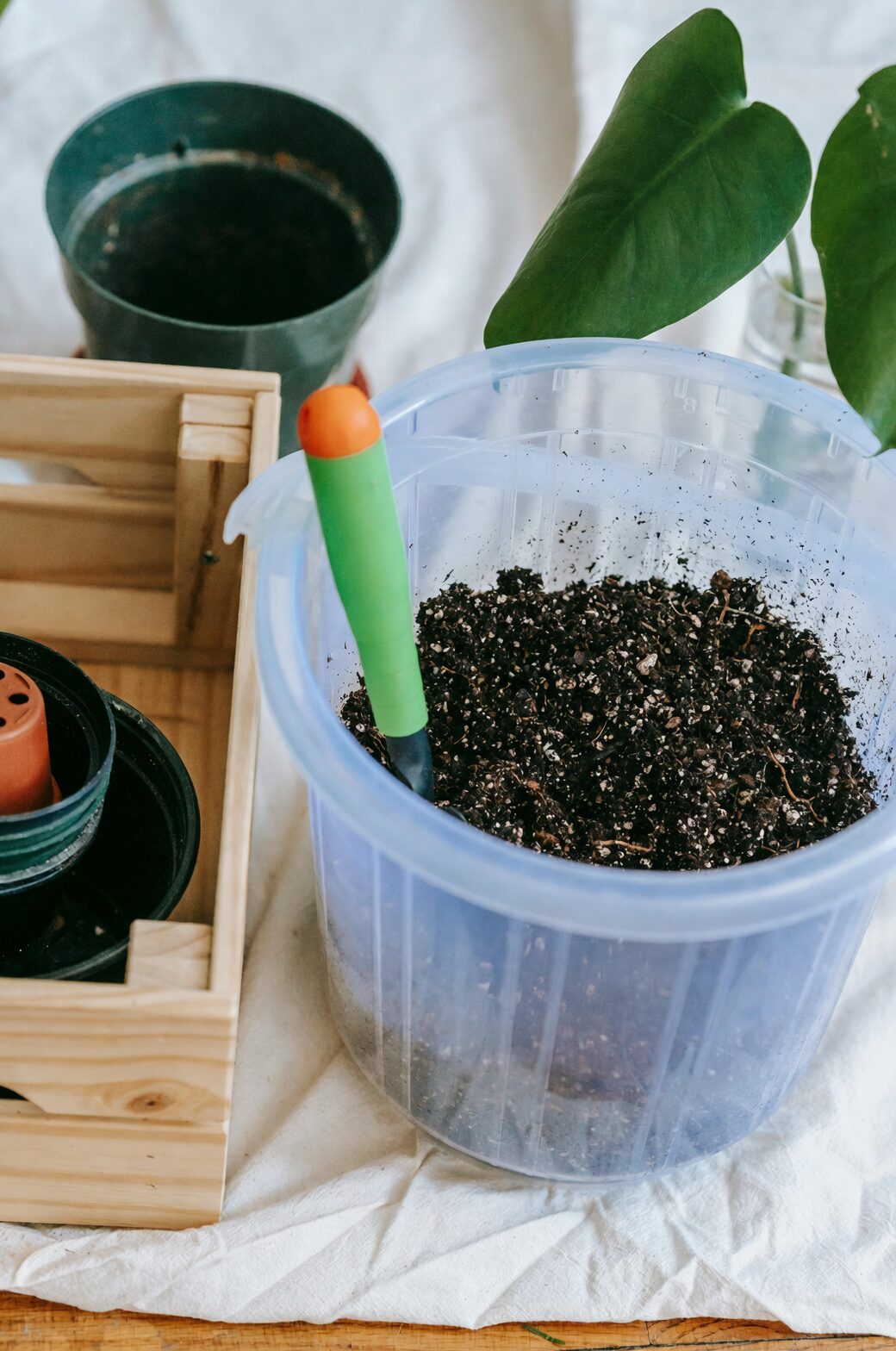
Cymbidiums want evenly moist, airy media—never waterlogged.
- Summer baseline: Water thoroughly in the morning; in hot, sunny weather, water again in the early evening as needed. Let excess drain fast.
- Technique: Drench the bark-based mix until water runs clear; never leave the pot sitting in a saucer of water.
- Container help: Tall, well-drained pots (around 6 in wide x 8 in deep) suit their root architecture and encourage quick drainage.
Seasonal compass for later:
- Spring & autumn: typically about 2 thorough waterings per week.
- Winter: keep just slightly moist, about every 4–5 days—avoid sogginess.
4) Safe misting and humidity without inviting disease
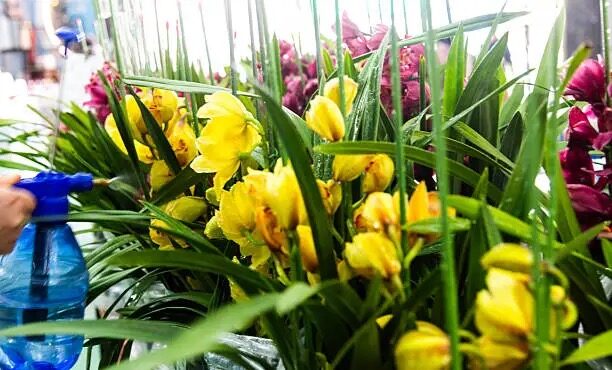
These orchids appreciate higher humidity—roughly 70–80% if you can manage it—but only with airflow.
- Mist timing: Lightly mist the surrounding air and outer foliage 1–2 times daily in the morning and/or late afternoon. Avoid soaking the crown or leaving water trapped between leaf bases.
- The “1–2 hour rule”: Any misting should dry from leaf surfaces within 1–2 hours, helped by fans. If droplets linger, reduce misting and increase ventilation.
- Boosters: Humidity trays with pebbles, room humidifiers, and grouping plants can help—but never at the expense of fresh air.
Heatwave triage: A quick action checklist
- Increase shade to 50–60% immediately; move pots out of late-afternoon sun.
- Extend ventilation: doors/windows fully open; add another fan.
- Water at dawn; check media by late afternoon. If drying fast in extreme heat, water again at dusk.
- Mist the air lightly for evaporative cooling (not the crown). Prioritize breezy drying.
- Never fertilize heavily during acute heat stress—keep it dilute and infrequent until temps ease.
Media and pots that make summer watering safe
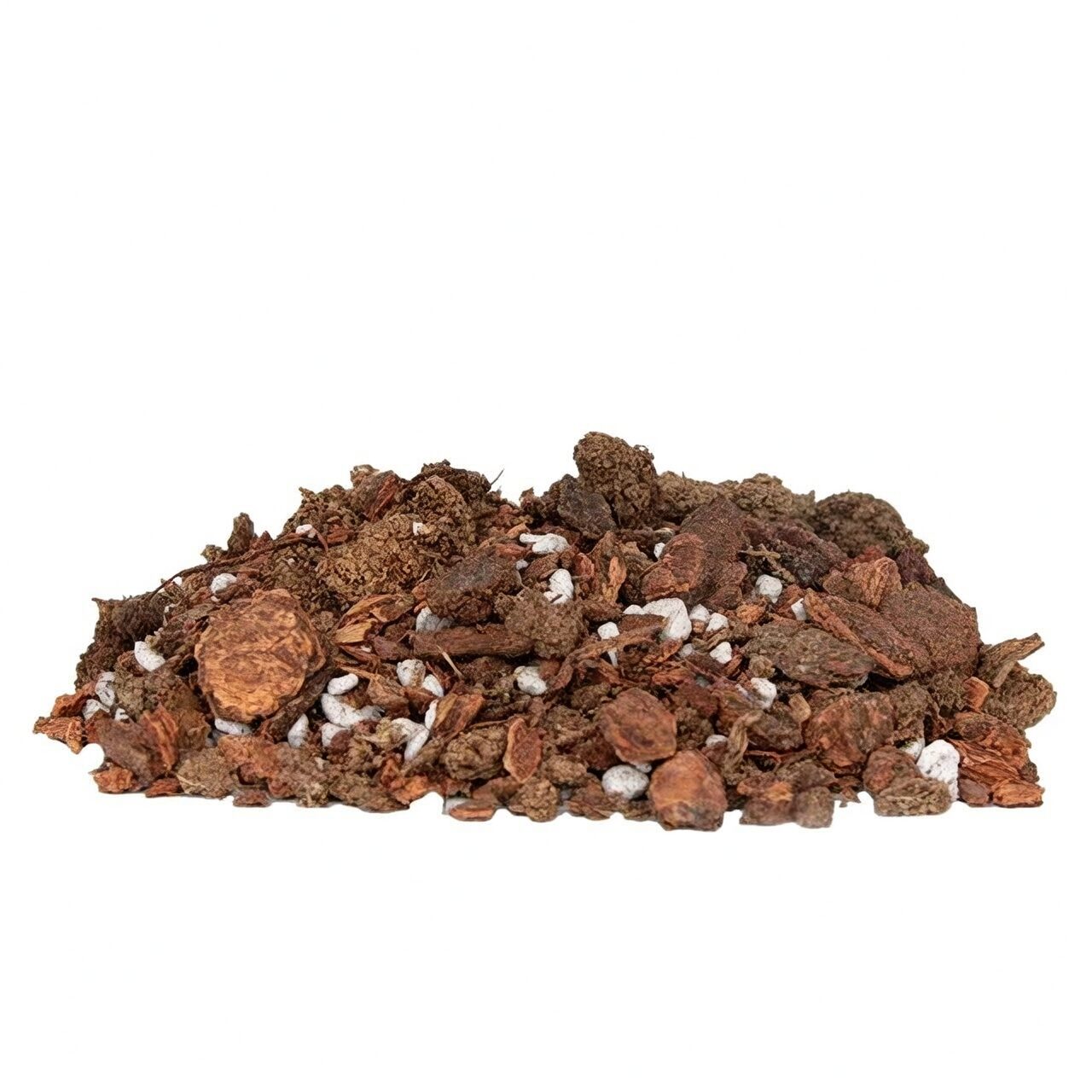
- Mix: A very free-draining orchid medium—bark-based blends with modest sphagnum, plus charcoal, fern fiber, and porous minerals like perlite/zeolite.
- Never use regular potting soil; avoid compacted media.
- Repotting timing: Right after flowering—often around April—when you can refresh mix, remove dead roots, and size up or divide as needed.
Feed for growth—lightly, consistently
Cymbidiums put on growth in spring and summer.
- Active growth: Feed weekly with a dilute orchid fertilizer.
- Bud initiation (late summer into autumn): Continue light feeding; many growers keep it weekly if growth is active, while some reduce toward monthly if growth slows. Keep it gentle, never heavy.
- Flowering and pseudobulb swelling: A dilute liquid feed about once per week can include a light foliar pass—only in bright, breezy conditions so leaves dry.
- Winter: Stop fertilizing or pause whenever growth clearly slows.
Troubleshooting summer stress fast
Leaf scorch
- Symptoms: Bleached patches, crispy tips, hot-leather feel.
- Fix: Increase shade to 50–60%, improve airflow, adopt morning/evening watering, and avoid mid-afternoon sun. Damaged leaf areas won’t heal but new growth should emerge clean.
Fungal flare-ups (anthracnose, black/rust spots)
- Early actions: Improve ventilation immediately; stop wetting the crown; shift misting earlier; remove affected tissue with sterile tools.
- Ongoing: Space plants for airflow; water the medium—keep foliage dry when nights will be calm or humid.
Sap-sucking pests (scale, whiteflies, aphids)
- Signs: Sticky residue, yellow stippling, tiny flitting adults.
- Response: Isolate; treat with horticultural oil or insecticidal soap; repeat to break hatch cycles; maintain airflow to discourage re-infestation.
Shape the plant for future blooms
- After flowering, cut spent spikes to the base.
- Dividing: After bloom (before new roots get large), split clumps into sections with 3–4 pseudobulbs; trim dead roots; repot in fresh medium.
- Late summer clean-up: Remove weak, late-starting shoots that won’t mature—this concentrates energy into strong growths more likely to flower.
Summer-to-autumn handoff (so buds actually form)
- As heat eases, move plants to a brighter, airy position (without harsh midday burn).
- Keep watering around 2×/week; stay on light, steady feeding to support spike initiation.
- Temperature sweet spot: Cool nights are especially helpful for flowering; avoid hot, stuffy rooms.
Quick seasonal snapshot
- Spring: Water ~2×/week; feed weekly; keep humidity and airflow high; enjoy blooms.
- After flowering: Best window for repotting/division and tidying.
- Summer: 50–60% shade; dawn/dusk watering as needed; safe misting plus aggressive ventilation; remove weak late shoots.
- Autumn: Brighter, breezy placement for spikes; light feeding continues as growth dictates.
- Winter: Keep above 10°C (50°F); stop feeding; water lightly every 4–5 days; never soggy.
Safety, symbolism, and a little lore
- Safety: Generally considered non-toxic to people and pets, though chewing may cause mild stomach upset. Keep out of reach of persistent nibblers.
- Symbolism (花语): In East Asian tradition, Cymbidiums symbolize elegance, refinement, and good fortune—traits tied to centuries of cultivation and appreciation by scholars who valued their poised leaves and enduring, fragrant blooms. The “language of flowers” here isn’t a strict canon but a cultural throughline: a graceful plant that signals taste, prosperity, and composure through the cool months when its flowers shine.
Buy smart
- Choose compact to medium plants that fit your light and space.
- For gift or display plants, pick ones with several open flowers rather than mostly tight buds, which can drop after a move.
Two final habits that change everything
- Keep air moving—always. Strong ventilation is the simplest, most effective way to reduce fungal trouble in Cymbidiums.
- Water at sunrise (and again near sunset when heat demands it), under 50–60% shade, with safe misting—and your Cymbidiums will cruise through summer and reward you in winter to spring with those long, waxy, fragrant sprays.