

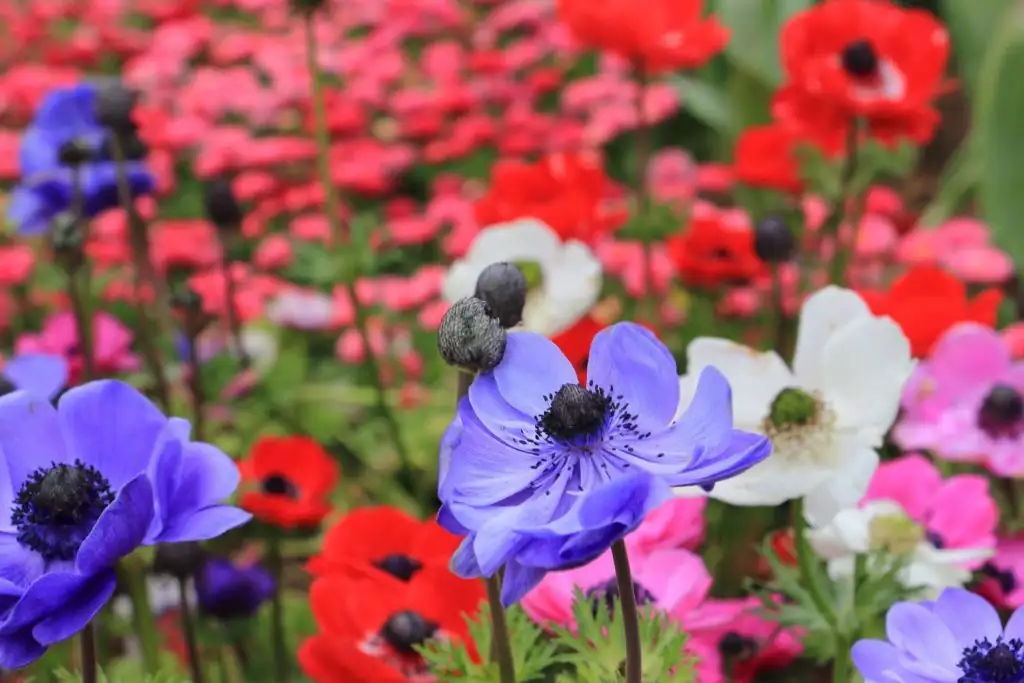
If you garden where summers bake, winters soak, or humidity lingers, Poppy Anemone (Anemone coronaria) can still be a star—if you play it smart. Think cool, bright mornings; quick drainage; moving pots like chess pieces; and a watering rhythm that fuels growth without drowning the tubers. Here’s your action plan for strong stems, vivid blooms, and zero rot drama.
Meet the plant you’re coaching
- Identity: Anemone coronaria, also called Crown Anemone or Windflower; a tuberous perennial from the Mediterranean.
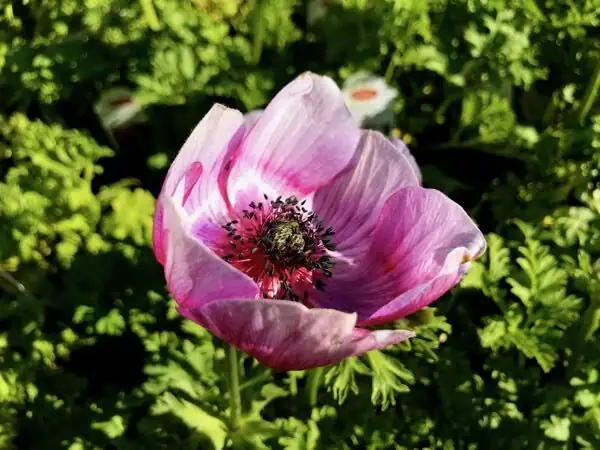
- Habit: Cool-season grower with elegant, fine-cut foliage and large poppy-like flowers. Long-stemmed and double-flowered cultivars are excellent in pots and as cut flowers.
- Quirk: Tubers rest (go dormant) in hot summer weather and may also pause during unfavorable winter cold—then return when conditions are mild and bright again.
- Best use: Spring sparkle in beds, borders, rock gardens, lawn edges, and containers.
Light that builds strength (and how to “turn down” heat)
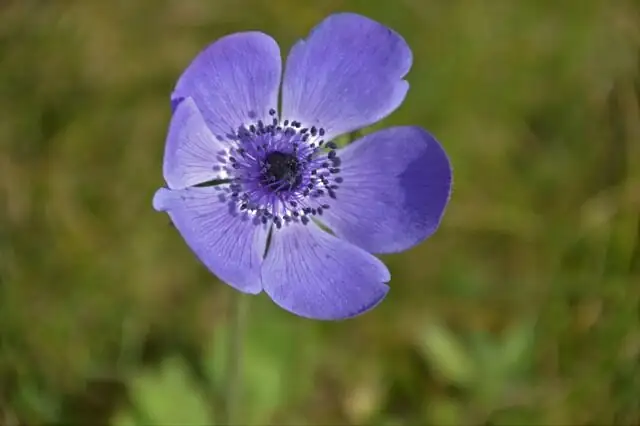
Full sun is best for sturdy growth and strong flowering—until heat hits. In hot periods, give about 50–60% shade and good airflow to keep foliage cool and disease at bay.
- In mild, bright conditions:
- Aim for full sun or very bright light. Too little light causes stretched, weak stems and fewer flowers.
- In heat or intense sun:
- Deploy 50–60% shade cloth or site where plants receive morning sun and filtered afternoon light (east-facing is gold).
- Use temporary solutions: patio umbrellas, pergola slats, or the dapple of a high, open tree canopy.
- Indoors:
- Place on a bright east- or south-facing windowsill/balcony with fresh air.
Airflow management that outsmarts disease
Gray mold (Botrytis), rust, and Sclerotinia thrive in still, humid air. Build a gentle breeze into your setup.
- Spacing and staging
- Space plants so foliage dries quickly after dew or light misting—avoid crowding.
- Raise containers 30–45 cm off the ground on benches or pot feet to reduce splash and humidity around leaves.
- Direction and movement
- Align beds or benches to catch prevailing breezes without creating wind tunnels.
- In protected spaces, use a small fan on a low setting to keep air moving.
- Watering hygiene
- Water the mix, not the blooms. Morning watering helps foliage dry fast.
- Mist foliage only when the air is very dry, and never spray open flowers.
Soil and containers engineered for quick drainage
Free-draining, fertile media are nonnegotiable. Think “airy sponge,” not “soup.”
- Potting mix recipe (for most climates)
- 1 part leaf mold/compost
- 1 part rich garden loam
- 1 part coarse sand or grit
- Optional: add perlite or pumice to boost drainage, especially in humid or rainy regions.
- Containers and planting
- Use 12–15 cm (4.7–5.9 in) pots; plant 3 tubers per pot for a full look.
- Planting depth: about 1.5 cm (0.6 in) in pots; 5–7 cm (2.0–2.8 in) in the ground.
- Top-dress with a thin gravel/grit mulch to prevent splash and speed surface drying.
- Beds and borders
- Choose sunny, well-drained sites; amend heavy soils with coarse sand/grit and compost.
- Raised beds and bulb baskets enhance drainage and make lifting easy.
Container mobility: your climate hack
Roll, slide, and shelter as weather swings.
- Put pots on caddies so you can:
- Chase morning sun and dodge harsh afternoon heat.
- Slide under cover before multi-day rain that encourages rot.
- Park near a bright, breezy doorway or balcony for airflow.
- On stormy or cold snaps:
- Tuck containers beneath a porch roof or clear rain cover that still allows light and ventilation.
Watering rhythms that prevent rot yet power growth
Anemone coronaria wants even moisture in active growth but resents soggy conditions—especially when cool. Time and tune your watering to the plant’s stages.
- Stage 0: Right after potting dry tubers
- Water lightly once to settle the mix. Then keep barely moist. Early overwatering is a top cause of failed sprouting and rot.
- Stage 1: Sprouting and leaf-out
- Water when the surface dries slightly. You’re aiming for consistent, modest moisture.
- Stage 2: Stem extension and flowering
- Keep evenly moist, never waterlogged. Check every 1–2 days in bright, breezy weather; every 2–4 days in cool, cloudy spells.
- Stage 3: Post-bloom wind-down
- Gradually reduce watering as foliage yellows.
- Stage 4: Dormancy (summer heat or winter cold)
- Keep on the dry side, especially in cool conditions. Never leave pots wet and cold—cold + wet invites tuber rot.
Smart watering habits:
- Water early in the day; avoid wetting open flowers.
- Lift saucers after 10–15 minutes so pots don’t sit in runoff.
- In rainy spells for in-ground plants, prioritize drainage—add runoff channels and avoid standing water.
Feeding for flowers now and tubers later
- During active growth:
- Feed monthly with a dilute, well-rotted organic liquid fertilizer (compost- or oilcake-based).
- At first buds/flowers:
- Give one extra boost higher in phosphorus and potassium to support flowering and tuber development (e.g., a bloom formula around 15-15-30).
Winter-wet avoidance by climate type
Winter survival hinges more on drainage than absolute cold.
- Cold and wet winters
- Grow in containers or very well-drained raised beds.
- Keep potted soil on the dry side; never soggy.
- Consider rain shelters (clear covers with ventilation) to exclude long soaks.
- After foliage dies back around June, lift tubers, dry, and store in dry sand in a cool, shaded, ventilated place.
- Mild or Mediterranean-like winters
- Plant in sharply drained soil; protect from persistent winter wet.
- Summer dormancy is normal—keep dryish and shaded (50–60%) in heat.
Planting, repotting, and timing cheatsheet
- Pot size and count: 12–15 cm pots; 3 tubers per pot.
- Depth: 1.5 cm in pots; 5–7 cm in the ground.
- Pre-plant prep: Before planting (early autumn is common), pre-soak tubers in moist sand or water to rehydrate for more even sprouting.
- Indoors vs outdoors:
- Indoors: bright east- or south-facing window/balcony; fresh air is key.
- Outdoors: sunny, well-lit, well-drained beds and courtyards.
- Buying guide:
- Potted plants: choose sturdy specimens no taller than 40 cm (16 in) with thick flower stems, many buds, some flowers already open, vivid color, and deep green leaves.
- Tubers: pick firm, plump, fresh tubers at least 6 cm (2.4 in) in circumference.
Pest and disease defense that starts with air and water
- Usual suspects: rust, gray mold (Botrytis), Sclerotinia; aphids on flowering stems.
- Prevention first:
- Strong airflow, morning sun, and careful watering (soil, not blooms).
- Sanitation: remove spent flowers promptly if not saving seed.
- Interventions:
- Many growers disinfect tubers before planting using a labeled fungicide soak (often around 1:1000 when specified).
- If disease appears, use a suitable broad-spectrum fungicide as labeled.
- Manage aphids via rinsing, beneficial insects, or a labeled insecticide such as imidacloprid where appropriate.
- Safety note: Potentially irritating/toxic if eaten; sap can irritate skin in sensitive people. Keep away from pets and children, and wear gloves if needed.
Cut flowers and display tips
- Harvest when buds are colored and just cracking, for longer vase life.
- Avoid wetting open flowers to keep petals pristine.
- Display cool and bright, out of direct sun and heat.
Flower language and lore
Nicknamed “windflower,” these blooms seem to arrive with spring breezes—so they’ve long symbolized anticipation and a gentle kind of protection. The association likely arose because the plants wake quickly with the season’s first mild spells, then close or rest when weather swings back. In short: a promise that fair days are near, but a reminder to handle beauty with care.
Quick troubleshooting
- Stems are long and floppy: light is too low; move to brighter sun or reduce shade.
- Buds abort in warm spells: provide 50–60% shade, increase airflow, water in the morning to keep roots evenly moist.
- Leaves spot or gray fuzz appears: stagnant, humid air; improve ventilation, avoid evening watering, and remove affected tissue.
- Newly potted tubers won’t sprout: early overwatering is common. Let the surface dry slightly between light sips until growth starts.
- Potting mix stays wet too long: add more coarse sand/grit/perlite, switch to a more breathable container, and raise pots on feet.
A simple action calendar for a cool-season show
- Early autumn
- Pre-soak tubers; pot into a free-draining mix.
- Water lightly once; then keep barely moist until sprouts show.
- Autumn to early spring (active growth)
- Bright light; excellent airflow.
- Water when the surface dries slightly; keep evenly moist at stem extension and flowering.
- Monthly dilute organic feed; add one bloom-boost (higher P & K) at first buds.
- Spring (peak flowering)
- Maintain even moisture and good air.
- Deadhead spent flowers if not saving seed.
- June
- After foliage dies back, lift and store tubers dry if summers are hot/wet or winters are cold/wet.
- Seeds ripen now; sow fresh in fine media, cover lightly, and germinate at 15–20°C (3–6 weeks; seedlings need stable, cool conditions and usually take 2–3 years to flower).
- Summer heat
- Expect dormancy. Provide about 50–60% shade and keep drainage excellent; keep stored tubers dry and cool.
With shade you can dial up or down, air that never stands still, soil that drains in a heartbeat, and watering that follows the plant’s rhythm, Poppy Anemones reward you with a crisp, colorful show—even when the weather is anything but cooperative.