

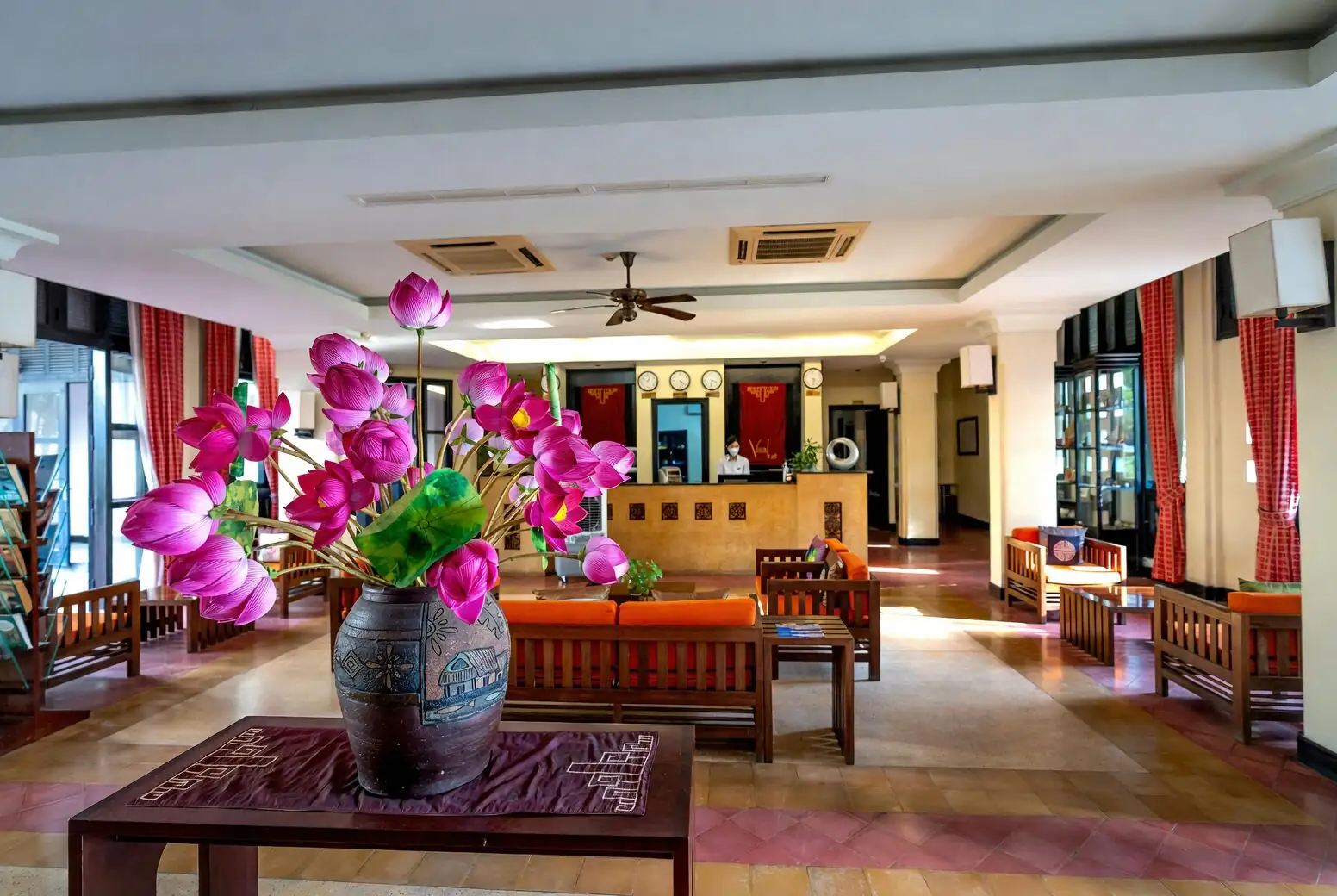
Step into a hotel lobby in the tropics or a sleek city apartment and you’ll often spot a glossy, heart-shaped “bloom” holding court by the front desk or on a coffee table. That’s Anthurium andraeanum—the Flamingo Flower—radiating its signature message without saying a word: welcome in, stay awhile, and feel the warmth.
How a Shape Became a Language: Heart, Hand, and Candle
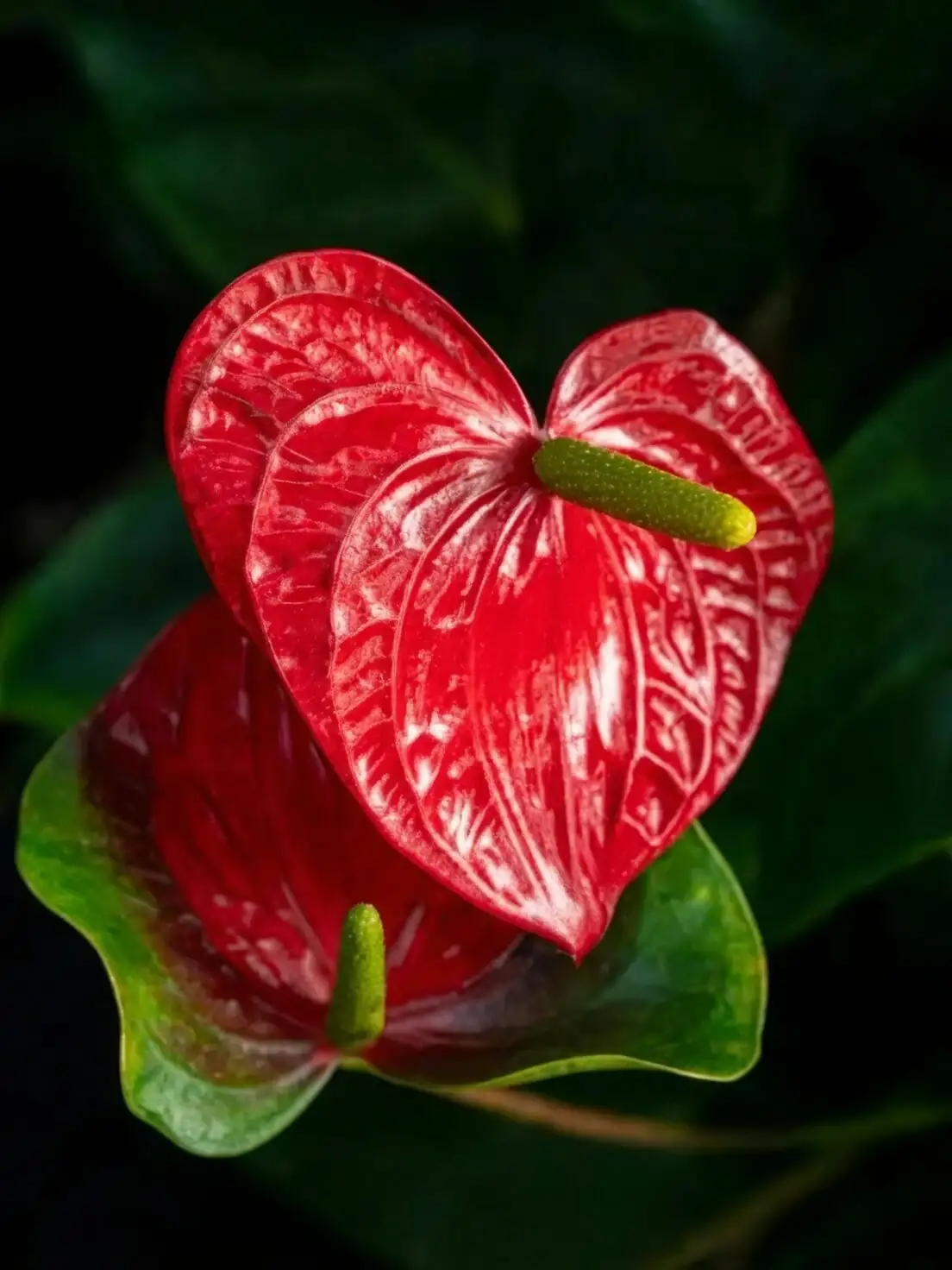
The heart-shaped spathe: love that lasts
What we read as a flower is actually a waxy, brilliantly colored spathe (a modified leaf) wrapped around a finger-like spadix. The spathe’s heart-like silhouette practically writes its own floriography:
- Love and devotion: The shape suggests romance and affection at a glance.
- Enduring love: Each spathe stays showy for weeks, so florists and gift-givers came to treat it as a promise of constancy—love that doesn’t fade overnight.
The open “hand” (红掌): hospitality and enthusiasm
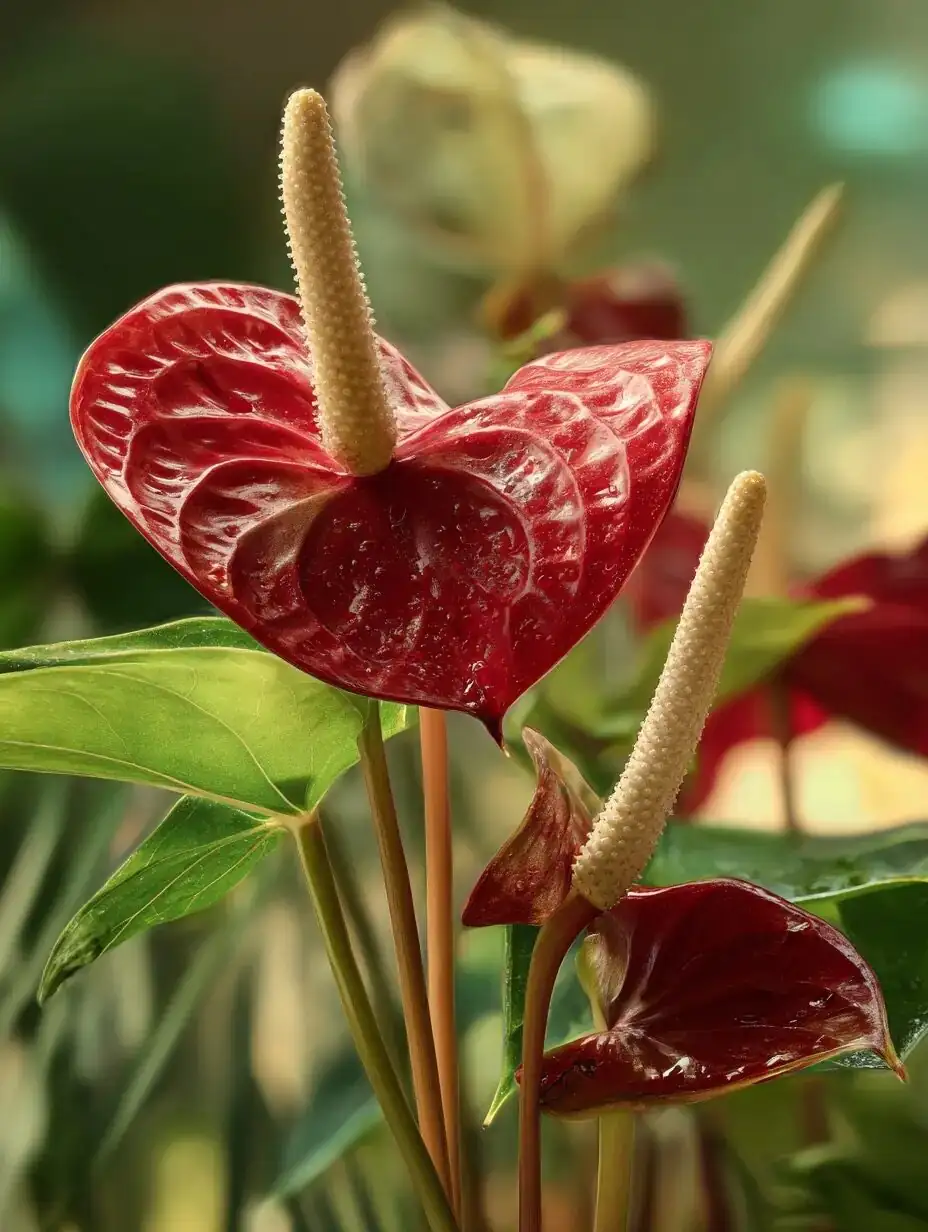
Across much of East Asia, Anthurium is popularly known as 红掌 (hóng zhǎng, “red palm”). The nickname springs from how the spathe reads like an open hand—an unmistakable gesture of welcome.
- Hospitality: The “open palm” becomes an invitation, making anthuriums near-universal in hotel lobbies, reception desks, and entryways.
- Enthusiasm: The vivid, lacquered red of common cultivars conveys energy and upbeat spirit—like an outstretched hand offered with a smile.

花烛 (“flower candle”): celebration and commitment
Another Chinese name, 花烛 (huāzhú, “flower candle”), nods to the upright spadix—suggestive of a ceremonial candle. Culturally, the image of a festive candle feeds meanings of joyous occasions, pledges, and enduring partnership:
- Ceremonial joy: A perfect fit for weddings, anniversaries, and housewarmings.
- Steadfast flame: The long-lasting spathe pairs with the “candle” image to symbolize steady devotion.
In short, the Anthurium’s flower language grows straight from its form: a heart for love, a hand for welcome, a candle for celebration—layered atop the plant’s remarkable staying power.
From Rainforest to Front Desk: A Cultural Journey
- Origins: Native to Colombia and Ecuador in tropical South America, Anthurium andraeanum traveled the world as a houseplant and, eventually, as one of the most important tropical cut flowers. Its durability and near year-round indoor reblooming sealed its reputation.
- Hawaii and the Pacific: Once introduced to Hawaii, anthuriums flourished in warm, humid conditions and took off in the regional floral trade—appearing in hotels, leis-inspired arrangements, and travel posters that shaped the global “tropical welcome.”
- Asia: In China and neighboring regions, the “red palm” became a go-to for business openings, festivals, and grand hotel displays. The auspicious red color plus the welcoming hand give it an instant celebratory tone.
- Europe and the Americas: Designers embraced its sculptural presence. The plant’s modernist lines—sometimes called “Painter’s Palette”—made it a favorite for sleek interiors, wedding centerpieces, and housewarming gifts.
Everywhere it went, the same visual cues kept echoing: anthuriums look like a welcome, they last like a promise, and they color a room with joy.
Color and Form: What People Read in the Bloom
While meanings vary by culture, a few themes recur:
- Red: Passion, romantic love, enthusiasm, and bold welcome.
- Pink: Warmth, tenderness, and heartfelt congratulations.
- White: Peace, sincerity, and a calm, gracious welcome.
- Burgundy/green/bicolors: Sophistication, stability, and creative flair.
The “flower” that’s not a flower—a heart-shaped spathe around a spadix of tiny true flowers—adds a layer of intrigue and modernity to all of these readings.
Modern Decor and Feng Shui: Where to Place the Welcome
Anthurium andraeanum is a design chameleon: tropical enough to energize a room, refined enough for minimal spaces.
- Entryway or reception: Frame your welcome. A plant near the door sets a hospitable tone, echoing that open “hand.”
- Living room focal point: One dramatic plant in a clean-lined pot becomes instant sculpture.
- Bright bathroom: Its love of humidity pairs beautifully with filtered light from a window.
Feng shui perspectives (for those who enjoy them):
- Love and relationships: Place a pair of red or pink anthuriums in the southwest area of a room to underscore partnership and affection.
- Fame and reputation (Fire element): A bold red cultivar in the south sector can energize visibility and enthusiasm.
- Entry chi: Near the front door, the “open palm” vibe greets and uplifts incoming energy.
Note: Whether or not you follow feng shui, the visual psychology holds—color, shine, and form can shift a room’s mood.
Gifting Traditions and When to Choose Anthurium
- Housewarmings and hospitality: A natural “thank you” or “welcome to your new home.”
- Romance and anniversaries: The heart-shaped spathes and long-lasting display make an elegant, modern alternative to classic roses.
- Weddings and celebrations: As cut flowers, anthuriums are famously long-lived in arrangements—perfect for receptions, vow renewals, and milestone birthdays.
- Corporate congratulations: A polished, professional statement plant for offices and lobbies that telegraphs confidence, warmth, and good taste.
Tip: Red for passion or lively congratulations; pink for tender joys; white for serene elegance.
Quick Botanical Sidebar: What Makes Anthurium Endure
- Identity: Anthurium andraeanum (Flamingo Flower; also Laceleaf, Painter’s Palette, Tailflower) in the Araceae family.
- Form: Glossy, deep green leaves; a colorful spathe in red, pink, white, burgundy, green, or bicolors; and a finger-like spadix in complementary hues.
- Staying power: Each spathe remains beautiful for weeks, and indoors the plant can rebloom on and off almost year-round with warmth, humidity, and bright filtered light.
- Ideal conditions indoors:
- Light: Bright, indirect light (avoid harsh midday sun).
- Warmth: Comfortable room temperatures; keep it above 15°C/59°F.
- Humidity: Prefers moderate to high humidity; good airflow helps keep foliage pristine.
- Potting mix: A chunky, well-drained aroid mix—think bark plus perlite and coco coir/peat—to keep roots airy.
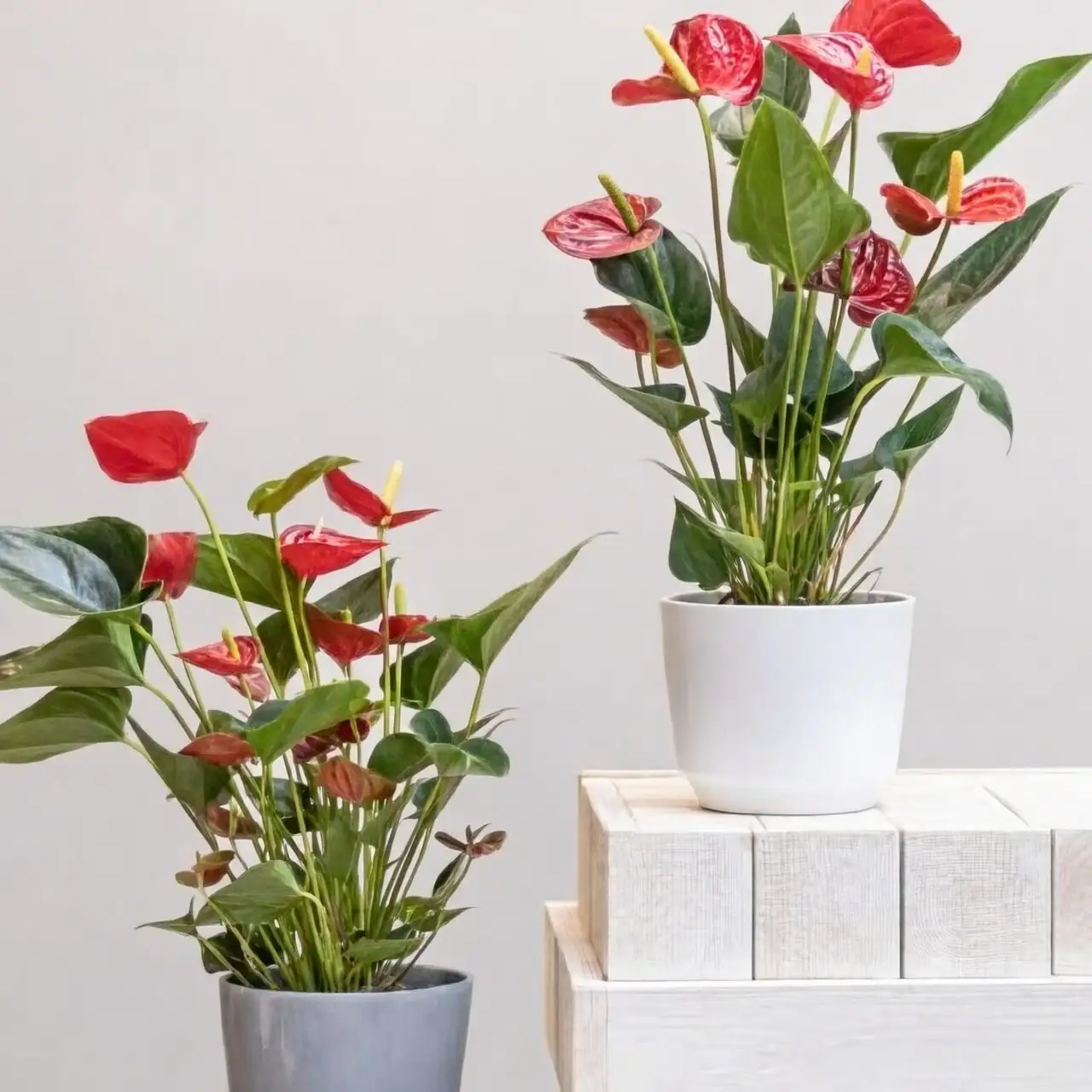
- Size: Commonly 30–60 cm tall and wide in pots, with compact, tidy forms perfect for tabletops or floor stands.
Safety note: Like many aroids, it’s toxic if chewed (insoluble calcium oxalates) and sap may irritate skin—keep away from pets and children.
Why Hotels Love It (and You Will Too)
- Instant welcome: The open-hand look and confident color say “come in” from across the room.
- Professional polish: Sleek lines suit contemporary and classic interiors alike.
- Low drama, high payoff: With steady warmth, bright filtered light, and a well-drained mix, it’s easy to keep looking showroom-fresh.
- Cut-flower champion: Its spathes last and last—one reason it’s a global staple in the floral trade.
Styling Ideas That Amplify the Message
- Solo statement: One red anthurium in a matte white or charcoal pot becomes living art.
- Tropical modern: Pair with monstera or philodendron foliage in arrangements to contrast textures and scale.
- Soft romance: Pink or white cultivars with airy grasses for weddings or baby showers—serene, joyful, and enduring.
The Deeper Takeaway: A Welcome That Endures
Anthurium’s flower language didn’t arrive by decree; it grew organically from what we see and feel. A heart-shaped spathe that promises love. An outstretched “red palm” that beckons you closer. A candle-like spadix that hints at vows and celebration. And underneath it all, a plant that holds its beauty for weeks and returns with new color again and again.
That’s why you encounter Anthurium andraeanum in hotel lobbies, at celebrations, and on gift lists worldwide. It’s not just decor—it’s a graceful message: welcome with enthusiasm, love with staying power, and celebrate the moments that keep glowing.