

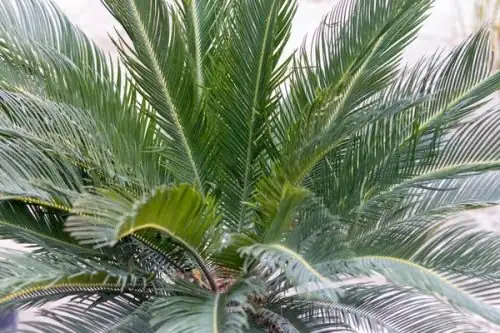
Think of Cycas revoluta—the so‑called “Sago Palm”—as a living time capsule that occasionally throws a surprise party. One day its crown is all disciplined, glossy fronds; the next, it’s pushing up a monumental cone or a shaggy, golden “nest.” That’s your cue: the plant is switching from leaf-making to reproduction mode. If you’ve ever wondered how to tell male from female, what sets off this coning event, why it almost never leads to seed indoors, and what collectors do when both sexes cone at once, this is your all‑in‑one field guide.
Meet the plant behind the cones
- Not a palm at all, but a cycad—an ancient, slow-growing lineage that predates flowering plants.
- Native to southern Japan (Ryukyu Islands) and widely cultivated in warm climates and bright rooms.
- Forms a stout, textured trunk with a symmetrical rosette of stiff, needle-tipped, dark green fronds.
- Highly toxic—especially the seeds. Handle with care and keep away from pets and kids.
Cones 101: Two sexes, two very different structures
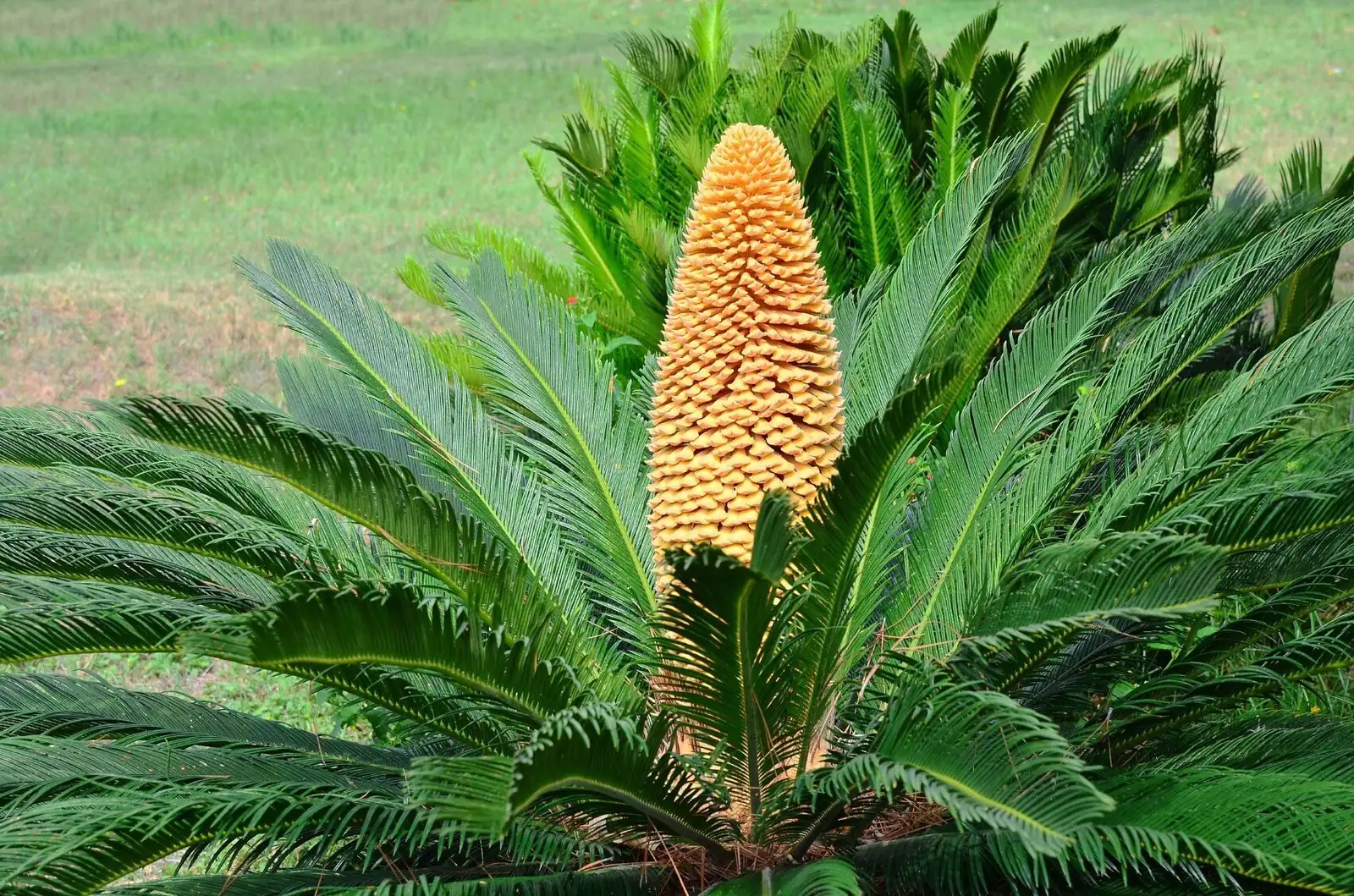
Cycads are dioecious—each individual is either male or female. You usually can’t tell which until the plant “cones,” typically in late spring to summer on mature, well-grown specimens (particularly outdoors).
Male plant: the cone you can’t miss
- Structure: A single, upright, elongated cone (strobilus) that looks like a sculpted, golden-brown pinecone.
- Texture and color: Firm, scaly, often warm tan to ochre; can be imposing on older plants.
- Function: Produces clouds of pollen. In warm spells the cone may heat slightly and release a musky scent—classic cycad theatrics to attract tiny pollinators in nature.
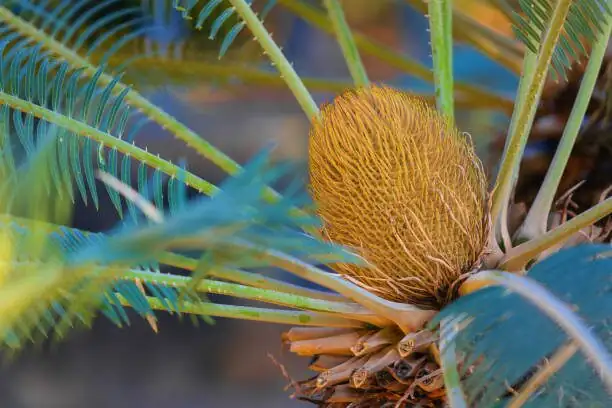
Female plant: not a cone in the usual sense
- Structure: A woolly, shaggy mass of golden-brown fibers that opens into a rosette of leaf‑like megasporophylls.
- Look for: A “nesting” appearance rather than a rigid cone; later, you’ll see developing seeds nestled among the bracts.
- Function: Receives pollen; after successful pollination, seeds swell over many months, often changing from green to orange‑red as they ripen.
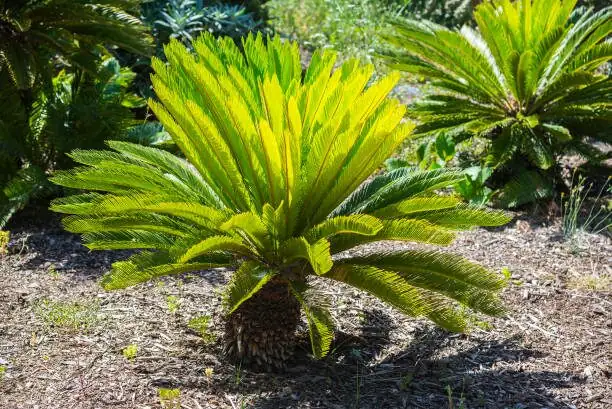
Quick visual memory trick:
- Tall, sculpted, tidy = male.
- Low, shaggy, nest-like = female.
What triggers a Sago to cone?
Coning is a significant energy decision. Several cues tend to align before a plant commits:
- Maturity and reserves: Only older, well-grown plants cone. A season or two of strong light and healthy, dark green fronds indicates the “bank account” is full.
- Seasonality: Most coning happens from late spring through summer. Warmth plus increasing daylength is a common trigger.
- Bright light: Strong light (outdoors or near a bright window with filtered midday sun) fuels the carbohydrates a plant needs to switch from leaves to reproductive structures.
- Temperature stability in the right range: 13–24°C (55–75°F) is the sweet spot; frosty dips or hot, dry blasts can derail plans.
- Rhythm after a dry rest: A slightly drier, cooler winter rest followed by a warm-up can cue coning in landscapes that mimic native seasonality.
Pro tip: Males often cone more frequently than females across cycads. Don’t be surprised if a nearby male “shows off” more often.
Why indoor reproduction is rare
You’ll see fronds indoors; cones are another story, and viable seeds rarer still.
- Light is rarely intense enough, long enough. Even bright rooms can be “shade” to a sun-trained cycad.
- Plants inside mature more slowly; many never reach the energy surplus needed to cone.
- Seasonality is flattened. Without outdoor swings, the plant gets fewer cues to switch modes.
- Pollinators aren’t present. Many cycads rely on tiny, specialized insects; a sealed room won’t host them.
- Synchrony is unlikely. You need a male and female coning within the same window—a rare coincidence indoors.
When both sexes cone nearby: what enthusiasts do
Outdoors in warm regions, natural pollination may occur via insects and a little wind. Research on C. revoluta indicates that insects do much of the work, with wind playing a supporting role. Indoors or in collections where you want to ensure success, hobbyists hand-pollinate.
Step 1: Collect pollen from the male
- Watch for shedding: A ripe male cone dusts easily when tapped.
- Dry and store: Stand the cone in a paper bag for a day or two to collect pollen, then sieve out debris. For later use, many growers refrigerate or freeze pollen in airtight containers with a desiccant pack.
Step 2: Wait for the female to become receptive
- Signs: The woolly mass loosens; bracts part slightly; the cone feels airy and may emit a faint odor in warm weather.
- Timing: The receptive window is brief—typically several days. Check daily.
Step 3: Apply pollen—dry and targeted
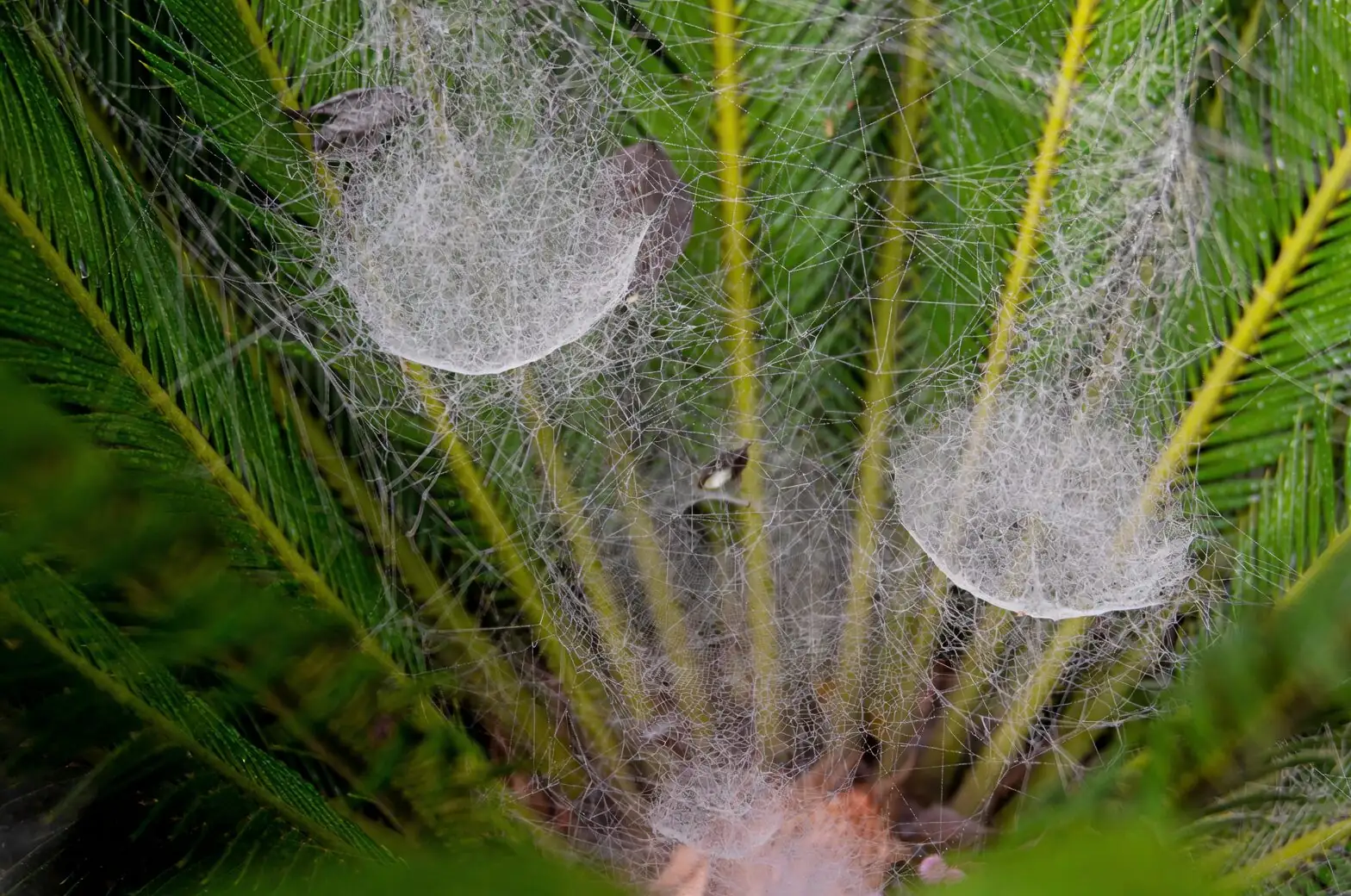
Because cycads are prone to crown rot if water collects in the center, use a dry method for Cycas revoluta:
- Use a soft blower, rubber bulb syringe, or a fine brush to puff or dust pollen deep into the loosening female rosette.
- Repeat light applications daily for 2–3 days while the female is open.
- Keep the crown dry—avoid soaking or pouring liquids into the plant’s center.
Safety first:
- Wear gloves and a dust mask if you’re sensitive—pollen can irritate, and all parts of the plant are toxic.
Step 4: Aftercare and patience
- Resume normal, careful watering—never into the crown.
- Keep light bright with protection from harsh midday sun.
- Seeds, if set, will swell over many months, often ripening into autumn or winter.
Cone-to-seed: the slow-motion show
- Post-pollination: The female rosette gradually closes as seeds develop.
- Maturation: Seeds take months to ripen; color often shifts from green to orange‑red when ready.
- Harvest and handling: Use gloves. Seeds are highly poisonous—especially to pets. Do not let them fall where dogs or children can reach them.
- Germination note: Seed propagation is possible but very slow and usually impractical indoors. For most home growers, removing and rooting basal offsets (“pups”) is the more sensible path.
Care that supports coning (and long-term health)
- Light: Bright light with filtered midday sun; indoors, the brightest window you have.
- Temperature: 13–24°C (55–75°F); protect from frost and cold drafts.
- Soil: Fast-draining is non-negotiable—use a gritty, free-draining mix.
- Watering: Spring–autumn, water when the top of the mix has dried slightly; in winter, keep it almost dry. Never pour water into the central crown.
- Feeding: Monthly, half-strength, balanced liquid fertilizer in the growing season. Easy does it—cycads don’t want heavy feeding.
- Pruning: Only remove fully brown, dead fronds.
- Repotting: Every ~3 years, minimal root disturbance, and only up one pot size—often 20–30 cm (8–12 in) diameter suits typical container plants.
- Watchouts: Scale, mealybugs, and spider mites indoors; overwatering is the biggest killer.
A few collector’s notes
- Sexing before cones: There’s no reliable way—wait until your plant declares itself by coning.
- Synchronizing coning: You can’t force it, but strong light, a sensible winter rest, and excellent drainage set the stage.
- Pollen sharing: Enthusiasts sometimes swap stored pollen when their plants don’t line up. If you do, focus on legally obtained material and clean handling.
- Ethics and safety: Many cycads are rare in the wild; C. revoluta is widely cultivated, but treat all material responsibly. Remember the extreme toxicity of seeds.
In short: Cycas revoluta isn’t just a handsome, prehistoric rosette—it’s a masterclass in patient, purposeful reproduction. Learn to read the cones, give the plant the light and seasonal rhythm it craves, and you may someday witness the entire arc from shaggy rosette to ripened seed. Even if you never see that finale indoors, the journey—new fronds unfurling like clockwork from the crown—still feels like a small, ancient miracle.