Safeguarding Your Olive Tree: A Practical Guide to Pest Management
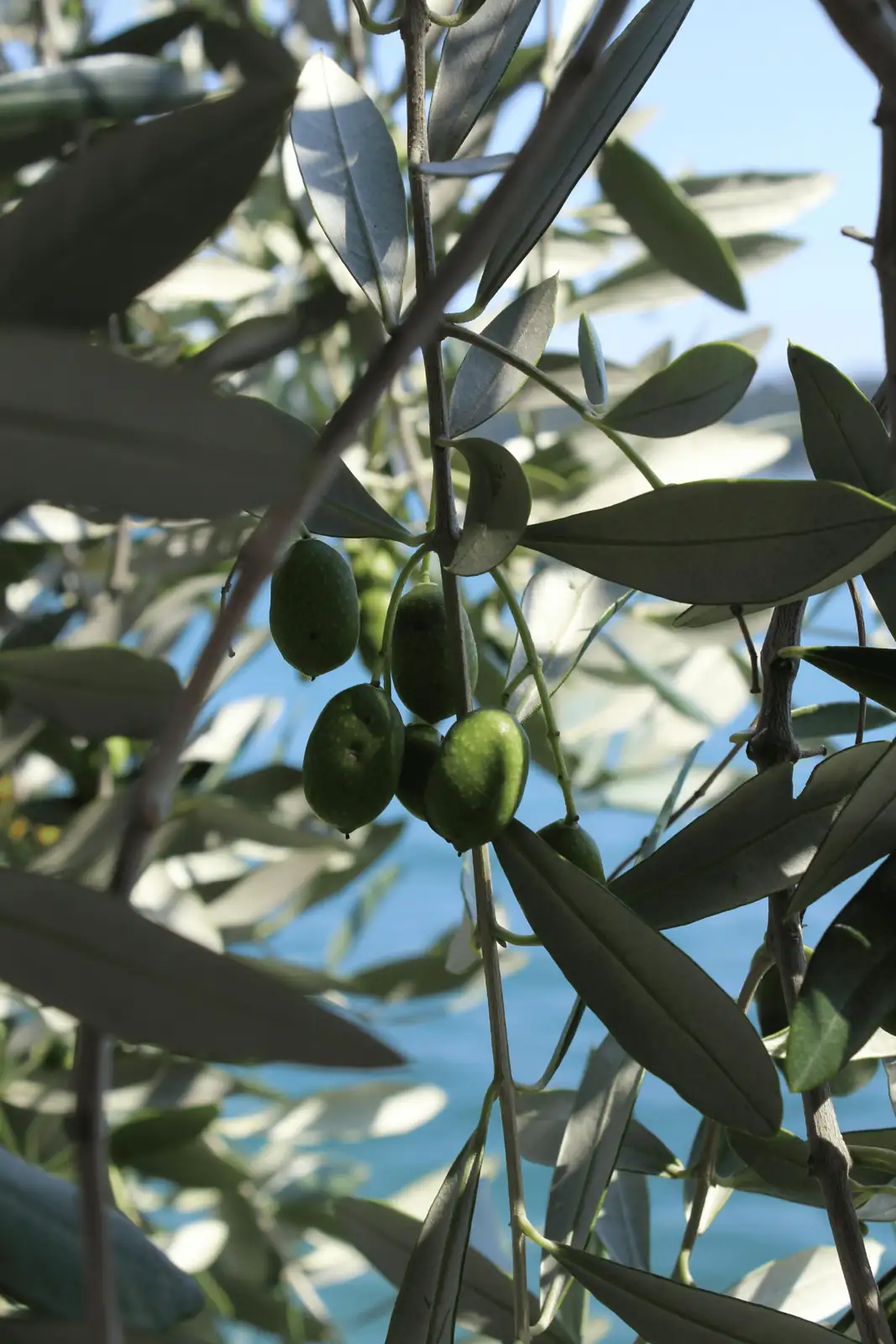
The olive tree, Olea europaea, is a symbol of peace and prosperity, revered through the ages for its silvery foliage and the precious fruit it bears. But even these resilient Mediterranean icons face challenges from the natural world in the form of pests. To keep your olive tree thriving and its fruit bountiful, understanding and managing these pests is crucial. Let’s dive into the world of olive tree pests and discover how to protect your leafy companion with savvy strategies and a bit of horticultural know-how.
Meet the Usual Suspects: Common Olive Tree Pests
Olive trees, much like any treasured heirloom, need protection from a host of pesky invaders. Here are a few culprits that could disrupt the peace in your olive grove:
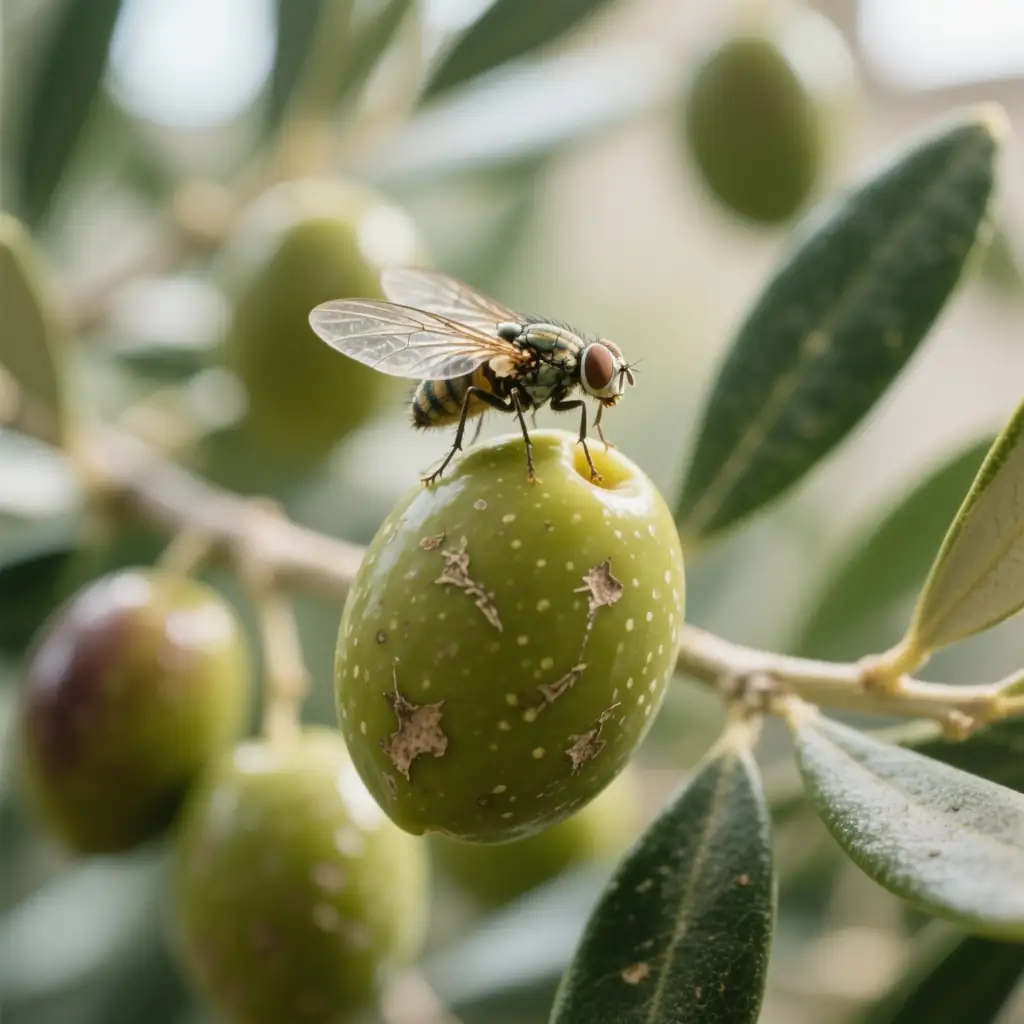
Olive Fruit Fly (Bactrocera oleae)
Think of this pest as the uninvited guest who overstays their welcome. The olive fruit fly lays its eggs inside the developing fruit, and the larvae feast on the pulp, leaving a trail of destruction. If left unchecked, this can lead to a significant decrease in yield, with the fruit turning shriveled and unfit for consumption.
Olive Moth (Prays oleae)
This moth is a triple threat, attacking the tree at various stages of its lifecycle. The larvae munch on flowers, young shoots, and fruit, impacting both the tree’s beauty and productivity.
Scale Insects
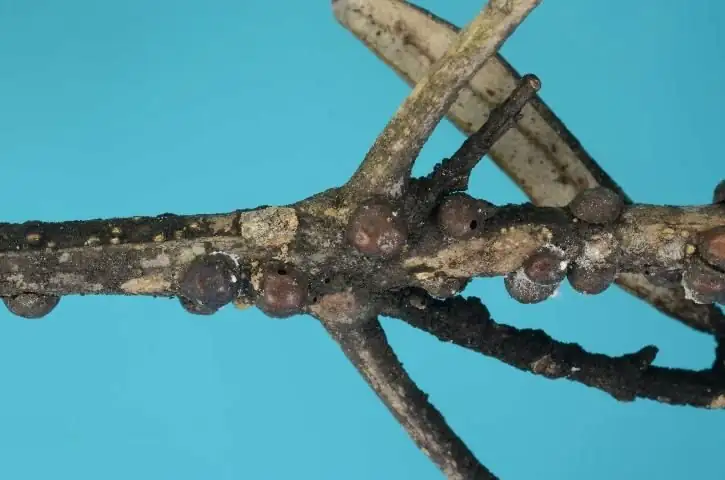
These tiny invaders might be mistaken for harmless specks, but they form clusters that sap the tree’s vitality. Their feeding leads to honeydew production, which invites sooty mold, turning your tree into a sticky, unattractive mess.
Aphids and Psyllids
These small insects may appear insignificant, but they can cause significant damage by sucking sap from leaves and young shoots, leading to deformed foliage and reduced vigor.
Troubleshooting Techniques: Protecting Your Olive Tree
Armed with knowledge about potential threats, it’s time to fortify your olive tree defenses. Here’s how you can ensure your olive tree remains a picture of health:
Prevention is Key
- Healthy Tree Practices: Start with a vigorous tree. A robust olive tree is more resistant to pests. Ensure your tree receives full sun, is planted in well-drained soil, and is appropriately watered and fertilized.
- Regular Inspections: Like checking a loved one’s health, regularly inspect your olive tree for any signs of trouble. Early detection of pests can save your tree from extensive damage. Look for unusual spots, sticky residues, or deformed leaves.
Natural Solutions
- Encourage Natural Predators: Ladybugs, lacewings, and certain wasps are avid consumers of aphids and scales. Cultivate a garden environment that attracts these beneficial insects.
- Neem Oil: This natural insecticide can be effective against many olive tree pests. Apply it as directed to deter pests without harming beneficial insects.
Targeted Treatments
- For Olive Fruit Fly: Employ traps or biological controls like the introduction of parasitoid wasps that target fly larvae.
- For Scales: Prune out heavily infested branches and use horticultural oils to smother the insects.
Cultural Practices
- Pruning: Keep your tree’s canopy open to improve airflow and sunlight penetration, which helps prevent fungal diseases and makes it harder for pests to thrive.
- Sanitation: Clean up fallen leaves and fruits, which can harbor pests and diseases.
The Final Word: A Balanced Approach
Olive trees are a testament to resilience and longevity, and with the right care, yours can thrive for generations. By staying vigilant and proactive about pest management, you can enjoy the fruits of your labor—literally and figuratively.
Remember, your olive tree isn’t just a plant; it’s a piece of living history and a symbol of peace. Protecting it from pests ensures that it remains a thriving part of your landscape, offering beauty and bounty for years to come. Whether it’s the allure of its twisted trunk or the promise of “liquid gold” in the form of olive oil, your olive tree deserves the best care you can provide. Happy gardening!