

Unlocking the Secrets of Phalaenopsis Propagation: A Guide for Beginners and Enthusiasts
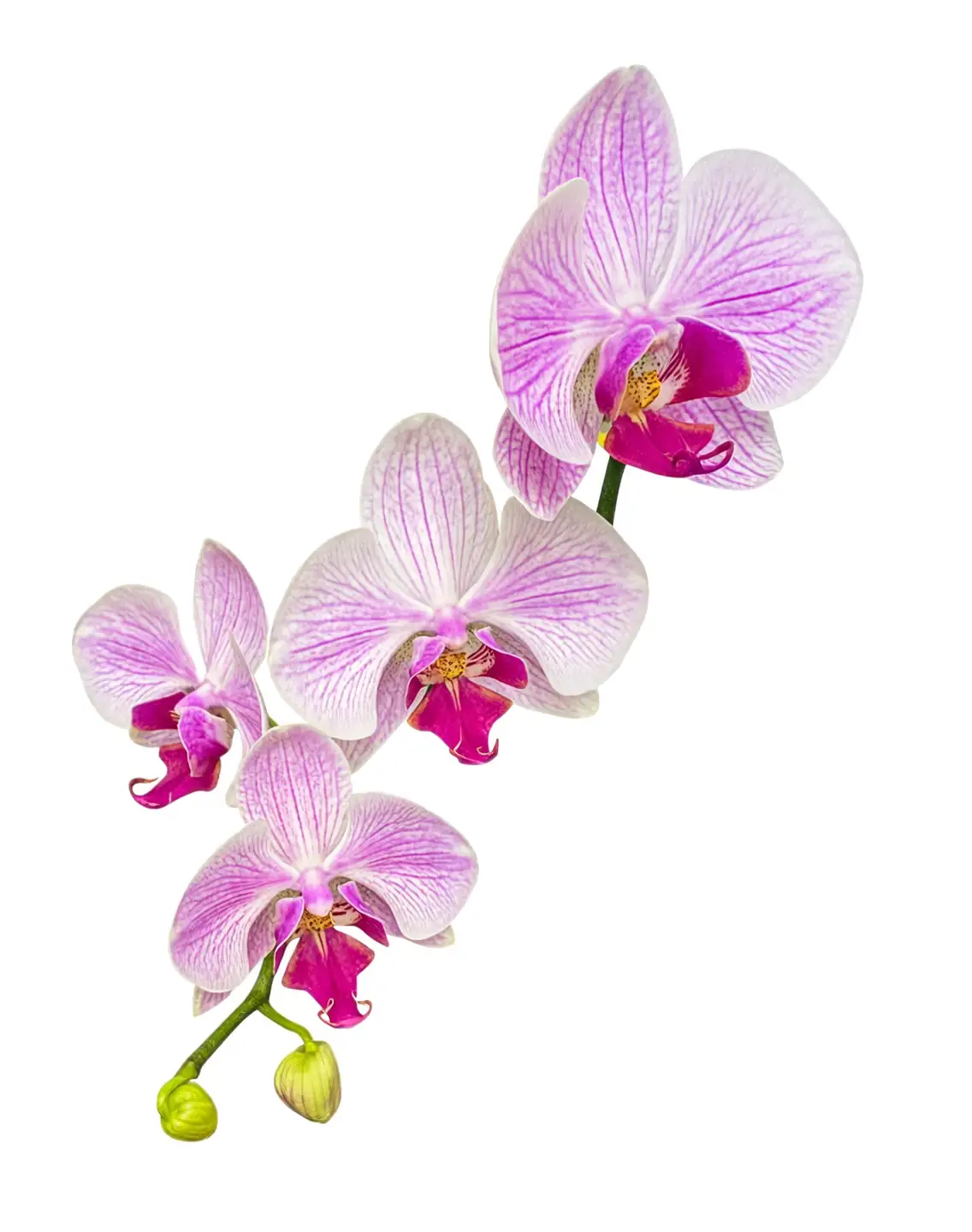
Imagine a home filled with elegant, colorful blooms that last for weeks—sometimes months—on end. That’s the magic of the Moth Orchid, scientifically known as Phalaenopsis spp. With their waxy petals and intricate patterns, these orchids are more than just pretty plants; they’re living masterpieces that can become the centerpiece of any room. But how do you go from one orchid to many? Let’s dive into the world of propagating these enchanting plants.
Understanding the Basics of Phalaenopsis
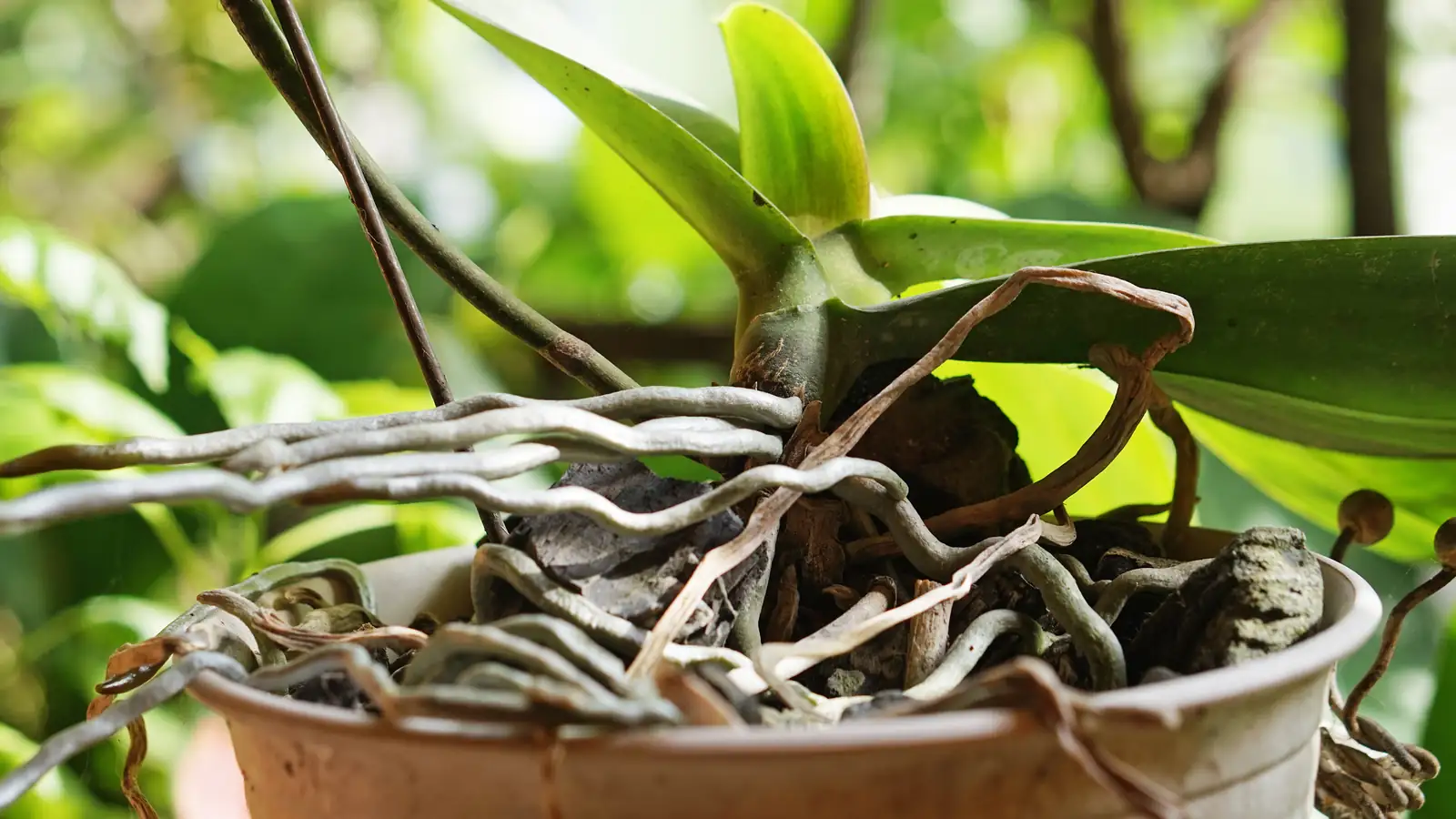
Before we get our hands dirty, let’s take a moment to appreciate the nature of Phalaenopsis orchids. These beauties hail from tropical Asia to northern Australia, thriving as epiphytes—plants that grow on other plants without being parasitic. They’re accustomed to clinging onto trees with their showy aerial roots, which makes them perfectly suited for growing in chunky, airy bark-based media rather than traditional soil.
The Art of Propagation: Various Methods
Keiki Propagation
The term “keiki” might sound exotic, and indeed, it is Hawaiian for “the little one.” Keikis are miniature versions of the parent plant that can spontaneously grow on a Phalaenopsis flower spike. Spotting a keiki is like finding a tiny treasure, complete with its own set of leaves and roots. Here’s how to nurture this gift from Mother Nature:
- Identify the Keiki: Look for tiny leaves and roots sprouting from a flower spike.
- Wait for Maturity: Allow the keiki’s roots to grow to at least a couple of inches long.
- Separation: Carefully cut the keiki away from the mother plant using a sterilized knife or shears.
- Potting: Plant the keiki in a small pot filled with fine orchid mix. Mist it regularly to maintain humidity.
- Care: Treat it like a mini version of the parent plant, ensuring it gets bright, indirect light and regular but careful watering.
Keikis are nature’s way of ensuring the species’ survival, and while they are sometimes a sign of a stressed mother plant, they also offer a rewarding propagation method for orchid enthusiasts.
Division
While division is more common among sympodial orchids, experienced growers can occasionally separate large, mature Phalaenopsis by cutting above a node where new roots have formed. However, this method requires precision and care, as Phalaenopsis is typically monopodial, growing upward from a single stem.
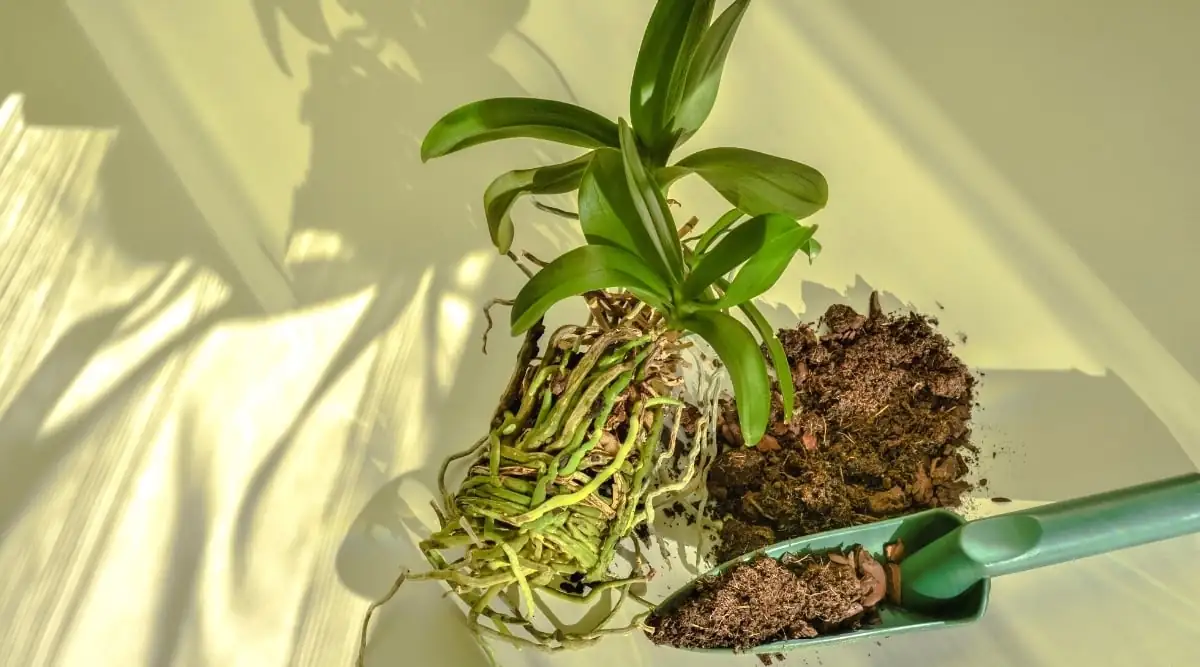
- Preparation: Gently remove the orchid from its pot and inspect the root ball.
- Identification: Look for sections with new roots and leaves.
- Cutting: Use sterilized tools to divide the plant, ensuring each section has healthy roots and foliage.
- Repotting: Place each division into a snug pot with fresh orchid mix, ensuring excellent drainage.
Hormone-Free Propagation
Some growers attempt to use synthetic hormones to encourage keiki growth, but results can be mixed. Instead, focus on maintaining optimal conditions—adequate light, proper temperature, and good airflow—to naturally stimulate propagation.
Essential Care for Propagation Success
Propagation is only half the battle. Ensuring the newly potted orchids thrive requires the right environment:
- Light: Bright but indirect light is crucial. An east-facing window is often ideal.
- Temperature: Maintain a comfortable range of 18–27°C (64–81°F).
- Humidity: Aim for moderate to high humidity levels (40–70%), with gentle airflow to prevent rot.
- Watering: Water thoroughly, allowing the medium to dry slightly between waterings to avoid root rot.
The Symbolism of Orchids
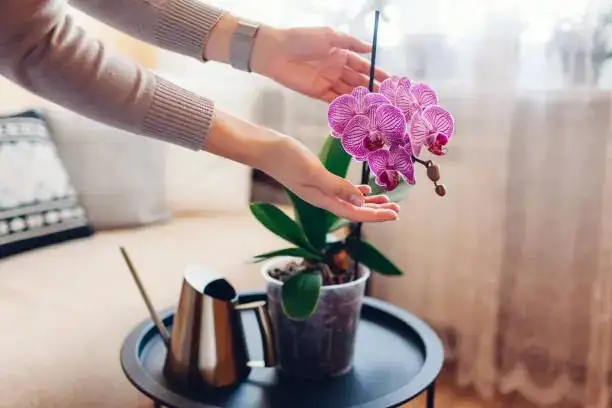
In addition to their beauty, orchids carry rich symbolism. In Chinese culture, they represent nobility of character and harmonious relationships. Different colors convey various meanings: white for purity, pink for joy, and purple for admiration. Giving an orchid is not just a gesture; it’s a message of appreciation and respect.
Conclusion: Patience and Reward
Propagating Phalaenopsis orchids is a journey of patience and precision, but the rewards are stunning blooms that can transform any space into a tropical haven. Whether you’re a beginner or a seasoned orchid enthusiast, these methods offer a chance to expand your collection and deepen your appreciation for these elegant plants. So, why not give it a try and let your home be filled with the graceful dance of moth orchids?


