

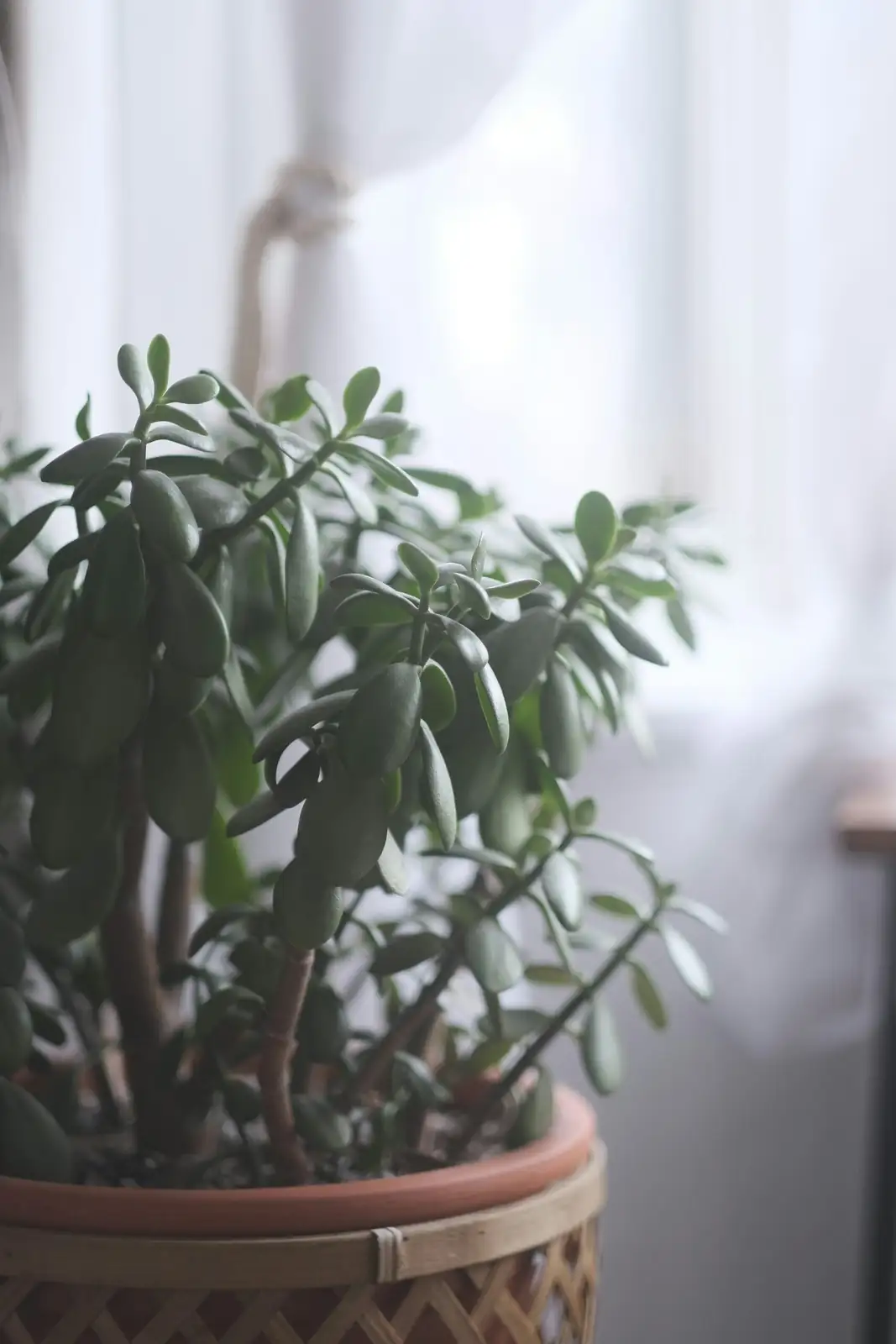
If you’ve ever lost a jade plant, chances are it wasn’t from neglect—it was from a soggy pot. Crassula ovata (aka Jade Plant, Friendship Tree, Lucky Plant) is a drought-tough succulent with thick, water-storing leaves. It thrives when you give its roots air, not soup. Here’s hands-in-the-dirt guidance for mixing a fast-draining soil, picking pots that keep it upright and happy, repotting at the right moment, and staying safe around its irritating sap.
The drainage-first mindset
Jade roots need to breathe. In nature, water rushes through gritty, mineral soils and dries fast. In a pot, you must recreate that: a gritty, well-aerated mix in a container with real drainage. Get those two right and everything else—watering, growth, even that handsome red leaf edge in bright light—gets easier.
Build a fast-draining mix your Jade will love
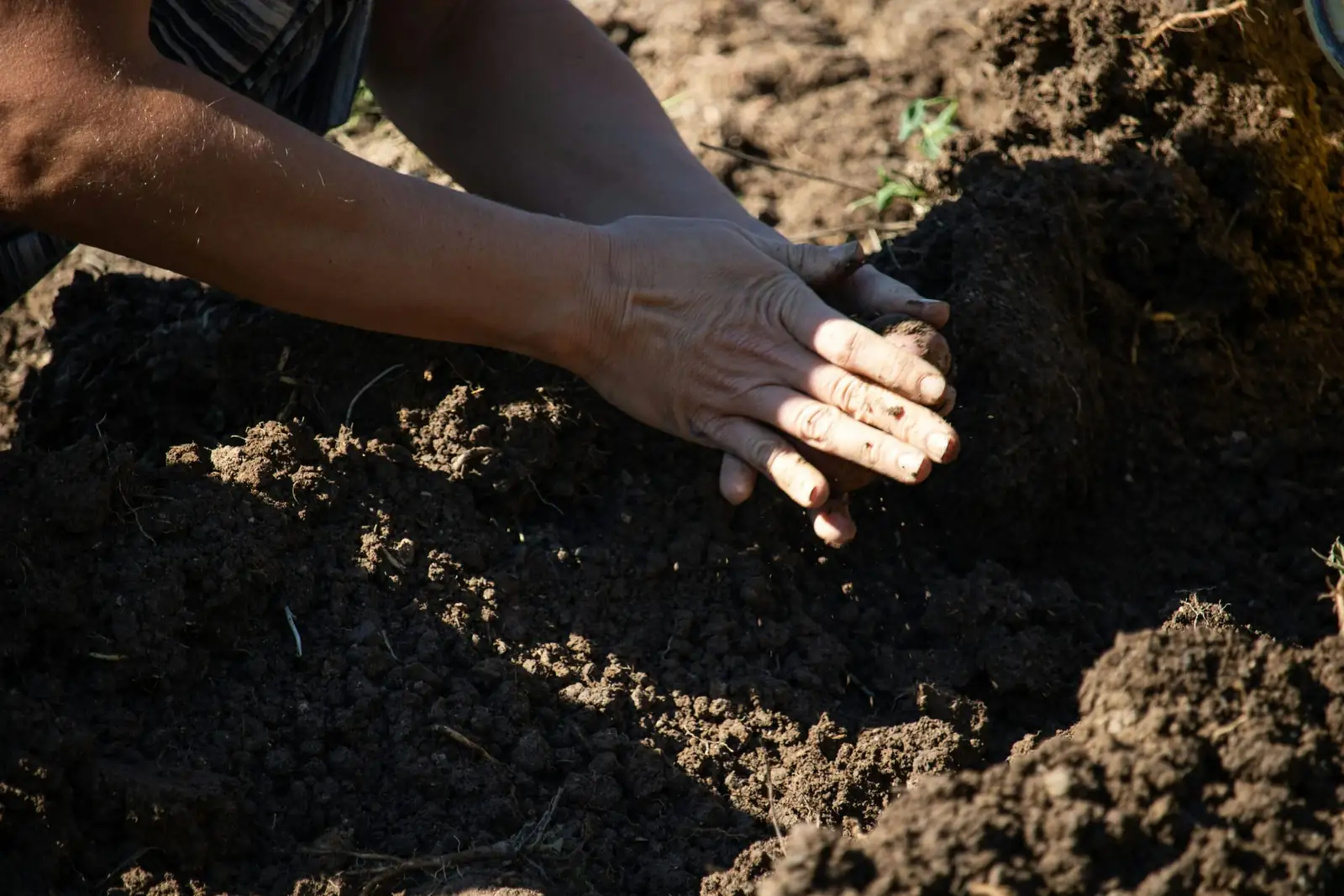
The reliable baseline (simple and effective)
- 3 parts quality potting substrate
- 1 part sharp, coarse sand
This classic blend is quick to assemble and already a big leap from regular potting soil. “Sharp” sand means builder’s sand or horticultural grit, not play sand.
Two pro-level recipes (dialed to your conditions)
- Bright, average-to-dry home
- 2 parts potting mix
- 1 part pumice (or perlite)
- 1 part coarse sand or small gravel (2–6 mm)
- Humid home or if you tend to overwater
- 1 part potting mix
- 1 part pumice
- 1 part coarse sand or small lava rock
Aim for 40–60% inorganic material (pumice, perlite, grit) by volume. The higher you go, the faster it drains.
Pumice vs. perlite (which to choose?)
- Pumice
- Heavier, stays put, adds helpful pot weight for top-heavy plants
- Long-lasting, won’t crush as easily
- Great for large jades or outdoor containers
- Perlite
- Light and widely available
- Can float and migrate to the top with repeated watering
- Fine for indoor plants if you use a coarser grade
Tip: Choose a chunky grade (about 1/8–1/4 in, 3–6 mm) for both pumice and perlite. The visible grit is the point.
Smart add-ins and what to avoid
- Good additions: horticultural grit, small lava rock, poultry grit (crushed granite)
- Use sparingly: organic components that hold water (coco coir, compost, fine bark)
- Avoid: peat-heavy mixes that stay wet, play sand or very fine sand (it compacts), vermiculite (holds too much moisture)
pH and texture
A slightly acidic to neutral mix (roughly pH 6–7) is just fine. Don’t chase the number; chase structure. You should see gritty particles with plenty of air gaps.
Quick DIY tests
- Drain test: Water a pre-moistened pot. It should run out the hole within seconds and the surface should not look muddy.
- Squeeze test: A handful of moistened mix should fall apart when you open your hand. If it clumps like brownie batter, add more grit.
- Dry-down: In active growth, a 10–15 cm (4–6 in) pot should go from fully watered to dry in about 5–10 days indoors, faster in summer sun.
Choosing the right pot (so it drains fast and doesn’t topple)
Non-negotiables
- Drainage hole(s) are essential. No hole, no jade.
- Use a single medium throughout—skip the “rocks in the bottom” myth, which raises the perched water table.
Best materials
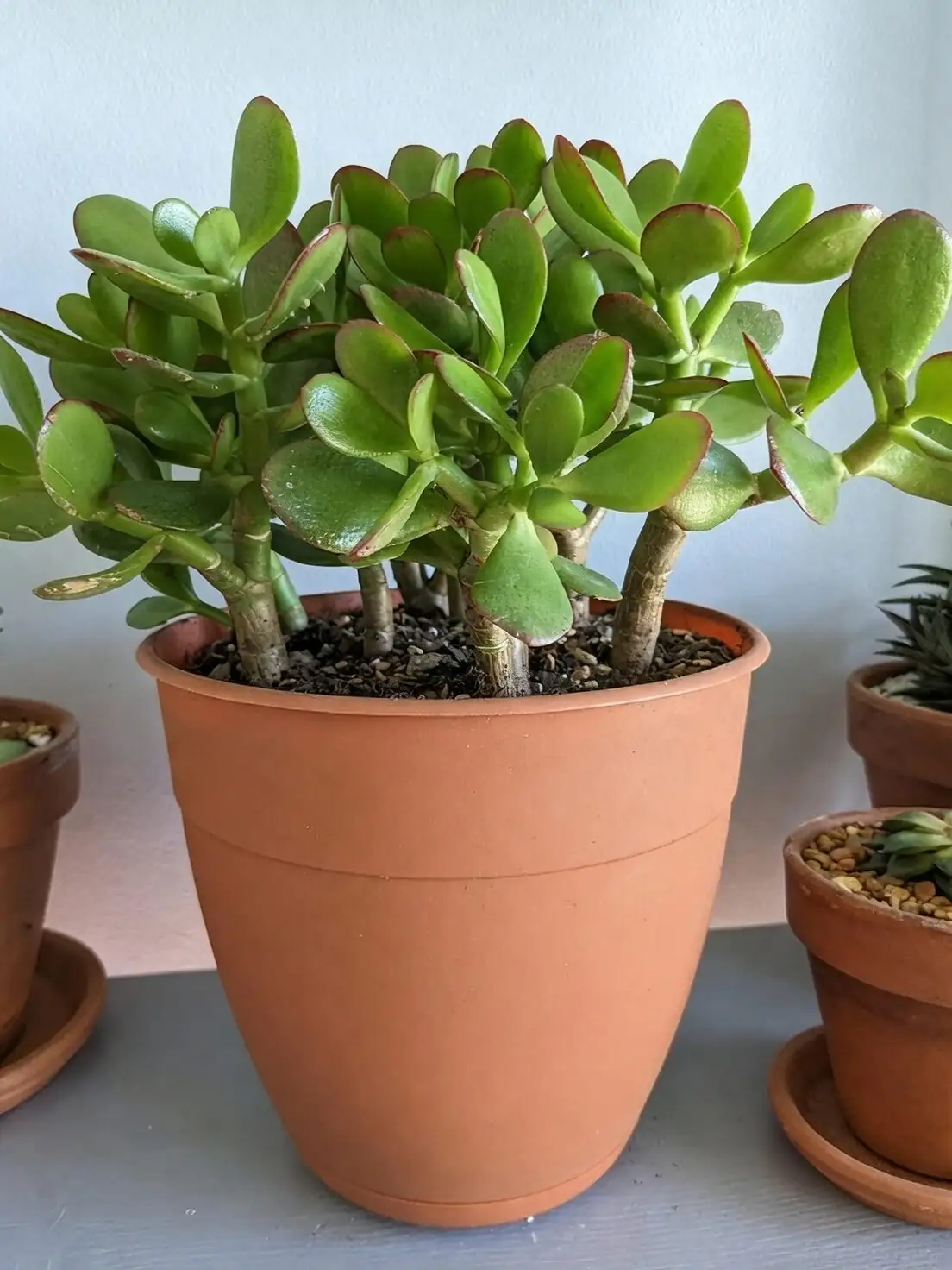
- Terracotta/clay: Breathable, wicks moisture, and its weight stabilizes the plant. A top choice.
- Glazed ceramic: Holds moisture a bit longer; pick a pot with a heavy base or a wide footprint.
- Plastic: Lightweight and retains moisture longer; use extra grit in the mix and consider pot feet for airflow.
Shape and size
- Wide and slightly shallow shapes help stability for a branching, top-heavy jade.
- Size up modestly: choose a pot just 2–5 cm (1–2 in) wider than the rootball. Oversized pots keep mix wet for too long.
- For small to medium plants, a 15–20 cm (6–8 in) pot is a comfortable, easy-to-manage home.
Potting setup tips
- Cover the drainage hole with mesh or a shard to keep mix in and water flowing.
- Add pot feet or a trivet so excess water clears quickly.
- A thin mineral top-dressing (grit or small gravel) reduces algae and fungus gnats and keeps the crown dry.
Safe repot timing (and how to do it without stress)
When to repot
- Best time: Spring, as growth ramps up.
- Frequency: Every 2–3 years or when rootbound, top-heavy, or the mix has broken down.
- Signs it’s time: Roots circling or poking out, the plant leans or wobbles, water rushes straight through and the mix looks tired.
If you must do an emergency repot (rot, collapsing mix), proceed—just keep it warm and bright. Avoid winter repots unless necessary because growth is slow and recovery lags.
Step-by-step repotting
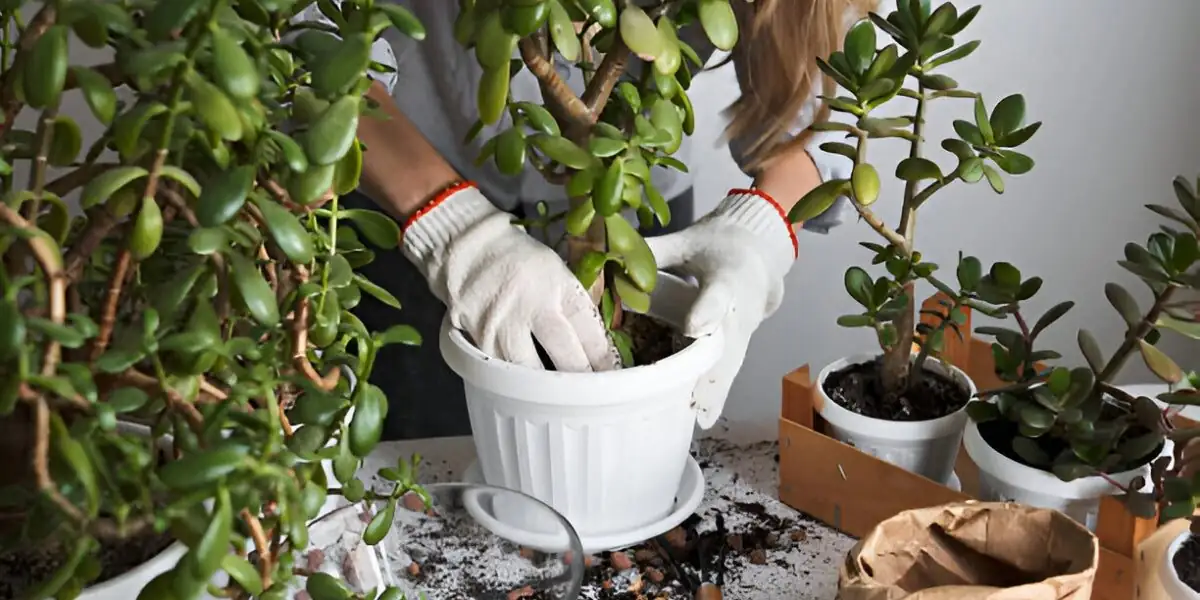
- Prep the plant
- Stop watering 3–5 days prior so the rootball is firm, not soggy.
- Put on gloves (sap can irritate skin) and protect your work surface.
- Unpot and inspect
- Gently loosen the rootball. Tease away old, fine, broken-down mix.
- Trim dead or mushy roots with clean pruners. Let fresh cuts air-dry and callus for 30–60 minutes.
- Pot up
- Add a base layer of your gritty mix.
- Set the plant so the original soil line sits slightly above the new mix; don’t bury woody stems.
- Backfill and tap the pot to settle. Do not pack tightly—air pockets are your friend.
- Aftercare
- Hold off on watering for 3–7 days to let any nicks callus.
- Then water thoroughly, let excess drain, and don’t leave the saucer wet.
- Keep in bright light but soften harsh midday sun for a week while roots re-establish.
Handling the sap: stay safe while you prune and repot
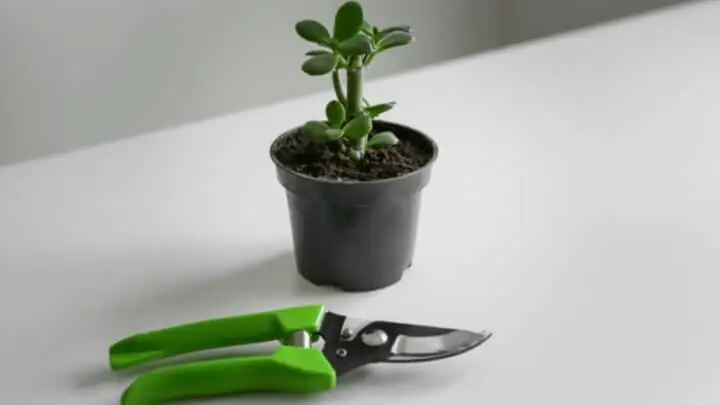
Jade plants have a toxic, irritating sap. Many people handle them bare-handed without issue, but sensitive skin can react—especially when pruning thicker stems.
- Wear gloves; long sleeves are smart when pruning.
- Keep sap away from eyes and mouth. If contact occurs, rinse thoroughly with cool water and mild soap.
- If you or a pet ingests any part, expect possible gastrointestinal upset—keep the plant out of reach and contact a medical professional or vet if symptoms appear.
- Wipe tools after use; the sap can gum up blades. A little rubbing alcohol on a cloth makes cleanup easy.
- Protect surfaces with newspaper or a tray; sap can leave sticky spots.
Watering and feeding to match your gritty mix
- Spring to autumn: Water thoroughly only after the surface and much of the mix has dried. The pot should feel noticeably lighter. Then drench and drain—no sips.
- Winter: Water sparingly, just enough to prevent severe shriveling. Cool, bright, and a bit drier can even encourage mature plants to flower.
- Never let the pot sit in water.
- Feeding: 2–3 times during active growth with a balanced liquid fertilizer at half strength. Skip feeding in winter.
Pro tip: More grit means you’ll water a bit more often—but it’s still “soak and dry,” not “keep damp.”
Light, temperature, and a quick nod to color
- Light: Bright light is best. Indoors, give your jade the sunniest window you have to keep growth compact.
- Temperature: Ideal is 15–25°C (59–77°F); protect from frost and keep above 5°C (41°F).
- Red-edged leaves: Often a happy sign of brighter light (and sometimes cooler nights). If the leaves also look scorched, ease it back from harsh midday sun.
Fast troubleshooting
- Mushy leaves, blackened base, sour-smelling soil
- Cause: Overwatering/poor drainage.
- Fix: Unpot, trim rot, repot into a grittier mix, and adjust watering.
- Shriveling leaves, mix bone-dry for weeks
- Cause: Underwatering or severely rootbound.
- Fix: Water thoroughly; if it re-dries in a day or two, repot in spring.
- Plant keeps toppling
- Cause: Top-heavy canopy or too-light pot.
- Fix: Wider, heavier pot (terracotta), more pumice than perlite, and a lower center of gravity.
- White, cottony tufts in leaf nooks
- Cause: Mealybugs.
- Fix: Isolate, treat with insecticidal soap or horticultural oil, and improve light/airflow.
A 60-second jade kit and recipe card
Soil recipes
- Simple: 3 parts potting soil + 1 part sharp sand
- Gritty: 2 parts potting soil + 1 part pumice (or perlite) + 1 part coarse sand/lava rock
Pot picks
- Material: Terracotta or a heavy-bottom glazed ceramic
- Shape: Wide and slightly shallow, with drainage
- Size: 2–5 cm wider than rootball; 15–20 cm works for many small-to-medium plants
Repot calendar
- Best window: Spring
- Frequency: Every 2–3 years or when rootbound/top-heavy/mix exhausted
Safety kit
- Nitrile gloves, pruners, mesh for drain hole, rubbing alcohol and cloth, tray/newspaper to catch sap and grit
With the right gritty mix, a pot that breathes and drains, a springtime repot, and basic sap smarts, your Crassula ovata will settle into the bonsai-like form it’s famous for—and might even flash those tiny starry flowers after a bright, cooler winter rest. Give its roots air, and your jade will give you decades.