

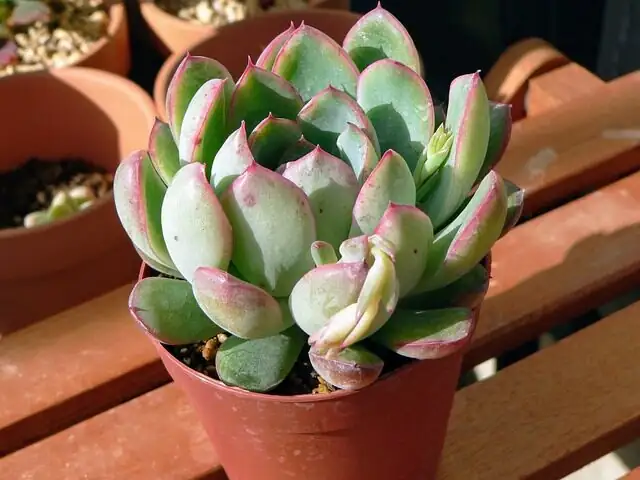
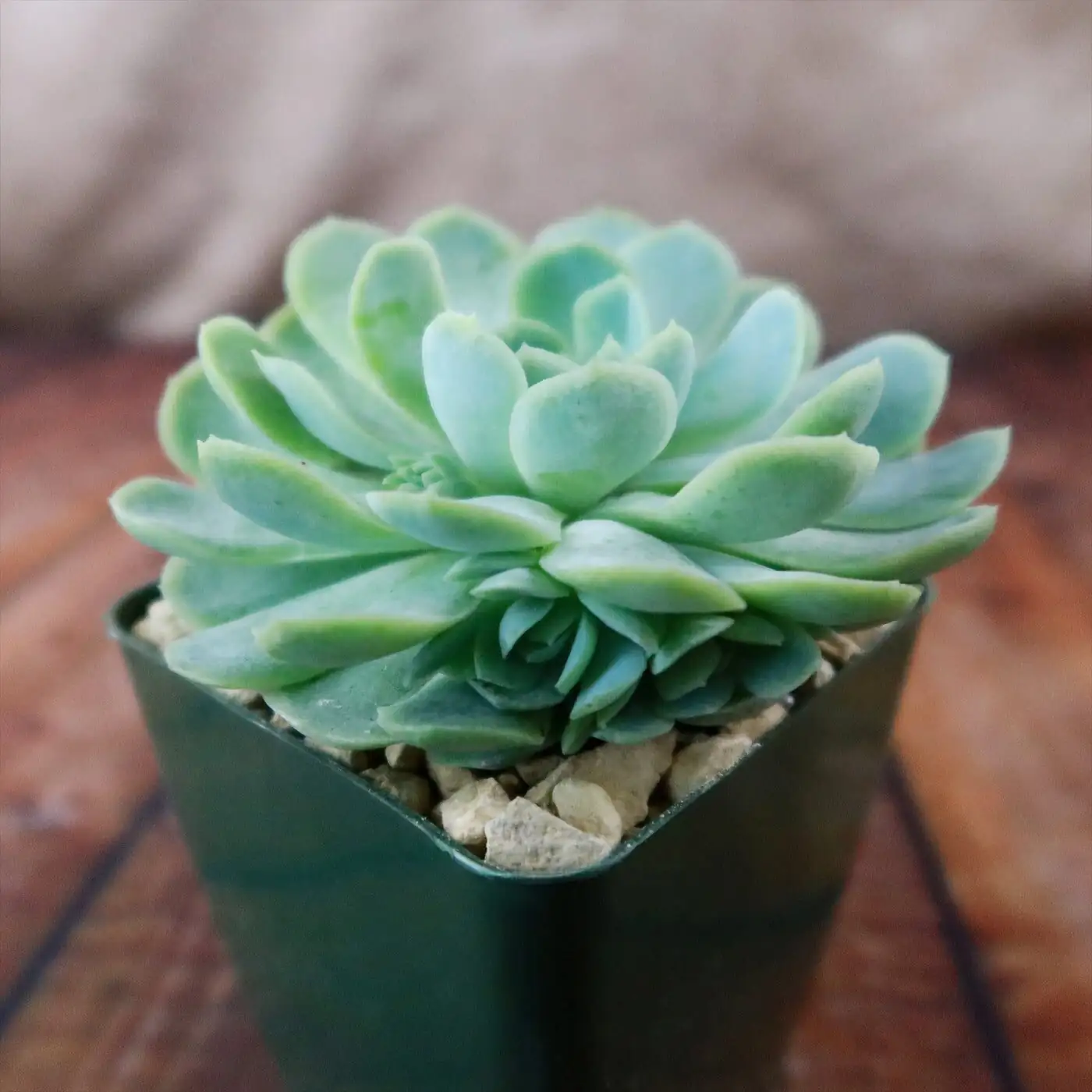
Imagine a pale-blue rosette that looks like a frost-kissed lotus, catching sun like a tiny satellite and throwing up cheerful, coral-pink bloom spikes in late spring. That’s Mexican snowball (Echeveria elegans), and it makes a spectacular anchor for mixed succulent bowls—especially when you choreograph companions that drink on the same schedule, thrive in gritty, mineral-rich soil, and add contrast in form and flower. Think Sedum for sparkle, Crassula for structure, and Haworthia for moody counterpoint.
Meet Echeveria elegans: the calm center of your succulent chorus
- Form and size: Tight, symmetrical rosettes, typically 8–15 cm wide and about 10 cm tall not in bloom; offsets readily to form charming clumps.
- Color and texture: Powdery blue‑gray to blue‑green leaves cloaked in farina (a natural wax) that acts like sunscreen—avoid rubbing it off.
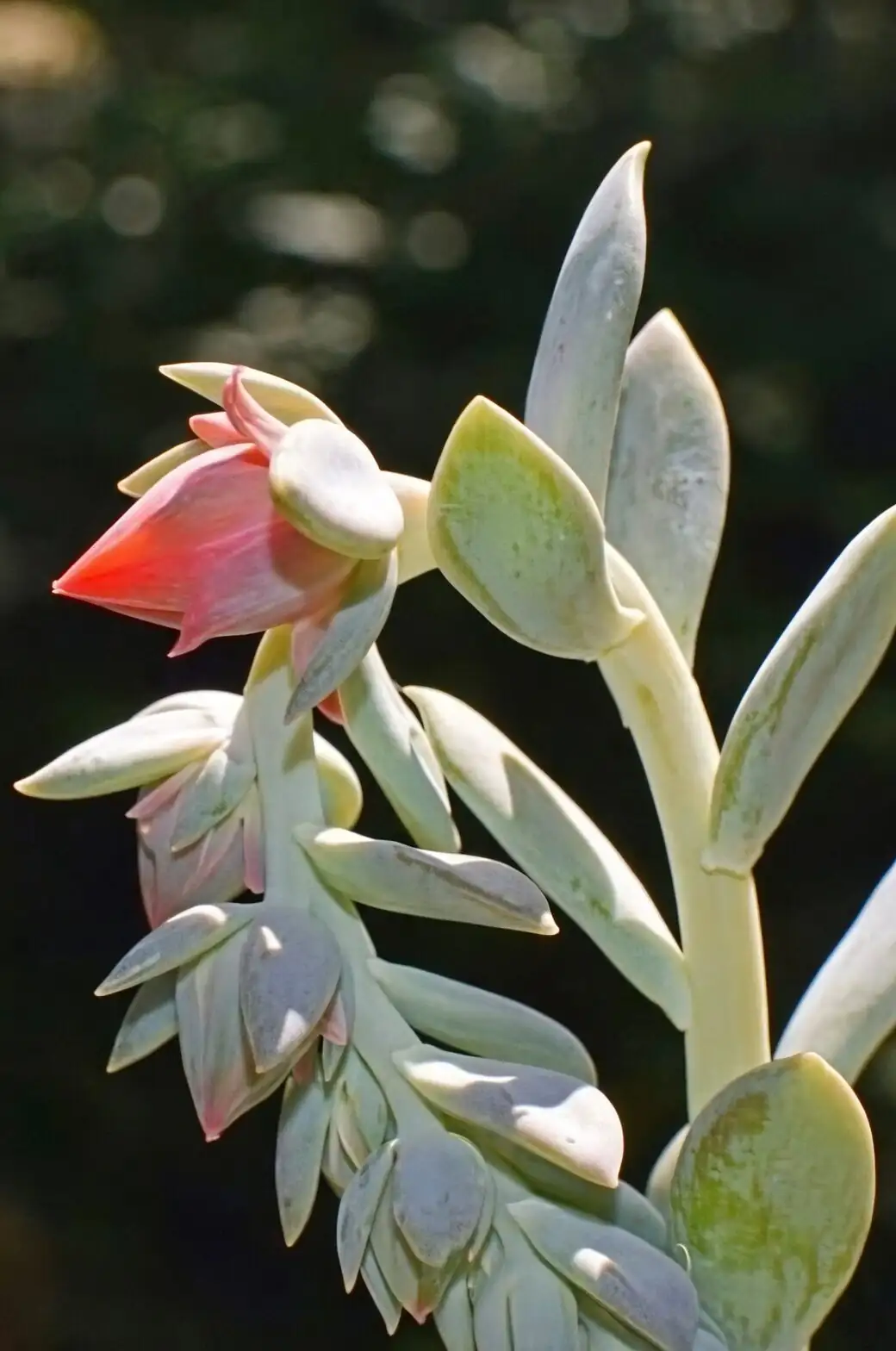
- Flowers: Slender stalks in late spring to summer with nodding bells—pink/red outside, yellow within.
- Light: Bright light to full sun (4–6+ hours) for a tight, colorful rosette; give light afternoon shade in extreme heat.
- Water: “Soak and dry”—drench, then let the mix go fully dry. Never pour water into the rosette.
- Soil: Fast-draining, gritty, mineral-rich succulent mix in a pot with drainage holes.
- Temperature: Happy around 15–27°C (59–81°F). Frost tender; protect and keep above about 5–10°C (41–50°F) in winter.
- Personality: Beginner-friendly if you remember the two rules—lots of light, fast drainage.
The golden rule of pairing: match the soak-and-dry, sun, and soil
Pick companions that:
- Share the same watering rhythm (drought-tolerant, no thirst-trap divas).
- Like big light and fast airflow.
- Are content in a gritty, mineral-heavy mix.
A mineral-rich mix that keeps the band in tune
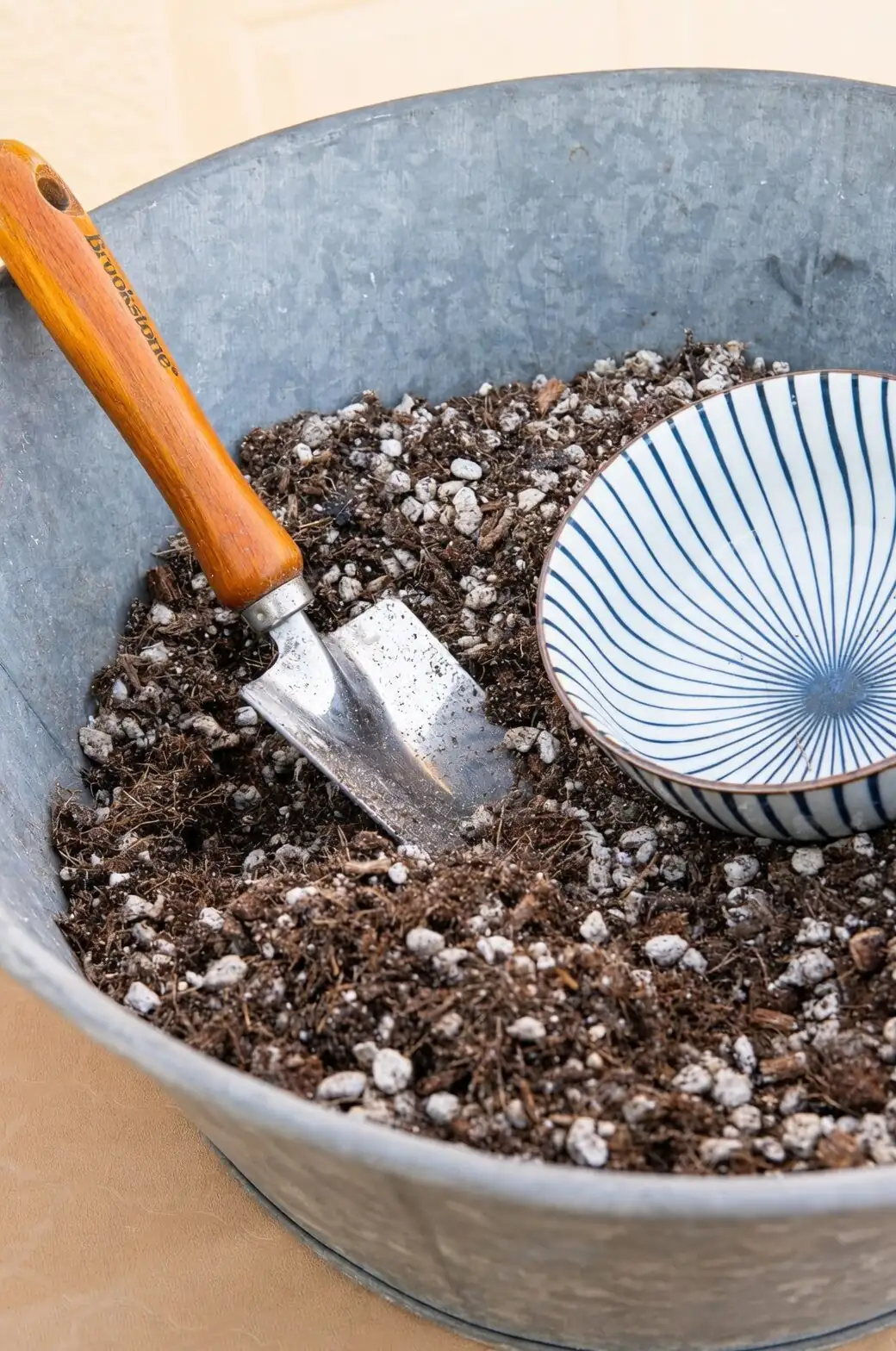
Aim for an airy blend that dries swiftly:
- Rough ratio: 30% organic base + 70% mineral aggregate.
- Organic options: coconut coir or leaf mold in moderation.
- Mineral options: pumice, coarse sand, grey granite, calcined clay, expanded clay, and perlite.
- Pro tip: Commercial “gritty” succulent mixes that combine coir or husk chips with pumice, granite, and clay aggregates can work beautifully. Top-dress with crushed granite or lava rock to stabilize rosettes and keep leaves clean.
Companion palettes by genus
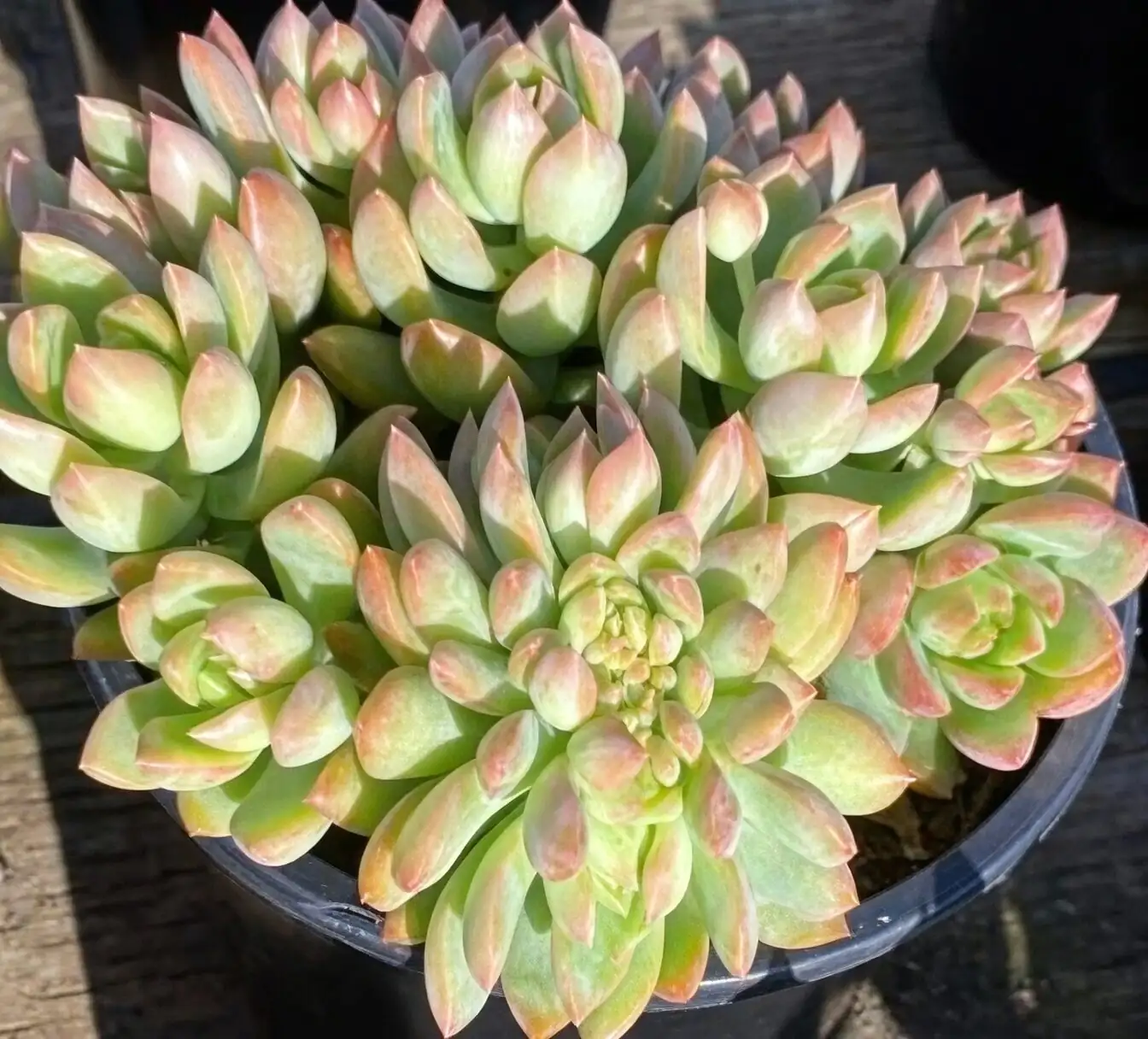
With Sedum: sparkling groundcovers and color pops
Sedum brings movement, fine textures, and seasonal color shifts without out-drinking your Echeveria.
- Great picks:
- Sedum dasyphyllum (tiny, blue-beaded mats that echo snowball tones)
- Sedum rupestre ‘Angelina’ (chartreuse fireworks that warm to amber)
- Sedum nussbaumerianum (burnt-orange rosettes; sun intensifies the glow)
- Sedum rubrotinctum (plush “jelly beans” that blush red in bright light)
- Design notes:
- Use as living mulch to skirt E. elegans and hide bare soil.
- Let Sedum spill over pot edges for lively cascades.
- Many sedums are tougher to cold than Echeveria; in frosty regions, keep them together in containers you can shelter.
With Crassula: vertical punctuation and sculptural rhythm
Crassula gives the arrangement lift and geometry, pairing well with the snowball’s rounded calm.
- Great picks:
- Crassula perforata (stacked “buttons” in minty green edged pink)
- Crassula ‘Moonglow’ (blocky, moonlit stacks; great contrast with Echeveria’s curves)
- Dwarf jades like Crassula ovata ‘Hobbit’/‘Gollum’ (use sparingly in larger bowls)
- Design notes:
- Plant behind or diagonally from E. elegans to create depth and a height gradient.
- Crassula thrive on the same soak-and-dry; avoid heavy feeding to keep forms compact.
With Haworthia: dark, glossy counterpoint
Haworthia brings glossy greens and zebra stripes—a moody foil to powdery blue.
- Great picks:
- Haworthia reinwardtii (textured towers that tolerate brighter light than many haworthias)
- Haworthia fasciata/attenuata types (striped “zebra” forms; prefer bright but not scorching sun)
- Design notes:
- Create a microclimate: tuck Haworthia on the shadier side of a rock or the pot’s north edge. E. elegans basks in sun; Haworthia appreciates a gentler midday.
- Keep the same watering cadence; both like a full dry-down, especially in cool seasons.
Four ready-to-plant recipes
1) Snowball Skyline (balanced and beginner-friendly)
- Center: Echeveria elegans (one or three rosettes in a triangle)
- Mid-layer: Crassula perforata stepping in a loose spiral
- Groundcover: Sedum dasyphyllum as a soft, blue-green skirt
- Pot: 25–30 cm wide, low bowl with generous drainage
- Top-dress: Grey granite chips
- What happens when it blooms: E. elegans’ coral-pink/yellow bells rise above a cool-toned carpet in late spring–summer.
2) Moon & Ember (color contrast that glows)
- Anchor: Echeveria elegans (powdery “moon”)
- Warm accent: Sedum nussbaumerianum (amber “embers”)
- Shadow note: Haworthia reinwardtii placed in a slight shade pocket
- Pot: Charcoal or black clay; top-dress with black lava
- Light play: Face Echeveria and Sedum toward strongest light; let the Haworthia enjoy filtered rays.
3) The Windowsill Trio (compact, for bright indoor sills)
- Anchor: One tight Echeveria elegans in a 12–15 cm bowl
- Filler: Sedum ‘Little Missy’ or S. album (mini)
- Accent: Crassula ‘Baby’s Necklace’ (small stacks)
- Care cadence:
- Spring–summer: water every 7–14 days when bone dry.
- Autumn: every 2–3 weeks as growth slows.
- Winter: keep very bright and sparse—often every 3–5+ weeks indoors.
- Tip: Rotate weekly to keep the snowball tight and centered.
4) Balcony Bloom Stage (let the spikes star)
- Cluster: A trio of Echeveria elegans spaced so flower stalks can rise unimpeded
- Rim spiller: Sedum rupestre ‘Angelina’ for chartreuse fringe
- Upright accent: A small Crassula ovata ‘Hobbit’ at the back
- Note: Shelter from prolonged summer rain; remove spent bloom stalks after the show.
Light choreography and seasonal care for mixed pots
- Sun: Aim for 4–6+ hours of direct sun; in very hot climates, offer light afternoon shade. Acclimate new plants behind a sheer curtain for a few days.
- Water: Drench thoroughly, then fully dry before repeating. Keep water out of the rosette.
- Feeding: Light only—about 1/4 strength succulent fertilizer every 4–8 weeks in spring–summer; none in winter.
- Airflow and humidity: Dry air and strong airflow are best; avoid cool, humid stagnation.
- Temperature: Sweet spot is 18–25°C (64–77°F). Protect from frost; cold + wet is the worst combo.
- Repotting: Every 1–2 years in early spring; let any trimmed roots callus 1–2 days before watering.
- Grooming: Remove dried lower leaves; cut spent flower stalks; behead and reroot if a rosette gets leggy.
Designer’s tricks: microtopography and texture
- Sculpt the terrain: Use angular rocks to cast a sliver of shade for Haworthia while spotlighting Echeveria.
- Layer textures: Powdery E. elegans against glossy Haworthia and beaded Sedum reads like satin, glass, and pearls.
- Respect the farina: Handle pots, not leaves. Fingerprints on E. elegans are forever.
- Top-dress smartly: Granite or lava keeps crowns clean, speeds dry-down, and makes colors pop.
Offsets and propagation: grow your own chorus line
- Offsets: Wait until pups show their own roots; lift and pot into the same gritty mix.
- Leaves: Twist off a plump, clean leaf; let it callus for several days; set on dry grit and mist sparingly until roots/pups appear.
- Rosette cuttings: Behead, callus, and root in a gritty medium. Late summer to early autumn is especially reliable.
Outdoors in the ground (zones 9–11): neighbors, not roommates
In frost-free beds, you can frame succulent mounds with drought-tolerant perennials for height and pollinator appeal—just plant nearby, not in the same hole, to keep watering simple.
- Excellent neighbors: Autumn sage (Salvia greggii) for hummingbird color, Santolina ‘Lemon Fizz’ for chartreuse clouds, or even a banded Miscanthus for a breezy backdrop.
- Drainage first: Elevate succulent planting pockets with extra grit and keep overhead irrigation off rosettes.
Pests, safety, and quick fixes
- Usual suspects: Mealybugs (leaf axils), aphids on flower stalks, scale, thrips. Spot-treat with isopropyl alcohol swabs or insecticidal soap; improve airflow.
- Root risks: Soggy soil invites rot; refresh to a grittier mix and reset watering.
- Non-toxicity: Generally low-toxicity to people and pets, but nibbling can upset tummies—display out of reach.
- Troubleshooting:
- Stretching, open rosettes: Needs more light (and possibly less water). Boost sun/grow lights and rotate.
- Mushy, translucent lower leaves: Overwatering; let the pot dry fully and check drainage.
- Water culture? Some hobbyists do it, but rot risk is higher—if you try, keep part of the roots above the waterline and skip nutrients in winter/summer.
Meaning, history, and the poetry behind the plant
Echeveria elegans is often linked with resilience and enduring love—apt symbolism for a plant that keeps its poise through dry spells and multiplies by sharing. While Victorian floriography focused on roses and lilies, modern “flower language” for succulents is a contemporary blend of folklore and social media sentiment. Let yours mean what you make of it: a quiet promise to thrive with less. The genus honors Atanasio Echeverría y Godoy, the Mexican botanical illustrator whose legacy lives on every time a snowball offsets and gets passed to a friend.
Ready to compose your mini desert? Give your Mexican snowball the spotlight, then let Sedum twinkle, Crassula conduct, and Haworthia hum in the shadows—all rooted in a crisp, mineral mix and kept on a clean, simple rhythm of sun and dry-down.