

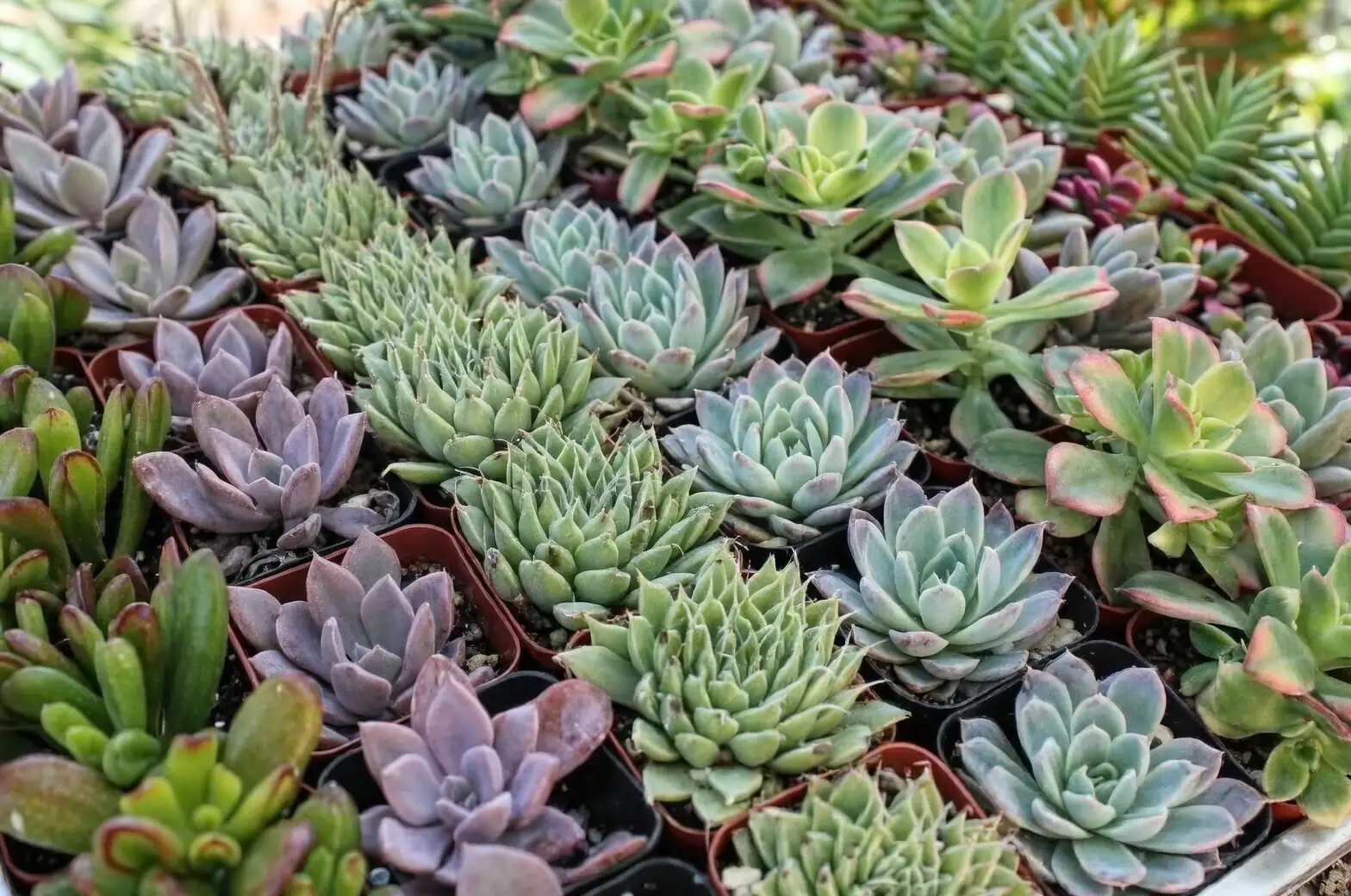
Step into almost any plant shop today and you’ll see it: a rainbow of rosettes, bead-chains, tiny “living stones,” and spiky mini columns—succulents in every size cup from espresso to latte. But that cute 5-centimeter Echeveria didn’t start on your windowsill. It was sculpted by climate, multiplied by the million, and shipped across continents from a handful of regional hubs that quietly set the trends you bring home.
Here’s an insider tour of where succulents are produced, how climate supercharges propagation at scale, and why those choices shape everything from your plant’s color to the soil it’s potted in.
Your rosette has a passport: the global map of production
The East Asian greenhouse belt: Yunnan, Fujian, Taiwan, and South Korea
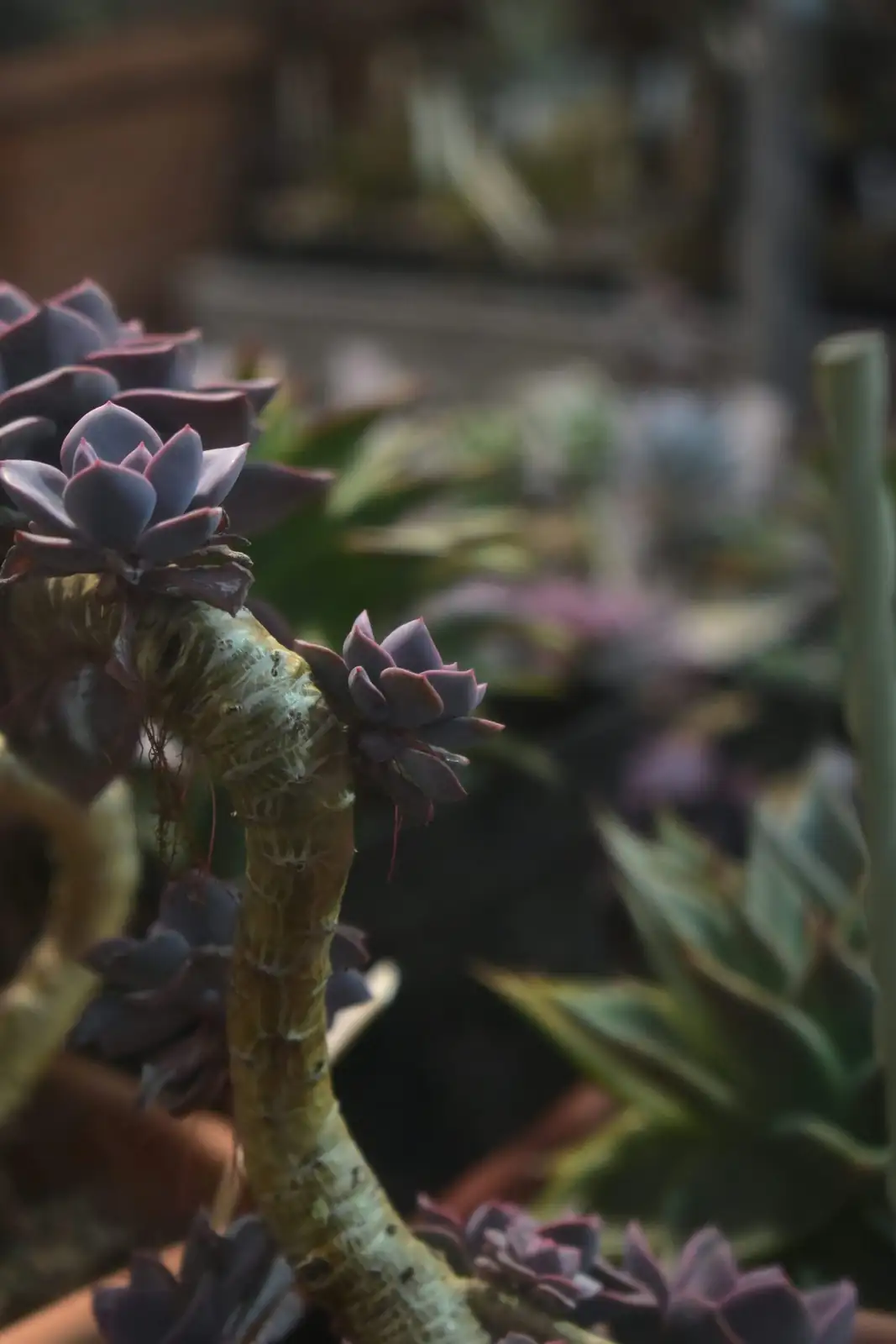
- Why here: High light, mild winters, and elevation-driven day–night temperature swings (especially on the Yunnan plateau) create a “stress” recipe succulents love—compact growth and dramatic color.
- What they grow: A kaleidoscope of Echeveria, Haworthia, Sedum, Kalanchoe, and speciality Mesembs like Lithops. Mature production systems in Taiwan, Yunnan, and Fujian pair climate with dense networks of growers and exporters.
- At scale: Exporters commonly bare-root plants, air-dry them for several days, and ship them dry—maximizing survival and keeping costs down. Operations in parts of China and Korea supply everything from starter plugs to rare rosettes, shaping global pricing and availability.
The American sunbelt: California and Florida (with Mexico next door)
- Why here: Long, bright seasons and established horticulture. Coastal California’s cool nights sharpen color and form; Florida powers huge volumes of heat-loving lines for mass retail.
- What they grow: Rosettes for gift sizes, landscape Sedum and Kalanchoe, and easy house types for big-box demand. U.S. nurseries also anchor breeding and large-scale propagation.
Africa’s drylands: South Africa, East Africa, and Madagascar
- Why here: Native diversity is off the charts—South Africa’s Succulent Karoo is a world hotspot. Warm, dry conditions suit seed production and specialty propagation.
- What they grow: Mesembs (Lithops, Fenestraria), Aloe relatives, and drought-adapted oddities. These regions strongly influence “connoisseur” trends while supplying seed and cuttings—always support verified, cultivated stock to discourage poaching.
The Dutch connection: Europe’s distribution engine
- Why here: Precision greenhouse control, logistics, and design-forward presentation. The Netherlands is a staging ground for seasonal mixes, gift sets, and coordinated “mini” assortments shipped across Europe.
- What they grow: A curated mix for retail and gifting—uniform sizes, glossy presentation, and clever potting that match European design trends.
Climate advantages the pros leverage (and why your plant looks so good)
- Intense light without endless scorch: Bright conditions produce tight internodes and saturated pigments; growers fine-tune shading to avoid sunburn.
- Cool nights, warm days: That diurnal swing (common at elevation or coastal zones) coaxes “blush” tones—reds, purples, bronzes—that collectors love.
- Dry air and airflow: Low humidity plus moving air keeps rot and fungus at bay. Many hubs prioritize ventilation over heavy chemical control.
- Gentle winters: Many succulents want warmth and protection from frost. Mild winters keep production rolling and shorten crop cycles.
Multiplying the magic: propagation at industrial scale
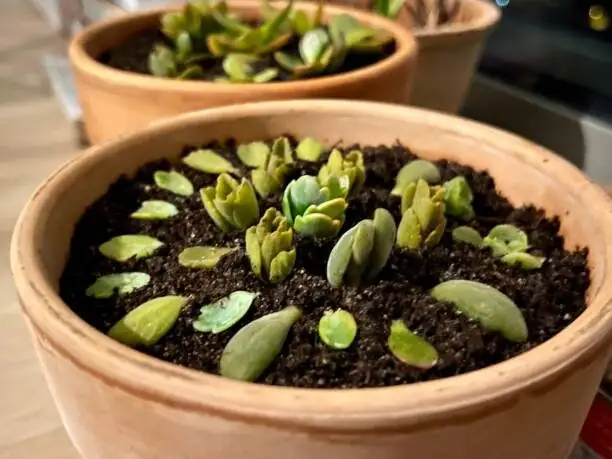
- Leaf cuttings: Classic for many Crassulaceae (Echeveria, Graptopetalum). Leaves are callused, then rooted on gritty media—thousands at a time—for consistent clones.
- Stem cuttings: Fast, reliable for Sedum, Kalanchoe, Crassula, and trailing types. Great for uniform retail trays.
- Offsets (“pups”): Aloe, Haworthia, and many Agave-like plants produce clones that are divided and potted. Low mutation risk, predictable form.
- Seed: Essential for breeding novelty and Mesembs like Lithops. Slower but genetically diverse, fueling the next wave of color and form.
- Tissue culture (microprop): Used selectively for clean, uniform stock—especially for slow or high-value types.
Behind the scenes, plants are:
- Hardened off: Grown drier to build sturdy tissues before shipment.
- Graded for size: 5–6 cm minis dominate global retail because they’re fast to finish and irresistible at the checkout line.
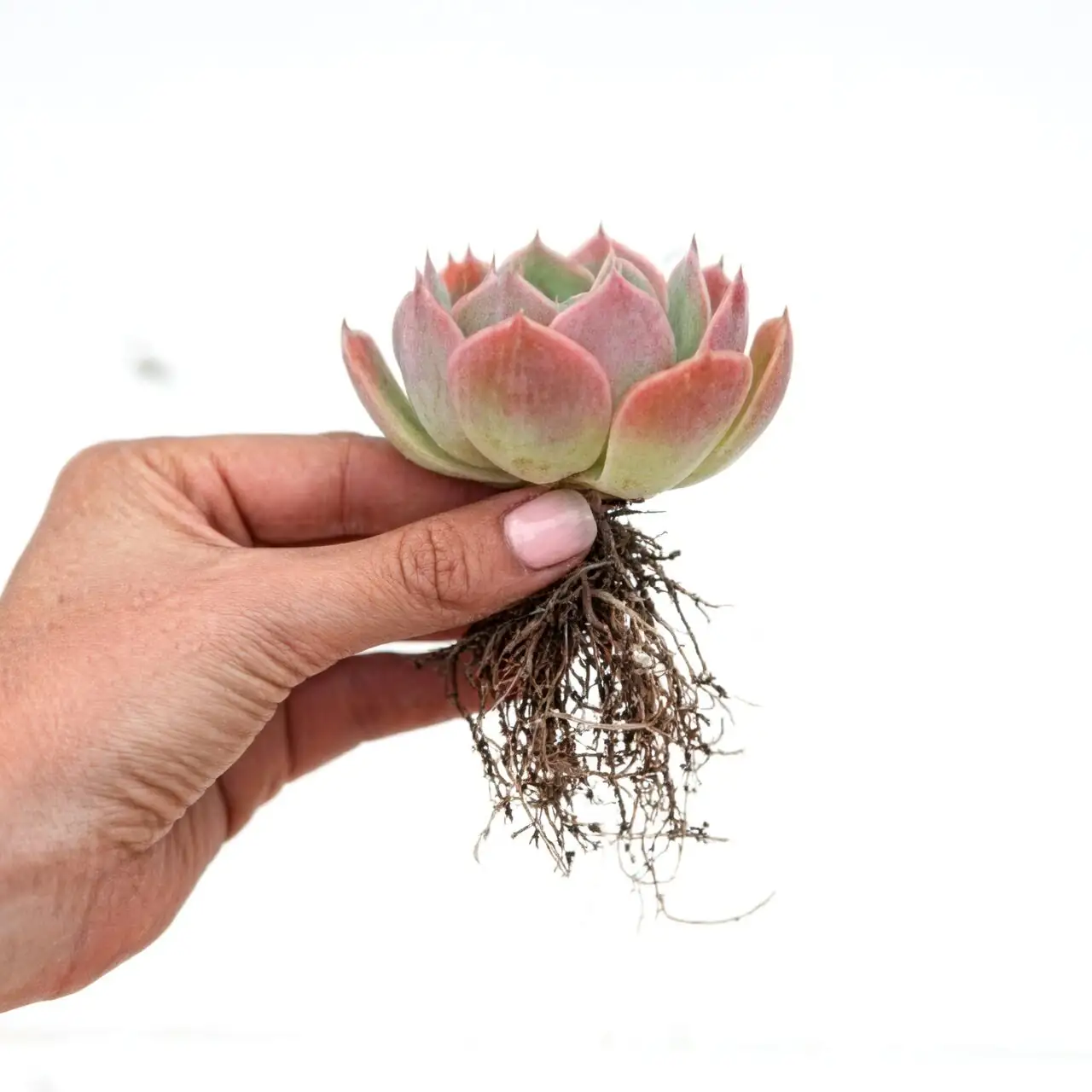
- Bare-rooted and shipped dry: Roots are cleaned and the plant is air-dried for days so it arrives firm, not soggy.
How production choices show up on your windowsill
- That intense color? It may soften. Strong greenhouse light and cool nights produce dramatic pigments; home conditions are gentler. If you want those reds back, give 4–6 hours of bright light and ease into any direct sun to avoid sunburn.
- Tight rosettes vs. stretch: Light drives compactness. Indoors, many will elongate without a bright window or a grow light.
- The “gift soil” conundrum: Retail mixes can be peat-heavy for shipping efficiency. For long-term health, repot into a fast-draining, gritty mix—something like 10–20% organic matter, ~20% sand, and ~60–80% pumice/perlite/rock.
- Mini pots, maxi roots: Don’t jump to a huge container. Step up 1–2 inches at most; oversized pots dry too slowly and risk rot.
- Shipping stress is normal: Bare-root imports often arrive thirsty. Pot dry, wait a few days for any wounds to seal, then water thoroughly—and only again once bone dry.
Trendsetters: how hubs influence what’s “hot”
- East Asia’s rosette renaissance: High-volume Echeveria lines plus eye-catching variegates and hybrids popularized the “candy-colored” mini.
- Mesemb moments: South African-origin Lithops and their cousins keep the novelty crowd hooked on stones-that-bloom.
- Landscape-forward in the Americas: Budget-friendly Sedum, Kalanchoe, and drought-tough aloes feed xeriscaping and balcony boxes.
- Europe’s styling touch: Dutch arrangements, clever pots, and seasonal palettes make succulents perennial gift darlings.
- Social media accelerant: Uniform, photogenic clones from these hubs spread fast online, turning niche cultivars into global bestsellers within a season.
Buying smart and acclimating like a pro
- Pick plump and firm: Avoid shriveled or mushy leaves, soft bases, or sour-smelling roots. Check for mealybugs hiding in leaf axils.
- Quarantine newcomers: Two weeks apart prevents pests from spreading. Wipe mealybugs with alcohol if needed and boost airflow.
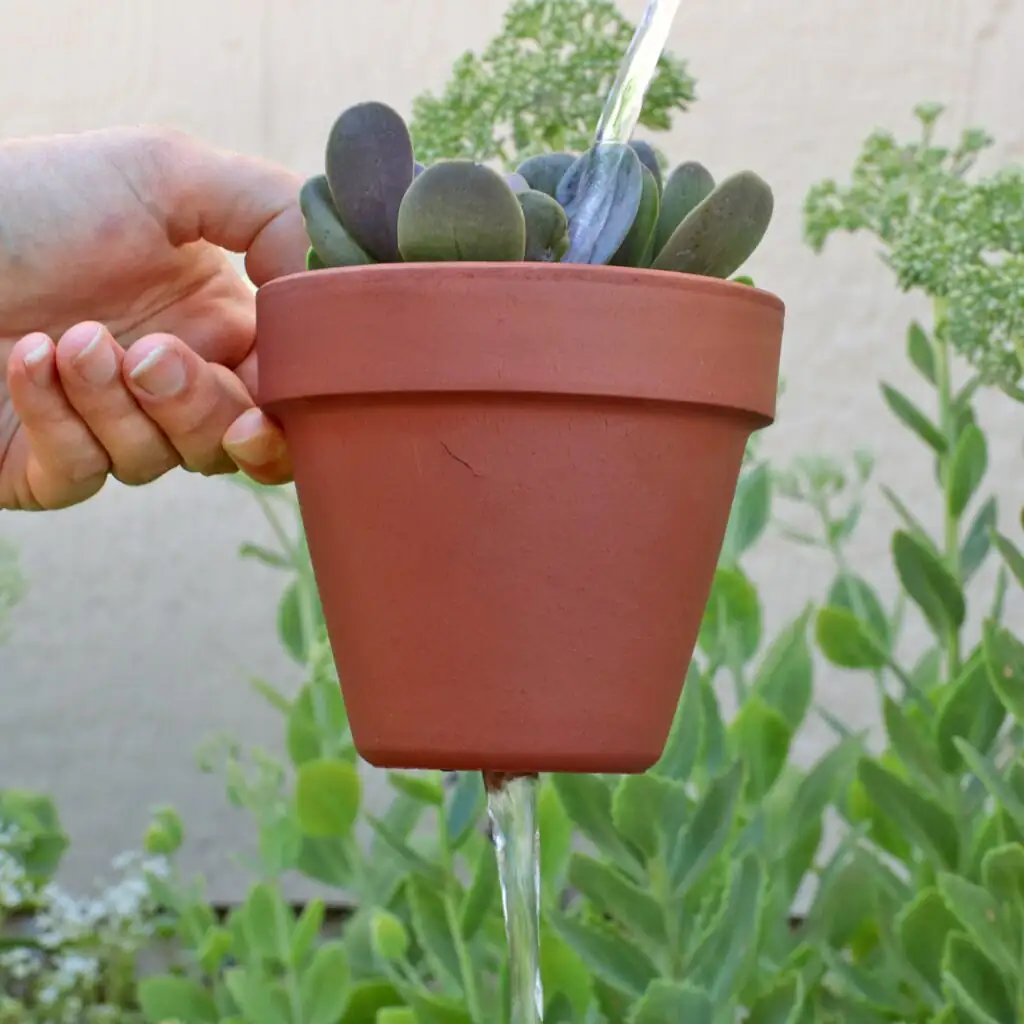
- Repot to thrive: Use a gritty, fast-draining mix and a pot with a drainage hole. Keep dry for a few days after repotting.
- Water by “soak and dry”: Drench, then wait until the mix is completely dry before watering again. In active growth (often spring/fall), they’ll drink more; in winter, much less.
- Light matters most: Aim for bright light; many appreciate some direct sun once acclimated. Lower-light picks like some Haworthia do better indoors away from strong sun.
Sustainability and ethics
- Choose cultivated, not collected: Support nurseries that propagate legally. Wild poaching harms fragile ecosystems, especially for cacti and rare aloes.
- Mind the media: If you can, reduce peat and lean on mineral components (pumice, perlite, lava rock) for drainage.
- Ship smart: Bare-root shipping reduces weight and water waste; reuse packaging and pots where possible.
Quick reference: what all succulents share
- Water-storing parts: Leaves, stems, or roots serve as built-in reservoirs.
- CAM photosynthesis: Many open stomata at night to conserve water.
- Sun and airflow: Bright conditions and good ventilation drive compact, colorful growth.
- Rot risk is real: Slow-drying soil is the fastest route to failure—keep it gritty.
- Temperature sweet spot: Warmth by day, protection from frost for most species.
- Safety note: Some (notably many Euphorbia) have irritating latex sap—keep away from pets and kids if you’re unsure.
Symbolism and the so‑called “flower language”
Succulents are often gifted as emblems of resilience—living proofs that beauty can flourish on little water and plenty of grit. In feng shui-style traditions they’re sometimes linked with protection or good fortune, though these meanings are cultural interpretations rather than botanical truths. Their real “message” comes from their biology: adaptable, enduring, and surprisingly generous when treated with light, air, and patience.
—
From the Yunnan plateau’s cool nights to California’s long sun, regional climates and propagation know-how decide what shows up in your cart: the sizes, colors, prices, and even the potting mix. Understand that upstream story, and you’ll be better at the downstream part—keeping that tiny rosette compact, colorful, and thriving on your windowsill for years.