

Take Your Gardening Skills to the Next Level: Mastering Thyme Propagation
A Little Herb with a Big Reputation
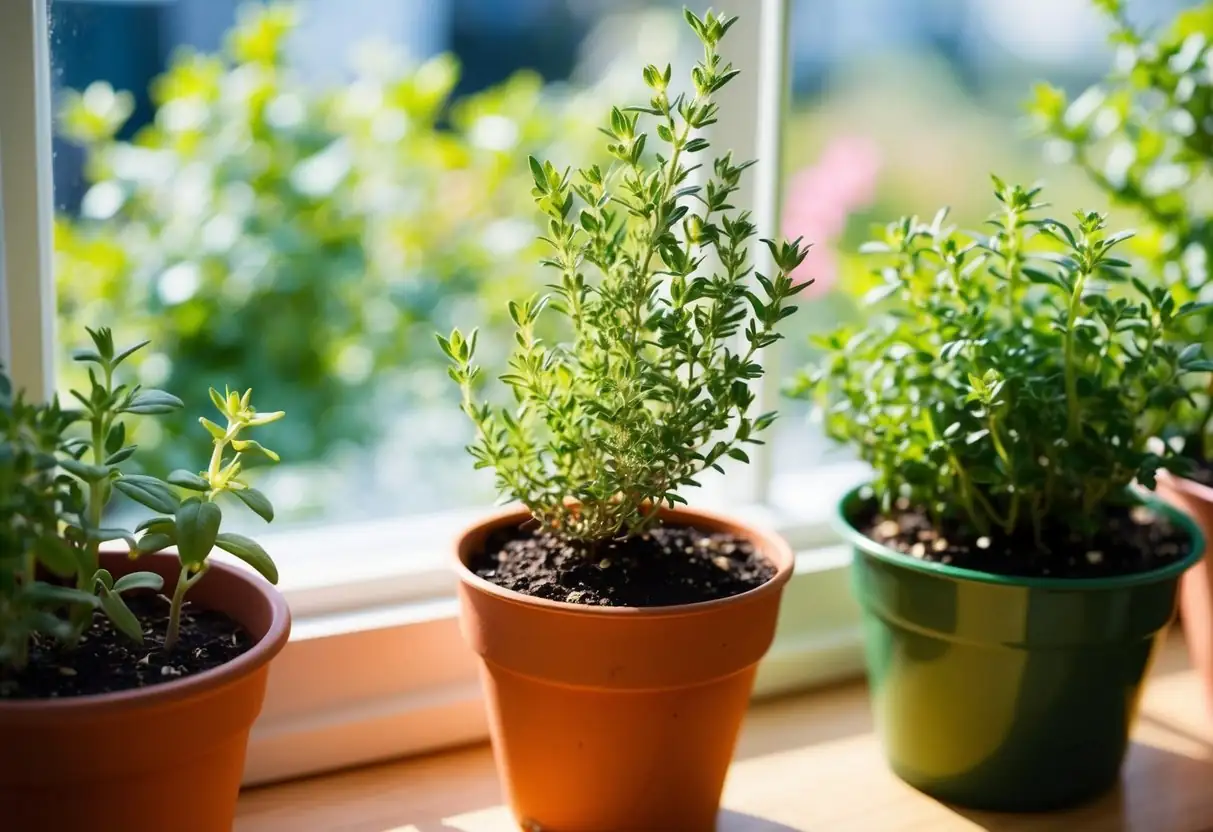
Thyme, or Thymus vulgaris, is a seasoned veteran in the world of herbs. Its tiny, oil-rich leaves pack a punch of flavor, making it a staple in culinary traditions worldwide. Native to the Mediterranean, this aromatic plant has a storied past—used by ancient Egyptians for embalming, Greeks for incense, and medieval knights for courage. With its compact growth, thyme is perfect for garden edges, rock gardens, or even a sunny windowsill.
But how do you multiply this mighty herb in your own garden? Whether you’re a novice or a seasoned gardener, propagating thyme can be a rewarding experience. Let’s dig into three popular methods: seeds, cuttings, and division.
Propagating Thyme from Seeds: Patience Pays Off
Growing thyme from seeds might require a bit of patience, but the results are worth the wait. This method is perfect if you’re looking to cultivate a large number of plants.
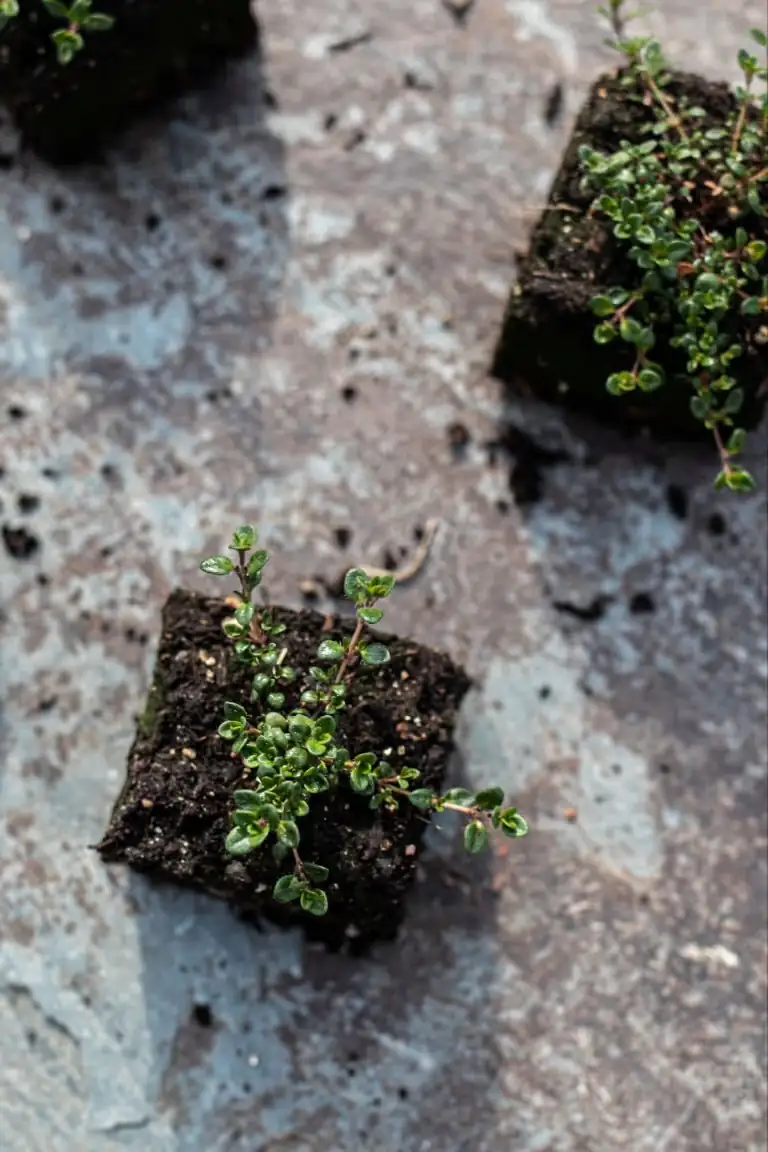
- When to Sow: Start your seeds indoors at the end of winter, around late February, or directly in the garden from April onwards.
- Soil Requirements: Use a well-draining, sandy, or gritty soil mix. Ensure the soil is moist but not waterlogged.
- Sowing Tips: Scatter seeds on the surface and press gently—thyme seeds need light to germinate, so avoid covering them with soil.
- Germination Time: Under ideal conditions, seedlings should sprout in 5 to 7 days. However, this can extend to 2-3 weeks depending on temperature and seed freshness.
Propagating from Cuttings: A Shortcut to Success
Cuttings are a quicker route to expand your thyme collection, ensuring you get an exact replica of the parent plant.
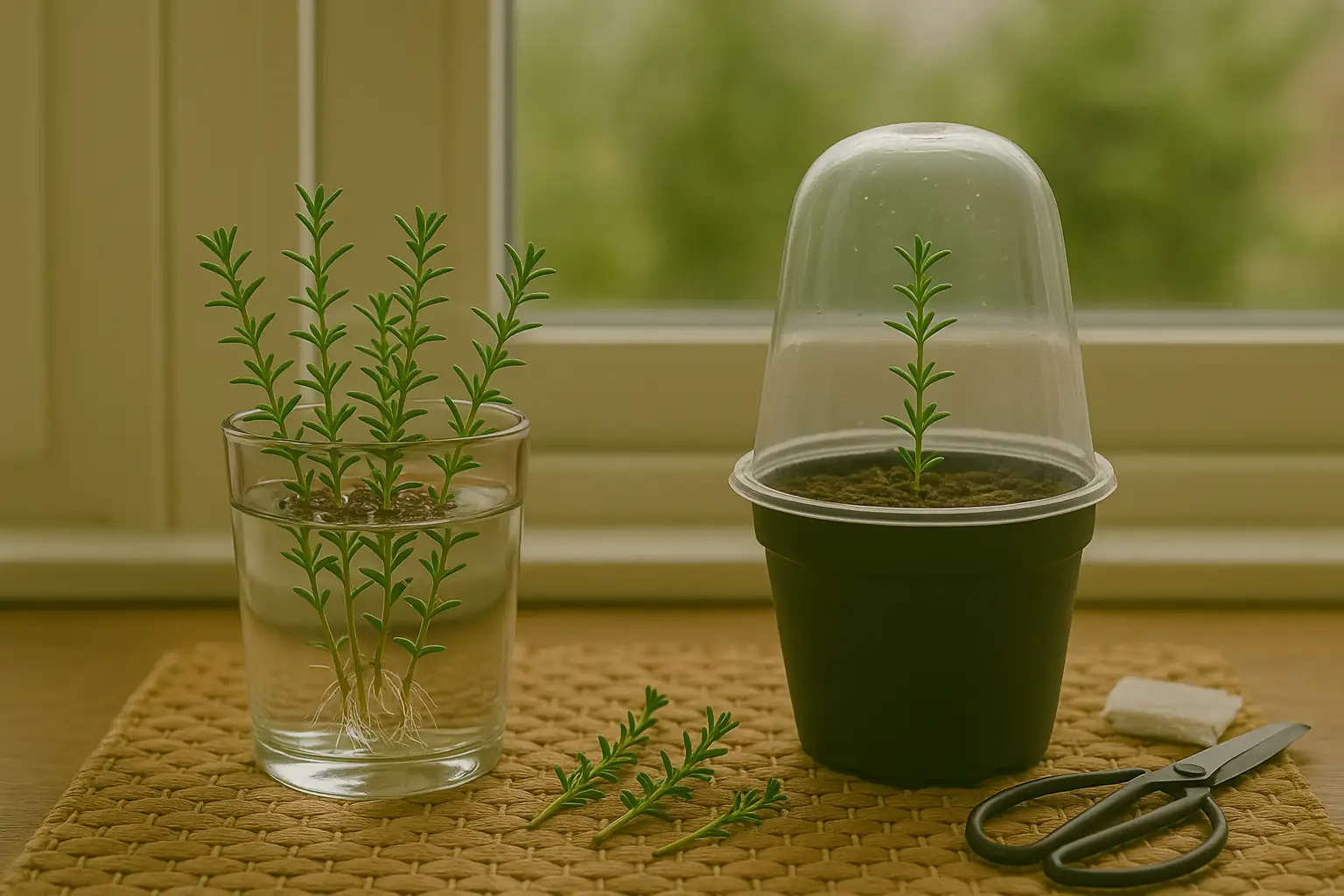
- Choosing Cuttings: In spring or early summer, select non-flowering tips of about 7.5–10 cm (3–4 in) long.
- Rooting Medium: Use a gritty, free-draining mix—think perlite or coarse sand.
- Planting Process: Strip the lower leaves, dip the cut end in rooting hormone (optional), and plant it in the medium. Keep the environment humid but well-ventilated.
- Aftercare: Once rooted, which typically takes a few weeks, transplant into individual pots or garden spots with ample sunlight.
Division: An Easy Way to Double Your Harvest
For those with established thyme plants, division is an effortless method to rejuvenate and multiply your herbs.
- Timing: Best done in spring, when the plant is gearing up for the growing season.
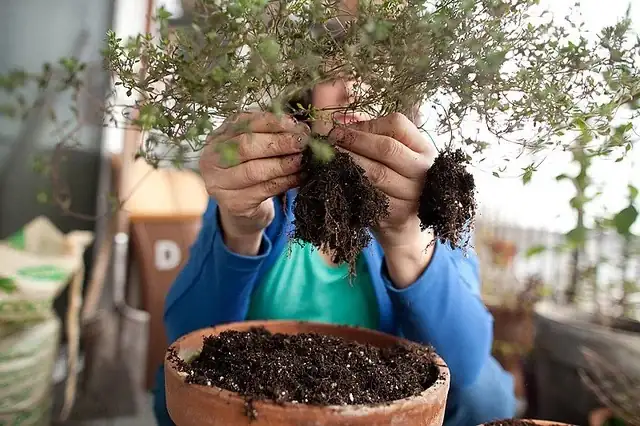
- How to Divide: Carefully dig up the thyme plant and gently split the root ball into smaller sections, each with roots attached.
- Replanting: Place the divisions into new, well-drained spots or containers, ensuring they receive plenty of sunlight.
Pro Tips for Thriving Thyme
Thyme thrives in full sunlight and well-drained soil. Overwatering is a common mistake—remember, this herb prefers dry feet. Minimal fertilization is key: too much can lead to leggy growth and diluted flavors. Trim after flowering to maintain a compact shape and encourage fresh growth.
Troubleshooting Common Issues
- Yellowing Leaves: Often a sign of overwatering. Ensure proper drainage and allow the soil to dry out between waterings.
- Fungal Problems: Promote good airflow and avoid wetting the foliage to prevent mold and mildew.
The Symbolism and Uses of Thyme
Thyme is more than just a culinary delight. Symbolically linked with courage and good luck, it was traditionally given to warriors and used in homes for its uplifting energy. Its essential oil, rich in thymol, finds applications in natural remedies and household products. Plus, thyme is a magnet for pollinators, making it an ecological asset in any garden.
Conclusion
Whether you’re aiming to spice up your culinary creations, attract pollinators to your garden, or simply enjoy the fragrant aroma, propagating thyme is a rewarding endeavor. By mastering these propagation techniques, you’ll not only expand your garden but also deepen your connection to this ancient and versatile herb. Happy gardening!


