

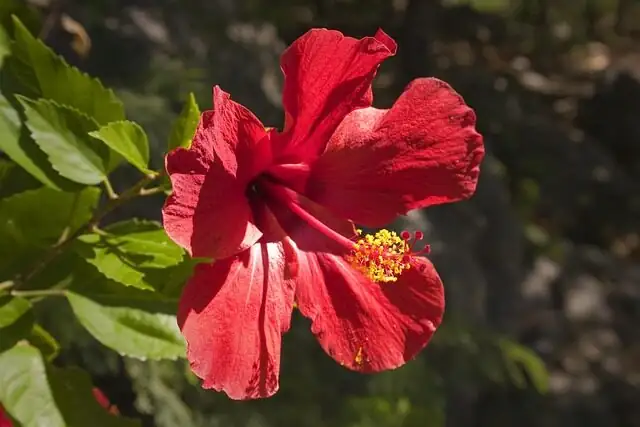
If your tropical hibiscus is the summer star of your patio, think of autumn as its VIP airport transfer: smooth timing, a comfortable seat by the window, a calm cabin environment—and it will land in spring ready to explode with flowers. Here’s your stress-free migration guide for Hibiscus rosa-sinensis (Chinese Hibiscus), from the last golden evenings outdoors to a bright, bud-packed comeback.
Meet your plant: a quick warm-up
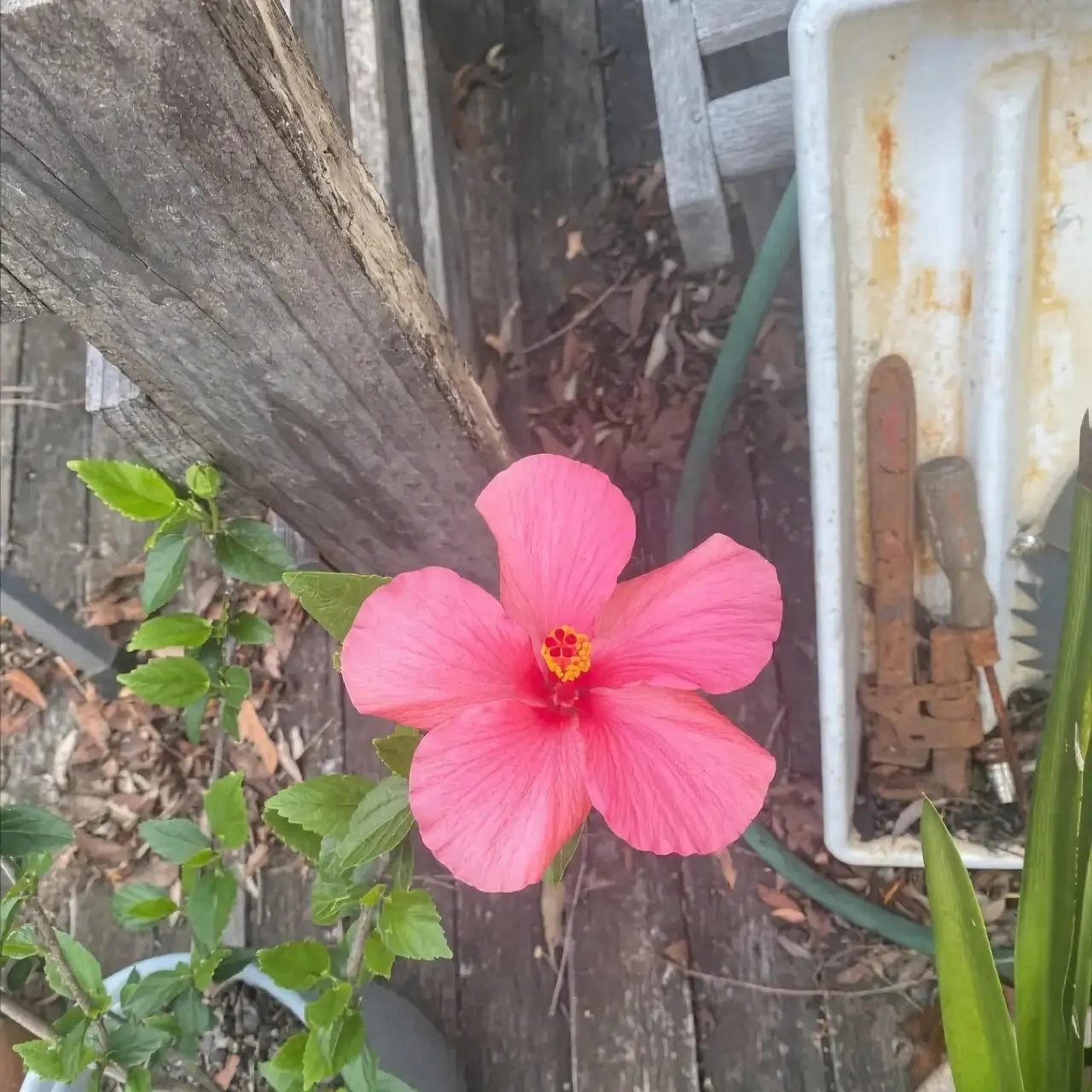
Chinese Hibiscus is a sun-loving, warmth-loving shrub from tropical Asia, famous for its glossy leaves and huge, vivid blooms. It shines in containers, responds beautifully to pinching and pruning, and—if you keep light, temperature, moisture, and feeding steady—will flower over very long stretches. It’s not frost-hardy, so the autumn migration matters.
- Best growth: 15–25°C (59–77°F)
- Critical threshold: move indoors before nights approach 10°C (50°F)
- Light: full sun for best flowering; light shade tolerated, deep shade indoors = weak growth
- Habit: naturally bushy with pruning; easy to keep compact around 50 cm (20 in) in pots
- Soil: rich, free-draining, slightly acidic mix
The stress-free migration timeline
1) Pick the perfect move date: before nights hit 10°C (50°F)
Don’t wait for a cold snap. Once night temperatures start brushing 10°C, roots and buds protest. Move potted plants indoors ahead of that mark so the transition feels gentle, not shocking.
2) Pre-move “spa” to reduce shock and hitchhikers
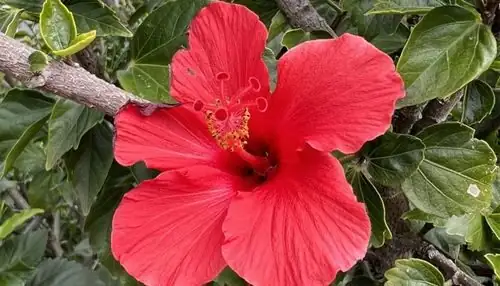
- Light haircut: Trim back up to about a quarter of soft, new growth and pinch gangly tips. You’ll reduce post-move leaf drop and encourage a bushier shape.
- Deep clean: Rinse the plant thoroughly (leaf tops and undersides), and remove any spent blooms or yellowing foliage.
- Pot check: Ensure the container drains freely and roots aren’t circling excessively. If it’s been a while, refresh the top few centimeters of mix with a rich, free-draining blend (loam- or coco/peat-based with perlite/coarse sand for airflow).
3) Pest preemption protocol (your two-week insurance plan)
- Inspect methodically: Look for aphids on new tips, spider mites (fine stippling/webbing), scale (bumpy shells on stems), and caterpillar chew.
- Rinse + wipe: A gentle shower and a soft cloth remove many pests and eggs.
- Preventive spray: Use horticultural soap or oil labeled for houseplants; repeat in 7–10 days.
- Quarantine: Park the hibiscus away from other houseplants for 10–14 days, just in case.
Create the perfect winter station indoors
Brightest seat in the house
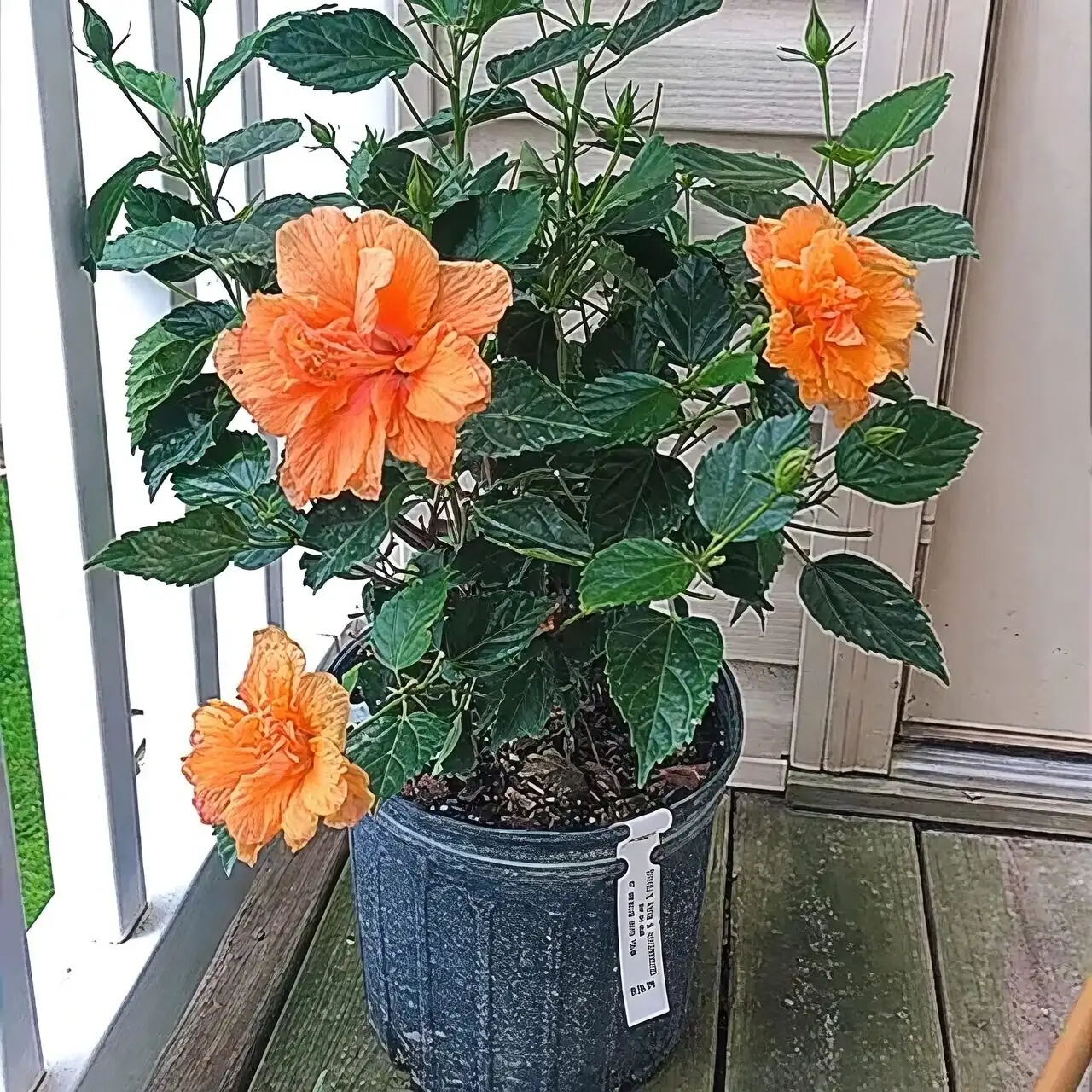
- Aim for full sun in the brightest window (south or west). Rotate the pot weekly for even growth.
- If winter light is weak, supplement with an LED grow light 12–14 hours daily to keep buds developing and leaves lush.
Warmth—steady, not stuffy
- Target 15–25°C (59–77°F); keep above 10°C (50°F) at all times.
- Avoid drafts, frosty glass at night, and hot blasts from radiators or vents. A little airflow is great; temperature swings are not.
Humidity that hugs, not drenches
- Moderate to high humidity helps prevent bud drop and mite flare-ups.
- Use a humidity tray (water below, not touching the pot), group plants, and offer occasional misting without keeping leaves constantly wet. Good airflow plus humidity = happy leaves.
Watering and feeding: switch to winter rhythm
Water like a pro—moist, never soggy
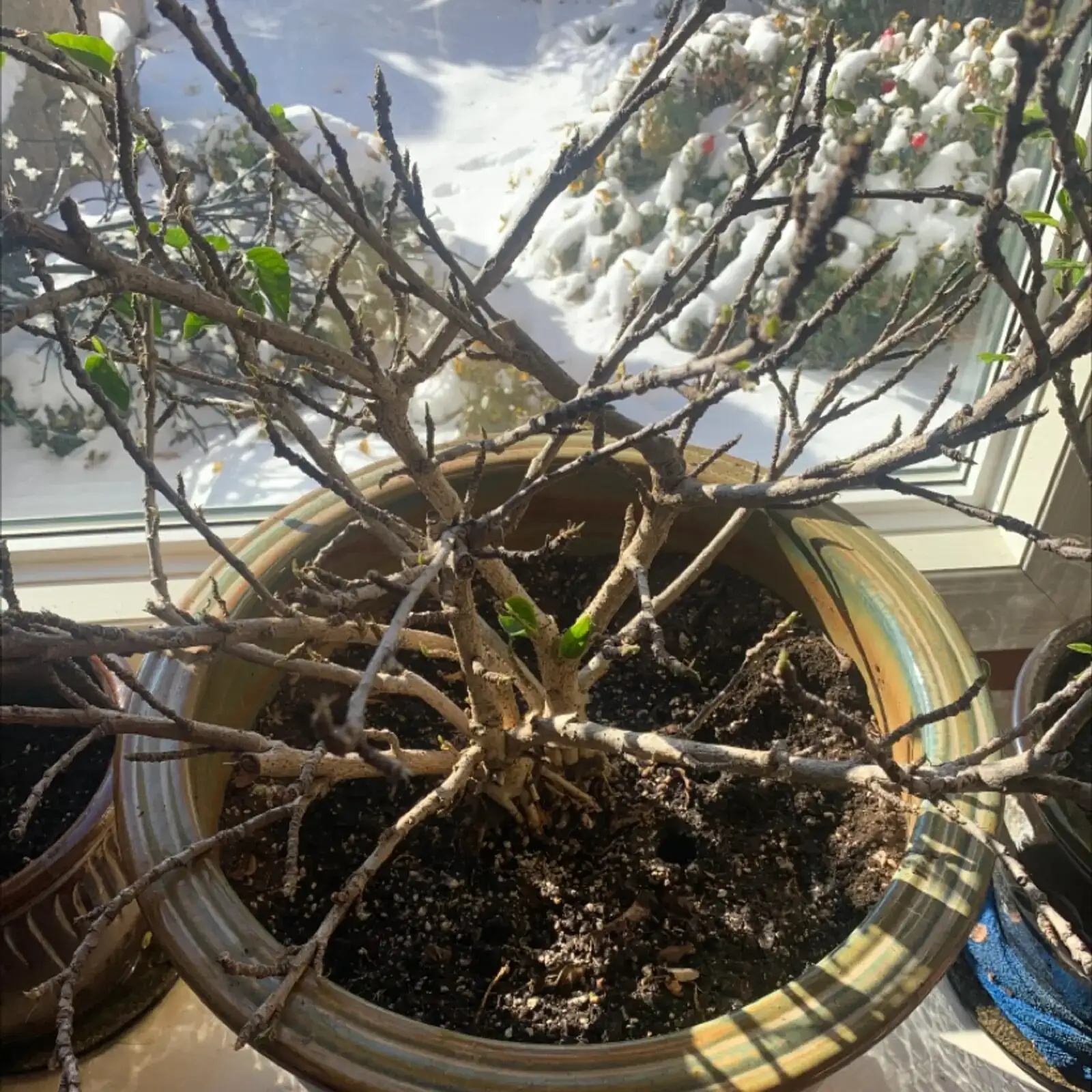
Hibiscus loves evenly moist soil during active growth, but winter light slows thirst. Tune by temperature and light:
- After moving indoors in autumn: about 2–3 times per week, adjusting to pot size and room warmth.
- In cooler rooms (12–15°C / 54–59°F): about once per week may be enough.
- In warmer rooms through winter: often about 2–3 times per week.
- Always check before watering: top 2–3 cm (about an inch) should feel just dry. Lift the pot—light weight signals it’s time. Never let the pot sit in water.
Pro tip: Use a rich, free-draining, slightly acidic mix so moisture spreads evenly but excess drains swiftly.
Feeding: feast in summer, fast in winter
- Growing season (spring through peak bloom): heavy feeder—apply fertilizer every 2 weeks with a balanced-to-blooming formula (e.g., around 15-15-30).
- Autumn: taper feeding to avoid soft, weak growth.
- Winter: pause fertilizing. Resume in spring when growth restarts.
- Flush the pot with plain water monthly in the growing season to minimize salt buildup.
Shape now for a floriferous spring
Pinch and prune with purpose
- Tip-pinching at about 20 cm (8 in) tall builds a compact, branching shrub with more bloom sites.
- After a flowering flush, prune to stimulate new flowering shoots.
- Keep the plant around 50 cm (20 in) for container-friendly fullness and frequent blooms.
The spring rebound plan (fast and floriferous)
- Light ramp-up: As days lengthen, increase watering frequency gradually and restart feeding every 2 weeks.
- Repot in spring: Refresh soil and trim circling roots. A 15–20 cm (6–8 in) pot suits compact plants.
- Outdoor acclimation: Move back outside only after nights are safely above 10°C (50°F). Harden off over 7–10 days—start in bright shade, then step up to full sun.
- Vigilance in warm spells: Spider mites and scale love early heat. Rinse foliage regularly and inspect weekly.
Troubleshooting: what’s normal, what needs action
- A few yellow leaves after the move: Normal adjustment. If it continues, check light (too dim?) and watering balance.
- Buds dropping before opening: Often from low light, cold drafts, or irregular moisture. Boost light, stabilize temps, and keep soil evenly moist.
- Flowers staying small: Usually not enough sun or feeding. Increase light and fertilize every 2 weeks in active growth.
- Leaf spot + heavy drop: Improve airflow, avoid wetting leaves late in the day, remove affected foliage.
- Pests (aphids, mites, scale, caterpillars): Rinse, then treat with horticultural soap/oil; repeat in 7–10 days. Maintain humidity and airflow to deter mites.
Safety, symbolism, and fun
Safe to share a room with
Chinese Hibiscus is generally considered non-toxic to people and pets. The sap can mildly irritate sensitive skin—wash hands after pruning and discourage nibbling.
What the blooms “say”
In many gifting traditions, Chinese Hibiscus is tied to a thriving home and cheerful prosperity. Single-flowered forms are often used to congratulate success and family flourishing; double-flowered forms can suggest tenderness and thoughtfulness in romance. Treat these meanings as cultural customs rather than strict rules—they vary by region and era. The deeper truth most gardeners share: a well-cared-for hibiscus feels like optimism in plant form.
Fun to know
- In warm, bright conditions, many cultivars bloom on repeat for months.
- The simplest makeover? Tip-pinching. It’s the fastest route from lanky to lush—and more flowers.
Your quick migration checklist
- Before nights reach 10°C (50°F), move indoors.
- Light prune, rinse foliage, refresh topsoil, and inspect thoroughly.
- Prevent pests: soap/oil treatment and 10–14 days of quarantine.
- Set up: brightest window, steady warmth above 10°C, humidity tray, gentle airflow.
- Water evenly—never soggy—and pause fertilizer for winter.
- In spring: repot, resume feeding, pinch tips, and harden off before returning to full sun.
Guide your hibiscus through this calm, well-timed transfer, and it will thank you when warm weather returns—with glossy leaves, vigorous growth, and those jubilant, oversized blooms that turn patios into tropical postcards.