

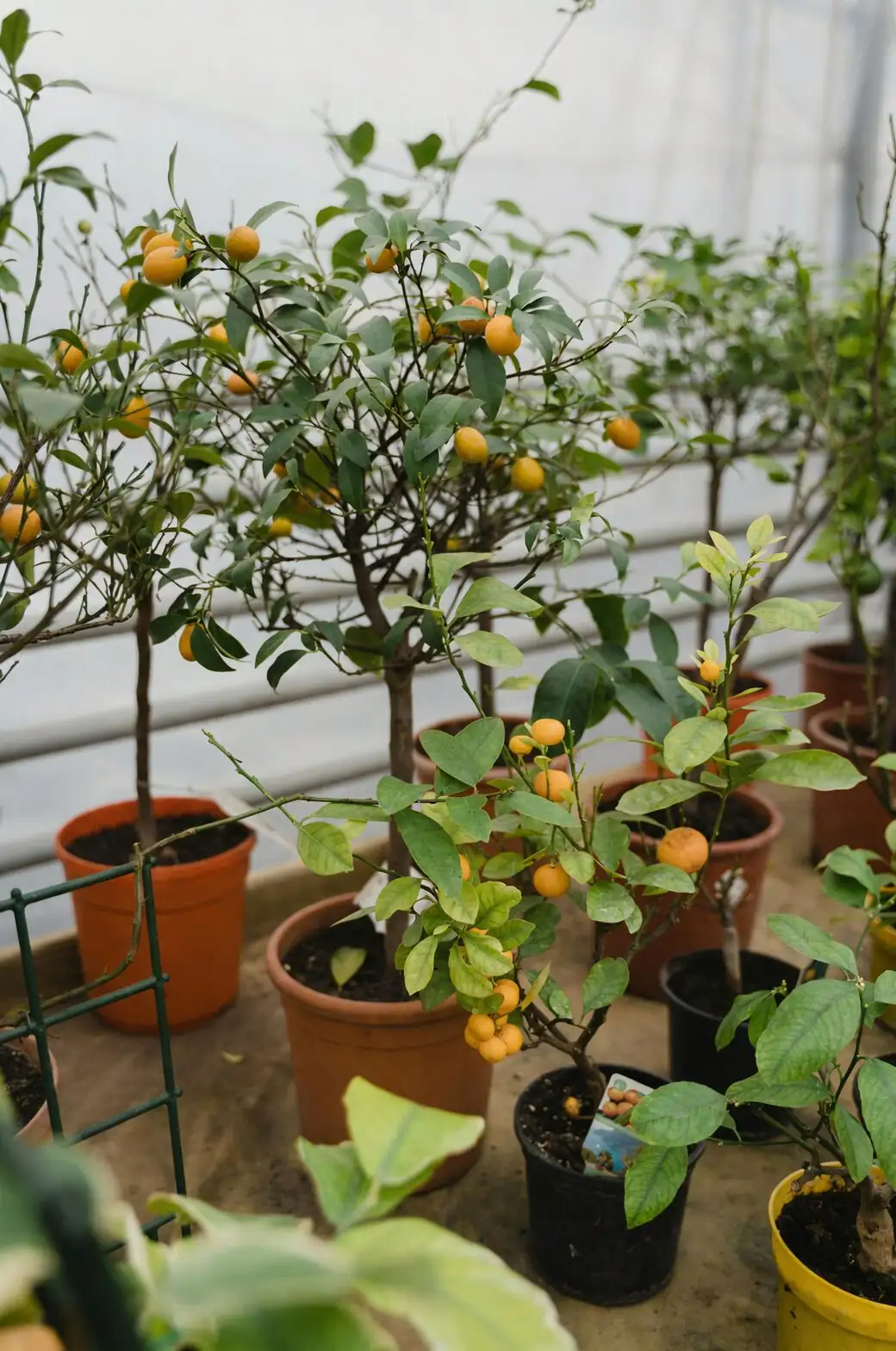
Kumquat in a pot is the citrus that behaves: compact, glossy, fragrant—and right on cue, it strings itself with golden fruit from autumn into winter. If you’ve ever wanted to propagate your own Citrus japonica for the balcony, windowsill, or conservatory, this masterclass is your playbook. We’ll choose rootstocks that tame vigor for containers, time your grafts for quick take and early fruit, and dial in aftercare so your new tree becomes a reliable holiday showpiece (and snack).
The Container Grower’s Rootstock Playbook
Choosing the right rootstock is half the art. It sets the tempo for vigor, precocity, cold tolerance, root resilience, and how happy your kumquat is in a pot.
Trifoliate orange (Poncirus trifoliata, incl. ‘Flying Dragon’)
- What it does best
- Dwarfing to semi-dwarfing habit—ideal for 20–30 cm (8–12 in) display pots and compact patios/windows.
- Encourages tidy branching and manageable internodes for a dense, elegant canopy.
- Often imparts improved cold tolerance to the scion, a plus for overwintering in bright, frost-free rooms.
- Flavor/fruiting notes
- Reliable fruit quality; grafted kumquats generally fruit earlier than seedlings.
- When to choose it
- Your priority is pot culture success, shape control, and avoiding a plant that outgrows your space.
- Pro tip
- For maximum dwarfing, use the contorted selection ‘Flying Dragon’. It’s excellent for tight quarters and top-working into “bonsai-like” kumquats.
Sour orange (Seville and related “sour citrus” types)
- What it does best
- Vigor, resilience, and a strong root system—useful where conditions fluctuate (heat, brief dryness).
- Container caveat
- That vigor means more pruning/pinching to keep a 0.6–1.5 m (2–5 ft) target height in pots.
- Compatibility note
- Widely used with citrus and kumquats in many regions. If a particular cultivar combination seems weak in your locale, you can bridge with a short interstock of Poncirus to harmonize growth while keeping sour orange roots.
Seedling kumquat/citrus (seedling rootstocks)
- What it does best
- Broad compatibility and a balanced, moderate vigor; can be very satisfying for hobby grafters working with what they’ve raised from seed.
- Downside
- Greater variability and typically slower to fruit than named clonal rootstocks. Still, when grafted, most kumquats bear much sooner than seed-grown scions on their own roots.
- When to choose it
- You value simplicity and have healthy seedling citrus on hand, and you don’t mind a slightly less predictable growth rate.
Quick chooser
- Smallest, most mannerly tree for a windowsill or balcony: Poncirus trifoliata (especially ‘Flying Dragon’).
- A robust potted plant you’ll train and prune regularly: Sour orange/sour citrus types.
- A practical, “use what you have” option for hobbyists: Seedling kumquat/citrus.
Scionwood: Safe, Clean, Cultivar-True
- Choose a known kumquat cultivar you love (Nagami/Oval types are classic for eating whole).
- Source budwood from certified disease-free programs where available, and comply with local rules on citrus movement.
- Sanitize tools between every graft. A quick dip or wipe with 70% isopropyl alcohol (or a labeled disinfectant) reduces disease risk and improves take.
Timing Your Grafts (Northern Hemisphere cues)
- Cleft/branch grafts: March–April (spring sap rise, bark not too loose). Great for top-working small potted trees.
- Approach grafts: Around June (both partners actively growing for rapid callusing).
- Bud grafts (T-bud or chip-bud): June–September (bark slipping season through late summer).
Tip: Work when daytime temps are mild to warm—roughly in the 20–25°C (68–77°F) sweet spot—so callus forms without heat stress.
Techniques That Shine in Pots
Cleft graft (best for top-working and adding varieties)
- Use when
- You’re reshaping a small potted citrus or converting it to kumquat on your chosen rootstock.
- How to
- Cut the rootstock shoot or small branch back to a smooth, straight stub (pencil to finger-thick).
- Make a centered split 2–3 cm (¾–1¼ in) deep.
- Prepare one or two wedge-cut scions (2–3 buds each), exposing fresh cambium on both sides.
- Insert scion(s) so cambium aligns on at least one side; bind firmly with grafting tape.
- Seal all exposed cuts with grafting wax or parafilm; label the variety and date.
- Aftercare snapshot
- Bright light but shield from harsh midday sun. Keep the pot evenly moist, never waterlogged. Once scions push 5–10 cm (2–4 in), stake gently.
T-bud or chip-bud (efficient, fast to finish)
- Use when
- You want many plants from limited scionwood and clean unions on slender rootstock shoots.
- How to (T-bud)
- Choose smooth, active green bark (pencil-thick).
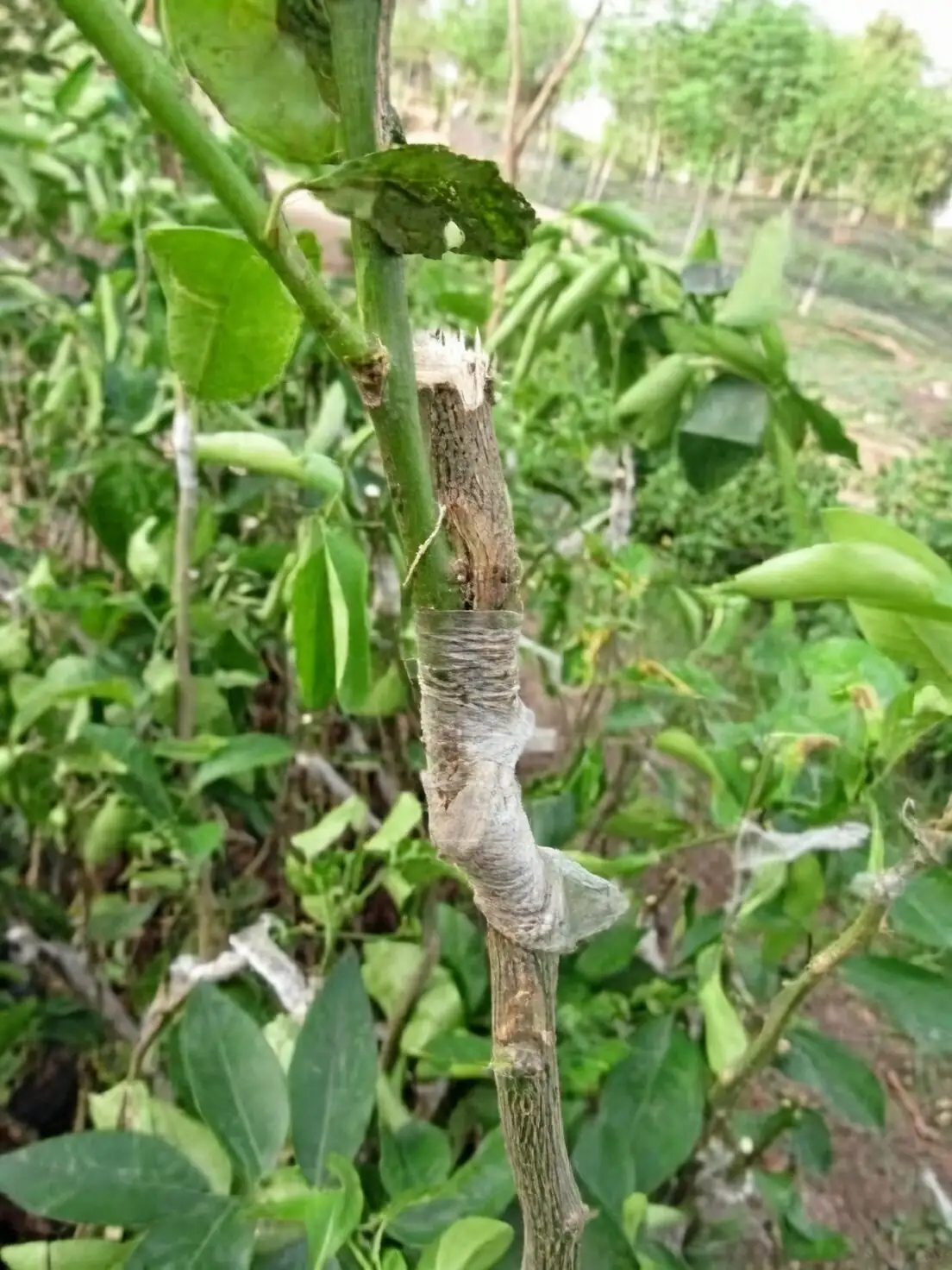
- Make a T-cut; lift flaps gently.
- Slice a shield-shaped bud with a sliver of wood; slide under the bark.
- Wrap tightly with budding rubber or parafilm, leaving the bud eye exposed.
- Forcing the bud
- After 2–4 weeks (when the petiole drops and the bud looks plump), cut the stock back just above the bud to direct sap flow. Stake the new shoot.
- Chip-bud is similar but works even when bark isn’t slipping; align two matching “chips,” wrap firmly, then force as above.
Approach graft (near foolproof, great for beginners)
- Use when
- You have a healthy potted kumquat scion plant and a separate rootstock; you’ll unite them while both stay rooted.
- How to
- Place pots side-by-side. On matching stems, make equal-length shallow slices to expose cambium.
- Bind the wounds flush together with grafting tape or clips; seal edges.
- After 4–8 weeks (firm union), gradually sever the scion from its original roots and reduce the rootstock above the union to hand the canopy over to the new root system.

How Rootstock and Graft Type Shape the Outcome
- Vigor and size
- Poncirus keeps internodes short and canopies dense—perfect for 8–10 inch display pots.
- Sour orange pushes faster growth—great in 12–16 inch containers with regular pruning and pinching.
- Seedling citrus tends to be moderate, but variable.
- Time to fruit
- Grafting a named kumquat onto any suitable rootstock typically bears far sooner than seed-grown plants. Bud grafts on active stock often produce flower buds by the second season.
- Water and nutrition management
- Dwarfing roots (Poncirus) make it easier to balance moisture in smaller volumes of media and to hold fruit without drop—especially helpful indoors.
- Training and show quality
- All three choices respond well to the kumquat “rule of three”: maintain about three strong framework branches; pinch at ~20 cm (8 in), then again at 5–6 leaves to build fruiting spurs and a compact crown.
Five Golden Rules of Aftercare (for Potted Grafts)
- Light and temperature
- Bright light to full sun, with a touch of midday protection in hot spells. Aim for 20–25°C (68–77°F) while grafts knit. Over winter, keep above 7°C (45°F) and in the brightest room you have.
- Watering rhythm
- Keep evenly moist—never sopping, never bone-dry. Avoid dramatic wet/dry swings, especially once your young plant sets its first fruits.
- Feeding strategy
- Begin light feeding as new shoots extend after the graft takes. Through spring and early summer, feed about every two weeks. In late summer to early autumn (as flower buds initiate), step up to a pre-bloom feed; during fruit enlargement, feed every ~10 days with higher P/K, then stop once fruits fully color.
- Discipline at the graft union
- Remove all growth (suckers) from below the graft promptly; these can overtake your kumquat. Keep the union exposed and dry; retie or restake as needed until wood matures.
- Shape early, then maintain
- Prune in early spring before the main flush. Establish three main branches, pinch new shoots at ~20 cm, then again after 5–6 leaves. Remove weak, crossing, or out-of-season soft shoots that sap energy.
Bonus tips
- First-year flowers on fresh grafts: remove most or all to strengthen the union and scaffold.
- Indoors, hand-pollinate open blooms for better fruit set.
- A brief, controlled dry-down in early summer can nudge flower-bud formation; resume normal watering as buds swell.
A Season-by-Season Propagator’s Calendar
- Late winter to early spring
- Remove any leftover fruits. Repot if due (about every two years) into a free-draining citrus mix; avoid oversizing the pot. Prune to shape. Cleft/branch graft in March–April.
- Early to mid-summer
- Feed regularly; pinch for compact growth. Approach grafts around June. Begin bud grafting (June–September). Use brief, controlled water withholding to encourage bud formation, then water normally as buds develop.
- Late summer to early autumn
- Pre-bloom feeding to support flowering and fruit set. Maintain steady moisture; protect young fruit from scorching midday sun.
- Autumn to winter (the main display)
- Maximize light; keep humidity moderate; water evenly to prevent fruit drop. Protect from cold drafts and frost.
Troubleshooting Common Graft Woes
- Bud didn’t “take”
- Try chip-budding (works outside peak bark-slipping), ensure tight wraps, and keep scions fresh and shaded.
- Cleft graft dries out
- Reseat and reseal the union; use parafilm over the entire scion to reduce desiccation, leaving the bud tips exposed.
- Rootstock suckers racing ahead
- Remove cleanly at the trunk; repeat promptly. Don’t let them shade or starve your scion.
- Pest pressure (mites, scale)
- Treat early with horticultural oil or insecticidal soap; repeat as needed. Keep tools clean and foliage dry late in the day to limit disease like citrus scab/canker; where permitted, traditional copper preventives can help.
Why Kumquat Is the Container Citrus of Choice
- Compact, evergreen elegance with starry white blossoms and an edible, sweet-peel/tangy-flesh fruit you pop whole.
- Naturally bushy habit that responds beautifully to pinching and pruning.
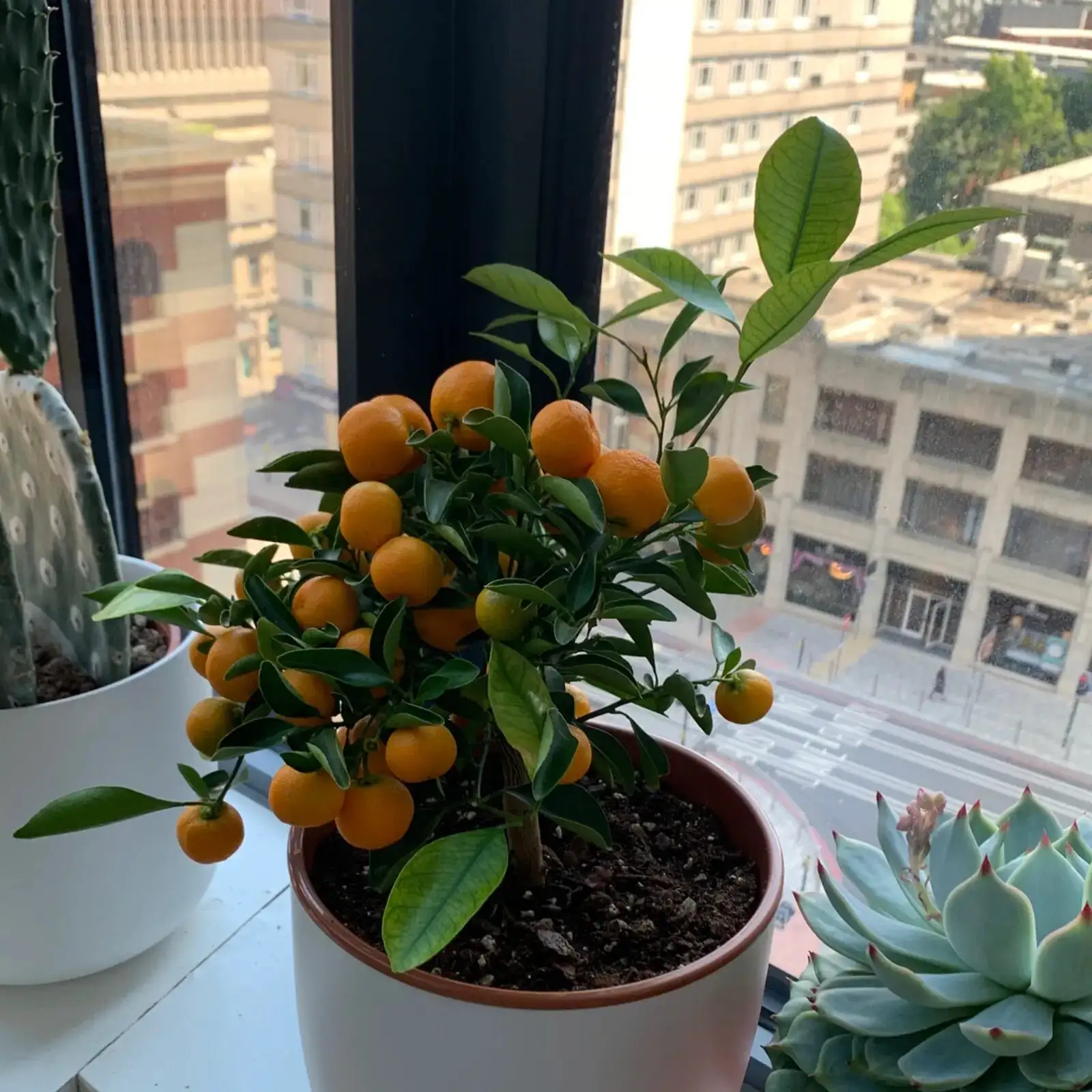
- Fruits color from autumn into winter—just when you want a cheerful, festive plant near a bright east- or south-facing window.
A Note on Meaning and Celebration
Clusters of golden kumquats have long symbolized prosperity and good fortune, which is why potted specimens brim the markets before Lunar New Year. The appeal runs deeper than decoration: the plant’s steady, year-on-year performance—when pruned, fed, and watered with intention—mirrors the virtues of patience and care bringing sweet returns.
—
With the right rootstock underfoot and the right graft at the right time, Citrus japonica becomes a lifelong companion for small spaces: glossy, fragrant, generous, and impeccably well-behaved in a pot. Pinch, prune, and enjoy—then share your own grafted starts with friends (within local rules), and spread the gold.