

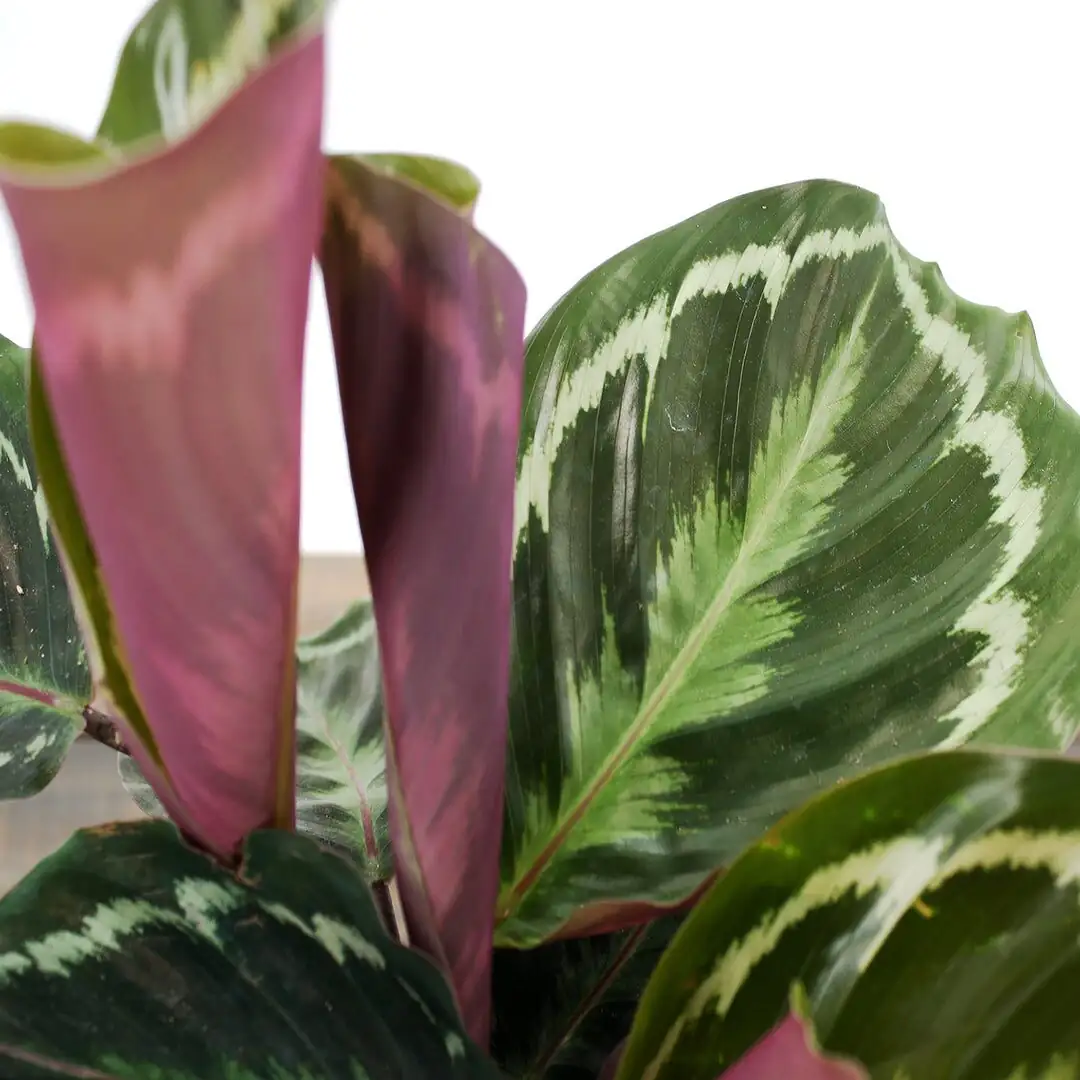
Rose-painted Calathea (Goeppertia roseopicta) is a showpiece of the prayer-plant clan—broad leaves “painted” with pink to cream brushstrokes above, and a deep purplish glow below. Keep its environment steady and it will push out leaf after leaf; let conditions slip and you’ll see brown edges and dull color. Here’s a practical, room-by-room blueprint to keep your plant lush.
Light: place it so color pops, not crisps
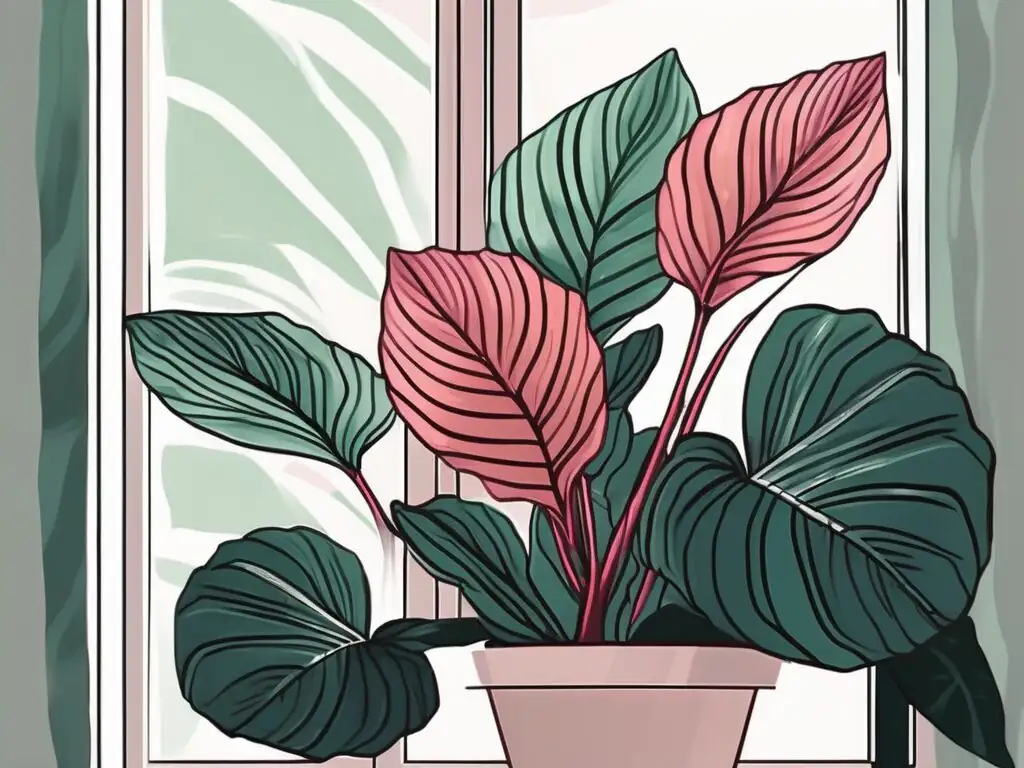
Bright, indirect light (or gentle medium light) is the sweet spot. Think dappled forest—never harsh noon sun.
- Where it thrives
- East window: prime real estate. Place it near the glass or 0.5–1.5 m (1.5–5 ft) back if mornings are strong.
- South window: use a sheer curtain for roughly 50%–70% shade; set the pot 1–2 m (3–6 ft) back.
- West window: filter the hot afternoon sun with a sheer; keep a bit farther back.
- North window: works if the space is bright all day; move closer to the glass.
- Simple light test
- Your hand’s shadow on the wall should look soft-edged, never crisp.
- If floor or leaves feel sun-hot at midday, you’re too close.
- Signs and fixes
- Too much light: bleached patches or crispy edges. Move back, add a sheer, or shift to an east exposure.
- Too little light: slow growth and dull color. Nudge it closer to the window (still out of direct rays).
Rotate the pot a quarter turn weekly so the clump stays balanced.
Watering: master the top 2–3 cm rule
This plant loves “evenly moist” soil—not wet, not dry. Your trigger to water is the top 2–3 cm (about 1 inch) of mix.

- The routine
- Check: press a finger into the soil. When the top 2–3 cm feels dry, it’s time.
- Water thoroughly until excess drains from the holes; never let the pot sit in a saucer of runoff.
- Use a pot with drainage and a loose, airy mix so the root zone never stays soggy.
- Seasonal tweaking
- Spring–summer: you’ll water more often as growth speeds up and air warms.
- Autumn–winter: growth slows; stretch the interval. Still, don’t let the root ball dry rock-hard.
- Pro tips for happy edges
- Aim for room-temperature water.
- If your tap water is very hard or leaves mineral crust, consider filtered or let water sit overnight before use.
- Light misting is fine for a quick humidity bump, but avoid leaving water on leaves for long periods—especially overnight.
Humidity: target 60%–70% for velvety, un-crispy margins
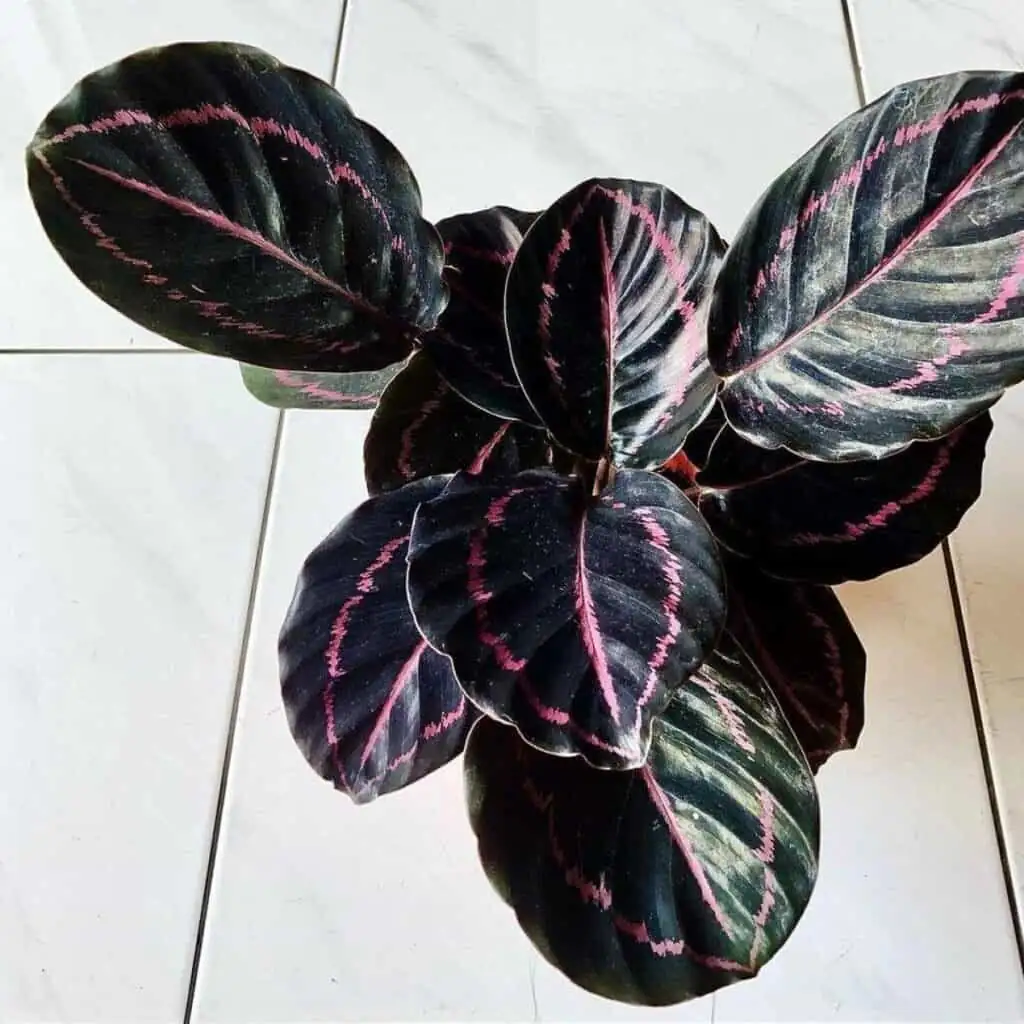
Dry air is the fast lane to brown tips. Keep local humidity high.
- Easy boosts
- Run a humidifier near the plant and set it to 60%–70%.
- Use a pebble tray with water (pot perched above waterline).
- Group plants to create a moist microclimate.
- Keep away from heaters and AC vents; those drafts desiccate leaves.
- Airflow matters too
- Gentle air movement is good, but avoid blasting vents.
- Don’t leave foliage wet overnight; that invites leaf spots.
Temperature: steady warmth is non-negotiable
Warm, even temperatures keep growth rolling and leaf color rich.
- Targets
- Ideal: 18–24°C (64–75°F)
- Winter minimum: keep above 8°C (46°F); avoid drops below 5°C (41°F).
- In heat waves: try to stay below 32°C (90°F) with good airflow and added humidity.
- Placement wins
- Park it away from exterior doors, cold windows at night, and hot radiators.
- On sweltering days, pull it slightly farther from the window and lean on the humidifier.
Soil and potting: hold moisture, drain fast
Roots want oxygen and consistent dampness—build the mix accordingly.
- Mix recipe
- Use a peat or coco-coir base amended with perlite and/or coarse sand for drainage.
- The goal: moisture-retentive but free-draining, never boggy.
- Repotting rhythm
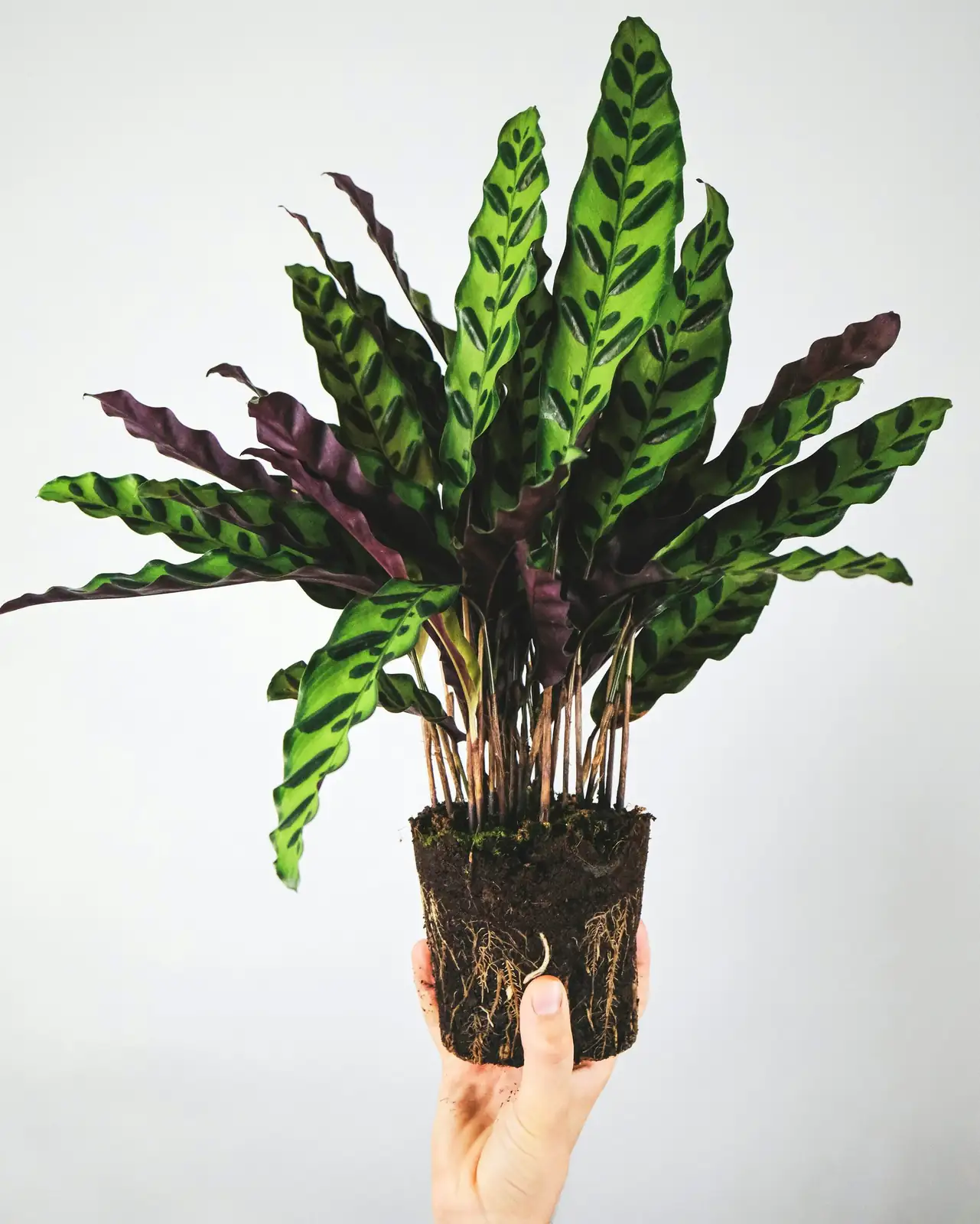
- Repot in spring when rootbound or when mix breaks down (often yearly for fast growers).
- Size up gradually—just one pot size.
- Perfect moment to divide: split the clump so each division has several leaves and a healthy root cluster. Pot into lightly moist mix and keep humidity high while they re-establish.
Feeding for rich color (without burn)
- Growing season (roughly May–September): feed every 2 weeks with a gently diluted, balanced houseplant fertilizer. Water first, then feed, and avoid splashing fertilizer on leaves.
- Pause or sharply reduce in winter if growth slows.
- If tips brown from salts, flush the pot with plain water to leach buildup and ease off the feed.
Troubleshooting: keep leaves lush, not brown-edged
- Brown edges or crispy tips
- Usual culprits: low humidity, strong direct sun, or inconsistent moisture.
- Fix in order: raise humidity to 60%–70% → filter or step back from sun → return watering to the top-2–3-cm rule. Consider a gentle soil flush if you’ve fed heavily.
- Yellowing leaves
- Often a combo of chill, dry air, or too much direct sun. Move to bright, indirect light, warm it to 18–24°C (64–75°F), and stabilize humidity. Keep soil evenly moist—not soggy.
- Curling or drooping
- Curling and light-weight pot = too dry or too little humidity. Water thoroughly and boost humidity.
- Limp leaves with a heavy, wet pot = overwatering or poor drainage. Let the mix aerate, improve the potting mix, and ensure drainage holes are clear.
- Leaf spots/blight
- Stale, wet conditions are to blame. Improve airflow, trim affected leaves, and avoid wet foliage overnight.
- Pests to watch
- Mealybugs and scale hide along midribs and undersides. Rinse and wipe leaves; treat with a mild soapy spray (spot-test first) and repeat every 5–7 days for several rounds until clear.
A quick weekly routine
- Feel the top 2–3 cm of mix; water only when dry at that depth.
- Top up the humidifier to maintain 60%–70%.
- Rotate the pot a quarter turn for even growth.
- Dust leaves gently so they can breathe and photosynthesize.
- Peek under leaves for mealybugs/scale.
- Empty saucers after watering; never let roots sit in runoff.
Fast facts to love
- Botanical name: Goeppertia roseopicta (often still sold as Calathea roseopicta)
- Family: Marantaceae (prayer-plant relatives)
- Size: typically 30–60 cm (12–24 in) tall and wide, forming a dense clump
- Origin: Northwestern Brazil
- Indoors best unless you live frost-free (roughly USDA Zones 11–12)
- Pet-friendly: generally considered non-toxic to cats and dogs
Symbolism and the gentle “prayer-plant” rhythm
This species is often linked with quiet beauty and living art—painted leaves that seem hand-brushed. As a prayer-plant relative, its leaves can subtly shift position from day to night, a daily rhythm that many read as calm, mindful presence rather than traditional “flower language.” It’s a foliage-first plant whose grace comes from movement and pattern, not blooms.
Follow this blueprint—filtered light, the top-2–3-cm watering rule, 60%–70% humidity, and steady warmth—and your Rose-painted Calathea will reward you with saturated color, satin leaves, and new growth that unfurls like a ribbon.